Starlight Drifter Switch NSP
Report Link Error
Select the broken download file, then submit the report.
Screenshots
About Game
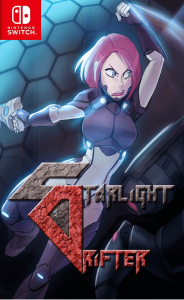
Starlight Drifter Switch NSP is a 2023 action-adventure from Gamuzumi that places a lone pilot in a distant future where humanity has spread across the galaxy. Released on November 24, 2023 for the Europe and USA regions, the English-language adventure builds its appeal around travel, discovery, combat, and decisions made across a large cosmic frontier. Its premise is less about following a single straight route than finding a personal way through star systems filled with danger, opportunity, and unanswered questions.
Starlight Drifter: A Space Adventure on Nintendo Switch
Gamuzumi’s space action adventure begins with a suitably isolated role: the player is a drifter, pilot, and explorer carrying the weight of a mysterious past. That setup gives the journey a lonely but expansive atmosphere. The galaxy is vast, yet the player is not simply passing through it as a spectator. A personal starship serves as the means to travel, fight, take on work, and investigate the places that appear beyond the next jump.
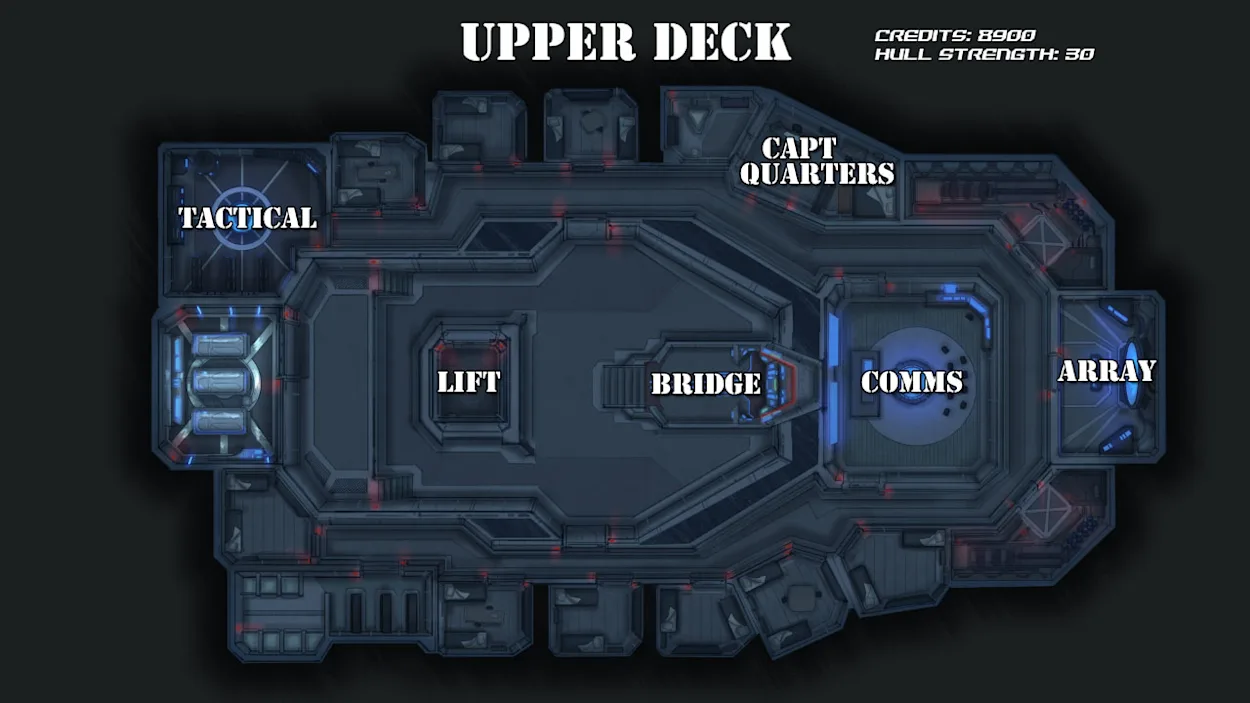
Exploration sits beside real-time space combat and role-playing decisions. Players can customize their ship around their own approach, choosing upgrades for areas including engines, weapons, armor, and utility systems. This is important because the game’s activities do not ask for only one skill set. A pilot looking for combat encounters may value offensive equipment and tactical maneuvering, while someone taking a more exploratory route may approach resources, expeditions, and alliances differently.
The setting also supports a strong sense of scale. Star systems, planets, anomalies, relics, factions, and old technologies all contribute to the feeling of a civilization-spanning journey. It is an adventure aimed at players who enjoy moving between narrative leads and open-ended exploration rather than racing directly from one story scene to the next.
The Distress Signal at the Center of the Story
The Starlight Drifter story starts when the protagonist receives a distress signal from an uncharted sector. That call draws the drifter toward a forgotten area of space, where traces of ancient civilizations and long-dormant technology begin to reshape the scope of the mission. What initially appears to be a rescue or investigation becomes connected to a larger conspiracy threatening the galaxy’s fragile peace.
The premise has room for both external and personal stakes. As the search continues, the protagonist’s own past becomes part of the mystery. The central signal is therefore not just a destination marker; it is a thread leading through lost history, powerful technology, and questions about identity. The game’s decisions are presented as meaningful, with choices capable of influencing the fate of worlds as well as the direction of the narrative.
That structure suits the game’s space-opera tone. Ancient civilizations are not background decoration alone: their legacy is tied to the danger unfolding in the present. The result is a story built around investigation, discovery, and consequences, with the distress signal acting as the first push into a much wider conflict.
Exploring a Procedurally Generated Galaxy
Starlight Drifter exploration takes place in a procedurally generated galaxy containing numerous star systems, planets, and cosmic anomalies. That format gives travel an uncertain quality. A detour can lead to a new location, a resource opportunity, an expedition, or an encounter that does not sit directly on the main story path.
The value of this design is in taking time to look outward. The main quest supplies a clear narrative pull, but the galaxy offers reasons to investigate beyond it. Planets can become destinations for expeditions, while the space between worlds can hold anomalies and threats. A player’s route through the star systems can be shaped by curiosity, mission demands, resource needs, or faction relationships.
Procedural generation also supports replay value without requiring the game to be treated as a fixed sequence of identical stops. Combined with varied missions and choice-driven progression, it encourages different priorities on later journeys. One playthrough might concentrate on exploration and diplomacy; another might spend more time pursuing combat work, upgrades, and faction opportunities.
Factions, Dialogue Choices, and Reputation
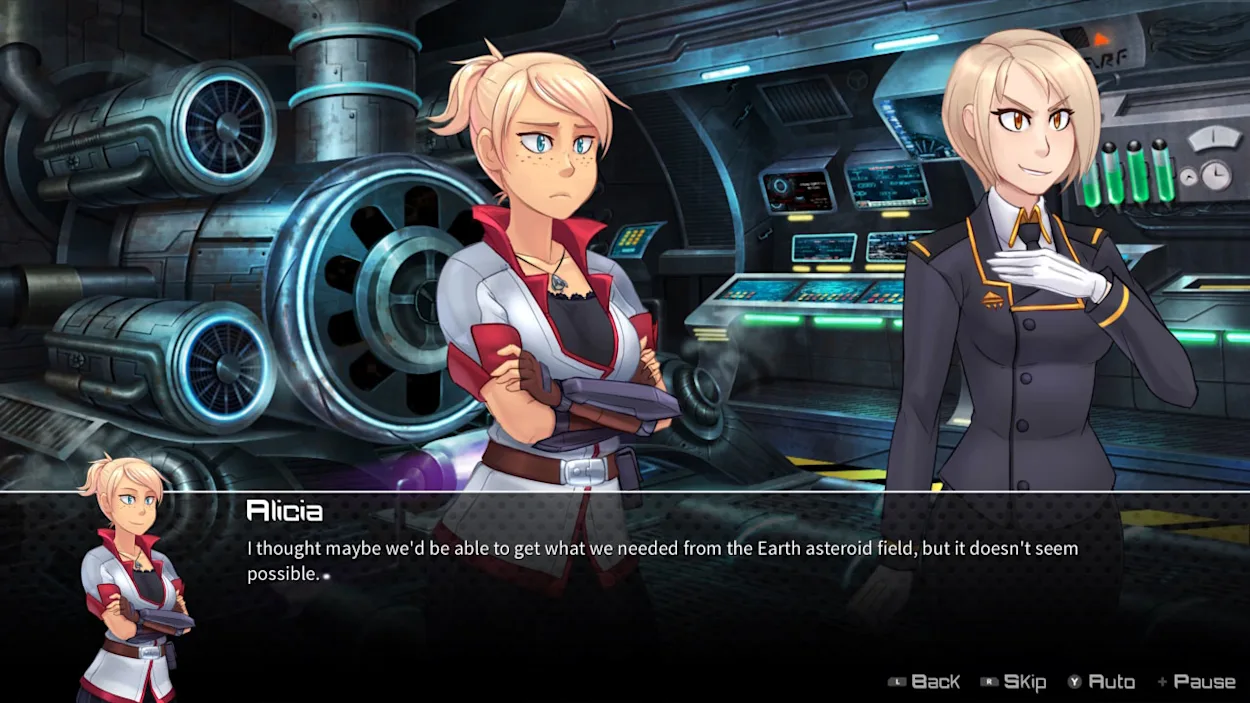
The galaxy is populated by groups with competing interests, including pirate guilds and alien races. These Starlight Drifter factions are more than scenery for the player’s travels. Their agendas frame encounters, potential alliances, and the social side of survival in a difficult universe.
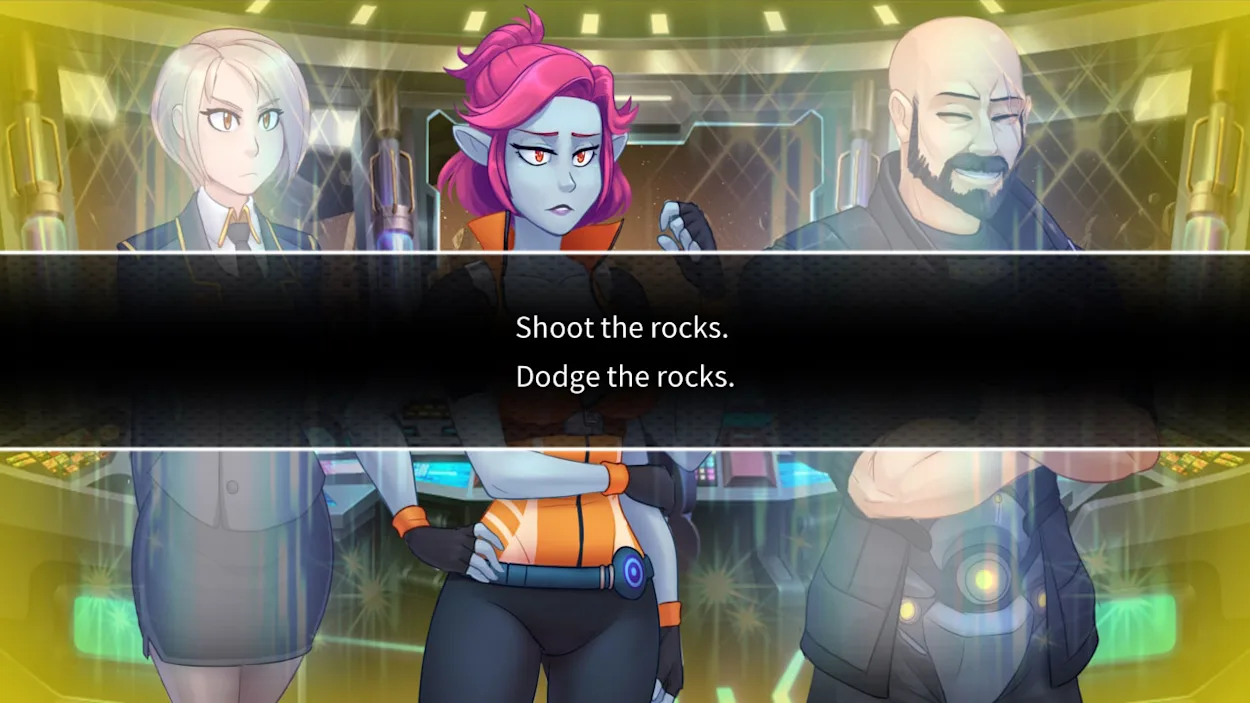
Dialogue choices affect relationships and story arcs, giving conversations practical weight. Diplomacy can be used to forge alliances, while other decisions may change how characters and groups respond to the drifter. The reputation system is similarly connected to progression: reputation can influence available missions and the story’s development.
This creates a useful contrast with the game’s ship combat. Not every problem is framed as a dogfight. Players can make strategic decisions about whom to support, which opportunities to pursue, and how to manage standing across different factions. Because relationships, missions, and narrative direction can all be affected, social choices become part of the wider journey rather than a separate feature.
Mission Variety Beyond the Main Quest
The main mystery may provide the largest narrative question, but the available work extends beyond it. Missions include cargo runs, bounty hunting, exploration, espionage, and planetary expeditions. Each activity fits the larger fantasy of operating as an independent pilot in a broad and unpredictable galaxy.
Cargo work can place the focus on travel and practical resource concerns. Bounty hunting brings the combat side forward, including real-time engagements against enemy vessels. Exploration and planetary expeditions reinforce the game’s interest in discovering locations and secrets, while espionage adds another kind of objective to the mission pool.
Resource management, crew management, and ship customization connect these activities. A mission is not only about reaching an objective; it can also affect supplies, reputation, available work, and preparedness for later challenges. This gives progression a layered quality. Better ship systems can support a chosen playstyle, while wiser decisions about crew, resources, and faction standing can help sustain that approach over time.
5 Early Priorities for New Starlight Drifter Players
For players beginning Starlight Drifter Switch NSP, the most useful approach is patient preparation. The game provides a central storyline, but its systems reward attention to the wider galaxy and the choices that shape a pilot’s path.
- Explore beyond the signal. Spend time on side activities and unfamiliar locations instead of immediately pushing through the central quest. Extra exploration can provide resources and a broader understanding of the galaxy.
- Build up resources. Resource management is part of staying effective in space. Treat cargo work, exploration, and other missions as chances to improve preparedness for future challenges.
- Test ship builds. Experiment with engines, weapons, armor, and utility systems to find a setup that fits your preferred balance of travel, combat, and survival.
- Look after crew and standing. Manage crew, resources, and reputation carefully. Faction relationships can affect opportunities, while dialogue choices can influence character connections and story arcs.
- Do not rush the main storyline. The distress signal remains the narrative center, but taking time for bounty hunting, expeditions, espionage, and exploration can create a stronger foundation before later demands arise.
With its mix of starship customization, real-time combat, dialogue decisions, and a galaxy built for discovery, Starlight Drifter is suited to players looking for a space adventure where the route matters as much as the destination. Its strongest appeal lies in the freedom to investigate, negotiate, fight, and gradually uncover what waits behind the original call for help.