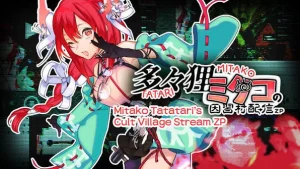
Mitako Tatari’s Cursed Village Stream ZP Switch NSP
Report Link Error
Select the broken download file, then submit the report.
Screenshots
About Game
Mitako Tatari’s Cursed Village Stream ZP Switch NSP is a Nintendo Switch release classified in the Adventure and Visual Novel genres. The available information presents it as a narrative-led title with a deliberately paced focus, rather than a game defined by confirmed action systems or mechanical complexity. Its name signals an unsettling village setting, while its genre tags point toward reading, observation, and gradual scenario development.
What Mitako Tatari’s Cursed Village Stream ZP Is
Listed as both a Nintendo Switch Adventure and a Visual Novel, this release appears aimed at players who value narrative progression and atmosphere. Those classifications are useful, but they should not be treated as a full feature list. They establish the broad shape of the experience without confirming exactly how players move through scenes, interact with the setting, or influence events.
The Visual Novel label suggests an emphasis on text, scenario pacing, and sustained attention to the unfolding material. Adventure, meanwhile, can imply a broader sense of progression around that story framework. Neither genre classification confirms specific mechanics such as exploration, dialogue choices, branching paths, investigation segments, or puzzle solving. The most grounded expectation is a story-centered release that favors patience over constant action.
For players interested in Japanese narrative games, the appeal may lie in the combination of a supernatural-sounding premise and a format suited to close reading. The game supports both English and Japanese, making its listed language options relevant to audiences who prefer either language for a narrative-focused experience.
A Cursed-Village Premise Without Unsupported Plot Claims
The phrase “Cursed Village” gives Mitako Tatari a clear thematic direction: a place marked by unease, mystery, or misfortune. That is enough to establish a broad atmospheric expectation, but not enough to define the story premise in detail. No official plot synopsis is included in the supplied metadata, and there is no verified description of the village itself, its history, its inhabitants, or the events that give the setting its curse.
There is also no confirmed character roster. It would be premature to identify a protagonist, allies, antagonists, or supernatural forces from the title alone. Likewise, the available information does not establish where the story begins, what motivates its central conflict, or how its events develop.
This restraint matters because a title can evoke a strong mood without revealing its narrative structure. The cursed-village theme may be the game’s clearest visible hook, but the provided record does not support claims about horror scenes, specific locations, mysteries, or dramatic outcomes. Players should approach the setting as a stated theme rather than a fully documented story world.
What the Adventure and Visual Novel Genres Suggest
Genre labels can still help frame likely expectations. Visual Novel genre conventions commonly place reading and scenario progression at the center of the experience. Deliberate pacing is often part of that appeal: scenes have room to establish tone, introduce information, and let narrative tension build over time. For an audience drawn to fiction-led games, that can be a strength rather than a limitation.
The Adventure genre label may indicate a sense of movement through the scenario beyond passive reading, but the supplied details do not define how that progression works. It does not confirm point-and-click interaction, map navigation, item use, puzzles, choices, routes, or alternate endings. Those are possible associations players may have with the genres, not verified features of this particular title.
As a result, replay value cannot be assessed from the current information. There is no confirmation of multiple routes, decision points, collectible material, separate modes, or endings that would encourage repeated playthroughs. The safer reading is that narrative progression is central, while the exact shape of that progression remains unspecified.
- Story-led format: The Adventure and Visual Novel classifications support an expectation of reading and scenario-focused pacing.
- Cursed setting: The title establishes a cursed-village theme, though no official story details are provided.
- Two language options: English and Japanese are both listed for the release.
- Current release record: The listed version is 1.0, dated June 24, 2025.
- Limited confirmed systems: Choices, puzzles, routes, multiplayer, and playtime are not documented in the available metadata.
Confirmed Release Details at a Glance
The verified release information gives the game a clear technical identity. Mitako Tatari’s Cursed Village Stream ZP Switch NSP is listed with Nintendo Switch Title ID 0100782027D74000. Its release date is June 24, 2025, and the supplied version number is 1.0.
The listed file size is 514.53 MB. English and Japanese are the confirmed language options. The firmware entry is listed as 18.1.0+ Atmosphere 1.7.1, with a separate custom firmware field showing 18.1.0. These details identify the release record, but they do not expand the known picture of its narrative content or play style.
No separate update information is supplied beyond the listed version, and no additional content is documented. It is therefore best to treat version 1.0 as the complete verified version reference currently available, without assuming further material or later additions.
Preview Images as a Source of Additional Context
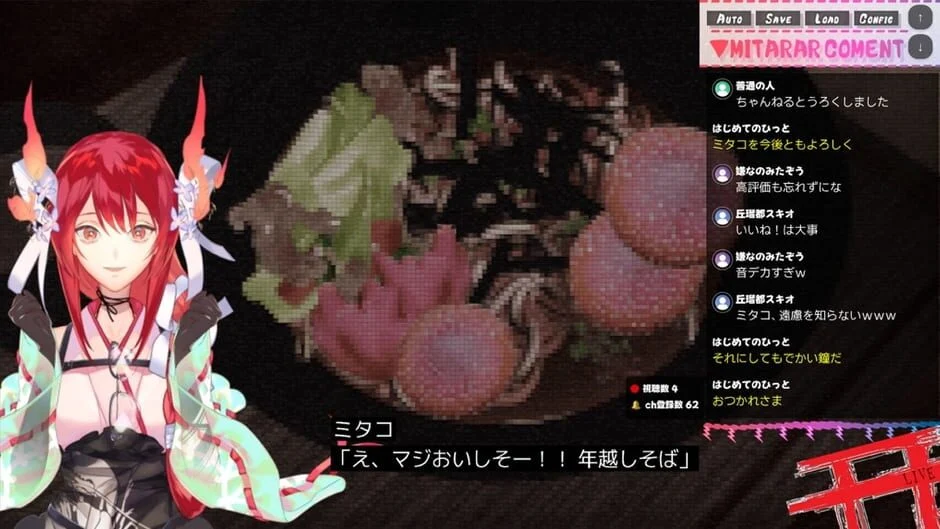
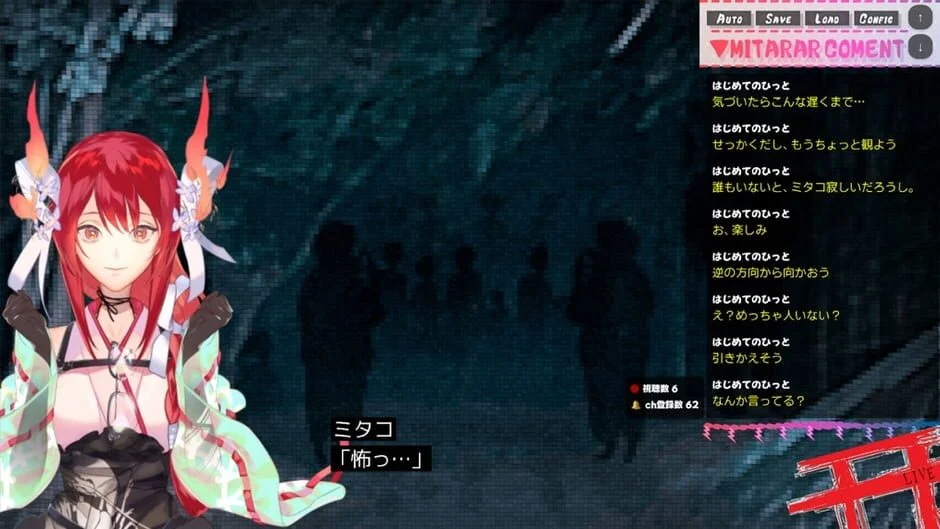
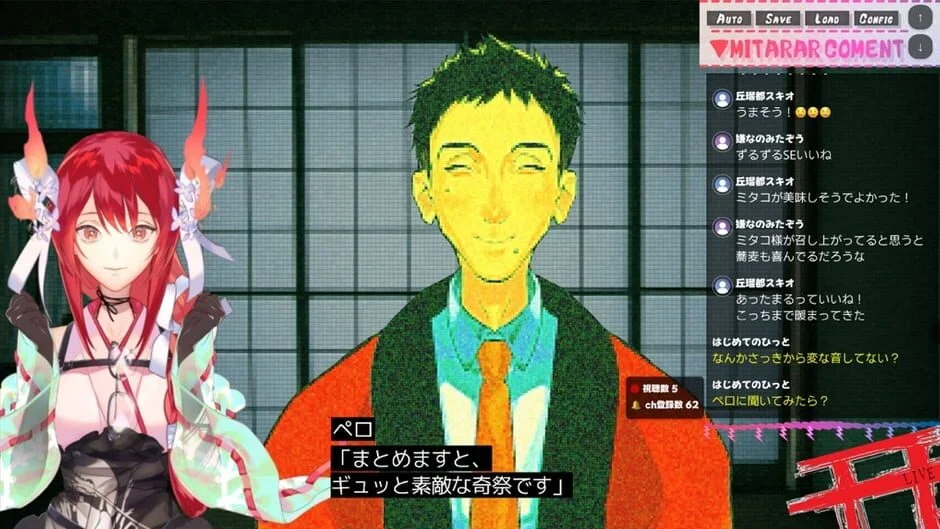
Three preview images are listed as supplementary material. They may offer useful visual context for people trying to assess the game’s presentation, atmosphere, interface style, or general tone. In a title built around a cursed-village theme, visual presentation can be especially important, helping convey how the release frames its setting without requiring unsupported plot interpretation.
Even so, preview images should be read carefully. They can provide an impression of the game’s artistic direction, but they do not confirm the identity of every character, the purpose of a location, or the meaning of a particular scene. A still image can suggest mood; it cannot reliably explain narrative context.
That distinction is particularly relevant for Visual Novel releases, where a scene’s significance may depend on dialogue and prior developments. The available images are best used to judge visual presentation and possible cursed-village atmosphere, not to construct a detailed account of the story.
What the Available Information Does Not Confirm
The supplied Mitako Tatari metadata is concise, and several details remain unconfirmed. There is no verified multiplayer information, control scheme, mode list, or stated playtime. The record also does not identify characters, explain the story’s events, or establish the presence of romance, horror mechanics, mystery-solving, or combat.
More specifically, no choices, routes, puzzles, exploration systems, alternative endings, or replay-focused features are confirmed. These elements may be familiar to some Adventure and Visual Novel players, but genre expectations should not be confused with documented game details.
No DLC or separate update package is described in the available record. The strongest basis for evaluating the release remains its genre classification, bilingual language support, title identity, listed version, release date, file size, and preview images. For players suited to quiet, text-led narrative progression, those details offer a reasonable starting point while leaving the game’s specific story and systems open to discovery.
Recommended Similar Games
 Paperman: Adventure Delivered Switch NSPView Game
 PAW Patrol World Switch NSPView Game
 The Coma 3: Bloodlines Switch NSPView Game
 The Legend of Heroes: Trails of Cold Steel III Switch NSP XCIView Game
 Virche Evermore -ErroR: Salvation- Switch NSPView Game
 TY the Tasmanian Tiger HD: Bush Rescue Bundle Switch NSPView Game
