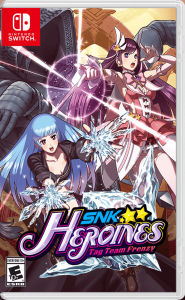
SNK Heroines: Tag Team Frenzy Switch NSP
Report Link Error
Select the broken download file, then submit the report.
Screenshots
About Game
SNK Heroines: Tag Team Frenzy Switch NSP is a Fighting game released on September 7, 2018, for the Nintendo Switch. Developed by SNK Corporation and published by NIS America, the USA-listed release brings together SNK heroines for quick 2v2 matches built around tag switches, energy use, and the decisive Dream Finish.
SNK Heroines: Tag Team Frenzy on Nintendo Switch at a Glance
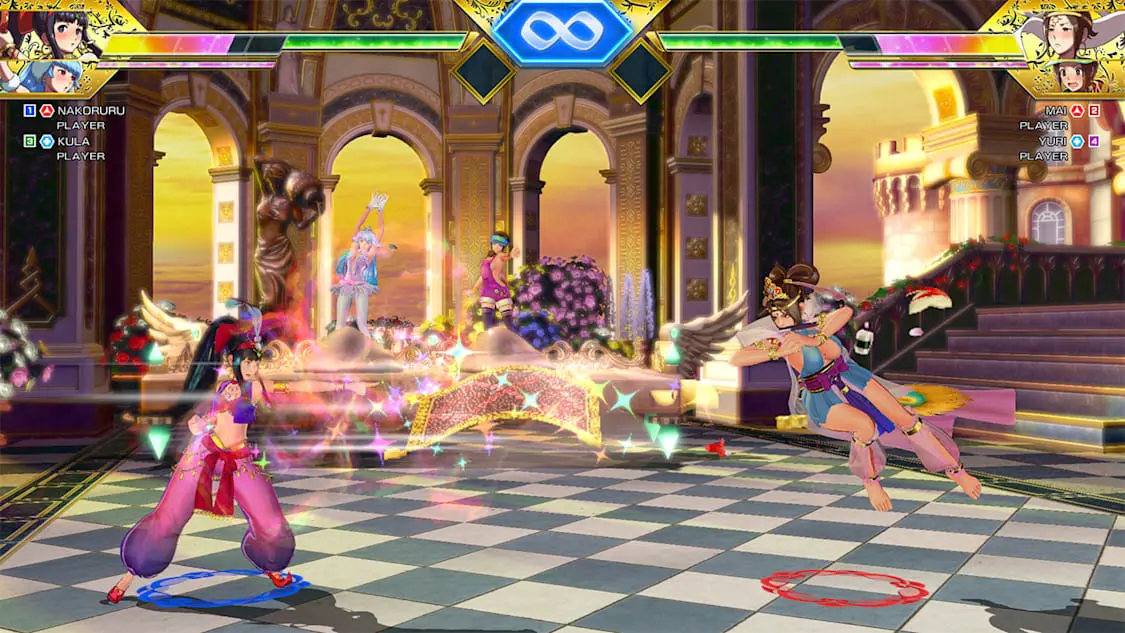
SNK Corporation’s fighting game takes a deliberately different approach from a standard one-on-one bout. Players assemble a pair of heroines, move between them during battle, and work toward a finishing opportunity rather than simply draining an opponent’s health in the usual fashion. The result is a game with a bright, costume-driven presentation and matches that reward a mix of immediate reactions and resource planning.
The September 7, 2018 release arrived under NIS America’s publishing banner, with the supplied regional listing identifying it as a USA release. Its core appeal comes from the way familiar SNK characters are reframed for a compact tag-team format. Switching partners is not merely a visual flourish: it can keep pressure going, open room for longer attacks, or spare a fighter who is in danger.
The game’s presentation also leans into personality. Costumes, accessories, and voice lines can be unlocked and equipped, giving players ways to personalize their chosen fighters. That customization supports the game’s playful tone without changing the central objective: control the pace of a match, build energy, weaken the opposition, and create the opening for a Dream Finish.
A Mysterious Mansion Sets the Tournament in Motion
The SNK Heroines story begins with the fighters waking inside a mysterious mansion. An unknown host has placed them in an unwanted tournament, turning their predicament into a series of battles that must be survived before they can understand what is happening and find a way out.
The person behind the tournament is Kukri, whose role gives the scenario a strange and theatrical edge. The heroines have been separated from their usual equipment and placed in unusual outfits, reinforcing the mansion’s artificial, unsettling setting. The story remains a backdrop for the fights, but it gives the match structure a clear purpose: each character is pushing through the tournament while trying to uncover Kukri’s intentions and escape.
This premise suits the game’s contrast of light presentation and competitive action. The setting is bizarre, the outfits are deliberately playful, and the tournament is imposed by a hostile force. That combination gives the action a distinctive atmosphere without requiring the story to overwhelm the fighting mechanics.
How the 2v2 Tag Battles Work
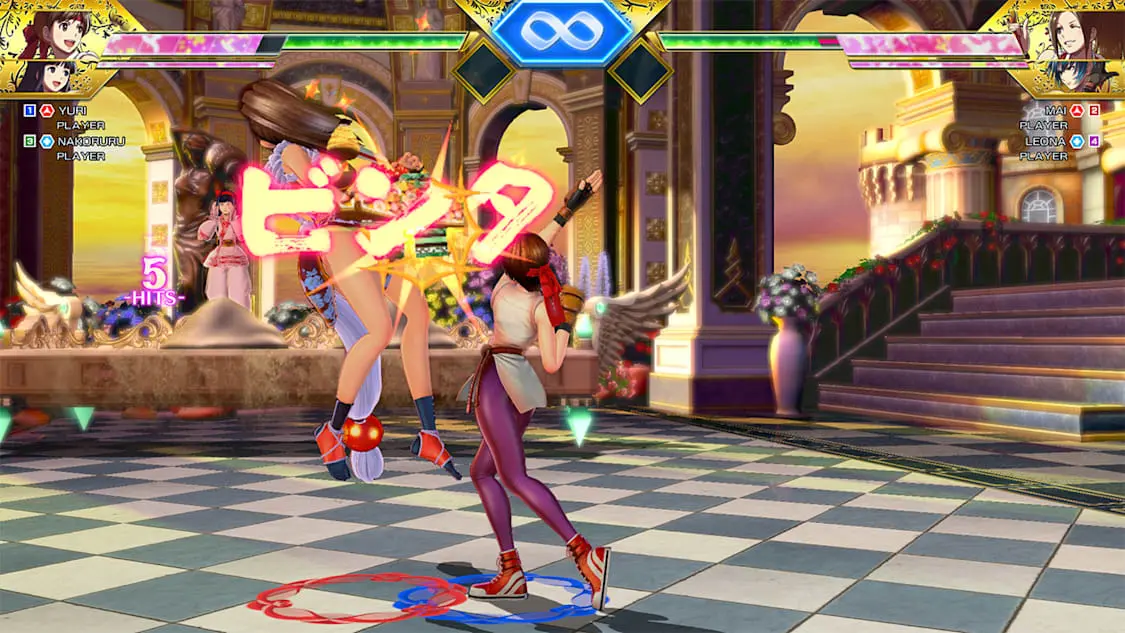
Matches begin with the selection of two heroines. From there, the tag system becomes the center of each round. A player can swap between partners during combat, making the team feel like an active unit rather than a single fighter with a reserve character waiting off-screen.
Tagging has both offensive and defensive value. A switch can help extend a combo or maintain pressure after an opponent has been put on the back foot. It can also protect a weakened teammate by moving her away from immediate danger. Good use of the system means recognizing which purpose matters more in a given moment: continuing an attack, resetting the situation, or keeping a vulnerable fighter from taking further damage.
Items may also appear during matches. These can restore health, improve stats, or apply status effects to an opponent, adding a layer of uncertainty to the fight. Their presence means that positioning and awareness matter beyond direct attacks. A team that is managing its tags carefully still needs to watch for opportunities and threats created by the items on screen.
For players drawn to tag team fighting, the structure creates a useful rhythm. One heroine can start the offense, the other can take over when the moment is right, and the pair can work toward the same finishing goal. The strongest sequences are not simply long combos; they are sequences that leave the opposing team in the right condition for a match-ending move.
Simplified Inputs and Accessible Special Moves
The controls are designed to make special moves more approachable. Rather than demanding lengthy command sequences for these attacks, the game uses a button-and-direction input. That reduces the barrier to using flashy moves and lets newer players get involved with the game’s defining mechanics quickly.
Simplified inputs do not remove the need for judgment. Timing remains important, especially when choosing when to attack, evade, spend energy, or tag out. A special move used at the wrong time can waste a resource or leave an opening, while a well-timed tag can preserve momentum. The accessible control approach shifts attention toward decisions made during the match.
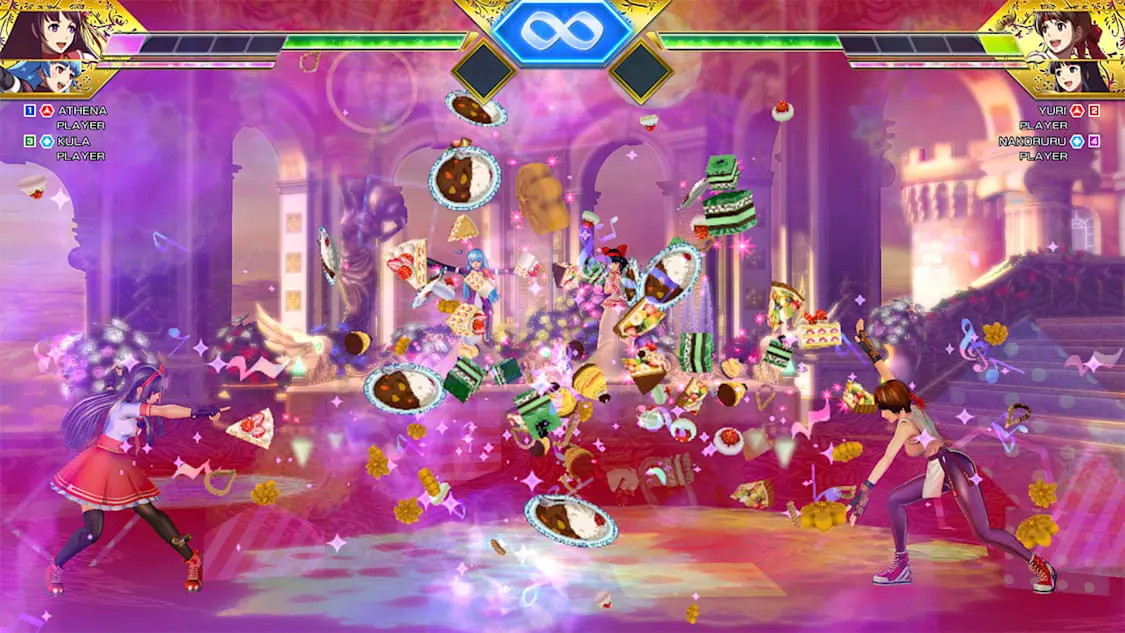
Energy is particularly important because it supports special moves, evasions, and Dream Finish attacks. Players are therefore encouraged to think beyond the next hit. Building and preserving energy can matter as much as landing immediate damage, since the final victory condition depends on being ready when an opponent is weakened.
5 Match Strategies for Building a Strong Tag Team
- Build complementary pairs. Choose two heroines with roles that feel useful together, so one partner can continue the pressure or change the pace when the other has created an opening.
- Protect the weaker fighter. Tag out when a teammate is taking too much pressure. Saving that character can be more valuable than forcing one more risky exchange.
- Extend pressure with switches. Use a tag during an advantageous sequence to keep the opponent reacting. The tag system can turn a brief opening into a longer offensive phase.
- Spend energy with purpose. Energy fuels special moves, evasions, and Dream Finish attacks. Avoid treating it as an unlimited supply, especially as the opponent becomes vulnerable.
- Set up the Dream Finish. Victory comes from landing this powerful finisher when the rival’s health is low. Prepare the opportunity instead of assuming that ordinary damage alone will end the match.
These principles give the game practical depth. A player does not need complex special-move commands to make meaningful choices, but they do need to read the match. Team selection, tag timing, energy management, and the final finish all contribute to the outcome.
Language Support and Technical Profile for the Switch Release
The listed language support includes English, Japanese, French, Portuguese, and Spanish. This gives the release a range of language options while keeping its menus, story presentation, and character-focused tone accessible to players in those supported languages.
The supplied technical profile lists base firmware v9.0.1 and a file size of 11GB. For players looking at the release information for SNK Heroines: Tag Team Frenzy Switch NSP, those details sit alongside its Fighting genre, September 2018 release date, SNK Corporation development, and NIS America publishing credit.
Its strongest audience is likely to be players who enjoy SNK characters, accessible fighting-game controls, and matches where teamwork changes moment by moment. The customization options, tag combinations, item effects, and Dream Finish setups offer reasons to revisit bouts with different pairings and tactics, while the mansion tournament keeps the action framed in a colorful, unusual setting.