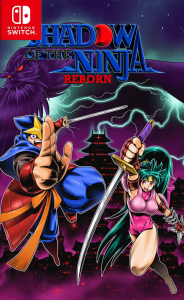
Shadow of the Ninja Reborn Switch NSP
Report Link Error
Select the broken download file, then submit the report.
Screenshots
About Game
Shadow of the Ninja Reborn Switch NSP brings classic ninja action back to Nintendo Switch with a side-scrolling format built around quick reactions, dangerous stages, and a mission against a powerful enemy regime. Its retro arcade foundation remains central, while updated presentation and fluid controls give the remake a more contemporary feel.
A Modern Return for a Classic Ninja Action Remake
Set in a dystopian 2029, the game follows two ninja sent on a secret operation against Emperor Garuda. His military force has placed the world under oppressive control, and the route to his fortress is guarded by cyborg soldiers, enemy ninjas, traps, and hostile environments. The premise gives the action a direct sense of purpose: advance through dangerous territory, survive the defenses, and reach the ruler at the center of the conflict.
This is a side-scrolling action platformer with an intentionally demanding arcade character. Stages ask players to move carefully as well as fight quickly, shifting between attacks, jumps, hazards, and changing enemy pressure. The game’s challenge is not limited to defeating opponents. Progress also depends on reading the stage ahead, responding to threats from more than one direction, and handling precise movement sequences without losing momentum.
The remake’s modern polish is reflected in its fluid controls and detailed stages, but it does not move away from the tension of classic ninja action. It is designed around a brisk pace, where a brief pause can be useful for spotting a trap or studying an enemy, yet hesitation can also leave an opening for incoming attacks. That balance gives the journey through Garuda’s territory a persistent sense of danger.
Hayate and Kaede: Two Ninja Heroes With Distinct Styles
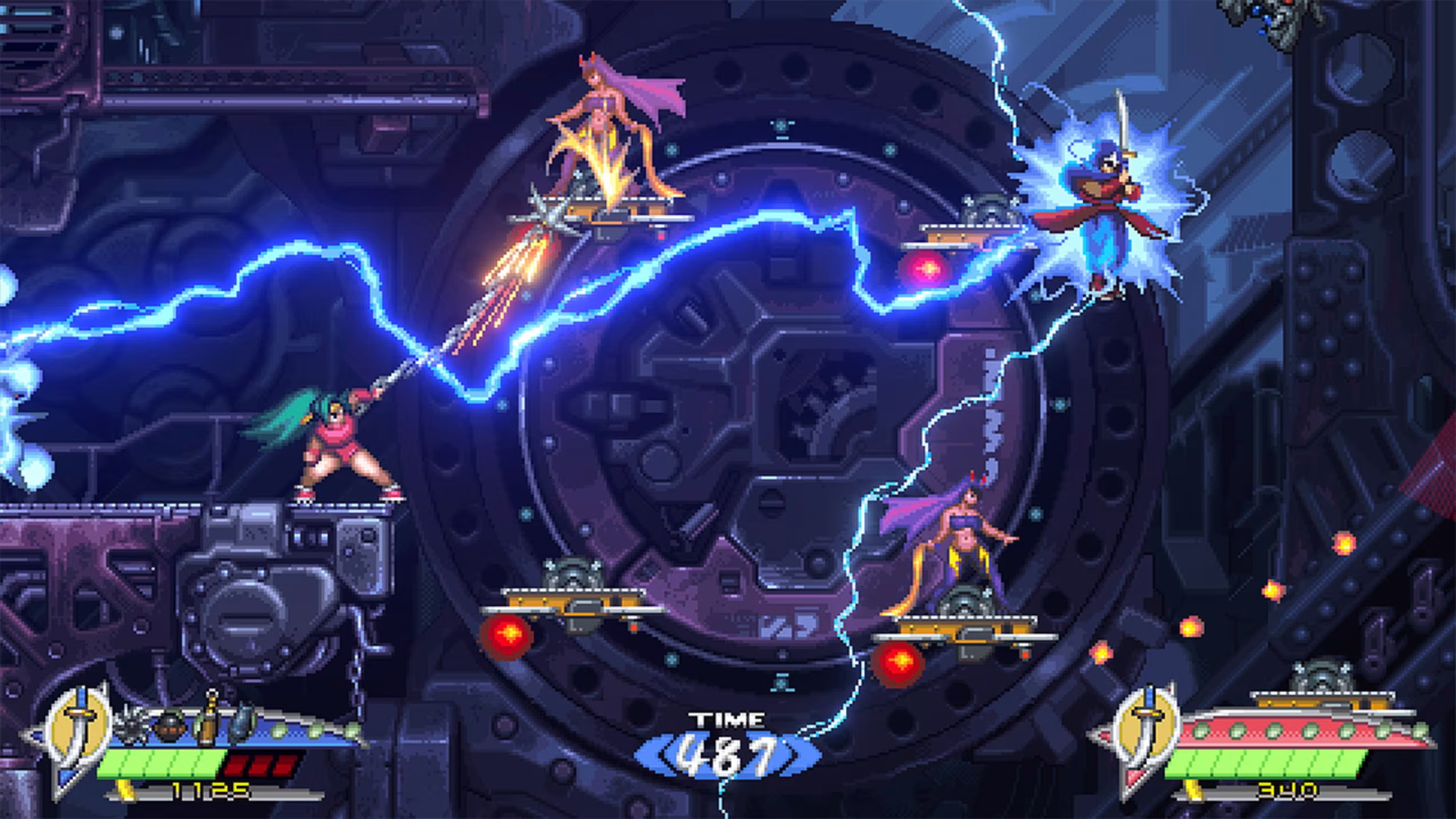
Hayate and Kaede are the two playable ninja heroes, and their presence gives the game more than a simple character choice. Each has distinct weapons and combat styles, encouraging players to explore different approaches to attacks, positioning, and platforming. Their mission is shared, but their individual tools can change the feel of an encounter.
That distinction matters in a game filled with confined routes, enemies at different elevations, and hazards that demand quick decisions. A player may find that one hero’s approach better suits a particular combat situation, while the other feels more natural during a difficult platforming section. The game therefore invites experimentation rather than treating its two protagonists as interchangeable.
The available ninja tools add another layer to those choices. Shurikens, grenades, and powerful magical scrolls can be found throughout the levels, giving Hayate and Kaede options beyond their standard attacks. Using those resources effectively is part of the game’s strategic side. A tool used at the right moment can help manage a threatening group, while saving it for a harder obstacle may be equally valuable.
Side-Scrolling Combat, Traps, and Enemy Encounters
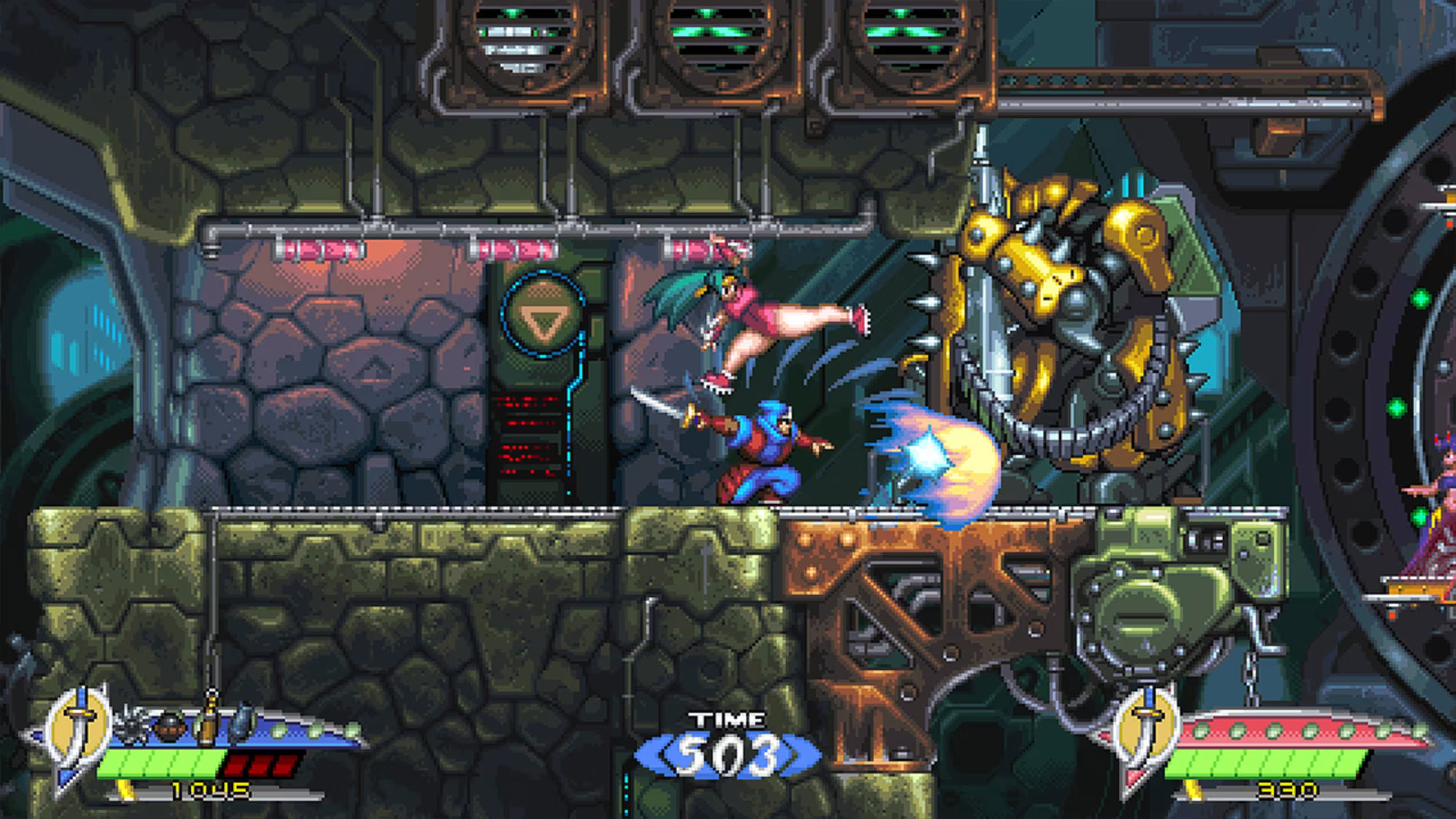
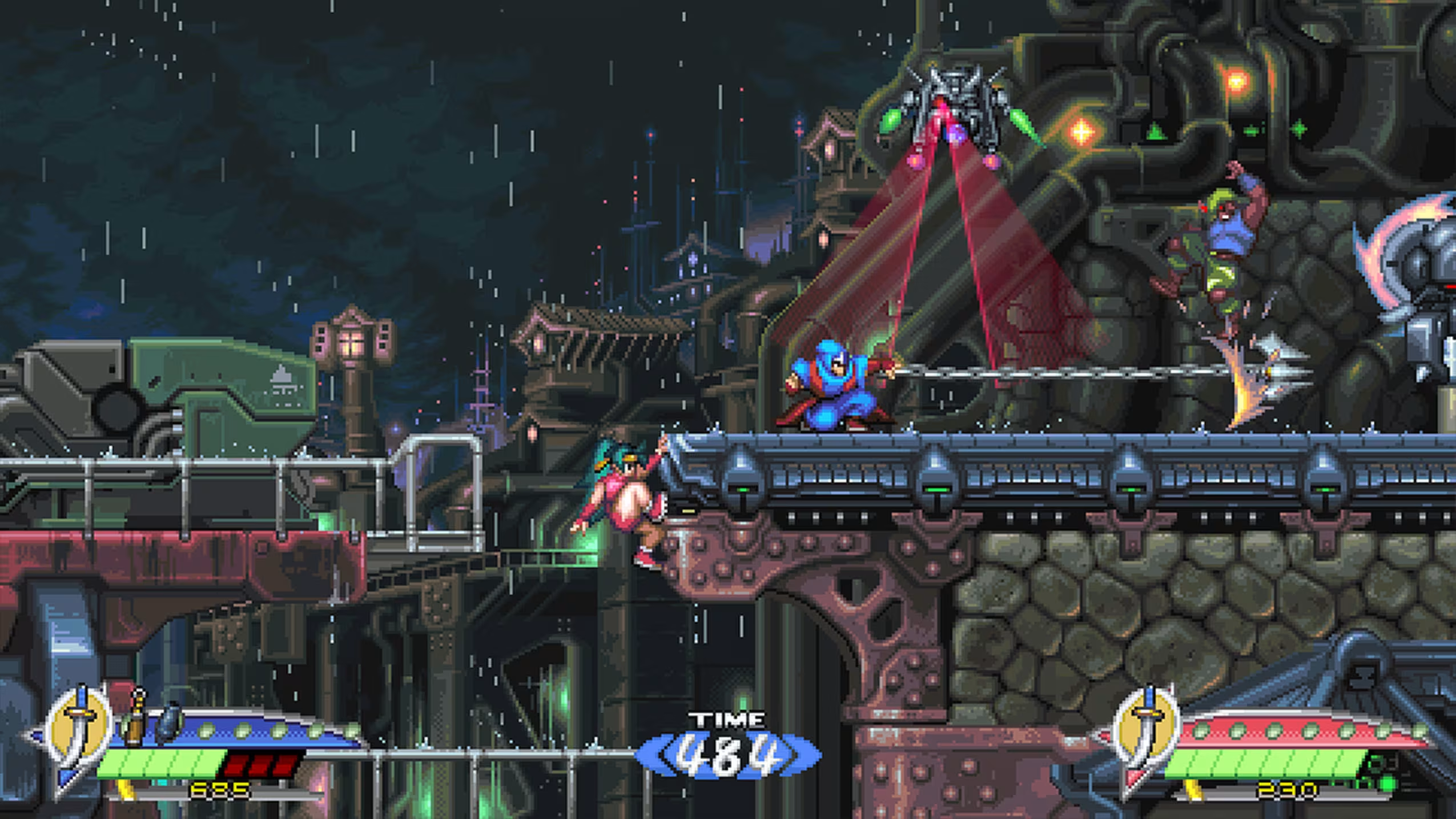
The path toward Garuda’s stronghold is shaped by fast-paced combat and demanding navigation. Robotic enemies and enemy ninjas force players to stay alert, while environmental dangers prevent stages from becoming straightforward combat corridors. The pressure comes from the combination: a player may need to deal with attackers while also preparing for a jump, an obstacle, or a trap positioned along the route.
Stages include secret passages, alternate paths, and valuable power-ups, making close observation worthwhile. These details add texture to progression through the fortress assault. Rather than simply rushing from one confrontation to the next, players can examine their surroundings for hidden opportunities and safer or different routes through the action.
Boss battles provide another demanding point in the journey. They require precise timing, observation, and strategic combat decisions. The same qualities that help during ordinary encounters—recognizing behavior, choosing tools carefully, and keeping movement controlled—become especially important when facing stronger opponents. The result is a structure that rewards learning through repeated attempts and sharper stage awareness.
How Local Co-op Changes the Fortress Assault
Local co-op allows two players to take on Garuda’s forces together. This changes the rhythm of the fortress assault by bringing two-player ninja action to enemy encounters, platforming dangers, and difficult stretches of a stage. One player can focus attention on nearby enemies while the other watches the route ahead, though both still need to avoid hazards and maintain their own positioning.
Cooperative gameplay also makes communication part of the challenge. Calling out an approaching threat, deciding when to use a tool, or moving through a risky sequence with care can help the pair manage the stage’s pressure. The game’s hazards do not disappear in co-op, but the ability to share awareness and work through obstacles together gives the mission a different character.
For players approaching the game with another person nearby, local co-op offers a natural way to experience its arcade-style difficulty. It supports the same tension and stage-based challenge while making each successful push through Garuda’s defenses feel like a joint effort.
7 Practical Approaches for Surviving Dangerous Stages
- Watch every angle. Enemies can appear from unexpected directions, so keep an eye on both the route ahead and the space around the character.
- Study enemy behavior. Robotic foes, enemy ninjas, and bosses are easier to handle when their actions are observed before committing to an attack.
- Use tools with care. Shurikens, grenades, and magical scrolls are useful resources; consider the threat in front of you before using them.
- Look beyond the main route. Secret passages, alternate paths, and power-ups can be hidden within stages, rewarding deliberate exploration.
- Respect environmental traps. Dangerous obstacles can be as important as opponents, so avoid rushing through unfamiliar sections without checking the terrain.
- Learn movement sequences. Intricate platforming demands controlled jumps and careful timing, especially when hazards and enemies overlap.
- Coordinate in co-op. In local co-op, communicate about threats, tools, and movement so both players can handle the stage’s pressure together.
Release Details for the Nintendo Switch Version
The USA Nintendo Switch edition of Shadow of the Ninja Reborn Switch NSP was released on August 30, 2024. It is classified in the Action and Adventure genres and published by ININ Games. The listed Nintendo Switch Title ID is 010072601DB8C000.
Supported language listings include En, Ja, Es, Fr, De, It, Ko, Zh, and Tw. The title requires firmware version 18.1.0, and its listed file size is 1.98 GB. For players drawn to classic side-scrolling action, challenging platforming, distinct ninja combat styles, boss encounters, and local cooperative play, this remake presents a focused return to an arcade-driven ninja adventure.