Sentimental Death Loop Switch NSP

Report Link Error
Select the broken download file, then submit the report.
Screenshots


About Game
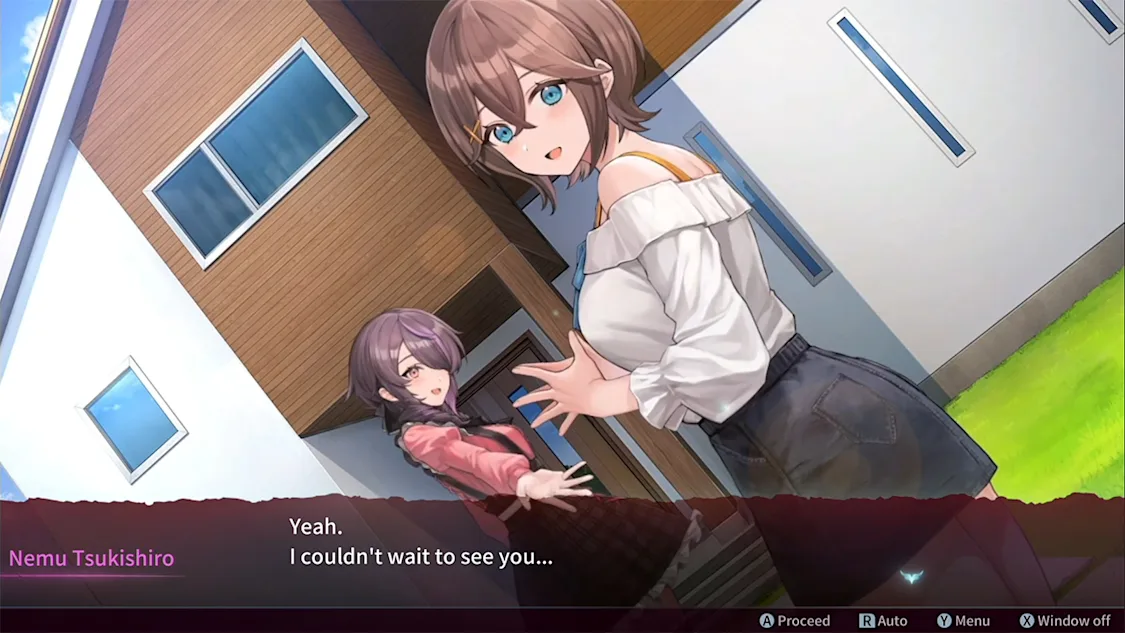
Sentimental Death Loop Switch NSP is an adventure game built around repetition, observation, and emotional uncertainty. Developed and published by qureate, it places its protagonist in a recurring, consequential day shaped by a significant personal event. The way forward is not simply to endure the cycle, but to investigate what happened, understand the weight of past actions, and find a route beyond the loop.
Sentimental Death Loop: A Time-Loop Mystery Built Around Emotion
The central situation is deliberately narrow and pressurized: the protagonist wakes up to the same fateful day again and again. That premise gives the game’s mystery a personal focus. Each repetition presents another opportunity to notice an overlooked conversation, revisit a location at a different moment, or approach a familiar event with new knowledge.
This is a time-loop mystery where information is as important as movement. Characters can hold useful clues, but their memories reset when the day begins anew. The player, meanwhile, is asked to carry the lessons of previous attempts forward. Progress comes from connecting events and dialogue across multiple versions of the same day rather than expecting every answer to appear in a single run.
The story also frames the loop through regret, love, choices, and their consequences. That makes its emotional narrative more than background texture. Understanding why an event matters, and how characters feel about it, appears tied to understanding the larger mystery itself. The repeated day can therefore feel less like a routine puzzle box than a chance to re-evaluate the same relationships under changing circumstances.
Dialogue Choices, Relationships, and Sentimental Consequences
Dialogue choices are a major part of the investigation. Conversations do not merely deliver exposition; they can affect character relationships and influence the direction of the story. Speaking with the same people across separate loops may reveal subtle shifts in behavior, wording, or emotional response, especially when the player tries a different approach.
The game includes an emotional resonance system in which choices affect character sentiments. That system supports the premise well: a decision can matter because it changes how a character responds, not just because it opens a visible route. The useful question is often not only “What clue will this produce?” but also “What does this exchange reveal about this person?”
That emphasis makes patience valuable. A line that seems routine on an early loop may carry greater significance after another event has been seen or a memory fragment has been found. Character relationships are part of the game’s practical progression, but they also give its recurring structure a more intimate atmosphere. The same day is revisited with a growing awareness that even small interactions may have sentimental consequences.
Memory Fragments and the Search for the Full Truth
Memory fragments provide another route into the story mystery. Collecting them helps assemble the larger picture behind the loop and gives context to past actions. Rather than treating the repeated day as a sequence of isolated problems, these fragments encourage players to build a fuller interpretation of what has happened and why the situation remains unresolved.
This structure gives discoveries a dual purpose. A fragment can be useful as evidence, yet it can also deepen the emotional stakes by changing the meaning of a previous scene. Information gathered later may cast an earlier conversation in a different light. In a story concerned with memory, regret, and reset relationships, that gradual recontextualizing is a natural source of momentum.
Memory fragments also help explain why repetition need not mean stagnation. The environments and schedules may be familiar, but the player’s understanding is not. Each new piece of knowledge can make a known route feel different, directing attention toward an NPC, an event timing, or an item that previously seemed unimportant.
Time Management Inside a Recurring Day
Every loop has limits, making time management part of the challenge. Players must decide which conversations, leads, locations, and events deserve attention before the day resets. It is not always possible to pursue every possibility at once, so investigation priorities matter.
This gives the adventure a strategic rhythm. One loop may be devoted to following a particular character’s schedule; another may be better spent exploring an area, testing an alternative dialogue branch, or trying to alter an event through time-manipulation puzzles. Failed attempts are still useful when they reveal timing, behavior, or an unexplored condition.
Careful notes can support that process. Remembering when an event occurs, where someone appears, or which response changed a conversation makes later attempts more deliberate. The game’s loop strategy is therefore based on informed experimentation: observe, make a plan, test it, and use the result to refine the next day.
Exploration, Hidden Items, and Newly Revealed Paths
Non-linear exploration adds another layer to the recurring-day format. Familiar environments can yield hidden items, additional conversations, and newly available paths as the player learns more. Returning to a place is not simply retracing steps; it is an opportunity to look at the same space with a different purpose or at a different time.
Environmental details matter because seemingly minor objects or changes may hide useful information. Inventory items are also worth handling thoughtfully, as items carried through loops can trigger new events. These elements make exploration closely connected to narrative progression: an object, route, or observation can become meaningful when paired with the right timing or conversation.
The game also includes stealth and evasion segments involving antagonists within the loop. Their presence adds tension to an experience otherwise driven by dialogue and investigation, reinforcing the sense that some routes and discoveries may require caution as well as curiosity.
7 Observation-First Strategies for Sentimental Death Loop
- Revisit everyone. Speak to each NPC during multiple loops, including people whose dialogue initially appears unchanged. Repetition can expose small but useful differences.
- Test responses. Try alternative dialogue choices to see how character relationships and emotional resonance shift.
- Track the clock. Note key timings, locations, and event sequences so later loops can focus on a specific lead rather than guesswork.
- Find fragments early. Prioritize memory fragments when possible, since they help assemble the mystery and clarify past actions.
- Watch before acting. Some events are worth observing without intervention. A complete view of what happens can reveal information needed for a later attempt.
- Inspect the ordinary. Search recurring environments carefully for hidden items, details, conversations, and paths that may have been missed.
- Use items with purpose. Consider inventory items in relation to timing and events, as they can trigger new developments across loops.
Released on July 06, 2023, Sentimental Death Loop is suited to players looking for an adventure centered on dialogue, repeated investigation, branching discoveries, and emotional interpretation. Its replay value comes from the design of the loop itself: returning to the same day with better knowledge, different choices, and a stronger sense of what still needs to be understood.