Syberia Trilogy Switch NSP XCI

Report Link Error
Select the broken download file, then submit the report.


Screenshots
About Game
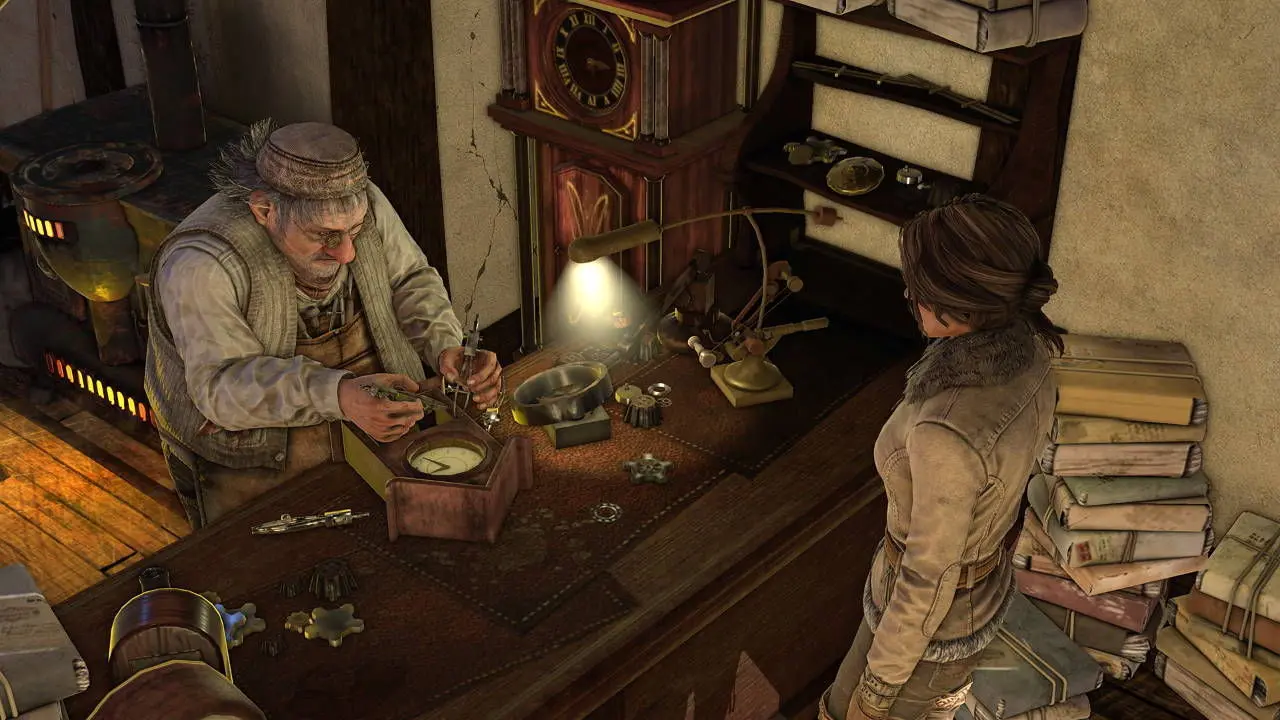
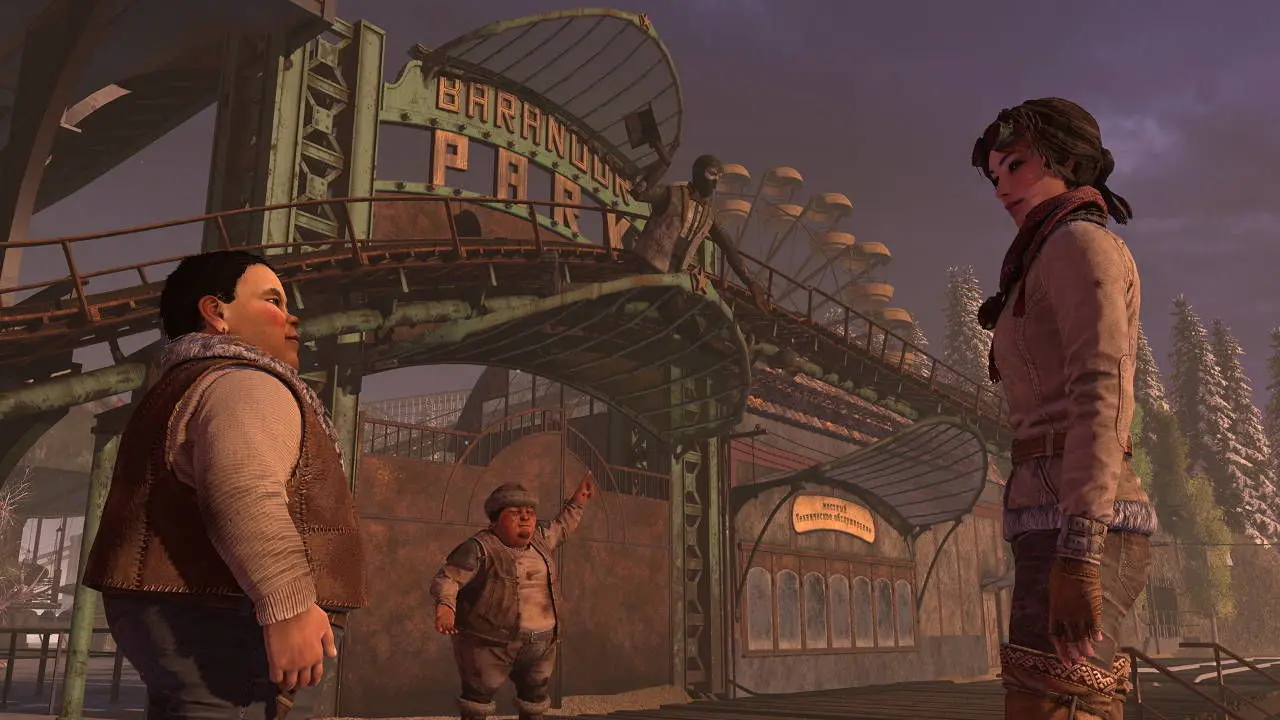
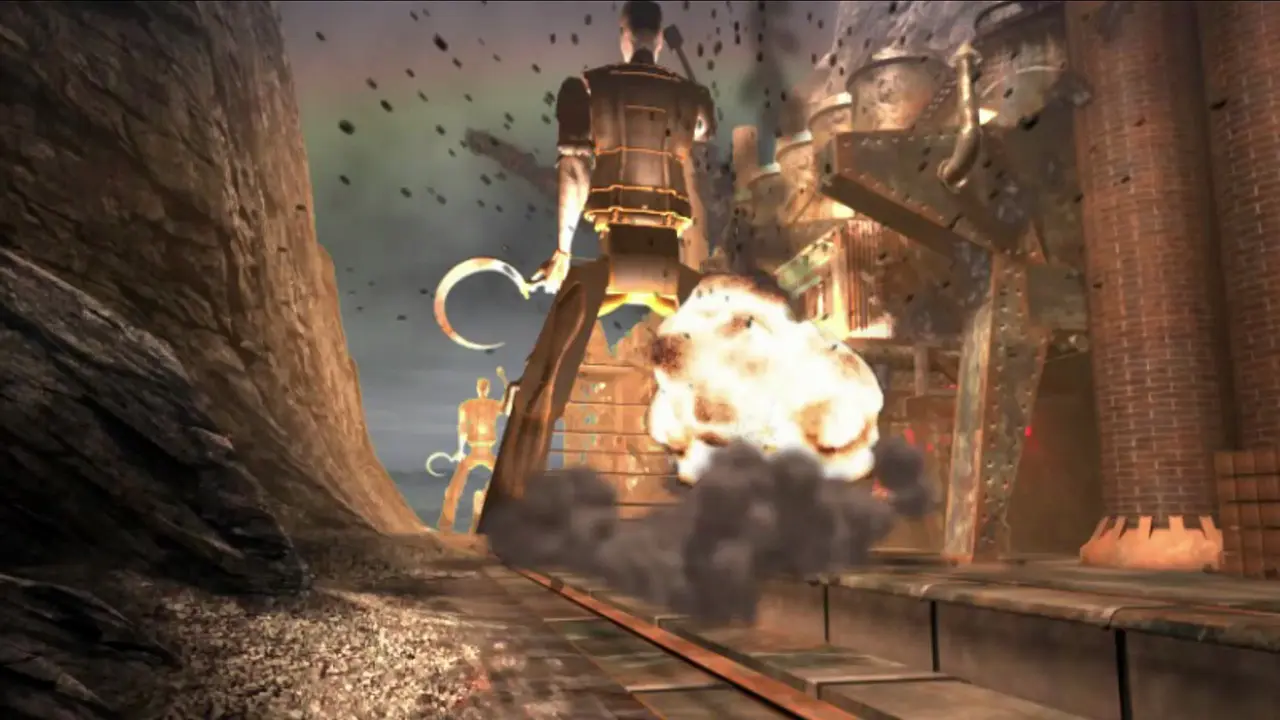
Syberia Trilogy Switch NSP XCI brings together three connected adventure games centered on Kate Walker and her long, changing journey through the Syberia series. Released for Nintendo Switch in 2019, the collection pairs exploration and story-driven puzzle solving with a world of remote settlements, strange machinery, memorable encounters, and a gradually expanding sense of place.
What Syberia Trilogy Includes on Nintendo Switch
The Syberia Trilogy presents Kate Walker’s story across three games, allowing the narrative to develop from its opening assignment into a much larger journey. Kate begins as a young American lawyer sent to complete the takeover of an old automaton factory, but the assignment does not remain a simple business matter for long. Her search becomes tied to Hans Voralberg, an inventor whose work and past shape the route ahead.
As an adventure trilogy, the collection is built around continuity. Each installment moves Kate further from her original purpose while retaining the series’ interest in forgotten places, unusual people, elaborate mechanisms, and questions that are answered slowly through travel and discovery. The three-game structure gives the story room to shift in scale, beginning with a local mystery and extending toward the mythical destination suggested by the series title.
The Nintendo Switch format also suits the games’ measured pace. These are adventures that ask players to look around, listen to conversations, inspect objects, and consider how one clue may relate to another. Progress is usually less about speed than patience and attention.
From Valadilène to the Mythical Land of Syberia
Kate Walker’s route begins in Valadilène, a snowy village connected to the old automaton factory at the center of her initial mission. From there, the story travels eastward through Eastern Europe as she follows the trail of Hans Voralberg. The settings broaden along with the search, turning a professional obligation into a personal journey shaped by discovery and persistence.
The first game establishes the essential direction of this Syberia adventure: Kate encounters remarkable automatons, follows evidence left behind by an elusive inventor, and learns that the world holds possibilities far beyond the practical expectations of her starting point. The journey is not framed simply as a series of destinations. Each stop contributes information, atmosphere, and another piece of the larger mystery.
Syberia II continues the movement toward the legendary land of Syberia, carrying Kate further along the path connected to Hans’s ambition. Syberia III expands the journey again when Kate is taken in by the Youkol tribe and becomes involved in their ancestral migration. Across the trilogy, changing locations provide more than scenery; they define the emotional texture of the story and give its puzzles a sense of local purpose.
Puzzle Design: Items, Clues, and Logical Deductions
The series uses a classic adventure-game approach to interaction. Players explore environments, speak with characters, collect objects, and search for the connections that unlock the next part of the journey. Syberia puzzles are closely tied to the places Kate visits, so a solution often comes from observing a mechanism, recalling a detail from dialogue, or recognizing how a collected item can be used.
Item combination is an important part of the process. An object found in one location may not reveal its use immediately, while another item may need to be paired with it before either becomes useful. The games encourage players to hold onto details instead of assuming that every clue has an instant answer.
Many of the logic puzzles are also narrative-integrated. A mechanical device, a locked route, or a character’s request can lead to a problem that makes sense within the setting. This approach helps the puzzle solving feel connected to Kate’s objective rather than separate from it. When a solution clicks, it often advances both the practical task and the surrounding story.
Memorable Settings, Automatons, and Storytelling Atmosphere
Syberia’s identity is strongly tied to its environments. Snowy villages, distant travel routes, ancient ruins, and other detailed locations create an adventure atmosphere that is both grounded and fantastical. The series takes time to let players absorb these spaces, using exploration and dialogue to reveal their history and mood.
The distinctive Syberia automatons are especially important to that atmosphere. Their presence links the games’ mechanical puzzles with the work of Hans Voralberg and gives the world a recognizable visual and thematic character. These machines are not merely background decoration: they are closely connected to the mysteries Kate is trying to understand.
Unusual characters and cinematic narrative presentation add further texture. Conversations can supply practical clues, but they also introduce personal stories and deepen the sense that every location has its own concerns. The trilogy’s storytelling favors gradual revelation, making its journey suitable for players who enjoy taking time with dialogue, scenery, and the details surrounding a central quest.
5 Practical Ways to Approach Syberia Trilogy’s Puzzles
- Examine every location. Look closely at the environment before moving on. Important objects, mechanisms, and visual details can be part of a later solution.
- Revisit conversations. Dialogue may contain useful adventure game clues, including hints about a character’s needs, an inaccessible area, or the function of a device.
- Track collected items. Keep a clear mental record of what Kate has found. An item that seems unimportant in one setting may become essential elsewhere.
- Study mechanisms. Automatons and other machines often reward careful observation. Consider what is missing, what can be activated, and how separate parts might relate.
- Use story context. Puzzle-solving strategy is often easier when the immediate narrative goal is clear. Ask what Kate is trying to achieve and which person or place is connected to that task.
These habits also support the trilogy’s pacing. Rather than treating a difficult puzzle as a barrier to rush through, players can use it as an invitation to revisit the setting, reassess their inventory, and reconnect the current challenge to the story. That method can make the games particularly rewarding for attentive adventure players, including those returning to see how earlier scenes fit into the full arc.
Syberia Trilogy Switch Technical Details
Syberia Trilogy Switch NSP XCI is associated with Nintendo Switch Title ID 0100CBE004E6C000. The collection was released on November 8, 2019, and is listed in the Adventure and Puzzle Game genres.
Microids is credited as both publisher and developer. The release is Region Free and supports English and Japanese. Its listed file size is 9.7GB, and the ROM type is listed as .NSP.