SaGa Frontier 2 Remastered Switch NSP
Report Link Error
Select the broken download file, then submit the report.
Screenshots
About Game
SaGa Frontier 2 Remastered Switch NSP arrives as a 2025 RPG from Square Enix with a structure that resists a simple, linear journey. Its world is shaped through two connected sagas: the political rise of Gustave XIII, known as the “Failure,” and William Knights’ later search for answers surrounding his family, ancient secrets, and Anima. Their stories unfold across generations, giving the adventure a broad historical perspective while keeping its focus on choices, changing circumstances, and thoughtful tactical play.
How the Branching Scenario Structure Shapes the Adventure
The branching scenario system gives SaGa Frontier 2 Remastered a distinctly non-linear RPG story. Rather than presenting every event as one uninterrupted route, the game allows progress and decisions to influence which quests become available and how the larger narrative path develops. That structure suits its two-saga premise. Gustave’s struggles with exile, war, ambition, and power sit alongside William’s more personal investigation into loss and the forces behind Anima.
The result is an adventure that feels built around history in motion. Individual actions matter not only for the immediate objective, but also for the sense of where each storyline is heading. The separation between the protagonists’ lives creates room for the world’s relationships and political shifts to gain weight over time. Players looking for a tightly controlled sequence of events may need to adjust, but those who enjoy tracing consequences through a changing world have reason to pay close attention.
That flexibility also supports replay value. Available quests and narrative routes can vary according to progress, encouraging a second look at scenarios that may have unfolded differently before. The appeal is less about chasing a single definitive path than appreciating how separate choices and story threads contribute to the wider picture.
Strategic Turn-Based Battles: Positioning, Weapons, and Elements
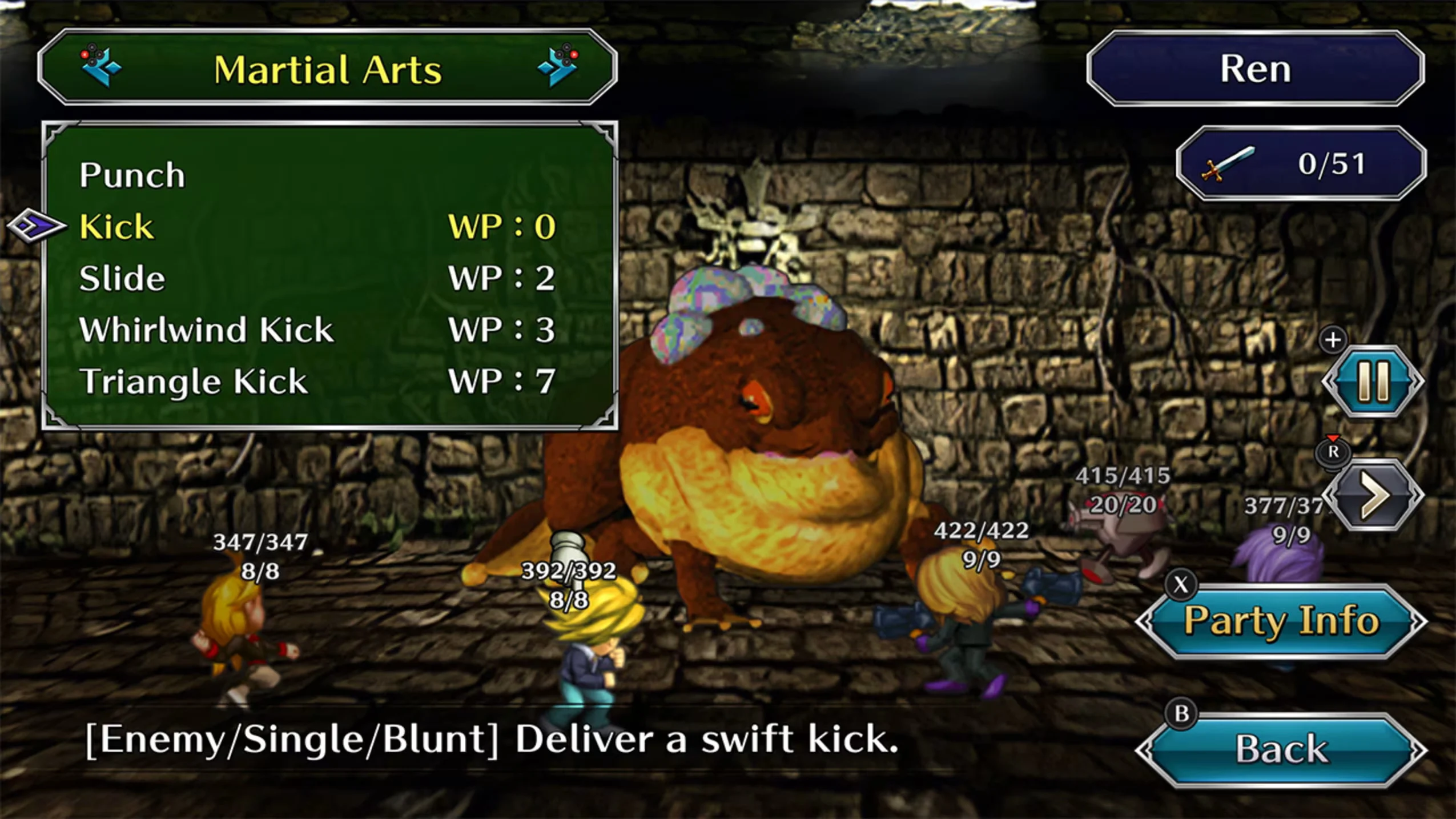
Combat asks for more than selecting the strongest available command. SaGa Frontier 2 Remastered combat is turn-based, but its strategic demands come from unit placement, weapon selection, and attention to elemental weaknesses. Each encounter can require a revised plan, especially when a familiar approach no longer suits the enemy or party arrangement.
Positioning matters because the placement of units is part of battle planning rather than a decorative detail. Weapon choice is equally important, as different weapon types bring their own skills and can change what a character contributes to the group. Elemental considerations add another layer: identifying and responding to elemental weaknesses can be the difference between a costly exchange and an efficient victory.
This makes difficult fights feel like puzzles with several moving parts. A useful plan can involve reconsidering who is placed where, changing equipment or abilities, and choosing attacks with the opponent’s elemental nature in mind. The game rewards adaptation over habit, giving its turn-based strategy a deliberate, sometimes demanding rhythm.
Skill Panels and Sparking: Character Growth Without Traditional Experience Points
SaGa Frontier 2 Remastered progression does not rely on standard experience-point leveling. Characters instead develop through a skill panel system, creating a form of growth tied to how a party is being shaped rather than a familiar cycle of gaining levels after battles.
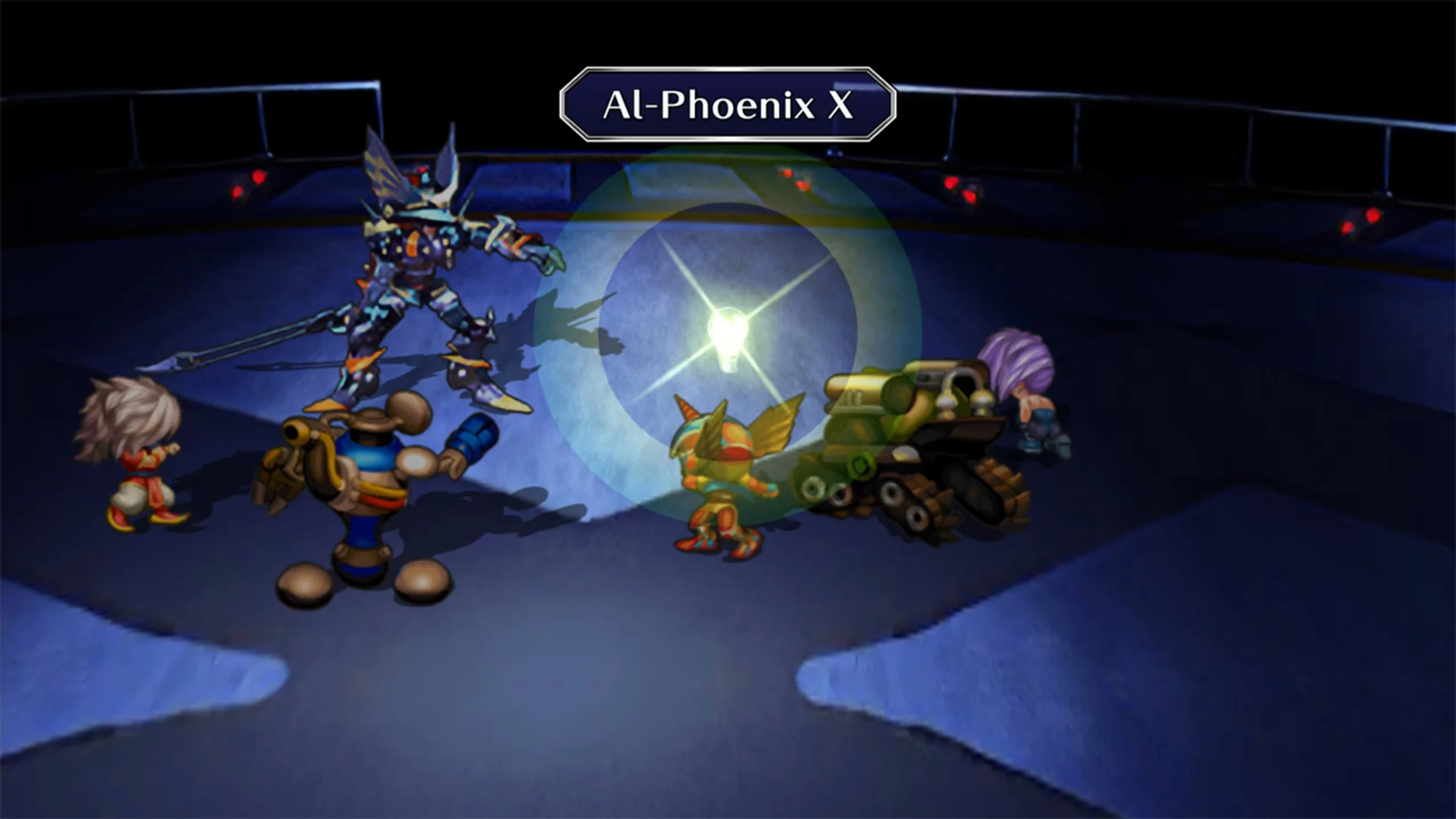
The other major element is sparking. During combat, characters can spark new techniques and spells. That possibility gives battles an unpredictable but rewarding edge: a hard encounter may not just test the current party setup, but also reveal a new option that changes future decisions. The system encourages experimentation because fighting with different weapons and magical arts can help expand the group’s capabilities.
This approach makes development feel active. Instead of treating every battle as a step toward a numerical level threshold, players are invited to consider which tools they are using and what new techniques might emerge. It is a progression model suited to people who enjoy learning systems through play, testing combinations, and revising a party’s role distribution as new abilities appear.
Weapon Types and Anima Magic as Tools for Party Building
Weapon mastery and Anima magic form the core of flexible party building. Different weapon types have distinct skills, so relying on a single preferred option can limit the range of responses available in battle. Trying new equipment is not merely an optional diversion; it is part of finding techniques and building a group prepared for varied challenges.
Anima magic broadens that toolkit further. William’s story is closely connected to the mysteries of Anima, while the battle system gives magical arts a practical role in party strategy. A group with varied weapon skills and access to magical options is better positioned to react when placement, enemy traits, or elemental weaknesses demand a change of direction.
For SaGa Frontier 2 Remastered Switch NSP, that flexibility is one of the clearest reasons to avoid locking characters into narrow roles too early. A party can become more capable not through a single prescribed build, but by discovering which combinations of weapons, techniques, and Anima arts serve the current challenge.
5 Practical Combat Priorities for New Players
- Try more than one weapon. Different weapon types offer unique skills, and experimentation can help characters spark new techniques during battle.
- Build a balanced party. Consider what each character contributes and avoid relying on one repeated approach for every encounter.
- Plan unit placement. Positioning is a central tactical factor, so adjust formations when a battle is not going well.
- Watch elemental weaknesses. Elemental considerations can shape the best attack choices and help turn a difficult fight in the party’s favor.
- Use new abilities quickly. When a character sparks a technique or spell, reassess the plan. A newly gained tool may open a better route through later encounters.
The Remaster’s Watercolor Presentation and Enhanced Soundtrack
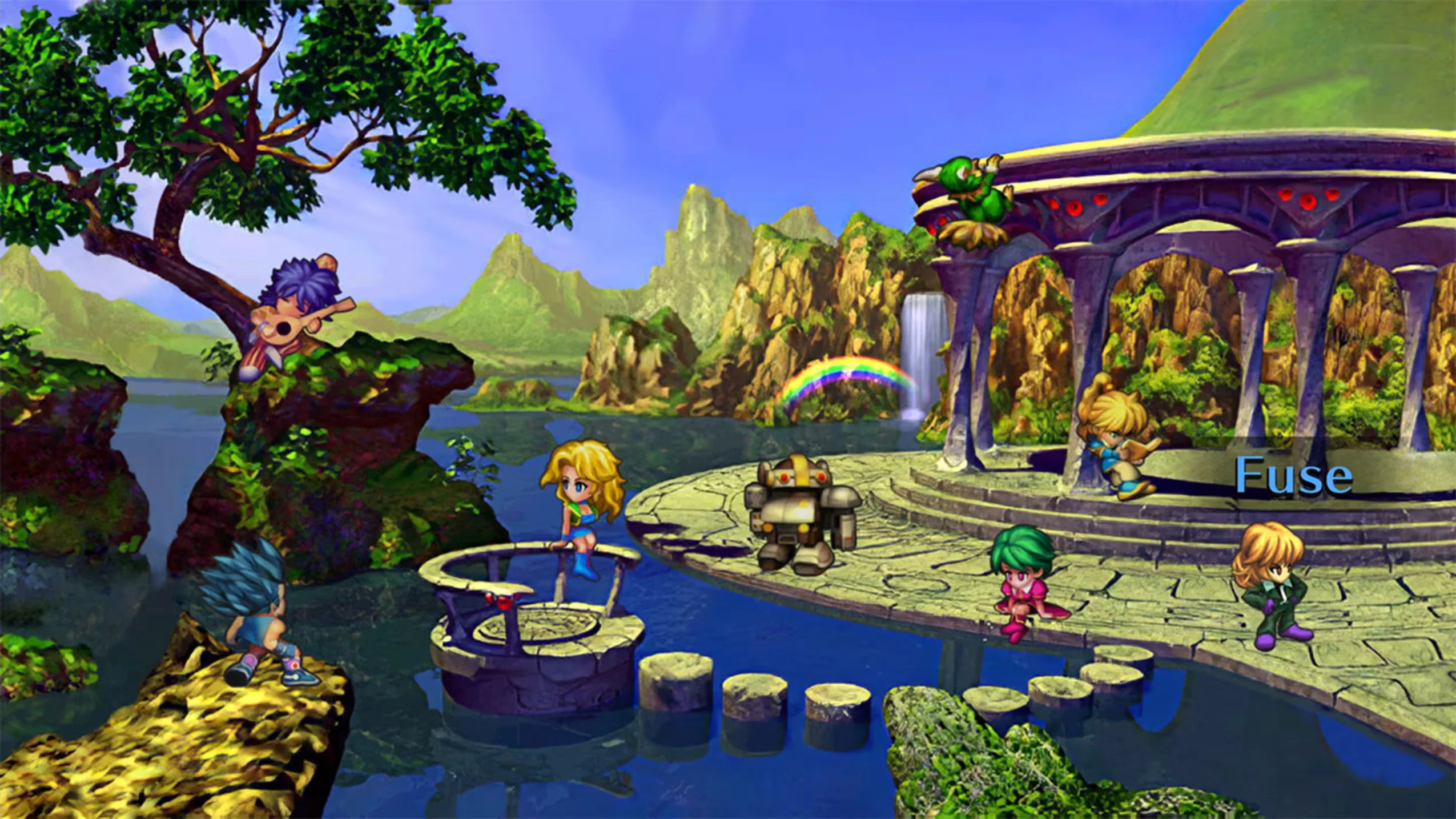
The remaster updates the game’s graphics while preserving the hand-painted watercolor art style that defines its visual identity. That retained look is especially fitting for a story that moves through generations, conflict, personal loss, and hidden magical history. Exploration takes place in a world designed to invite attention to its characters, pathways, and encounters rather than simply pushing players from one battle to the next.
The soundtrack has also been enhanced, complementing a presentation built around atmosphere as much as mechanics. The visual and audio updates do not replace the original character of the game; they support it. For players drawn to unusual RPG progression, tactical battles that reward planning, and a narrative route with room for choice, this remaster offers a focused blend of strategy and story across its English and Japanese language options.
Recommended Similar Games
 TRIANGLE STRATEGY Switch NSP XCIView Game
 DOKAPON! Sword of Fury Switch NSPView Game
 DRAGON QUEST VII Reimagined Switch NSPView Game
 Kingdom Hearts -HD 1.5+2.5 ReMIX- Switch NSPView Game
 The Legend of Heroes: Trails beyond the Horizon Switch NSP XCIView Game
 Kingdom’s Return: Time-Eating Fruit and the Ancient Monster Switch NSPView Game
