POGO Stadium Switch NSP
Report Link Error
Select the broken download file, then submit the report.
Screenshots
About Game
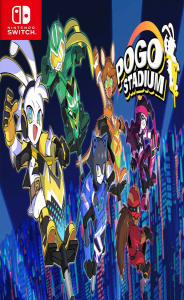
POGO Stadium Switch NSP frames competitive pogo sport as a high-energy contest of timing, positioning, and nerve. Set in a near-future world where extreme pogo competition has become a global phenomenon, the game sends players into stadium arenas built around quick movement, shifting objectives, interactive elements, and the constant possibility of a well-timed comeback.
The Rookie’s Road to the POGO Stadium Championship
The POGO Stadium story follows a rookie contender entering the Skybound Grand Prix with hopes of earning a place among the sport’s best. The journey is not simply about reaching the next match. The player trains under an experienced, somewhat eccentric pogo veteran, learning techniques needed to contend with increasingly capable opponents.
Those rivals are presented as more than interchangeable hurdles. Each has a distinct pogo style and backstory, giving the single-player campaign a rivalry-driven structure as the rookie works toward the legendary POGO Stadium championship. The prize is substantial within the game’s premise: victory brings glory and reveals ancient pogo secrets said to have the power to change the sport.
This setup gives the campaign a clear sense of progression. Training, mastering movement, and confronting rivals all point toward a final competitive goal. Themes of perseverance, friendship, and intense rivalry support the climb, while the future-sport setting gives the action a bright, energetic atmosphere rather than a traditional combat-sports tone.
Arcade Action Meets Precision Platforming
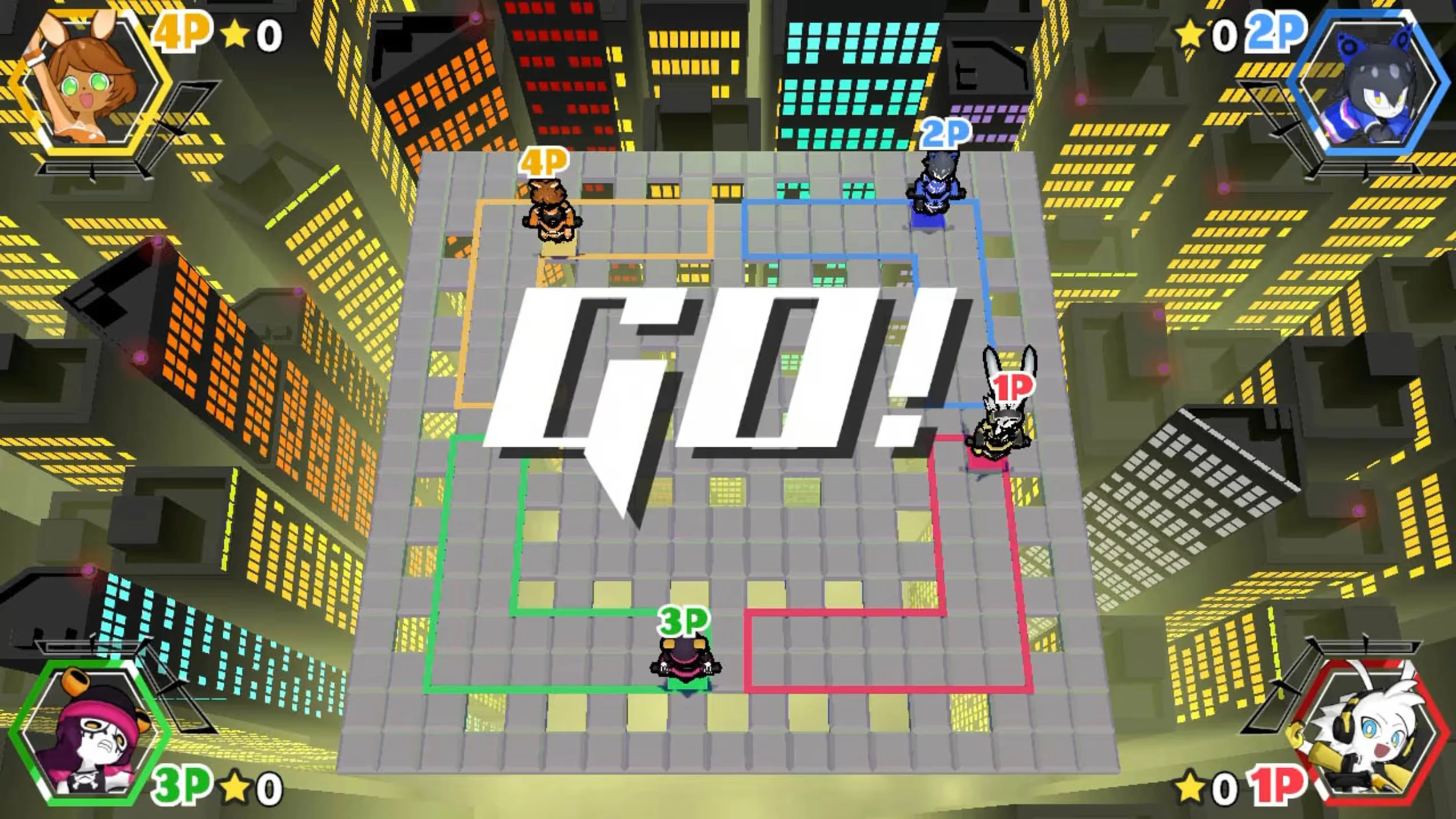
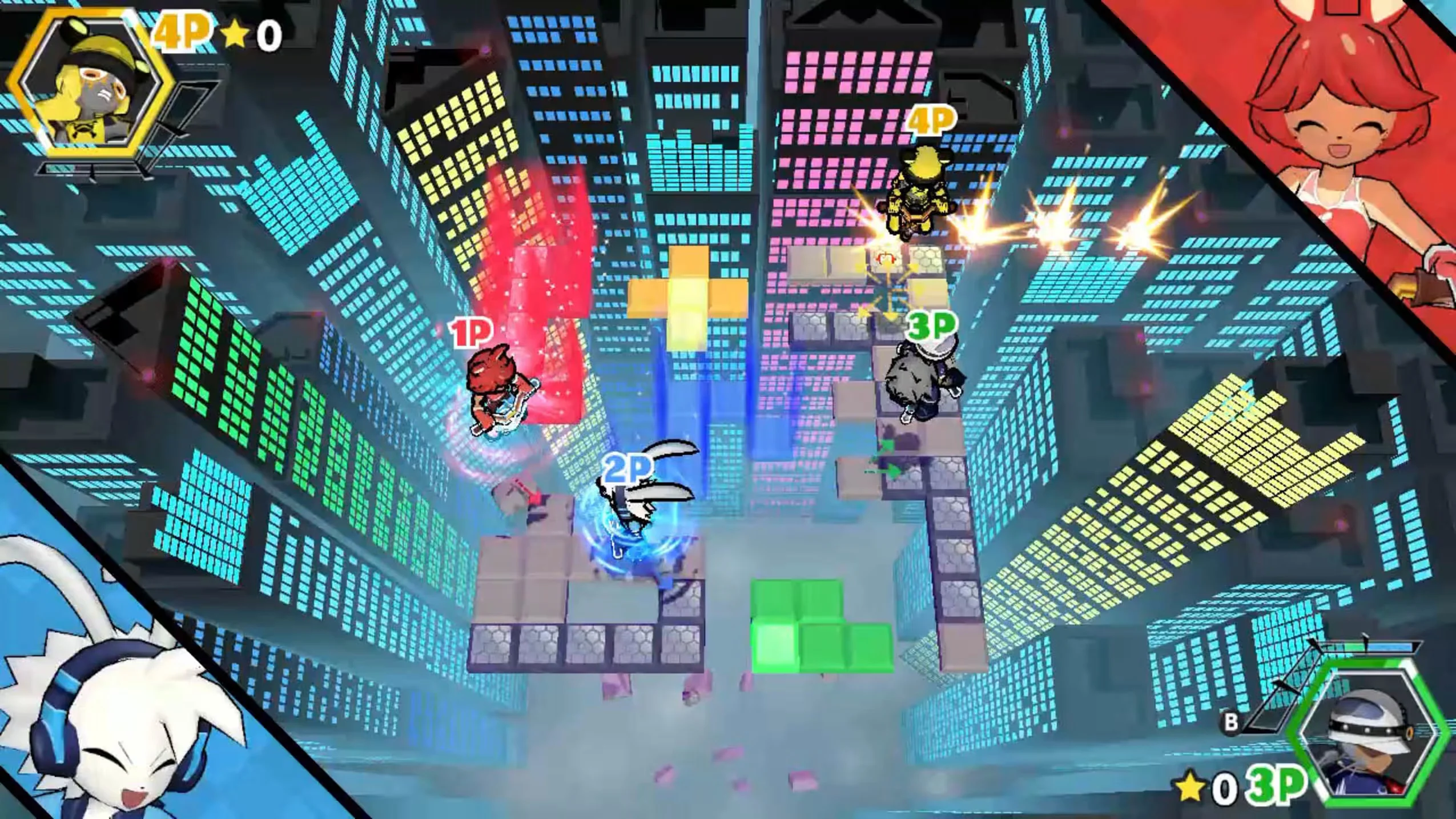
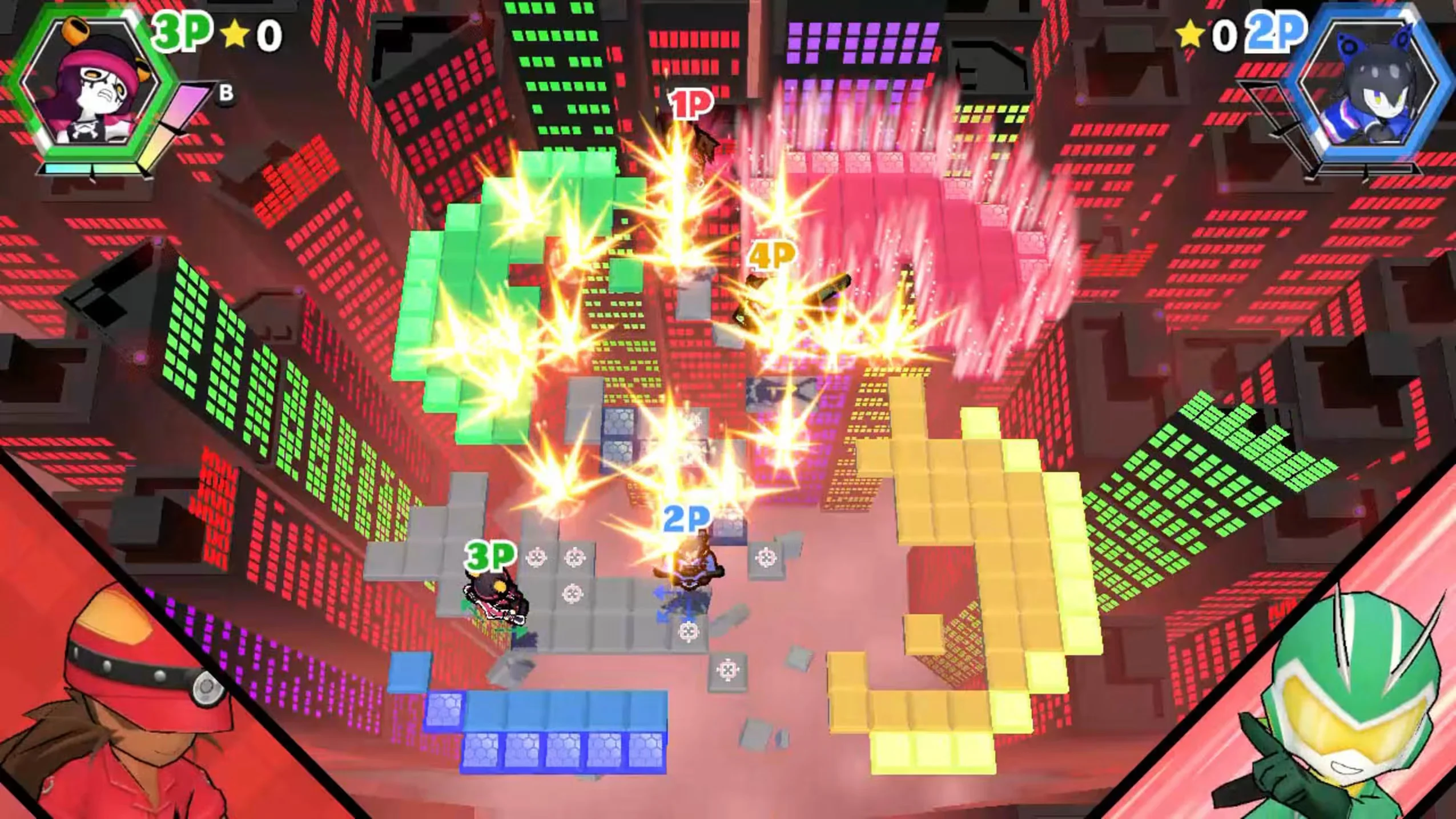
POGO Stadium gameplay combines arcade action with precision platforming and strategic competitive play. Matches take place in intricate stadiums that feature dynamic obstacles, bounce pads, power-ups, and interactive environmental elements. Success depends on more than reacting quickly; players need to understand how the arena can help or hinder their route to an objective.
The platforming emphasis comes through in the need for controlled jumps and accurate bouncing. A mistimed landing can cost momentum, while a clean sequence of movement can create an opening to score, reach a zone, or pressure an opponent. The arcade action element keeps that movement immediate and readable, while the competitive layer asks players to make decisions around positioning and arena control.
Characters bring further variety through individual pogo styles, special pogo sticks, and unique abilities. Those differences can affect how a match develops, particularly when a special move changes the balance of an encounter. The result is a game built for players who enjoy fast motion but also want their choices—route selection, ability use, and environmental awareness—to matter.
Core Movement: Bounce, Dash, Ground Pound, and Go Airborne
The movement toolkit is central to the game’s identity. Players can jump, dash, ground pound, and perform aerial maneuvers while navigating stadium layouts and competing for objectives. These actions are presented as intuitive to begin using, but they gain depth when combined with the game’s platforming challenges and competitive pressure.
A bounce is not merely a way to stay in motion. It can be the start of a route across a difficult part of the arena, a setup for a power-up, or a way to avoid an opponent. Dashes add urgency and directional control, while a ground pound offers another option for responding to the space beneath the player. Aerial maneuvers extend the possibilities further, supporting stunts, repositioning, and active encounters above the arena floor.
For players learning POGO Stadium controls, the important point is that movement has a purpose beyond spectacle. The most effective actions are those that move a player toward a goal, deny space to an opponent, or create a safer path through hazards. That practical use of mobility gives the arenas their competitive rhythm.
Competitive Objectives Beyond Simple Point Scoring
Matches are not limited to a single scoring format. POGO Stadium supports objectives involving points, zone capture, and opponent elimination, giving its competitive action several different priorities. A point race can reward efficient movement and quick scoring opportunities, while zone-based play makes location and control more important.
Capture-the-flag battles introduce another strategic focus, asking players to handle offense, defense, and travel through the arena. In these modes, the fastest route is not always the safest one, especially when hazards, opponents, and interactive stadium features can interrupt a run.
This range of POGO Stadium game modes also helps the character roster feel more meaningful. A player may prefer speed-oriented options for a point race, or favor a different approach when a match calls for power, disruption, or careful control of a contested area. Local multiplayer supports competition with friends, while the single-player campaign provides an AI challenge for players working through the rookie’s path to the championship.
5 Practical Ways to Improve Your POGO Stadium Matches
- Move with intent. Avoid bouncing without a plan. Use every jump, dash, and ground pound to reach an objective, gain space, escape pressure, or set up a better angle.
- Time abilities carefully. Special moves can change a match, but their value depends on the moment. Practice using them when they can influence an objective or disrupt an opponent’s momentum.
- Track power-up locations. Power-ups can provide an advantage, so remain aware of where they appear and consider when pursuing one is worth leaving your current position.
- Respect hazards and layouts. Stadium knowledge matters. Learn the placement of obstacles, bounce pads, and environmental hazards so they become tools rather than surprises.
- Test different characters. The roster includes different pogo styles and abilities. Trying several options can reveal a character better suited to a preferred balance of speed, power, or movement.
These habits apply across competitive gameplay, from fast point races to more deliberate capture the flag battles. They also give the campaign a useful practice ground: a difficult rival or arena can encourage a player to refine movement rather than simply repeat the same approach.
Nintendo Switch Release Details for POGO Stadium
Title: POGO Stadium Switch NSP
Title ID: 010009C024F3E000
Release date: September 4, 2025
Genre: Action
Publisher: Ruff
Region: USA
Languages: English, Japanese
Firmware: 20.3.0.0
File size: 874 MB
As a Nintendo Switch action game from Ruff, POGO Stadium is aimed at players drawn to lively arcade competition, precise platforming, and arena-based objectives. Its mix of campaign progression, AI competition, local multiplayer, varied match goals, and character experimentation gives players several reasons to keep returning to the stadium.