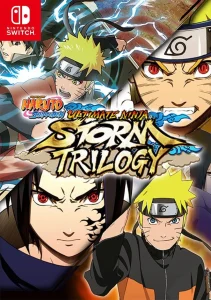
NARUTO SHIPPUDEN: Ultimate Ninja Storm Trilogy Switch NSP
Report Link Error
Select the broken download file, then submit the report.
Screenshots
About Game
NARUTO SHIPPUDEN: Ultimate Ninja Storm Trilogy Switch NSP gathers three major entries from Bandai Namco’s anime fighting series on Nintendo Switch. Released in the USA on April 26, 2018, the collection follows Naruto’s journey from the formative days of Team 7 into the opening stages of a conflict that draws in the wider ninja world. Its appeal is not just the scale of that story: the trilogy also provides a connected run of fast, dramatic arena battles shaped by recognizable characters and Jutsu.
What the Ultimate Ninja Storm Trilogy Includes on Nintendo Switch
This three-game collection contains NARUTO: Ultimate Ninja Storm, NARUTO SHIPPUDEN: Ultimate Ninja Storm 2, and NARUTO SHIPPUDEN: Ultimate Ninja Storm 3 Full Burst. Together, the games move through distinct periods of Naruto’s story while retaining a shared action-fighting identity.
The first game establishes Naruto’s early world and the relationships that define Team 7. The second shifts into the Shippuden era, where familiar rivalries carry greater consequences and the threat of the Akatsuki becomes central. The third entry reaches the preparations for, and beginning of, the Fourth Great Ninja War, bringing large-scale conflict and major revelations into view.
That structure gives the collection a clear sense of progression. Rather than presenting three unrelated fighting games, it offers a sequence in which the characters, conflicts, and combat systems develop alongside one another. For players interested in revisiting these story arcs through interactive battles, the Nintendo Switch package keeps the focus on the series’ most pivotal confrontations.
Ultimate Ninja Storm: The Foundations of Team 7 and Sasuke’s Defection
NARUTO: Ultimate Ninja Storm begins with Naruto’s earlier adventures in the Hidden Leaf Village. The Chunin Exams provide an important early test, while encounters with Orochimaru introduce a more dangerous dimension to the story. These events frame Naruto’s growth without losing sight of the friendships and rivalries around him.
Team 7 sits at the heart of this chapter. Naruto, Sasuke, and their allies are still discovering what their bonds mean under pressure, and the emotional force of Sasuke’s defection becomes one of the game’s defining threads. His decision changes the direction of the group and gives Naruto’s determination a sharper purpose.
Naruto’s training with Jiraiya also helps set up the broader path ahead. The first game is therefore more than an opening act: it establishes the personal stakes that continue through later installments. Its story material provides the foundation for the rivalry, loyalty, and loss that make the trilogy’s larger battles matter.
Ultimate Ninja Storm 2 and the Rising Shippuden Stakes
Ultimate Ninja Storm 2 moves into the Shippuden era with Naruto returning stronger and more focused. The tone becomes heavier as the Akatsuki pursuit intensifies, Sasuke follows an increasingly dark path, and conflicts begin to affect far more than a single team or village.
The confrontation with Pain is a central point in this escalation. It places Naruto against a threat with enormous consequences and gives the narrative room to explore his resolve in a more demanding setting. Jiraiya’s final battle adds further emotional weight, while Naruto’s quest for sage mode reflects the training and sacrifice required to face what is coming.
This middle chapter benefits from its position in the trilogy. Players already understand the relationships established earlier, so the Shippuden stakes can feel more immediate. The story’s sense of danger grows not simply because the opponents are stronger, but because the characters’ decisions now carry wider consequences.
Arena-Style Ninja Combat Across the Trilogy
The games are built around fast-paced arena combat. Fights emphasize movement, quick reactions, and the timely use of each character’s abilities. The controls are accessible in concept, but the pace encourages players to stay alert, read an opponent’s actions, and choose when to commit to an attack.
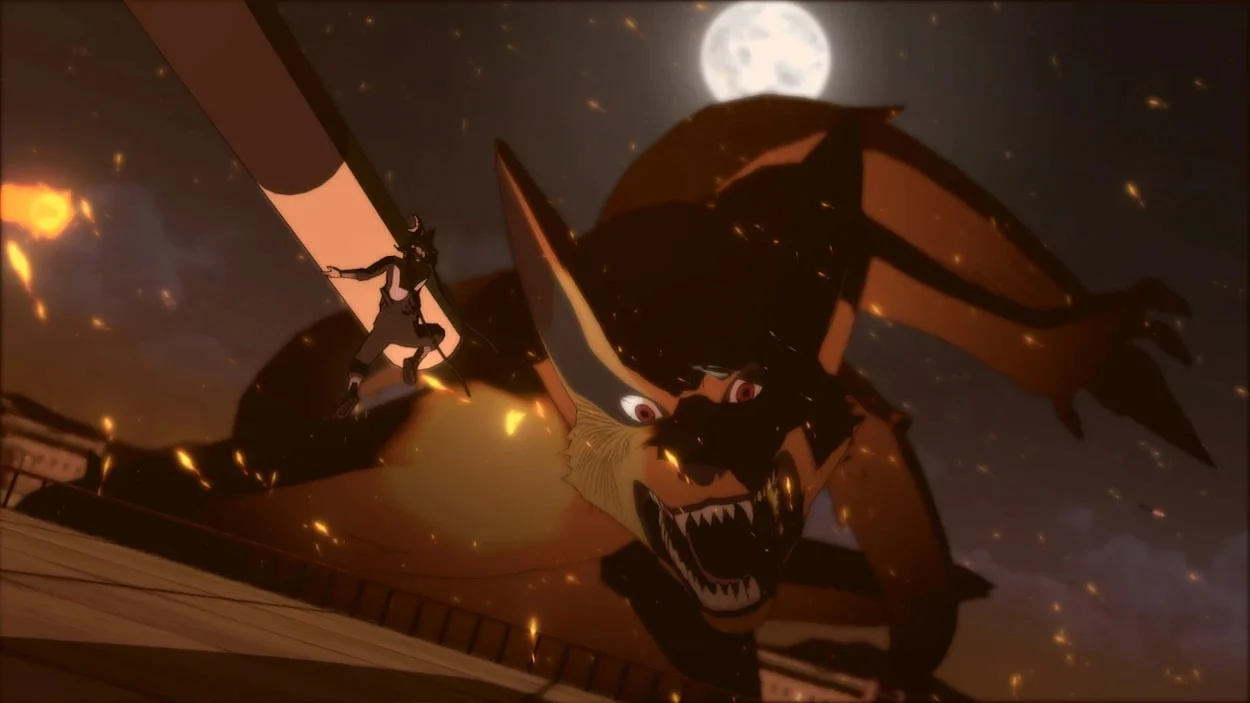
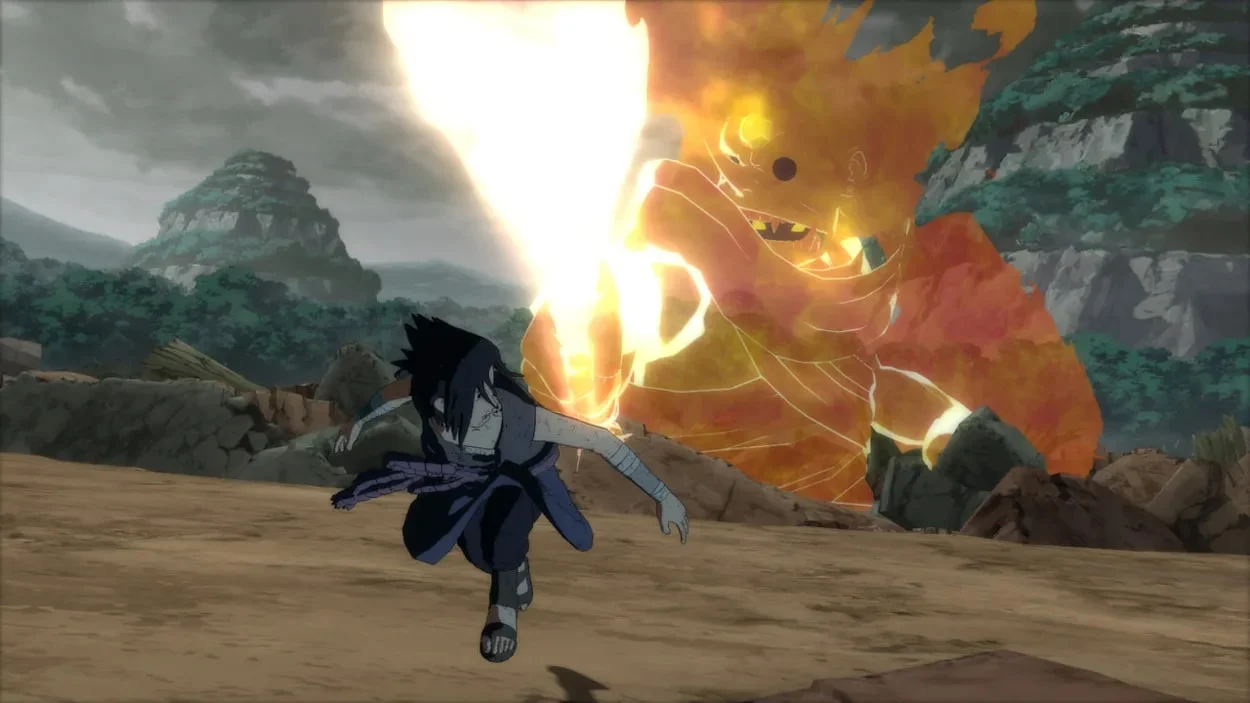
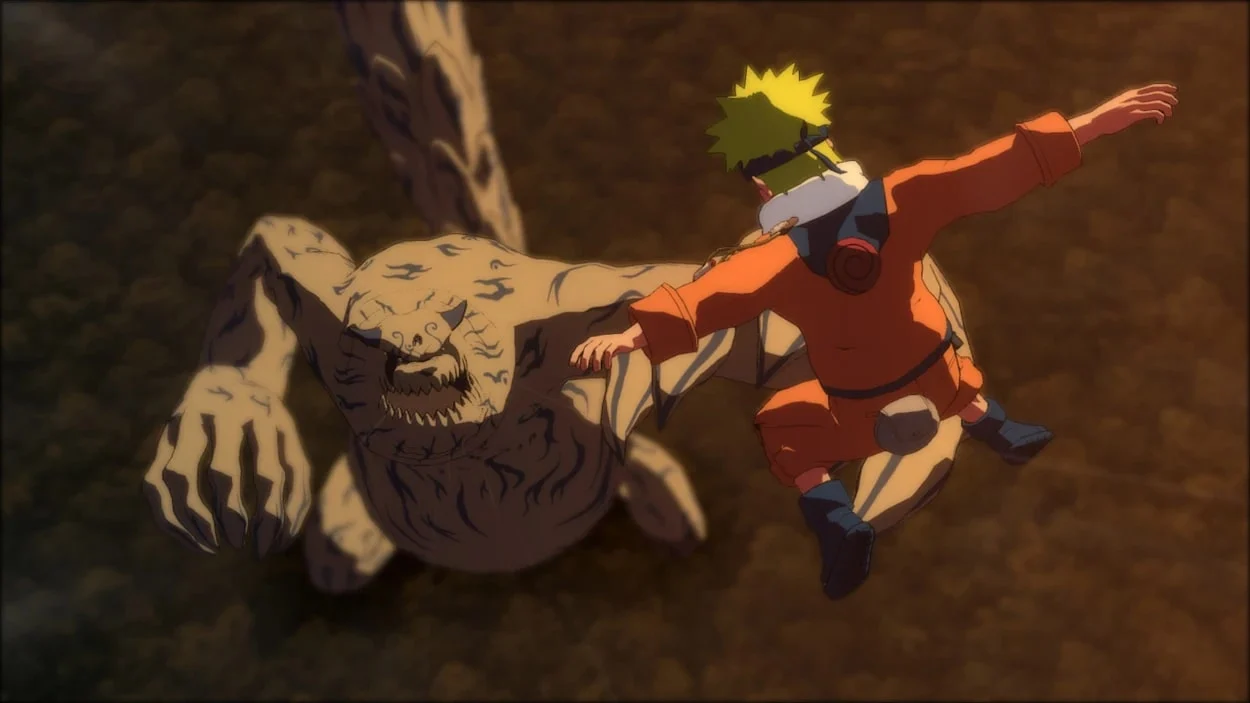
Jutsu-driven action supplies much of the visual drama. Techniques turn confrontations into animated spectacles, giving battles a heightened presentation appropriate to the series’ ninja conflicts. The result is a fighting game format that favors momentum and immediate impact rather than a restrained, technical atmosphere.
Tactical choices still matter within that spectacle. A player must manage distance, respond quickly, and use distinctive techniques effectively. This makes the action suitable for people who want direct, energetic fights while leaving room to become more comfortable with a preferred character’s abilities.
The presentation also supports the trilogy’s story focus. Key confrontations are not treated as isolated matches; they are tied to the relationships and crises established across the three games. That connection between narrative context and explosive Jutsu gives the action a dramatic charge beyond simple victory or defeat.
How the Three Games Refine the Core Fighting Experience
The Ultimate Ninja Storm gameplay foundation remains recognizable throughout the collection, which makes moving from one game to the next feel natural. Each installment develops the shared combat approach while maintaining a fluid, spectacular action-fighting identity. The continuity matters in a compilation built around a long-running story: players can follow Naruto’s changing world without having to abandon the series’ core style of battle.
Combat evolution across the three games is expressed through refinement rather than a complete change of direction. The pace stays brisk, the arena format remains central, and character-specific techniques continue to define many encounters. As the story broadens from Team 7’s early struggles to a conflict involving the Allied Shinobi Forces, the action retains its immediate, animated energy.
Replay value comes from more than the main story path. The games include free battles and tournaments, while later titles also feature online matches. Those options give the collection a reason to return after major narrative moments have been completed, particularly for players who want to experiment with different ninjas or revisit favored matchups.
5 Facts to Know About Ultimate Ninja Storm Trilogy on Switch
- Release date: NARUTO SHIPPUDEN: Ultimate Ninja Storm Trilogy Switch NSP was released on April 26, 2018.
- Bandai Namco role: Bandai Namco is listed as both the publisher and developer.
- Genre focus: The collection is categorized as Fighting and Action.
- Regional listing: Its listed region is USA.
- Language support: Available languages are English, German, Spanish, French, Italian, and Russian.
For an audience drawn to Naruto’s major story arcs, character rivalries, and visually emphatic ninja action, the trilogy offers a focused route through three connected games. Its strongest throughline is the combination of familiar narrative milestones and arena battles that make each Jutsu-heavy confrontation feel like part of a larger journey.