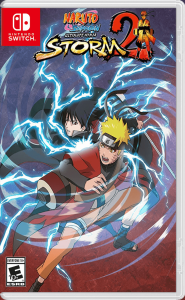
NARUTO SHIPPUDEN: Ultimate Ninja STORM 2 Switch NSP
Report Link Error
Select the broken download file, then submit the report.
Screenshots
About Game
NARUTO SHIPPUDEN: Ultimate Ninja STORM 2 Switch NSP brings a major stretch of the Shippuden storyline to Nintendo Switch through fast arena battles, cinematic techniques, and a separate adventure layer built around familiar villages and missions. Released on April 26, 2018, this Bandai Namco action-fighting game frames its portable format around dramatic rivalries, dangerous enemies, and the scale of Naruto’s world.
A Portable Return to Naruto Shippuden’s Defining Conflicts
NARUTO SHIPPUDEN Ultimate Ninja STORM 2 Switch is structured around the conflicts that shaped Naruto’s later journey. Its focus is not simply on individual matches: the game also presents story-driven events that follow the pressures facing Naruto, his friends, and the wider shinobi world. The result moves between intimate confrontations and battles with consequences for entire villages.
The portable ninja action suits the game’s quick combat rhythm. A match can begin with straightforward exchanges, then turn into a rapid series of movement, support calls, jutsu, and elaborate finishing techniques. Outside of combat, the pace slows down for exploration, conversations, and mission-taking, creating room for the Shippuden story to breathe between clashes.
Bandai Namco serves as both publisher and developer. The release is listed for Europe and the USA, with English, French, German, Italian, and Spanish language support. Its action and fighting classification is appropriate, but the adventure material gives the experience a broader sense of place than a sequence of isolated arenas would provide.
Story Coverage: Naruto’s Pursuit of Sasuke and the Akatsuki Threat
The narrative follows Naruto’s continuing effort to bring Sasuke back, a goal complicated by Sasuke’s connection to Orochimaru. That personal pursuit runs alongside the larger danger posed by the Akatsuki, whose hunt for the tailed beasts raises the stakes far beyond Naruto and Sasuke’s rivalry.
Several key Shippuden events form the backbone of the journey. Naruto encounters Itachi Uchiha, reunites with Sasuke, and faces the aftermath of Pain’s devastating assault on Konoha. The story also reaches the Five Kage Summit arc, bringing new figures and political tension into the wider conflict. These episodes give the game a strong dramatic range: it can shift from a personal promise between former teammates to a crisis affecting the whole ninja world.
For players interested in the Shippuden story, that coverage is an important part of the appeal. The fighting is consistently central, but its matchups are tied to recognizable confrontations and major turning points rather than presented without context.
Arena Fighting Built Around Ninja Techniques
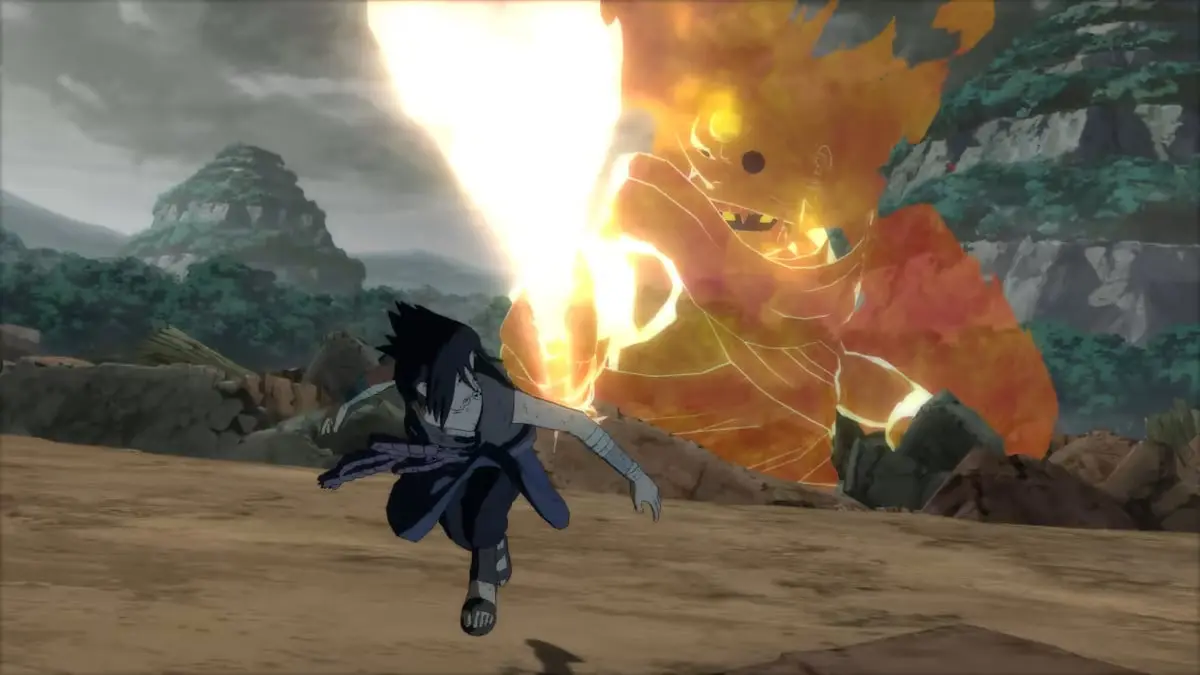
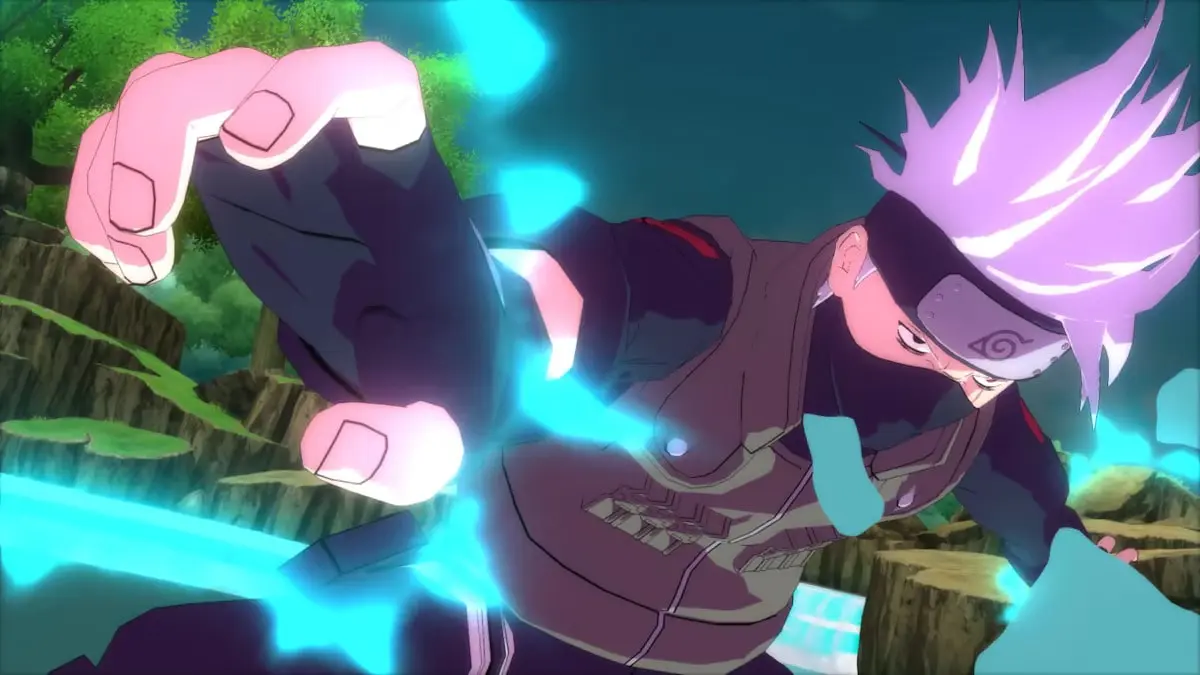
The combat is fast-paced arena fighting built to make ninja techniques easy to access while leaving room for stronger decision-making. Characters have their own jutsus and Ultimate Jutsu techniques, allowing each fighter to bring a distinct visual identity and combat style into the arena. These special moves are presented with flashy animation that draws on signature moments and abilities from the series.
The support system adds another layer. Players can bring two support characters into battle, calling on them to help extend a combo, interrupt pressure, protect against an attack, or contribute to a team assault. This makes support selection more than a cosmetic choice; the right call can change the flow of an exchange.
Awakening Mode creates another pivotal combat moment. When health is low, a character can enter a more powerful form with temporary stat boosts and new abilities. It introduces a comeback possibility, but also asks players to recognize when a difficult match has reached its most dangerous stage. Boss battles broaden the presentation further through cinematic, quick-time-event-heavy encounters designed around especially dramatic story moments.
Adventure Exploration Beyond the Fighting Arenas
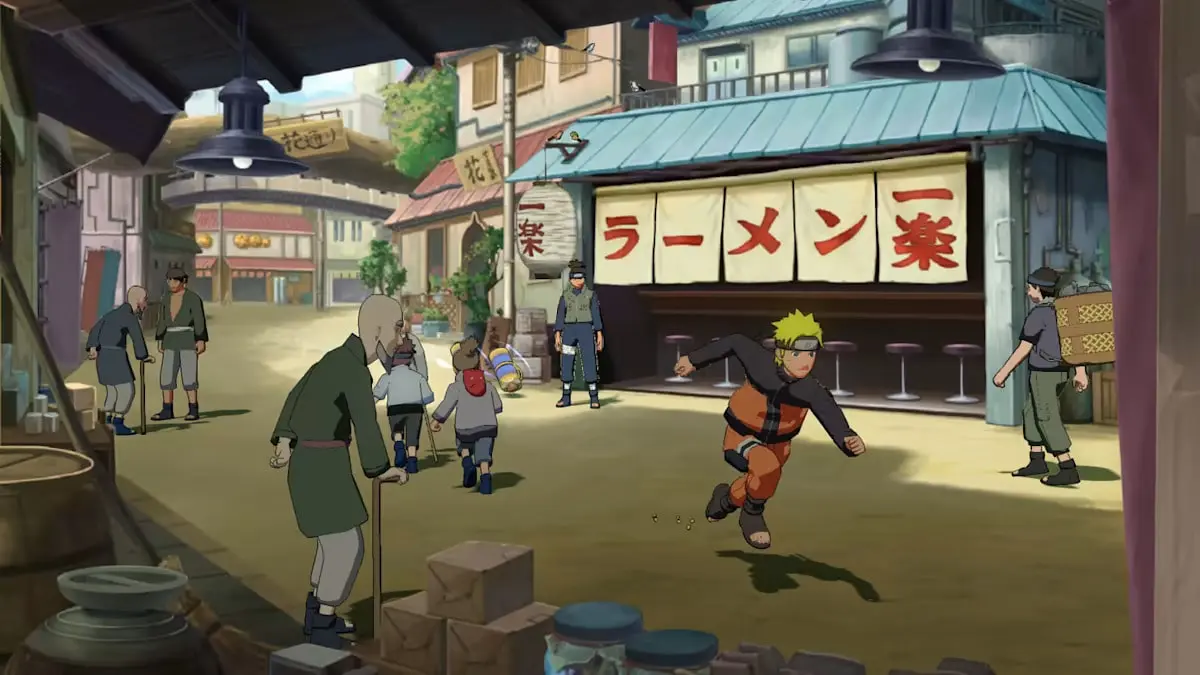
Adventure Mode gives the game a more relaxed counterpoint to its intense matches. Players can explore the Hidden Leaf Village and surrounding areas, interact with characters, and accept Naruto missions. Familiar locations help connect the game’s fights to the everyday spaces and landmarks of its setting.
This structure supports a useful change of atmosphere. Arenas are built for speed, spectacle, and pressure; exploration is a chance to move through the village, seek out tasks, and encounter characters outside a direct fight. The hub activity also feeds progression by giving players reasons to continue looking beyond the main clashes.
The adventure component will likely matter most to players who want more than repeated one-on-one battles. It does not replace the fighting game focus, but it makes the world feel more active and offers a different way to spend time with Naruto’s cast and locations.
Roster Variety, Unlockables, and Character Customization Rewards
More than 40 playable characters are available, each with individual signature moves, jutsus, and ultimate techniques. That Naruto character roster provides variety for players who prefer direct offense, support-oriented choices, or characters whose techniques change the visual pace of a match.
Progression also includes Ryo unlockables. Earned Ryo can be spent in the in-game shop on character costumes, jutsu, and collectibles. These rewards offer a practical reason to keep completing activities and a way to personalize parts of the experience. Costumes and collectibles complement the large cast, while new jutsu-related rewards reinforce the game’s central interest in recognizable ninja abilities.
Replay value comes naturally from trying different characters, experimenting with support pairings, revisiting missions, and working toward additional rewards. Players drawn to Shippuden’s cast will have many reasons to test fighters beyond a single preferred character.
7 Combat Priorities for New Ultimate Ninja STORM 2 Players
- Learn signature jutsus. Spend time with each character’s individual techniques before relying on a single familiar fighter. Their jutsus and Ultimate Jutsu moves are a major part of how the roster differs.
- Use supports with purpose. Two support characters are available in battle, so call them to extend pressure, help defend against attacks, or create an opening rather than using them without a plan.
- Build longer exchanges. Arena fighting rewards attention to the flow of a combo. Use support assistance to keep an opponent under pressure when an opportunity appears.
- Save the big moment. Ultimate techniques are character-specific special attacks with elaborate presentation. Use them when the situation supports the risk and impact of committing to one.
- Watch low health. Awakening Mode can activate when health is low, granting temporary boosts and new abilities. Be prepared for a dangerous opponent who may be close to a comeback.
- Explore between battles. Visit the Hidden Leaf Village and nearby areas, speak to characters, and take missions. Adventure activity offers a useful route beyond the main fighting arenas.
- Chase meaningful rewards. Earn Ryo and use it for costumes, jutsu, and collectibles. Unlockables provide goals for players who enjoy gradually expanding their options.
NARUTO SHIPPUDEN: Ultimate Ninja STORM 2 Switch NSP is best suited to players looking for a Shippuden-focused fighting game with accessible arena combat, highly animated ninja techniques, and an adventure mode that makes space for exploration and progression. Its story material, broad cast, support mechanics, and collectible rewards give the experience both immediate spectacle and reasons to return.