Mortal Kombat 11 Ultimate Switch NSP XCI
Report Link Error
Select the broken download file, then submit the report.
Screenshots
About Game
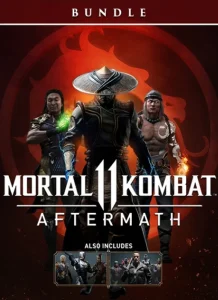
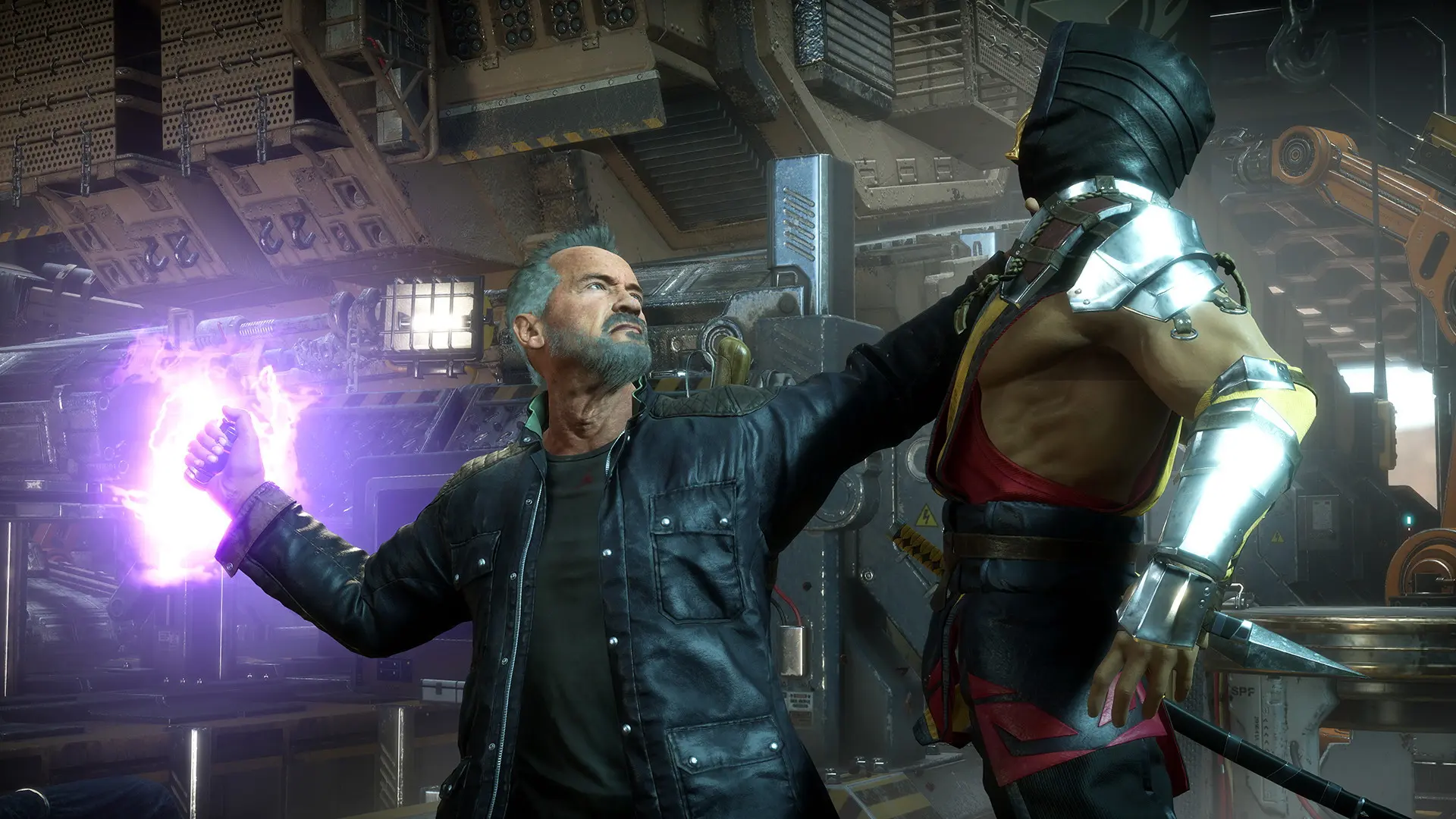
Mortal Kombat 11 Ultimate Switch NSP XCI brings a major fighting game experience to Nintendo Switch, pairing cinematic battles with a portable format. Developed by Shiver Entertainement and NetherRealm Studios and published by WB Games, this USA-region release gives players a dense package of story content, character options, competitive modes, and the series’ famously forceful finishing moves.
Mortal Kombat 11 Ultimate on Nintendo Switch: Core Fighting Game Overview
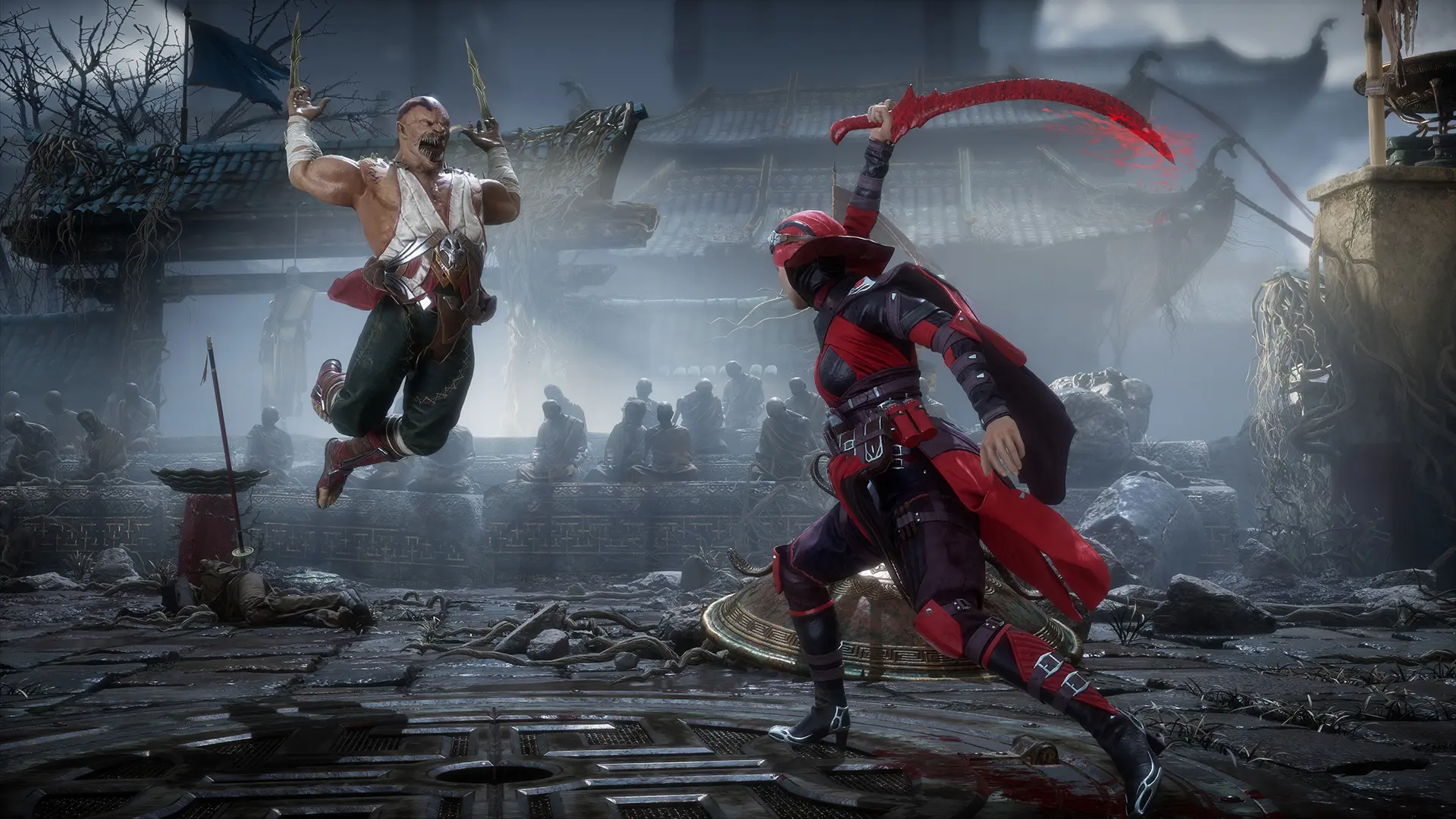
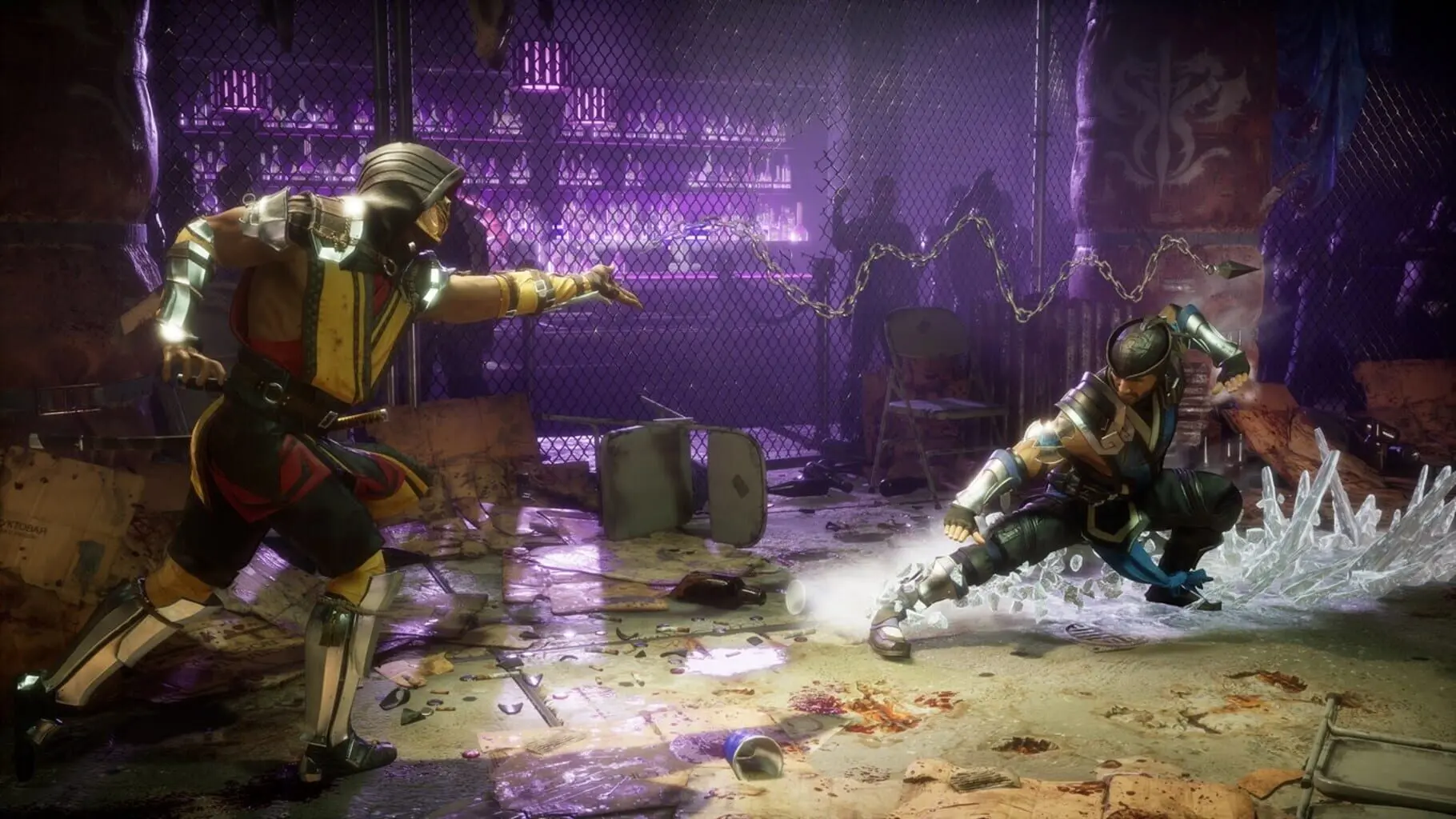
As a Mortal Kombat 11 Ultimate Switch release, the game places fast, high-impact one-on-one combat in a format suited to both short sessions and longer play. Matches are built around readable basic attacks, special abilities, defensive decisions, and moments where a single opening can shift momentum. The Switch version keeps the focus on the essentials of a Mortal Kombat fight: selecting a warrior, learning their tools, and responding quickly under pressure.
This Mortal Kombat 11 Ultimate fighting game is structured to welcome players who want to begin with straightforward attacks while leaving room for experienced competitors to learn each fighter’s distinct options. The presentation supports that intensity with cinematic story sequences, dramatic confrontations, and deliberately over-the-top finishing moments. It is a Nintendo Switch fighting game with a substantial amount to explore beyond individual local battles, including story chapters, unlockable customization content, challenge towers, Krypt exploration, and online competition.
The portable context is especially useful for a game with many characters and modes. A player can spend time refining one fighter’s strengths, then return later to experiment with another style, take on modified AI battles, or continue progressing through the narrative. That variety gives the game replay value without pulling attention away from the central appeal: tense combat between highly individual combatants.
Kronika’s Time-Bending Story and the Battle for Earthrealm
The Mortal Kombat 11 Ultimate story begins in the aftermath of Raiden’s actions. Kronika, known as the Keeper of Time, moves to reset history and prevent further interference with her vision of events. Her plan bends time itself, bringing fighters from different periods together and turning familiar relationships into new conflicts.
This premise gives Earthrealm’s defenders a battle that reaches across eras and altered timelines. Characters can encounter younger versions of themselves, while old alliances and rivalries are reconsidered through the changes Kronika sets in motion. Liu Kang and Sonya Blade are among the heroes drawn into the struggle against her forces, facing a conflict shaped by fate, sacrifice, and the consequences of past choices.
The included Aftermath chapter extends the story after the main narrative, shifting attention to what follows the original crisis. Shang Tsung and Fujin take important roles in this added section, giving the larger saga another perspective. The result is a story mode designed for players who enjoy fighting-game campaigns with cinematic scenes as well as battles.
Combat Systems: Basic Attacks, Fatal Blows, and Fatalities
Mortal Kombat 11 Ultimate combat is designed to make hits feel consequential. Standard attacks establish pressure and create openings, while each fighter’s particular abilities encourage players to consider timing, positioning, and matchup knowledge. The game has enough directness for newcomers to understand what their moves are doing, but its deeper systems give returning players reasons to practice and adapt.
Fatal Blows provide a powerful comeback mechanic. These high-damage attacks create tense moments in close fights, especially when a player has been pushed into danger and needs one decisive opportunity. Their cinematic impact matches the series’ larger-than-life tone, but they also function as meaningful tools within a match rather than simple visual spectacle.
Mortal Kombat Fatalities remain one of the game’s defining elements. These finishing moves lean into the franchise’s brutal, theatrical identity, ending victories with deliberately extreme animation. Together with Fatal Blows, gear choices, skins, and character intros, they help give each match a strong sense of personality and presentation.
A Diverse Fighter Roster with Distinct Fighting Styles
The Mortal Kombat 11 Ultimate roster combines iconic warriors, returning favorites, newer additions, and included DLC characters. Rather than treating the cast as interchangeable, the game gives fighters their own abilities, attacks, and approaches to a match. Some players may prefer direct offensive pressure, while others can spend more time exploring the specialized tools and special abilities attached to their chosen warrior.
That range is important for long-term play. Switching characters changes the rhythm of combat and opens new techniques to learn. A player interested in mastering a single fighter can work through their available gear, skins, intros, and abilities, while someone seeking variety can move between contrasting fighting styles. The included DLC characters broaden those options further, bringing guest fighters and returning characters into the same package.
Customization also supports progression. Unlockable items allow players to personalize fighters with visual gear, skins, and other presentation choices. It does not replace the need to learn a character, but it gives battles a more individual look and gives players additional reasons to engage with the game’s modes.
Five Ways to Get More from Mortal Kombat 11 Ultimate’s Modes
- Follow the timeline: Play Mortal Kombat 11 Story Mode to see Kronika’s attempt to reset history, the clash involving Earthrealm, and the later Aftermath chapter featuring Shang Tsung and Fujin.
- Shape a main fighter: Use character customization to explore gear, skins, intros, and special abilities. Focusing on one warrior can make their fighting style feel more familiar over time.
- Take on the Towers: Towers of Time offers changing AI challenges with modifiers and rewards. The shifting conditions can push players to approach familiar combat situations differently.
- Explore Shang Tsung’s island: The Krypt provides a separate progression path, with cosmetics, concept art, and lore to uncover while moving through its mysterious setting.
- Test competitive skills: Mortal Kombat 11 online multiplayer includes ranked and casual matches, allowing players to bring their preferred fighters and learned techniques against other players.
These modes create a useful balance between solo progression and competitive play. Story content provides a directed route through the game’s major conflict, while Towers of Time and the Krypt reward repeat visits. Online play gives the combat system a more unpredictable challenge, where knowledge of a favorite character’s fighting style has to be matched by quick reactions and adaptation.
Switch Version Details: Languages, USA Region, and Version 1.0.26
This Mortal Kombat 11 Ultimate Switch version is listed for the USA region and carries version 1.0.26. Its supported languages are French, German, Italian, Spanish, Russian, Chinese, Portuguese, and English. The listed file size is 6GB, and the verified firmware information identifies 11.0.1, Atmosphere, or SX OS.
For players looking at Mortal Kombat 11 Ultimate Switch NSP XCI as a complete fighting-game package, the key appeal is the combination of a time-bending campaign, varied character styles, customizable presentation, brutal finishers, and several ways to continue playing after the story. It is best suited to players interested in cinematic fighting games, solo challenge modes, character experimentation, and ranked or casual multiplayer competition.