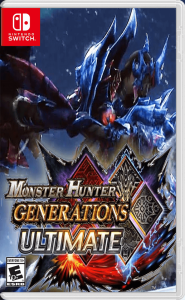
Monster Hunter Generations Ultimate SWITCH NSP XCI
Report Link Error
Select the broken download file, then submit the report.
Screenshots
About Game
Monster Hunter Generations Ultimate SWITCH NSP XCI arrived on August 28, 2018 as an action release from Capcom, developed and published by Capcom for Europe and the USA. Built around demanding battles, long-term equipment growth, and a large range of monster encounters, it gives players a Hunter’s career that begins with local requests and grows into increasingly severe challenges.
A Hunter’s Journey Through Bherna and the Four Villages
The player enters the game as a new Hunter attached to the Wycademy, the research and protection organization based in Bherna Village. Rather than presenting a heavily scripted adventure, the game frames progression through work: responding to village needs, accepting hunting assignments, and proving capable against threats that become more dangerous over time.
Bherna is the central point for this early journey, but the Hunter’s responsibilities extend beyond one settlement. Quests also lead to Yukumo, Kokoto, and Pokke, villages with their own urgent problems and familiar importance within the wider Monster Hunter setting. Moving between these locations gives the campaign a sense of a broader hunting community, where different villages depend on skilled hunters when monsters threaten people, resources, and daily life.
The Wycademy’s role keeps the focus on learning and protection. Each completed quest strengthens the Hunter’s reputation while opening a path toward more difficult targets. The stakes rise from routine assignments to dangerous monsters, including powerful Deviant Monsters and Elder Dragons. This is a journey measured less by dialogue-heavy plot turns than by earned confidence: a Hunter improves because each new threat requires better preparation, sharper judgment, and more reliable execution.
The Hunt, Gather, Craft Progression Loop
Monster Hunter Generations Ultimate crafting is closely tied to the rhythm of its quests. A hunt begins with a target and a destination, but success is not limited to defeating a large monster. Players can gather materials from the environment and collect parts from the monsters they face. Those resources feed directly into equipment progression.
Monster materials can be used alongside gathered resources to forge stronger weapons and armor. That creates a practical reason to revisit hunts and pursue specific targets. A monster that was once difficult may become an important source of parts for a new blade, a defensive armor piece, or a broader equipment upgrade. The game supports an extensive crafting system with thousands of weapons and armor pieces to forge.
This loop gives hunting quests a deliberate pace. Preparation matters before leaving the village, observation matters during the fight, and the rewards matter after returning. Progress is not simply about raising a number; it is about building equipment suited to the next obstacle. Harder quests, G-Rank missions, Deviant Monsters, and a roster of more than 100 monsters provide reasons to keep refining a loadout and learning how different encounters work.
The result is a game with substantial replay value for players who enjoy setting personal goals. One player may focus on building several weapon lines, while another may return to old monsters for a particular armor set. The repeated hunt-gather-forge cycle remains meaningful because each upgrade can change the options available for future assignments.
Choosing Among 14 Weapon Types
Combat begins with a major choice: Monster Hunter Generations Ultimate weapons include 14 distinct weapon types. Each has its own moveset and combat identity, making the selection more important than a simple preference for speed or strength. Learning a weapon means learning its attacks, timing, range, and role in a hunt.
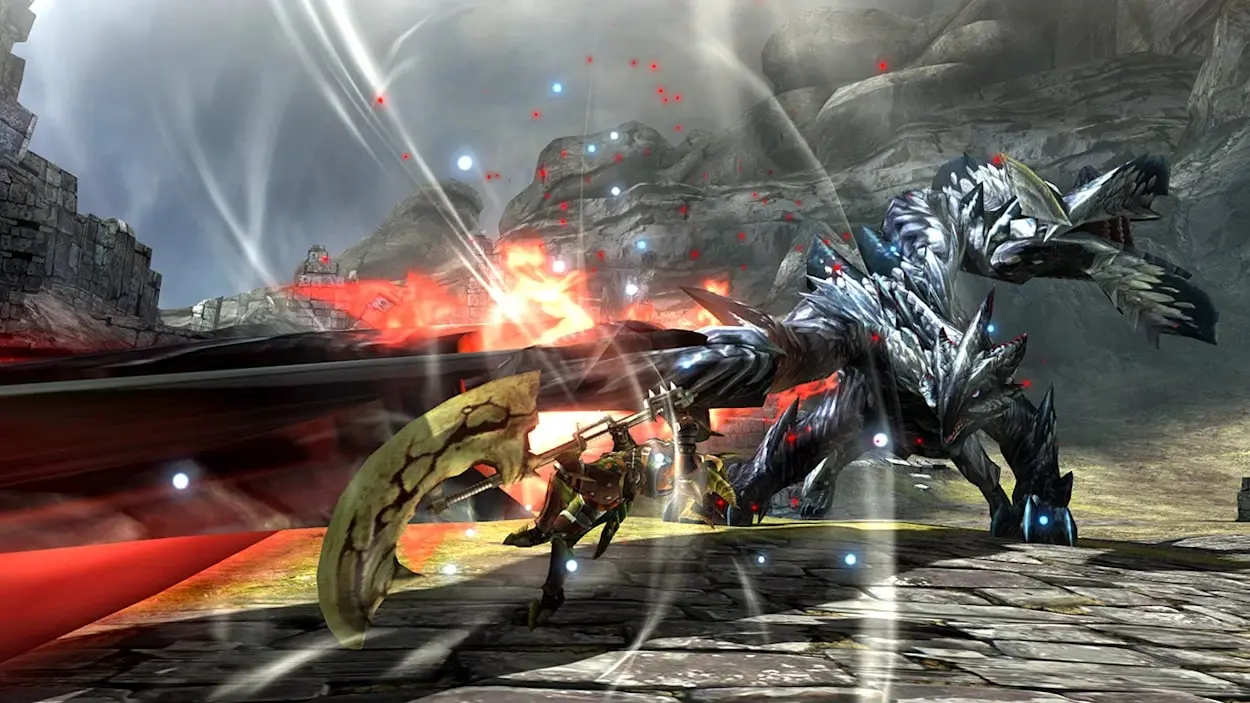
The Dual Blades represent the faster end of the spectrum, supporting rapid attacks and an agile rhythm. The Great Sword offers a more forceful alternative, built around powerful strikes that demand stronger commitment. Neither approach is presented as the single correct answer. The weapon system instead encourages players to find an approach that suits how they want to engage a monster.
That variety works alongside the game’s six Hunting Styles. Options include Aerial, Striker, and Valor, allowing a Hunter’s combat approach to be adjusted further. Hunter Arts add another layer by providing special attacks or support abilities that charge during battle. Together, weapon type, Hunting Style, and Hunter Arts give players several ways to shape their approach before a quest even starts.
Prowler Mode and the Felyne Hunting Perspective
Prowler Mode offers a notably different way to take part in quests. Instead of controlling the standard Hunter, players can hunt and gather as a Felyne companion. This changes the perspective of the activity while retaining the central goals of facing monsters, collecting resources, and contributing to the hunt.
The Felyne’s agile abilities give Prowler Mode its own character. It is not merely a cosmetic variation of the usual Hunter experience; it provides a separate style for players who want to approach gathering and combat from another angle. That makes it a useful part of the game’s wider emphasis on experimentation.
For players spending many hours with the same weapon setup, the Felyne companion option can refresh the routine of familiar quests. It also fits the game’s broad design: different monster targets, different weapons, different Hunting Styles, and a different playable perspective all encourage continued exploration of the available systems.
Four Steps for Preparing for a Tough Hunt
Challenging assignments reward planning. Before taking on a difficult monster, these four priorities provide a clear framework for Monster Hunter Generations Ultimate tips and hunt preparation.
- Choose a weapon. Select one of the 14 weapon types and commit to learning its moveset, range, and combat rhythm.
- Select a Hunting Style. Use one of the six styles, including options such as Aerial, Striker, or Valor, to shape the way the weapon is used.
- Equip Hunter Arts. Bring special attacks or support abilities that charge during combat and can provide valuable options during a hunt.
- Forge improved gear. Turn gathered resources and monster materials into stronger weapons and armor before facing harder quests.
These steps reinforce the game’s central lesson: difficult hunts are not solved by equipment alone. Gear matters, but a prepared Hunter also needs a combat approach that fits the chosen weapon and a plan for using available abilities when the fight becomes demanding.
Local and Online Co-op for Four-Hunter Teams
Monster Hunter Generations Ultimate SWITCH NSP XCI supports multiplayer hunts for up to four hunters through local or online co-op. A full team can bring different weapon choices, Hunting Styles, Hunter Arts, and equipment goals into the same quest, making cooperation a natural extension of the game’s preparation systems.
Coordinated hunts are especially valuable against difficult monsters. Four hunters can share the pressure of a battle, pursue different roles through their equipment choices, and work toward materials needed for separate upgrades. The satisfaction comes from collective execution as much as the reward screen: a team that prepares well and responds effectively can overcome threats that feel far more imposing alone.
With English, German, Spanish, French, Italian, and Chinese language support, the game’s hunt-focused structure remains accessible across its listed regions. It is best suited to players who enjoy action built around repetition with purpose: learning monsters, improving equipment, testing combat styles, and returning to the field with a stronger plan than before.