MASTERCHEF – The Official Videogame Switch NSP
Report Link Error
Select the broken download file, then submit the report.
Screenshots
About Game
MASTERCHEF – The Official Videogame Switch NSP places players in a competitive kitchen built around progression, pressure, and the pursuit of a prestigious culinary title. Beginning with the ambitions of an amateur cook, the experience follows a familiar MasterChef-style climb: take on demanding dishes, respond to judging, refine technique, and keep moving through tougher rounds.
A MasterChef Journey from Amateur Cook to Champion
The central journey begins with an aspiring chef trying to prove their ability in the MasterChef kitchen. Early rounds establish the challenge of cooking under scrutiny, while later stages ask for greater control over ingredients, recipes, and execution. The goal is clear from the start: overcome the competition and earn recognition as a MasterChef champion.
Progression is tied to a sequence of culinary challenges that test more than a single cooking skill. Players are asked to work through dishes ranging from simpler starters to more involved desserts, with each competitive round presenting another opportunity to improve. The pressure comes not only from the clock, but from the expectation that each plate must be prepared with care and presented convincingly.
The game’s competitive structure gives its cooking activities a sense of momentum. A successful result is part of an ongoing climb, rather than an isolated recipe. As challenges become more demanding, the focus shifts toward stronger planning, better timing, and more reliable execution. Feedback from the MasterChef judges can also point toward areas that need attention in later rounds.
How Timed Cooking Challenges Shape Every Dish
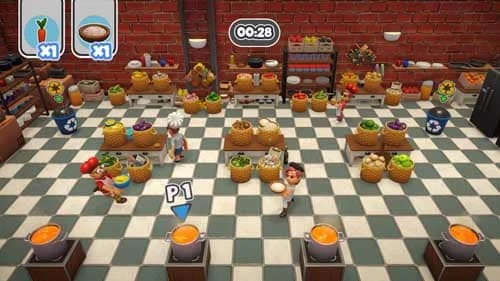
Timed cooking is a major part of the kitchen routine. Preparing a dish is not simply a matter of following instructions; it also requires completing the necessary work before time expires. That makes time management a practical concern in every challenge, especially when several food-preparation steps need attention in a limited window.
Recipe instructions provide a step-by-step guide, but success depends on how efficiently those steps are handled. Players need to consider what should happen first, what can be prepared while another task is underway, and where a few saved seconds may matter. Chopping ingredients while food is cooking, for example, can help keep a run moving without leaving important work until the end.
Precision and speed work together. Moving quickly is useful, but rushed actions can affect the final quality of a dish. The competitive kitchen therefore encourages deliberate planning: understand the recipe, identify the essential tasks, and carry them out in an effective sequence. This balance gives the cooking challenges their puzzle-like quality, as players look for a smoother route through each preparation process.
Replay value grows naturally from that structure. Repeating a challenge offers a chance to improve timing and execution, rather than merely revisiting the same recipe. A missed step, slow sequence, or weak presentation can become a target for the next attempt.
From Chopping to Plating: The Core Cooking Actions
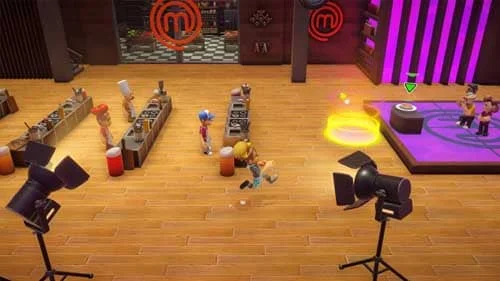
The cooking process covers several recognizable kitchen activities. Players select ingredients, work through recipe steps, and take part in actions such as chopping, frying, and baking. These tasks are presented through cooking-focused mini-games that simulate parts of preparing a dish from scratch.
Ingredient choice matters because the game allows experimentation with different ingredients and flavor combinations. That creative angle sits alongside the more structured recipe work: instructions provide direction, while the wider pantry and available ingredients encourage attention to how a finished plate comes together.
Chopping is part of the preparation stage, where ingredients are readied before cooking. Frying and baking move the process into the heat of the kitchen, asking players to handle different cooking techniques as a recipe develops. The final stage is dish presentation, where the completed food is prepared for judging.
New recipes, kitchen tools, and ingredients can be unlocked through progression. This supports the sense of an expanding culinary journey, with fresh possibilities arriving as players advance through the competition. The focus remains on building greater confidence across familiar cooking actions while meeting the demands of each round.
Why Presentation Matters in the MasterChef Kitchen
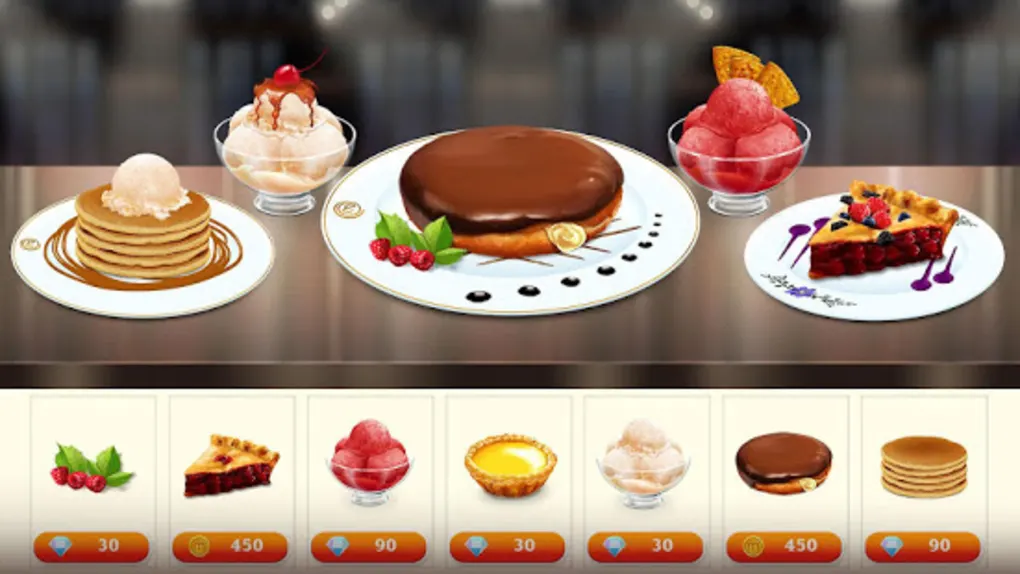
A dish is judged by more than its preparation. Plating and visual presentation are important parts of trying to earn favorable results from the MasterChef judges. After the chopping, frying, baking, and other preparation work is complete, the finished food still needs to look considered on the plate.
This makes presentation part of the challenge rather than a separate afterthought. A well-prepared dish can benefit from being arranged with flair, while a weaker-looking final plate may leave room for improvement. The game’s judging feedback can address presentation alongside seasoning and specific cooking techniques, giving players a clearer picture of what to refine.
The emphasis on aesthetic dish presentation suits the competitive setting. In a kitchen where each round is a chance to advance, the final reveal carries weight. Players are not only trying to complete a recipe before the clock reaches zero; they are also trying to deliver something that looks ready for the judges’ table.
5 Practical Ways to Improve Your Kitchen Efficiency
- Read first. Review the recipe instructions before beginning so that every required step is understood before the timed work starts.
- Replay challenges. Return to earlier cooking challenges to improve timing, execution, and familiarity with individual recipes.
- Prioritize tasks. Handle essential preparation early and use active cooking time to complete work such as chopping ingredients.
- Find efficient sequences. Learn the most effective order for each task, since a smoother routine can save valuable seconds.
- Use the feedback. Pay attention to comments from the MasterChef judges, including notes on seasoning, technique, and presentation.
These cooking tips are grounded in repetition and observation rather than guesswork. A player who understands recipe instructions, uses time wisely, and responds to feedback has a practical route toward stronger results. Kitchen efficiency is less about rushing every action than about making each action count.
Nintendo Switch Release Details for MASTERCHEF – The Official Videogame
MASTERCHEF – The Official Videogame Switch NSP was released in Europe on May 26, 2023. It is listed for Nintendo Switch in the Arcade and Party genres, with SelectaVision serving as both publisher and developer.
The European release supports English and Spanish. Its competitive cooking premise, timed preparation, recipe-based activities, and emphasis on judging make it suited to players interested in food-themed challenges and party-oriented arcade play. The experience frames cooking as a series of increasingly demanding tests, where careful preparation, quick decisions, and polished presentation all contribute to the attempt to reach the MasterChef title.