The Rumble Fish 2 Switch NSP

Report Link Error
Select the broken download file, then submit the report.
Screenshots
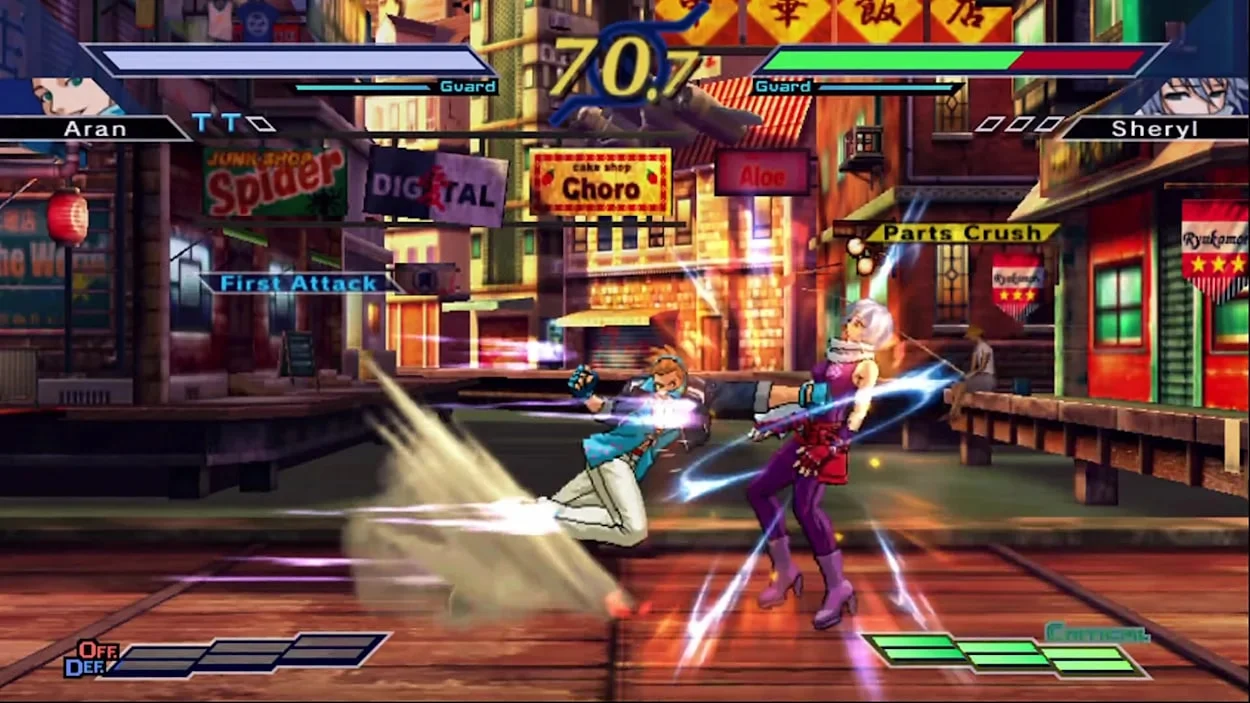
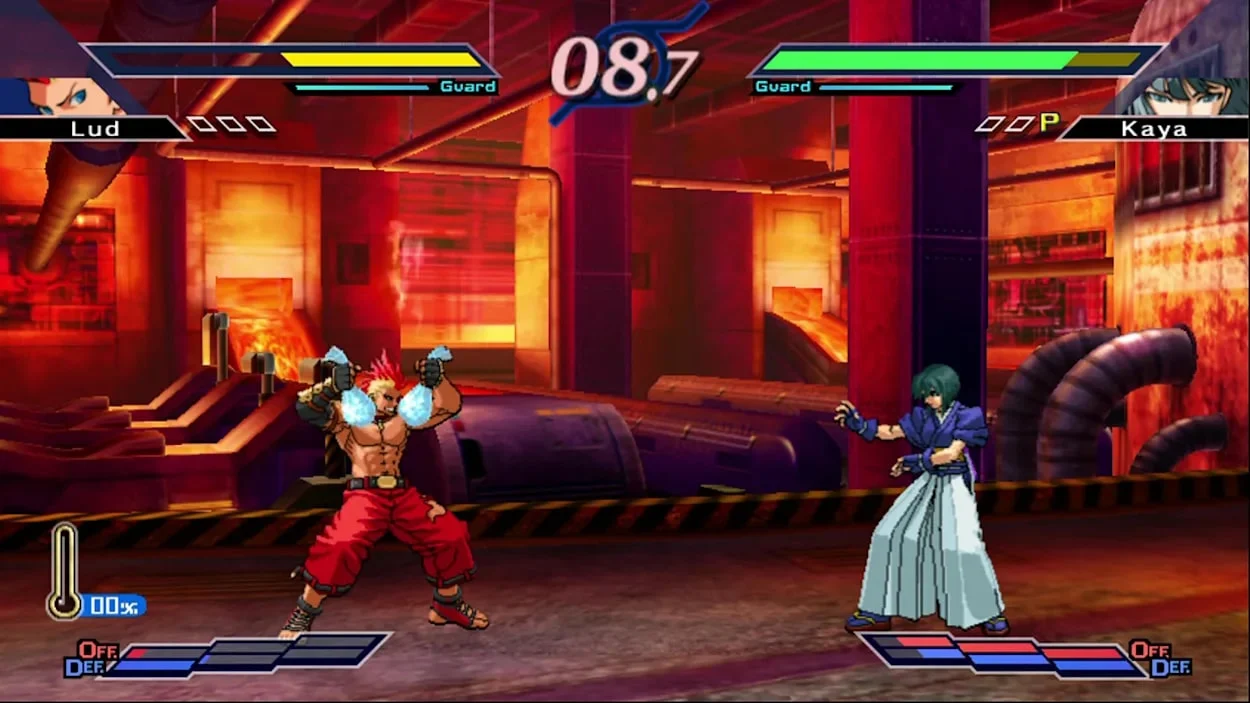
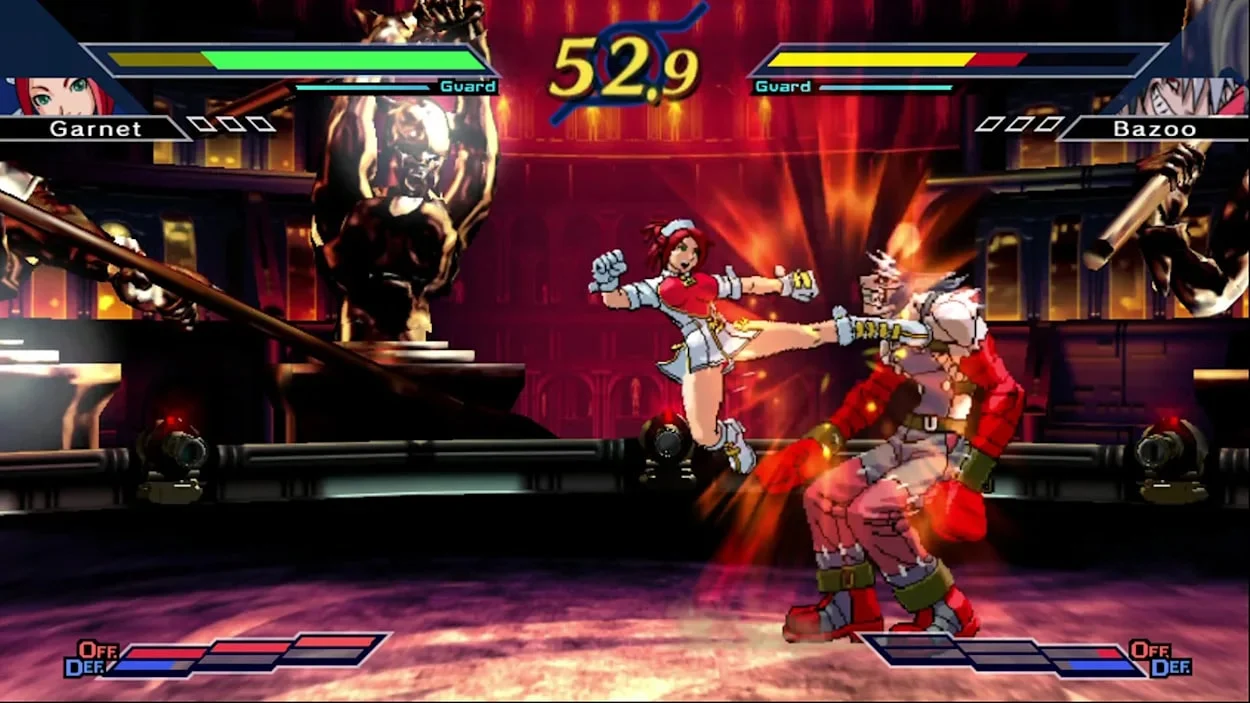
About Game
The Rumble Fish 2 Switch NSP brings a fast, stylish 2D fighting game to Nintendo Switch, combining arcade-focused action with a system built around timing, movement, and smart resource use. Released on December 7, 2022, this version was developed and published by 3goo, bringing the tournament’s intense confrontations to players in Europe, the USA, Asia, and Japan.
The Rumble Fish 2 on Nintendo Switch: Release and Platform Details
As a 3goo fighting game, The Rumble Fish 2 arrives on Switch with a clear arcade identity. Its action, arcade, and fighting classifications fit the experience: matches are direct, competitive, and built around learning how individual characters move, attack, and respond under pressure.
The setting places its fighters in a future shaped by the Great Destruction, a catastrophic disaster that leaves the powerful PROBE organization in control. PROBE stages a fighting tournament, drawing competitors with different motives. Some seek power, others pursue revenge, and others fight to survive or defend what remains important to them. Characters including Zen, Hikari, and Mito take part in that conflict, giving the competition a dramatic backdrop without distracting from its match-driven structure.
On Switch, the game suits short competitive sessions as well as longer practice runs. The portable format is a natural fit for revisiting a favorite character, studying a difficult matchup, or setting up local matches with another player. The Rumble Fish 2 release date of December 7, 2022 places this edition as a modern Switch release of a game rooted in classic arcade fighting action.
Why The Rumble Fish 2 Stands Out as a 2D Fighter
The Rumble Fish 2 gameplay is built on familiar 2D fighting game fundamentals: positioning, attacks, defense, timing, and reads on an opponent’s next choice. What gives those fundamentals their character is the pace. Fighters move fluidly, animations remain crisp during exchanges, and small decisions can quickly shape the direction of a round.
A player cannot rely on constant offense alone. Fast attacks and pressure can be effective, but spacing and patience matter just as much when an opponent is waiting for an opening. The game rewards precise inputs and careful timing, especially when converting a successful hit into a larger sequence or choosing the right moment to interrupt an opponent’s plan.
The Offensive Art and Defensive Art gauges add another strategic layer. These systems give players access to unique techniques, encouraging them to think beyond basic attacks. Saving a gauge for a decisive moment may be valuable, but spending it earlier can also help maintain momentum, escape danger, or turn a defensive situation around. That balance gives arcade fighting action a more deliberate rhythm beneath its speed.
Presentation supports that intensity. The game’s animated fighters and impactful attacks make its close-range exchanges easy to read, while the pace keeps matches from feeling static. It is a fighting game that asks players to react quickly but also rewards them for recognizing patterns and making disciplined choices.
Character Styles, Combos, and Super Moves
The Rumble Fish 2 characters are designed around distinct fighting styles. Some favor aggressive rushdown tactics, pushing forward to keep an opponent under pressure. Others are more comfortable at range, using patient zoning and measured attacks to control space. That variety makes character selection more than a visual preference; it changes how a player approaches movement, risk, and the flow of a match.
Each fighter has character-specific combos, special moves, and powerful super moves. Learning those tools is central to building consistency. A simple string can establish pressure, while a more demanding combo can produce greater damage after a clean opening. Special moves create additional options in neutral exchanges, and super moves can provide a dramatic payoff when their timing is right.
The system also supports defensive play through Impact Break. Guarding effectively is important, but defense is not merely about waiting. A well-timed response can break an opponent’s rhythm and create room to reset the fight. This interplay between offense, defense, combos, and counterplay gives the roster replay value: switching characters means learning different strengths, ranges, and ways to capitalize on mistakes.
Local Multiplayer and Computer-Controlled Challenges on Switch
Local multiplayer gives The Rumble Fish 2 a straightforward competitive focus. Friends can test their developing character knowledge directly, where unfamiliar habits and improvised decisions often matter as much as practiced combos. These matches can be useful for discovering which attacks are reliable, where pressure becomes risky, and how different character styles interact.
Computer-controlled opponents offer another route for practice. They allow players to spend time refining movement, trying special abilities, and improving defensive reactions without needing a second player present. Repetition is especially helpful in a game where precise timing matters. A player can work on a difficult sequence, then take that knowledge back into local matches.
For fans of Nintendo Switch fighting games who enjoy a technical but accessible arcade framework, this is a good fit. Newcomers can begin by finding a fighter whose style feels natural, while experienced players have the Arts systems, combo routes, and defensive options to explore more deeply.
5 Steps to Build Better Match Fundamentals
- Learn the move list. Start with one character and identify their basic attacks, special moves, and the ranges where those tools are most useful.
- Practice special abilities. Repeat special moves and simple combo sequences until the inputs feel dependable during fast exchanges.
- Develop your timing. Focus on when to attack, when to wait, and when an opponent is vulnerable after committing to a move.
- Spend Arts gauges wisely. Offensive Art and Defensive Art options are most valuable when used with a clear purpose rather than automatically.
- Sharpen defensive responses. Use guarding and the Impact Break system thoughtfully, then look for opportunities to regain control of the match.
These fundamentals apply across the roster. The more familiar a player becomes with spacing, timing, and resource use, the easier it becomes to understand why a particular combo worked or why a defensive choice failed. That process of adjustment is a major part of the game’s competitive appeal.
Language and Regional Availability for The Rumble Fish 2
The Rumble Fish 2 Switch NSP is available in Europe, the USA, Asia, and Japan. Its language options include English, French, German, Italian, Japanese, Korean, Portuguese, Chinese, and Spanish.
That broad regional and language coverage helps the game serve an international fighting-game audience. Its mechanics remain the focus: select a fighter, learn their style, manage the Offensive and Defensive Arts systems, and find the composure to make the right decision when the match tightens.