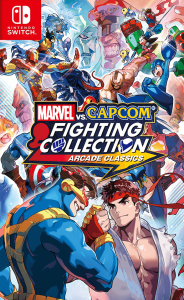
MARVEL vs. CAPCOM Fighting Collection: Arcade Classics Switch NSP
Report Link Error
Select the broken download file, then submit the report.
Screenshots
About Game
MARVEL vs. CAPCOM Fighting Collection: Arcade Classics Switch NSP arrived on Nintendo Switch on September 12, 2024, bringing arcade-focused fighting action to the system through Capcom’s USA release. Built around Marvel and Capcom crossover battles, the collection leans into rapid 2D sprite combat, dramatic special effects, and competitive matches where a single opening can rapidly change the direction of a round.
A Return to Classic Marvel and Capcom Arcade Battles
The appeal of MARVEL vs. CAPCOM Fighting Collection: Arcade Classics Switch NSP begins with its direct, energetic premise: Marvel heroes and villains meet Capcom characters in arcade fighting matchups designed for speed and spectacle. The genre is listed simply as Arcade and Fighting, but that combination is meaningful here. These are battles built around immediate action, bold character identities, and the constant threat of a sudden offensive burst.
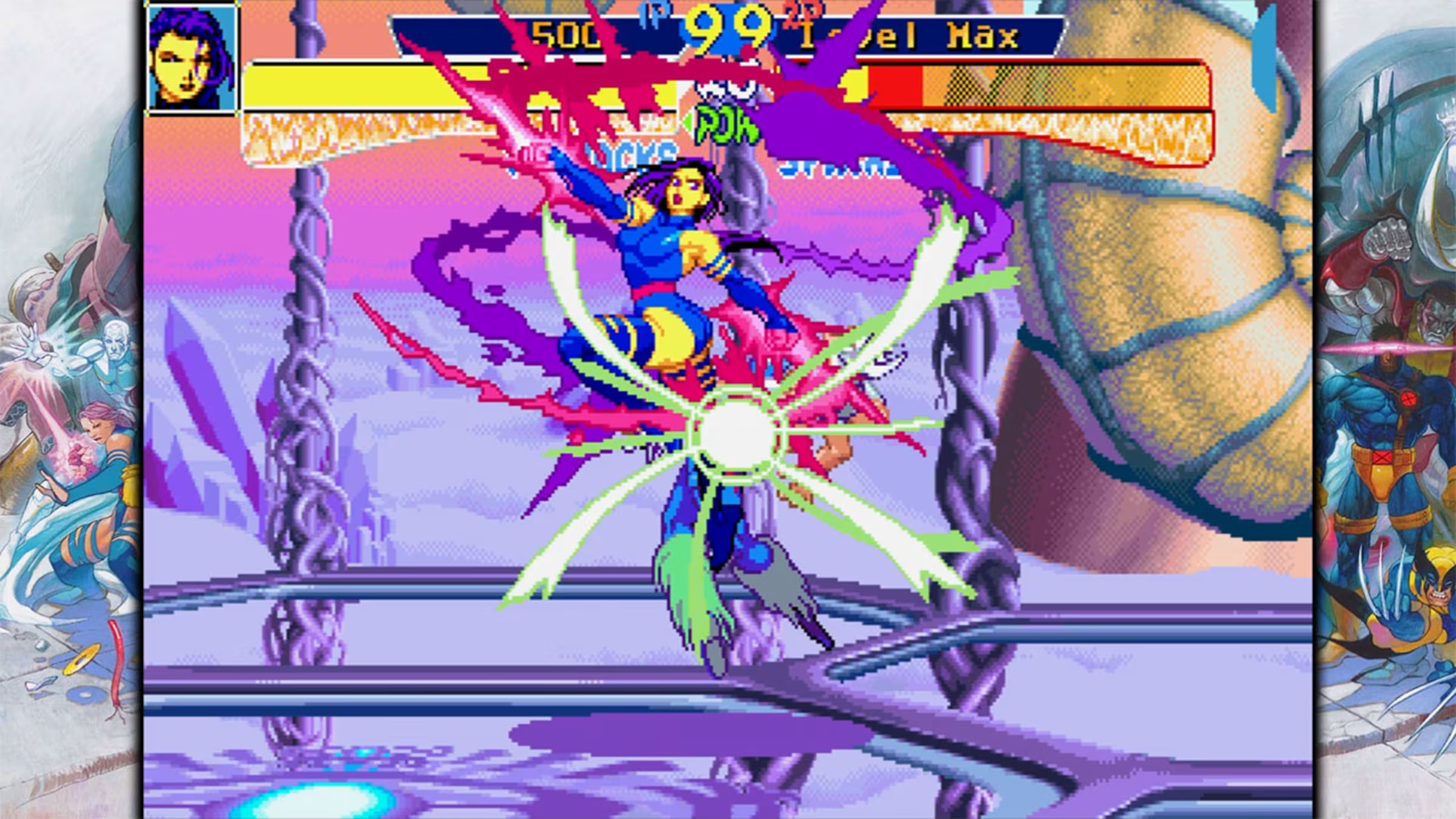
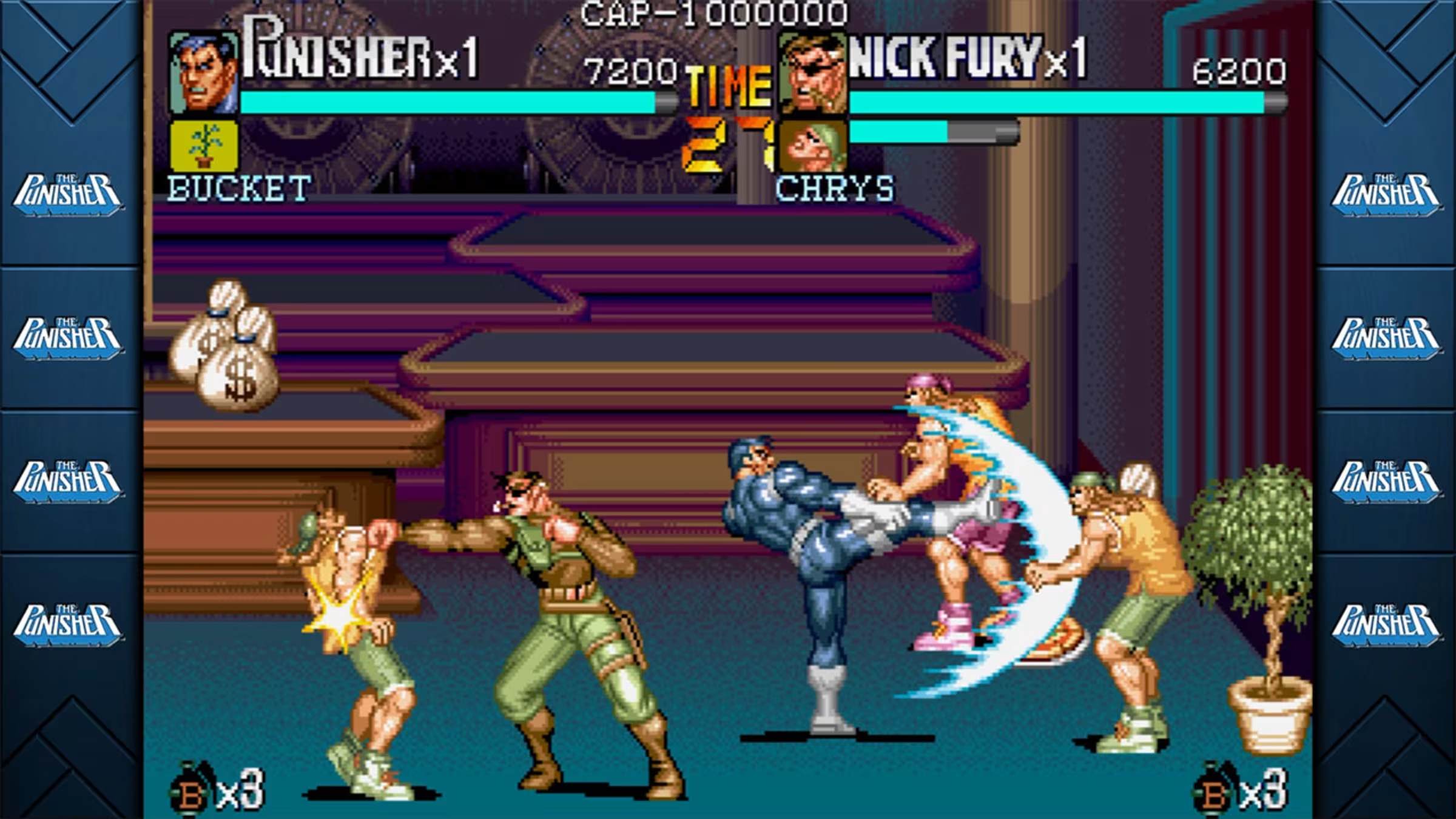
On Nintendo Switch, the collection presents classic sprite-based fights whose visual language remains easy to read. Characters have distinct movement, attacks, and special moves, while the larger effects surrounding major techniques give each encounter an exaggerated arcade feel. The action is not restrained. It favors screen-filling attacks, dramatic momentum swings, and confrontations that can become hectic in seconds.
That energy supports both short play sessions and more deliberate practice. Players can enter arcade modes for a focused run of fights, spend time testing techniques in training modes, or approach matches as a competitive exercise. The collection’s appeal comes from the way familiar crossover fantasy is tied to demanding fighting-game decisions: positioning, timing, defense, team selection, and the ability to capitalize when an opponent gives up space.
Cosmic Convergence and High-Stakes Rivalries
The narrative framing is broad but fitting for this kind of arcade conflict. Characters from the Marvel and Capcom universes are drawn into interdimensional confrontations, with powerful forces often pushing events toward control or destruction. The resulting tournaments create a setting where heroes, villains, and rivals can be brought together without needing lengthy story sequences to justify every match.
This cosmic convergence gives the battles a larger-than-life atmosphere. A fighter may be motivated by protecting a world, pursuing power, or simply proving personal strength. Those motives are concise, yet they help establish why opponents collide and why alliances can be temporary. The emphasis remains on the fight, but the framing makes each matchup feel like part of a wider clash between realities.
Character rivalries also benefit from the crossover format. The collection is built around the unusual combinations made possible when two major universes share the same fighting space. Rather than presenting combat as an isolated sport, it treats it as a collision of personalities and powers. That approach suits arcade classics, where a brief introduction and a memorable confrontation can carry plenty of dramatic weight.
Tag-Team Combat at a Frantic Pace
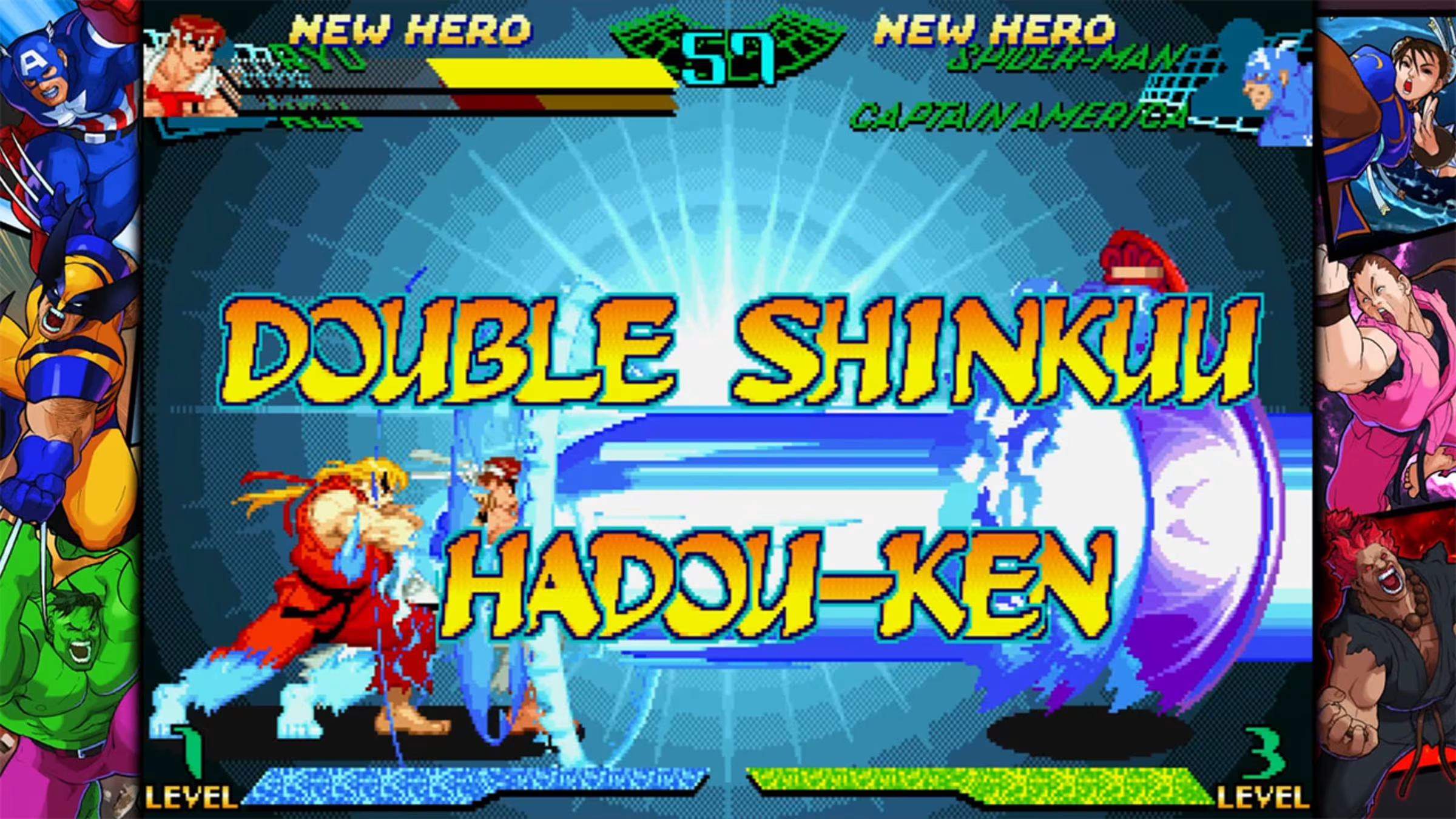
Tag-team combat is central to the collection’s fast pace. Players can switch fighters during battle, changing the immediate situation and opening different tactical possibilities. A character who has created pressure can make way for a partner, while a timely change can alter the rhythm of an exchange before the opponent has fully settled into a response.
Partner assists add another layer. They allow team play to matter even when one fighter is taking the lead on screen. Used carefully, assists can help maintain pressure, support an approach, or create opportunities for longer combinations. The important point is not merely having two characters available; it is understanding how their tools can work together.
This makes fighter switching more than a visual flourish. Team choices affect how a player handles offense, defense, and recovery from difficult situations. An aggressive player may seek constant forward momentum, while another may use spacing and defensive control before bringing in a partner at the right moment. The collection supports those contrasting styles through characters with different move sets and playstyles.
The pace can feel demanding, especially when both sides are actively using assists, movement, and tag-ins. Still, the basic idea is clear enough for newcomers to begin experimenting: choose a team, learn what each member does well, and discover when a switch creates an advantage instead of a risk.
Hyper Combos and Team Super Attacks
Hyper combos and team super attacks provide the collection’s biggest flashes of power. These special moves are associated with devastating damage and dazzling animations, making them important tools when a player has found an opening or needs to reverse momentum. In a game built around high-energy presentation, their visual excess is part of the point.
They also carry practical value. A powerful move can turn a successful attack into a major damage opportunity, while a team-focused super can underline the value of having a coordinated lineup rather than treating each fighter separately. Because matches move quickly, knowing when to commit to a large attack matters. Throwing out a major move without a clear opening may waste a chance; using it after confirming pressure can make a decisive difference.
The special-move system complements the collection’s arcade character. Normal attacks, unique techniques, assists, and major supers all contribute to a fighting style that rewards active decision-making. The result is a presentation where combat is readable at the basic level but capable of becoming visually intense when players begin linking their tools together.
Why Classic 2D Sprite Fighting Still Matters
Classic 2D sprite fighting remains compelling because its visual clarity supports rapid competition. The fighters, attacks, and effects are presented in a style closely associated with arcade-era action, while the pace asks players to respond quickly to movement, pressure, and changing team situations. The sprites do not make the battles feel small; the special effects and crossover premise give them a deliberately oversized tone.
For players who remember arcade fighting, the collection offers the appeal of familiar intensity: direct controls, distinctive character playstyles, and matches that can be replayed in pursuit of cleaner execution. For newcomers, it provides an approachable route into competitive play through training options and a broad choice of fighters. A player can start by learning a few attacks and simple combinations, then gradually add assists, tag-ins, blocking habits, and more demanding inputs.
Replay value comes from that learning process. Different team compositions can produce different approaches, and each character’s particular strengths encourage experimentation. One team may support aggressive rushdown, another may favor defensive zoning, while another can be chosen for trickier mix-ups. The collection is especially suited to players who enjoy finding personal style within a fast, expressive fighting system.
5 Steps to Improve Your Match Fundamentals
- Learn the core attacks. Spend time identifying each chosen character’s normal attacks, special moves, and general playstyle before trying to build more complicated strategies.
- Practice inputs consistently. Training modes provide space to repeat basic combos and special-move inputs until they become more reliable during fast matches.
- Strengthen your defense. Work on blocking, countering, dashing, and using mobility with purpose rather than trying to attack through every situation.
- Watch for patterns. Observe how an opponent approaches, pressures, or retreats, then look for an opening instead of rushing forward without a plan.
- Test tag-ins and assists. Experiment with fighter switching, partner assists, and team combinations to find timing that extends pressure or creates combo opportunities.
With English, French, German, Italian, Japanese, Korean, Portuguese, Russian, Spanish, Simplified Chinese, and Traditional Chinese language options listed for the release, the collection is positioned for a wide range of players. Its strongest audience is anyone interested in arcade classics that pair recognizable crossover characters with demanding, energetic 2D competition.
Recommended Similar Games
 Nickelodeon Kart Racers 3: Slime Speedway Switch NSPView Game
 JoJo’s Bizarre Adventure: All-Star Battle R Deluxe Edition Switch NSP XCIView Game
 Street Fighter 30th Anniversary Collection Switch NSPView Game
 What The Duck Switch NSPView Game
 Midnight Fight Express Switch NSPView Game
 Phantom Breaker: Battle Grounds Overdrive Switch NSPView Game
