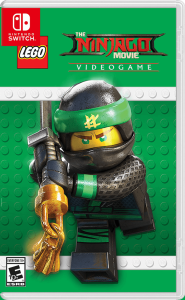
LEGO NINJAGO Movie Videogame Switch NSP XCI
Report Link Error
Select the broken download file, then submit the report.


Screenshots


About Game
LEGO NINJAGO Movie Videogame Switch NSP XCI brings the animated film’s ninja adventure into an action game built around fast movement, familiar LEGO destruction, and a broad set of character abilities. Lloyd and the other young ninjas defend Ninjago City against Lord Garmadon while training under Master Wu, with the story drawing on the film’s mix of family conflict, teamwork, humor, and large-scale action.
How Spinjitzu and Elemental Powers Shape Ninja Combat
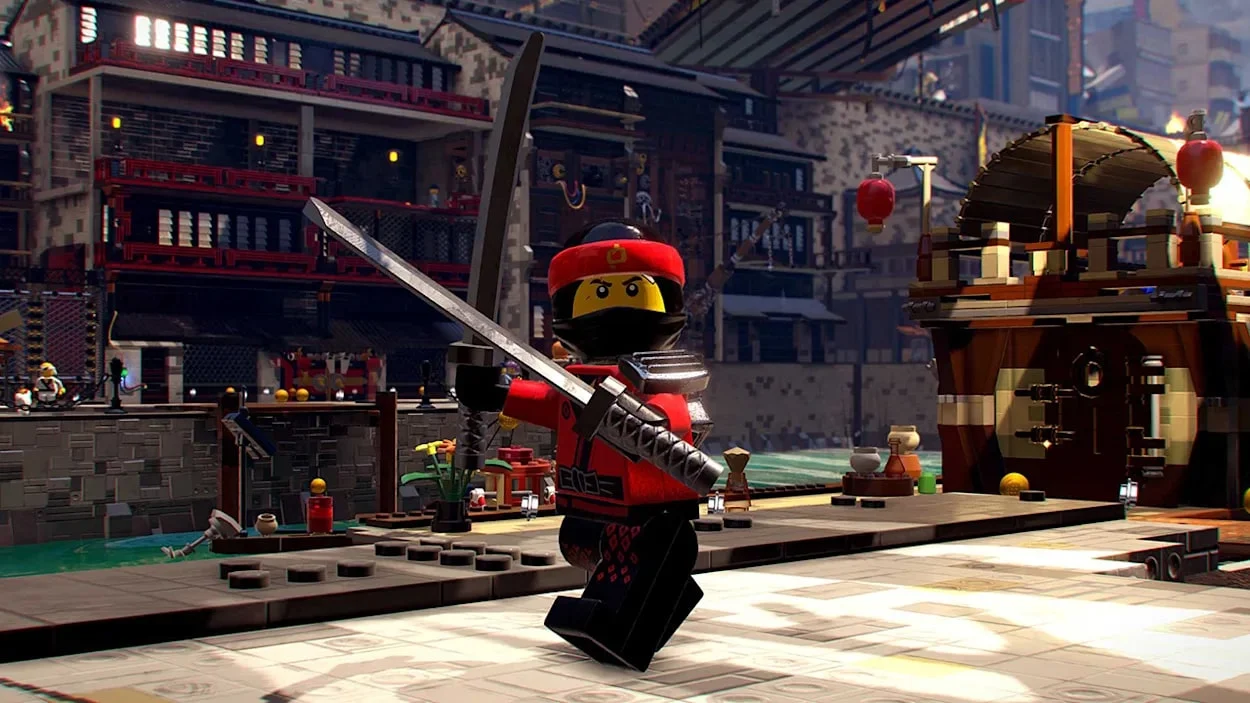
The game gives classic LEGO action a more agile rhythm through ninja combat. Rather than relying only on simple hits, players can use acrobatic attacks, link moves into combos, and experiment with character-specific attack styles. Encounters can feel more active because the ninjas are designed to move through space with the speed and energy associated with the movie’s martial-arts action.
Spinjitzu is central to that identity. The ninjas are learning to master both Spinjitzu and their elemental powers, and these abilities add a distinct layer to fights and environmental challenges. Elemental powers are not merely decorative; they support the game’s emphasis on choosing the right ninja for a situation, whether an obstacle needs a particular skill or an encounter benefits from a different approach.
The combat system also encourages practice. Dojo challenges provide a place to work on moves and combos, while rewards and unlocked moves can make later sections more manageable. That progression suits an action game with a light, accessible presentation: players can enjoy smashing through enemies and objects, but there is still value in learning how attacks connect and how each ninja’s powers fit together.
Exploring the Eight Movie-Inspired Action Areas
The adventure spans eight large areas inspired by the movie. Ninjago City provides the busy urban side of the setting, while training environments and dojos give the game room to shift into more focused ninja spaces. These locations are not presented as simple corridors. They are action-packed areas with secrets, collectibles, and activities placed beyond the immediate route forward.
Exploration is a meaningful part of the pace. A player can follow the main objective, then notice a hidden path, a collectible just out of reach, or an obstacle that may become accessible with another character’s skill. That structure gives the world a playful sense of discovery, balancing the story’s larger threat with the small-scale pleasure of searching every corner.
The movie setting also helps define the atmosphere. The city is under pressure from Lord Garmadon, but the LEGO format keeps the tone lively and humorous. Mechs, ninja training, destructive set pieces, and recognizable locations create a world that can support both story missions and repeat visits for missed secrets.
- Search thoroughly: Hidden studs, gold bricks, and character tokens reward players who look beyond the most direct route.
- Break the scenery: Smashing LEGO objects contributes to stud collection and can reveal useful items or paths.
- Test each ninja: A character’s special ability may offer a better solution to an obstacle or puzzle.
- Practice in the dojo: Combat challenges offer an opportunity to improve combos and earn rewards.
- Return to secrets: Areas with collectibles and character-based obstacles invite repeat exploration.
LEGO Building, Puzzle Solving, and Stud Collecting
For all its ninja movement, the game still follows the recognizable LEGO gameplay loop. Players break objects apart, collect studs, solve puzzles, and rebuild structures to continue. Destruction is both a visual joke and a practical activity: the scenery can contain studs, hidden items, or components needed to create a new route through an area.
Studs give exploration a clear reward, while gold bricks and character tokens provide additional reasons to look around. The constant exchange between smashing and building keeps progress tactile. Something blocking the way may be destroyed; a gap or broken mechanism may then require a rebuilt LEGO object. This simple cycle gives the action areas a readable flow without taking attention away from the ninja theme.
LEGO puzzles are also tied to observation. A solution may depend on noticing what can be rebuilt, identifying a route through an environment, or bringing the appropriate character to the task. The result is a game where combat, collecting, and puzzle solving remain closely connected instead of feeling like separate modes.
Why Character Switching Matters During Missions
Character switching matters because the ninja team is not interchangeable. Each ninja has unique abilities, and those abilities can be useful during fights, puzzles, and environmental obstacles. A player who changes characters regularly can find more efficient answers to a challenge than someone who stays with one fighter throughout a mission.
This design supports the story’s focus on teamwork. Lloyd, the Green Ninja, works alongside his secret ninja friends as they face Garmadon’s threat, and the gameplay reflects that group dynamic. The team’s elemental powers and specialized skills encourage players to think about who is best suited to the immediate task.
Switching can also extend replay value. An area that initially appears complete may contain something that requires another ninja’s capability. Returning with a different character, checking secret corners, and applying new abilities turns the campaign spaces into places that can reveal more over time. It is a natural fit for players who enjoy collecting hidden items as much as moving through the main story.
Battle Maps and Competitive Ninja Challenges
Beyond the story campaign, Battle Maps offers a separate competitive option. This mode places players in battle arenas where they can face one another, providing a different use for the game’s combat systems. The focus shifts away from exploration and story progression toward direct ninja competition.
The game also supports local co-op throughout the story campaign, allowing friends to tackle challenges together as a ninja squad. Battle Maps complements that cooperative option by creating space for more competitive sessions. Together, the two multiplayer approaches add variety: one supports teamwork through the film-inspired adventure, while the other puts players against each other in dedicated arenas.
Switch Release Details, Supported Languages, and Game Profile
LEGO NINJAGO Movie Videogame Switch NSP XCI was released on September 22, 2017 for Nintendo Switch. It is an Action Game published by WB Games and developed by TT Games. The release is region-free and supports English, German, Spanish, French, Italian, and Russian.
The game’s profile is well suited to players looking for accessible action with room for exploration, collectible hunting, puzzle solving, local co-op, and arena competition. Its film-based story gives the missions a clear narrative direction, while the eight areas, character abilities, dojo challenges, and hidden content provide reasons to keep engaging with Ninjago beyond the first path through the campaign.
Recommended Similar Games
 Crysis Remastered Switch NSP XCIView Game
 Azure Striker GUNVOLT: STRIKER PACK Switch NSPView Game
 Saints Row: The Third – The Full Package Switch NSP XCIView Game
 Immortals Fenyx Rising Switch NSP XCIView Game
 Kamen Rider Climax Scramble Switch NSP XCIView Game
 Saints Row IV: Re-Elected Switch NSPView Game