Island Survival: Craft Build Grow Switch NSP
Report Link Error
Select the broken download file, then submit the report.
Screenshots

About Game
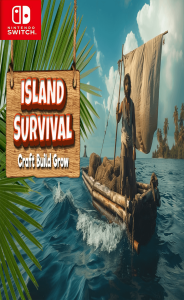
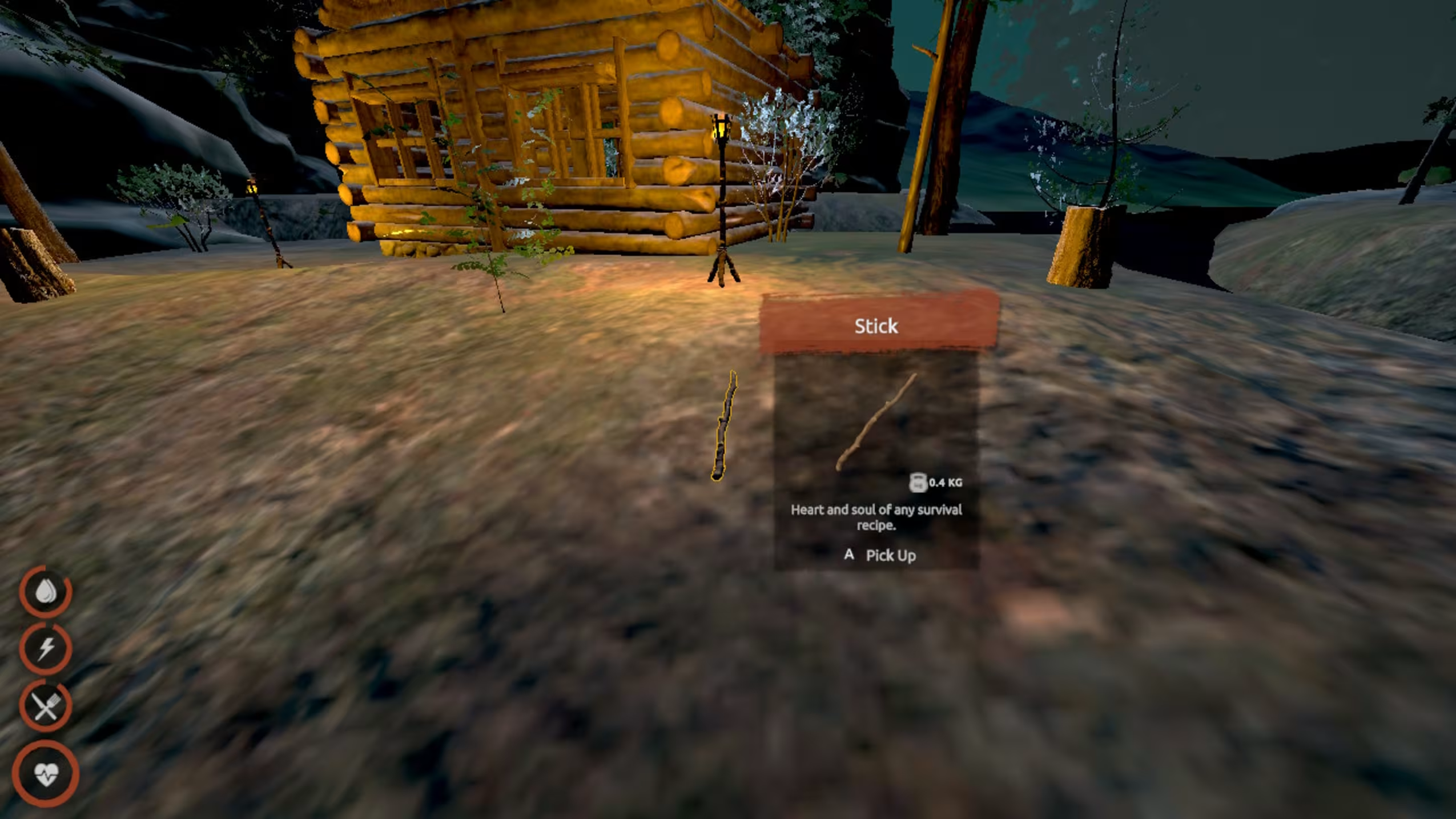
Island Survival: Craft Build Grow Switch NSP places a lone shipwrecked survivor on a mysterious, uncharted island with a simple immediate purpose: stay alive. Its adventure and simulation framework turns that premise into a steady routine of observation, preparation, and gradual improvement. The island is not merely a backdrop; it is the source of materials, risks, discoveries, and the small decisions that shape each attempt to endure.
Shipwrecked Alone: The Island Survival Setup
The opening situation is deliberately isolated. As the sole survivor of a shipwreck, the player begins marooned in a wild environment without a conventional safety net. Food, water, shelter, equipment, and a reliable place to rest all need attention. That sense of being underprepared gives the island its tension, even when the immediate task is as basic as gathering supplies.
The uncharted island also supplies the game’s atmosphere. It is described as vibrant but potentially perilous, a place where nature can provide what is needed while also demanding care and patience. Progress is tied to resilience rather than a fixed heroic role. A day spent securing wood, stone, or plants can matter as much as a more ambitious expedition, because every useful resource supports the next stage of survival.
That setup suits players who enjoy self-directed adventure. Instead of being pushed through a tightly scripted sequence, they are encouraged to read the environment, make practical choices, and build toward a more secure future.
Exploration Without Traditional Quest Markers
Island Survival exploration is presented without preset quests in the traditional sense. Discovery comes from the landscape itself: new biomes, wildlife, hidden caves, ancient ruins, and artifacts all offer reasons to travel beyond a familiar shelter. The island gradually becomes a narrative space, where traces of previous inhabitants may help form a picture of what came before.
This structure makes curiosity part of progression. A player is not simply following a marker from one objective to another; they are deciding when to press farther into unknown ground and when to return with what they have found. Hidden caves and ancient ruins suggest that exploration can be rewarding, but the survival systems ensure that a distant destination is never entirely separate from practical concerns. Supplies, stamina, health, and inventory space remain part of the decision.
The result is a quieter, more personal style of adventure. Different routes, building priorities, and moments of discovery can give individual survival runs their own rhythm. Replay value comes less from a prescribed campaign path than from the freedom to approach the island’s resources, structures, and unexplored areas in another order.
The Core Survival Loop: Gather, Craft, Build, Repeat
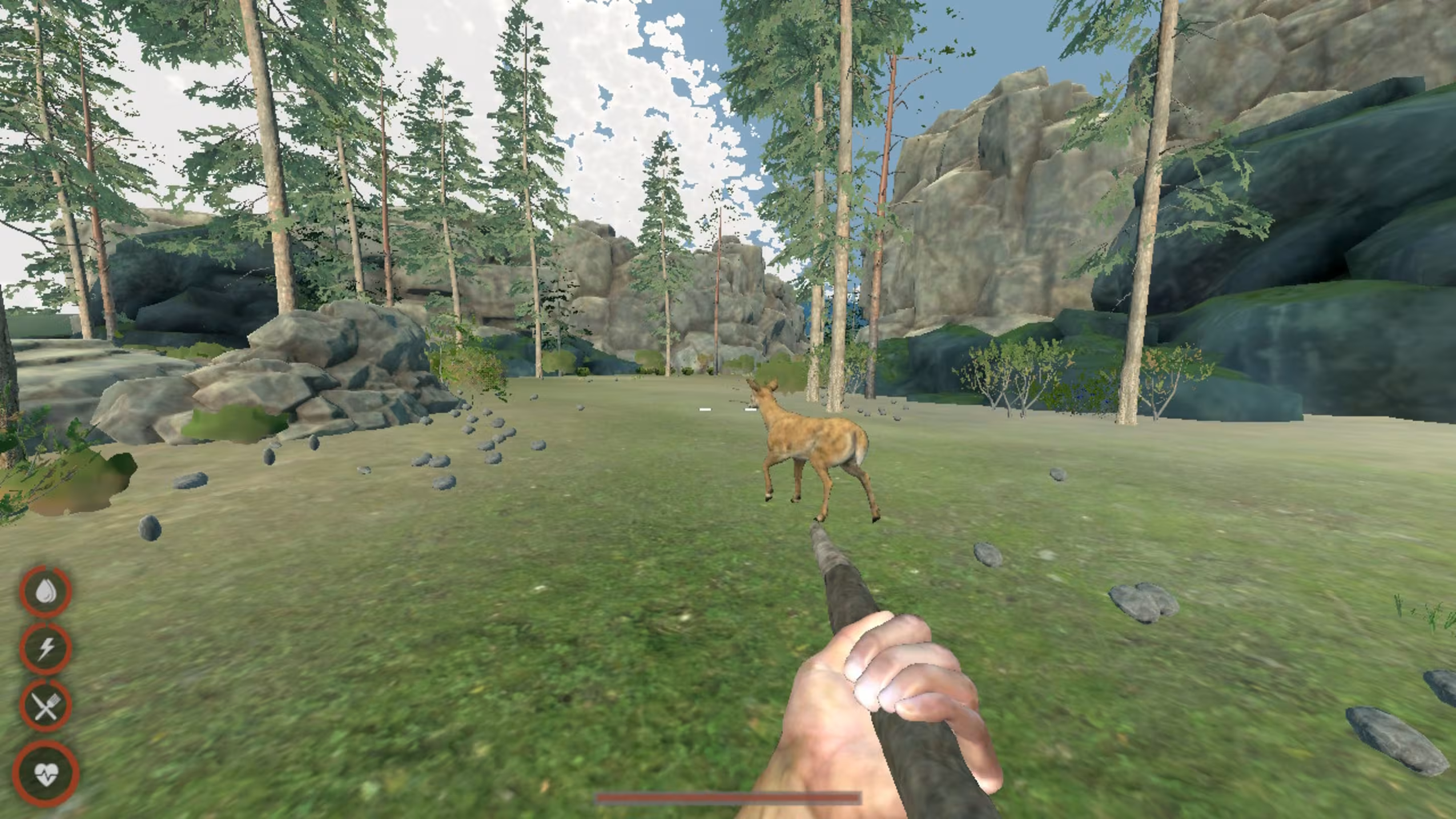
The central progression cycle is clear: collect resources, turn them into useful equipment or structures, then use those gains to expand what is possible. Resource gathering includes wood, stone, plants, and other materials. Trees can provide wood, while hunting wild animals can supply food, hides, and further resources. Farming offers another route toward sustainable food supplies.
The crafting system converts raw finds into tools, weapons, clothing, and building components. That makes crafting more than a menu activity; it connects the island’s natural resources to better preparedness. A useful tool can support gathering, while weapons and clothing can help a survivor prepare for the demands of travel and daily survival.
Base building gives the loop a visible sense of advancement. A modest lean-to can become a more substantial shelter, then grow into a base with storage, workshops, farming plots, and defensive structures. Customization is central to that process. The player is not only assembling protection from the environment, but also creating a working home that supports longer expeditions and more ambitious construction.
In Island Survival: Craft Build Grow Switch NSP, this gather-craft-build rhythm is what turns a harsh starting position into a more settled island life. The work remains grounded in survival needs, yet there is room to make the base feel like a personal project rather than a purely functional checkpoint.
Managing Hunger, Thirst, Stamina, and Health
Survival depends on monitoring four key conditions: hunger, thirst, stamina, and health. These meters make preparation meaningful because an expedition is not just about reaching a cave, ruin, or new biome. It also requires enough food, water, and physical capacity to travel safely and return with valuable materials.
Hunger and thirst encourage players to establish dependable supplies instead of relying only on chance finds. Hunting and crop cultivation support food planning, while careful attention to basic needs helps prevent a useful journey from becoming an unnecessary risk. Health adds another reason not to treat danger casually.
Stamina management further reinforces a measured pace. Gathering, travel, and exploration all sit within a broader pattern of conserving resources and avoiding reckless overextension. The game’s stated advice to avoid rushing into danger fits naturally here: patience, observation, and sensible supplies are as important as the items carried in hand.
How Day, Night, and Weather Shape Island Decisions
A dynamic day and night cycle, along with changing weather, affects the kinds of challenges the survivor faces. Time progression gives each day a planning role. Before moving out, players can weigh immediate necessities against longer-term goals: collect materials, improve shelter, hunt, tend crops, organize stored resources, or explore unfamiliar terrain.
Dynamic weather adds another variable to that routine. Because conditions influence gameplay, the island cannot be approached as a static map. The environment asks for awareness, and that reinforces the game’s mood of living in response to nature rather than simply moving through scenery.
This is where the simulation side of the experience becomes most apparent. A strong plan is not only about what to craft next; it is also about when to travel, what to carry, and when the sensible choice is to return to the safety of a prepared base.
Early Priorities for a Safer First Day
- Secure food and water. Keep hunger and thirst in view from the start, using available resources to avoid letting basic needs become an immediate problem.
- Gather essential materials. Collect wood, stone, plants, and other useful resources that can support early crafting and shelter construction.
- Craft practical equipment. Turn raw materials into useful tools, weapons, clothing, or building components as the situation requires.
- Establish a safe base. Create a secure place for sleeping and storing valuable resources before committing to longer trips across the island.
- Manage inventory carefully. Organize supplies so important resources are not wasted and useful items are available before venturing farther away.
- Explore with preparation. Let caves, ruins, artifacts, wildlife, and new biomes guide discovery, but avoid pushing into danger without adequate supplies.
Released in the USA on August 30, 2024, this English-language Adventure and Simulation title is published by Gogame Console Publisher. Its combination of open-ended exploration, crafting, shelter construction, farming, hunting, and survival management makes it a natural fit for players who prefer practical progression and the freedom to shape their own island routine.