GENSEISUIKODEN PLUS Switch NSP XCI

Report Link Error
Select the broken download file, then submit the report.
Screenshots
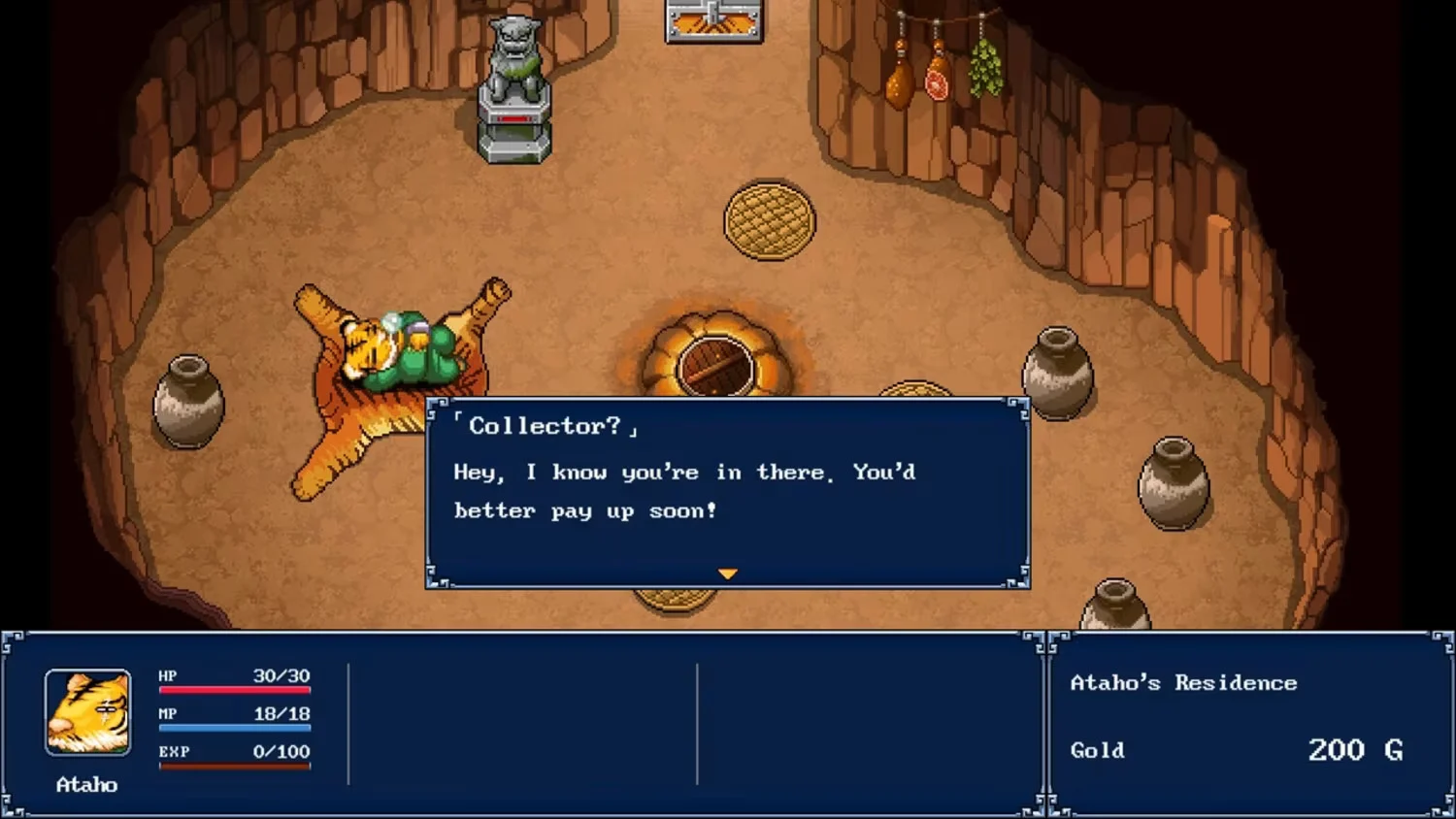
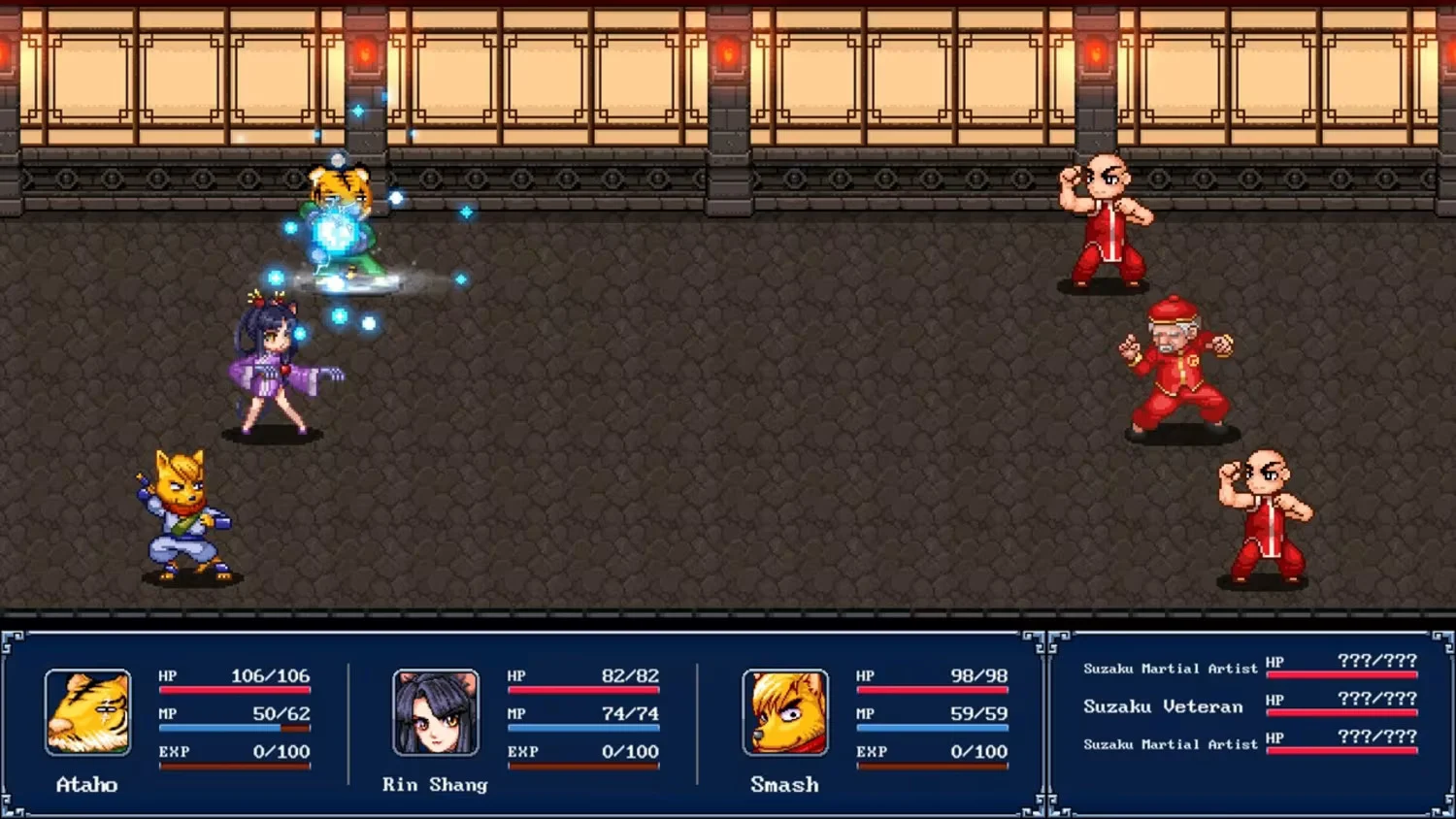
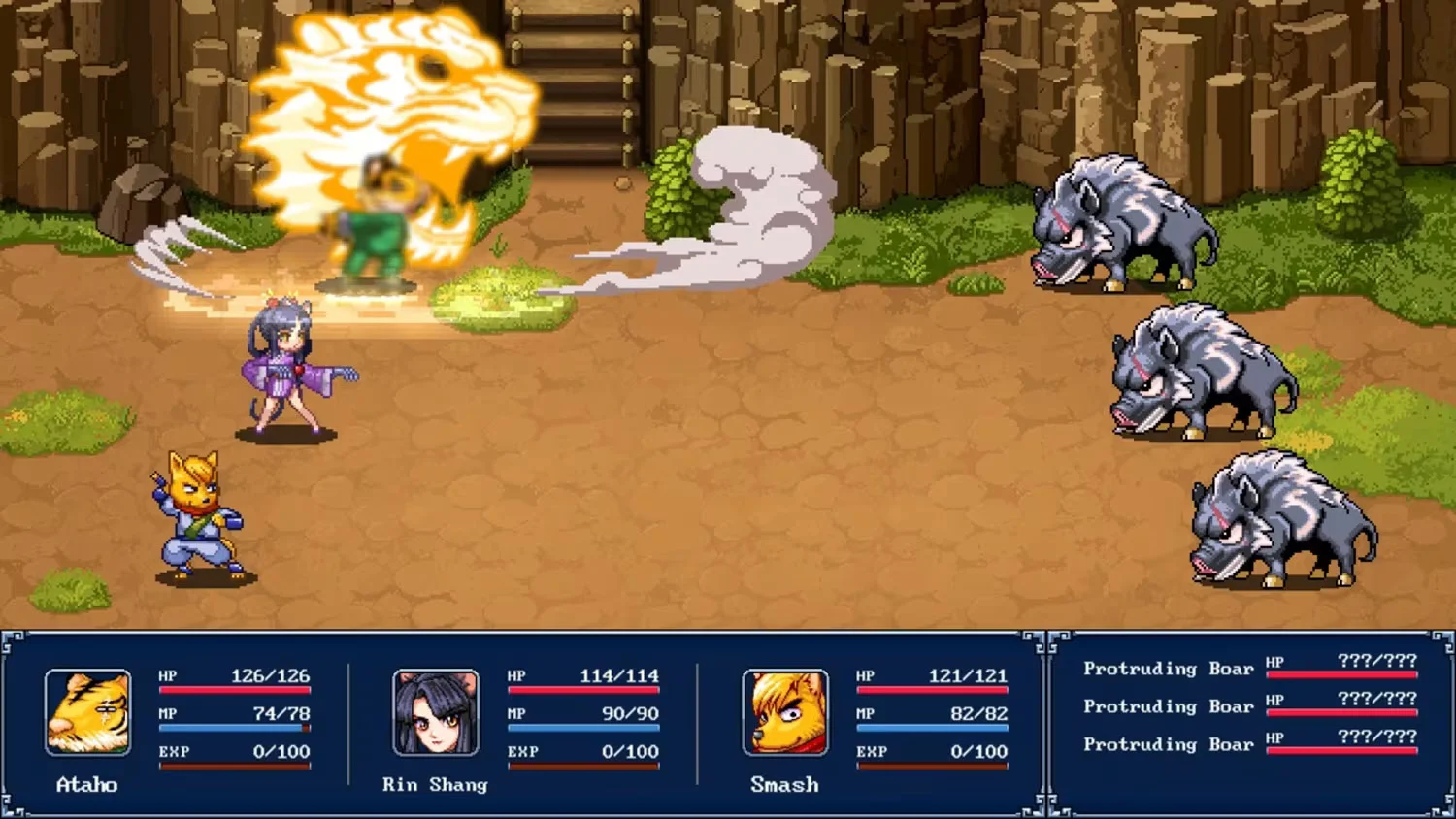
About Game
GENSEISUIKODEN PLUS Switch NSP XCI arrives as a role-playing release built around political upheaval, party building, and the slow transformation of a small resistance into a formidable force. Its blend of pixel-art environments, illustrated portraits, turn-based encounters, and a large recruitable cast gives the adventure a classic RPG structure while the stated refinements aim to make its journey more approachable on Nintendo Switch.
GENSEISUIKODEN PLUS on Nintendo Switch: Release and Platform Details
GENSEISUIKODEN PLUS was released on Nintendo Switch on November 30, 2023. Daewon Media serves as both publisher and developer for this role-playing game, which is available across Europe, the USA, Asia, and Japan.
The release supports English, Japanese, Korean, Simplified Chinese, and Traditional Chinese. That language range fits a game whose appeal rests heavily on character relationships, political conflict, and the individual stories attached to its expanding roster. The Switch version has a listed base firmware requirement of v16.0.0, with a file size of 1.8GB.
For players seeking an RPG that favors a long-form campaign over a narrowly focused combat challenge, the premise is immediately clear: build connections, assemble allies, and push back against a ruling power whose corruption has pushed the world toward open conflict.
A Civil War Story Built Around Destiny and Rebellion
The GENSEISUIKODEN PLUS story unfolds in a realm nearing civil war. A corrupt empire holds power while rebellion gathers momentum among people who have been scattered, oppressed, or drawn into the crisis by circumstance. The central character is motivated by justice and sets out to unite these separate forces against tyranny.
That journey is tied to the 108 Stars of Destiny, a large collection of characters with their own histories, skills, and roles in the wider struggle. The scale of the cast gives the conflict more than one perspective. Rather than presenting rebellion as a simple matter of gathering soldiers, the game frames it through alliances, personal loyalties, and the effort required to bring unlike-minded people under one banner.
Political conspiracies and concealed truths deepen the empire-and-rebellion conflict as the campaign progresses. The story also makes room for betrayal, emotional turns, and alliances that develop through the player’s recruitment efforts. Its atmosphere is shaped by the contrast between a vulnerable resistance and the growing sense that ordinary people can become figures of real consequence.
- Unite the scattered: Recruitment is central to advancing the resistance and expanding the available cast.
- Build a capable party: Different characters bring different abilities, making lineup choices meaningful in combat.
- Develop a home base: A modest headquarters can grow into a stronger castle with added facilities.
- Search beyond the obvious: Towns and dungeons may contain treasures, useful items, secrets, and possible recruits.
- Lead on a larger scale: Strategic war battles place the growing army on a tactical map.
Turn-Based Battles and Six-Character Party Strategy
GENSEISUIKODEN PLUS combat uses turn-based battles with a party of six characters. This format makes team construction an important part of progression: a growing roster is not simply a collection goal, but a source of tactical options for different encounters. Warriors, mages, and other recruits bring distinct strengths, encouraging players to consider balance rather than relying on a single type of fighter.
Runes are another key part of battle planning. Their powerful effects help shape how a six-character party approaches a fight, adding another layer to decisions about who should be placed together. A team built for direct damage may handle situations differently from one that leans on magic or other specialized skills.
The game also includes large-scale strategic war battles, broadening the sense of conflict beyond standard party encounters. These tactical-map battles connect the personal journey of recruiting allies to the larger military struggle against the empire. The result is an RPG rhythm that moves between intimate party management and the wider demands of rebellion.
This structure should suit players who enjoy making gradual improvements to a lineup. New recruits can create reasons to reconsider party arrangements, and the large character pool supports experimentation across the campaign.
Building a Headquarters That Grows With Your Army
The headquarters system gives the resistance a visible home. It begins as a humble base, then develops into a larger stronghold as companions join the cause. This castle development is more than a visual marker of story progress: recruited allies can contribute services and activities that make the headquarters feel increasingly active.
Shops, training areas, and mini-games are among the facilities associated with the expanding base. These additions give the stronghold a practical role between battles and exploration, while also reflecting the growth of the player’s army. The more people brought into the movement, the more established its home becomes.
For an RPG built around collecting more than a hundred unique characters, the headquarters provides a useful sense of continuity. It turns recruitment into something tangible. Each new companion can feel like part of a larger communal effort rather than a name added only to a menu.
Exploration, Towns, Dungeons, and Hidden Discoveries
GENSEISUIKODEN PLUS exploration carries the player through towns, dungeons, and a world filled with places worth searching carefully. The campaign’s recruitment focus makes thorough exploration especially relevant, since new areas may hold not only valuables but also characters who can be persuaded to join.
Hidden treasures, useful items, and secrets reward attention to the edges of a location. Searching each new town or dungeon can therefore support both immediate progress and longer-term party development. A missed passage or overlooked conversation may mean leaving behind a potential recruit or a resource that could be useful later.
This approach gives exploration a measured, curious pace. The game is not only about moving from one major story event to the next; it also invites players to look closely at the spaces between those events. For completion-minded RPG players, the large recruit pool and hidden discoveries provide a clear reason to revisit the question of what may have been missed.
Visual Presentation and Quality-of-Life Refinements
GENSEISUIKODEN PLUS combines charming pixel art with illustrated character portraits. The contrast supports its particular tone: environments retain a retro-styled RPG character, while portraits give individual recruits a more distinct visual identity during story-focused moments.
The release also lists enhanced graphics and quality-of-life improvements intended to make play smoother and more immersive. Those refinements are relevant for a game built around a sizeable cast, headquarters growth, exploration, and multiple forms of battle. Small improvements to the flow of play can matter in an RPG where players regularly shift between towns, dungeons, party management, and castle facilities.
Used naturally, GENSEISUIKODEN PLUS Switch NSP XCI describes a Switch RPG aimed at players drawn to army-building stories, tactical turn-based parties, detailed recruitment, and a rebellion that grows from a scattered cause into a fully supported force.
Recommended Similar Games
 Atelier Sophie: The Alchemist of the Mysterious Book DX SWITCH NSPView Game
 Xuan Yuan Sword: Mists Beyond the Mountains Switch NSPView Game
 Disco Elysium – The Final Cut Switch NSPView Game
 Digimon World: Next Order Switch NSP XCIView Game
 Fuga: Melodies of Steel Switch NSPView Game
 Mugen Souls Z Switch NSPView Game
