FREEDOM WARS Remastered Switch NSP
Report Link Error
Select the broken download file, then submit the report.
Screenshots
About Game
FREEDOM WARS Remastered Switch NSP frames freedom as something measured, earned, and constantly out of reach. Its grim premise places action inside a future where survival is regulated by vast city-states, and every operation carries the pressure of an impossible sentence hanging over the player.
A Dystopian Sentence Sets the Stakes in FREEDOM WARS Remastered
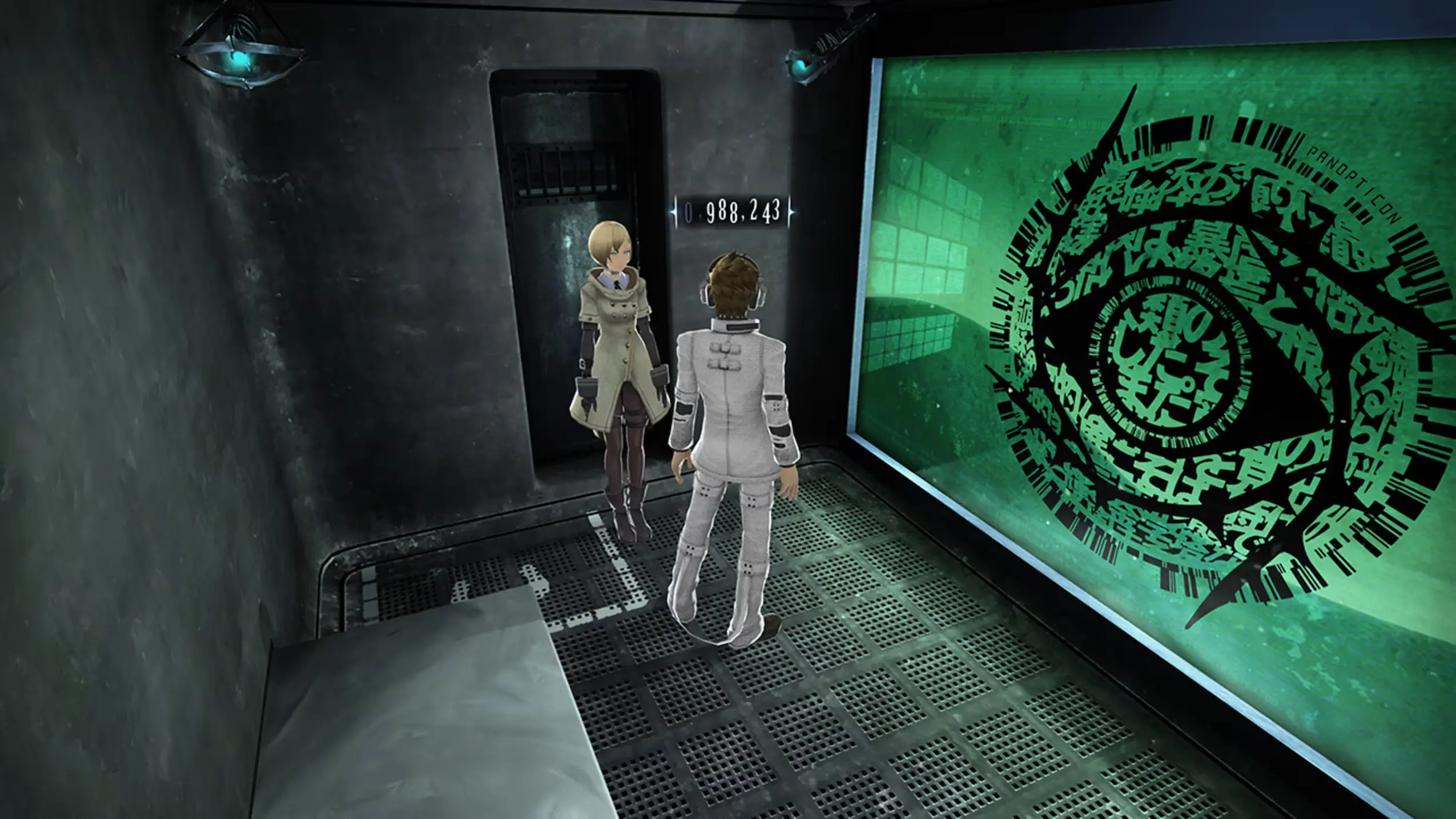
The setting is a dystopian future shaped by scarcity and control. Humanity endures within oppressive city-states known as Panopticons, where resources are limited and citizens are treated as debtors from the moment they are born. A new life begins with a one-million-year sentence, imposed for supposed crimes against humanity. It is an exaggerated punishment, but that scale is central to the game’s atmosphere: freedom is not a right here, but a distant objective.
Prisoners must work to bring that sentence down. Service to the Panopticon becomes the route toward a less restricted existence, even as the system itself defines the terms of that service. The premise gives the action a heavier context than a simple hunt for powerful enemies. Each mission is tied to a struggle for survival, personal progress, and the chance to reclaim a life from an institution built around punishment.
FREEDOM WARS Remastered uses this pressure to support themes of sacrifice, rebellion, and the cost of liberty. The world’s harsh rules make the player’s progress feel consequential: a reduced sentence is more than a score or rank, because it represents movement against an overwhelming social order.
The Fight for Freedom Against the Abductors
The immediate threat comes from the Abductors, colossal creatures that roam the wastelands beyond the safety of the Panopticon. Prisoners are sent into dangerous operations to confront these enemies, protect society’s remaining resources, and pursue reductions to their own sentences. The missions are hazardous by design; service is demanded in places where the risks are immense.
This structure links the game’s conflict to its progression. Success can mean gathering resources, completing objectives, and taking another step toward freedom. Failure, meanwhile, reinforces the hostility of the setting. The wastelands are not presented as an escape from control so much as another front in the Panopticons’ system of survival and enforcement.
The Abductors also give the game a sense of scale. These are not routine opponents to be handled through repetition alone. Their size and power encourage players to think about positioning, equipment, and the condition of the target itself. The result is action with a clear purpose: prisoners fight because they must, but they also fight for the possibility of a different future.
How Third-Person Action and Tactical Teamwork Shape Combat
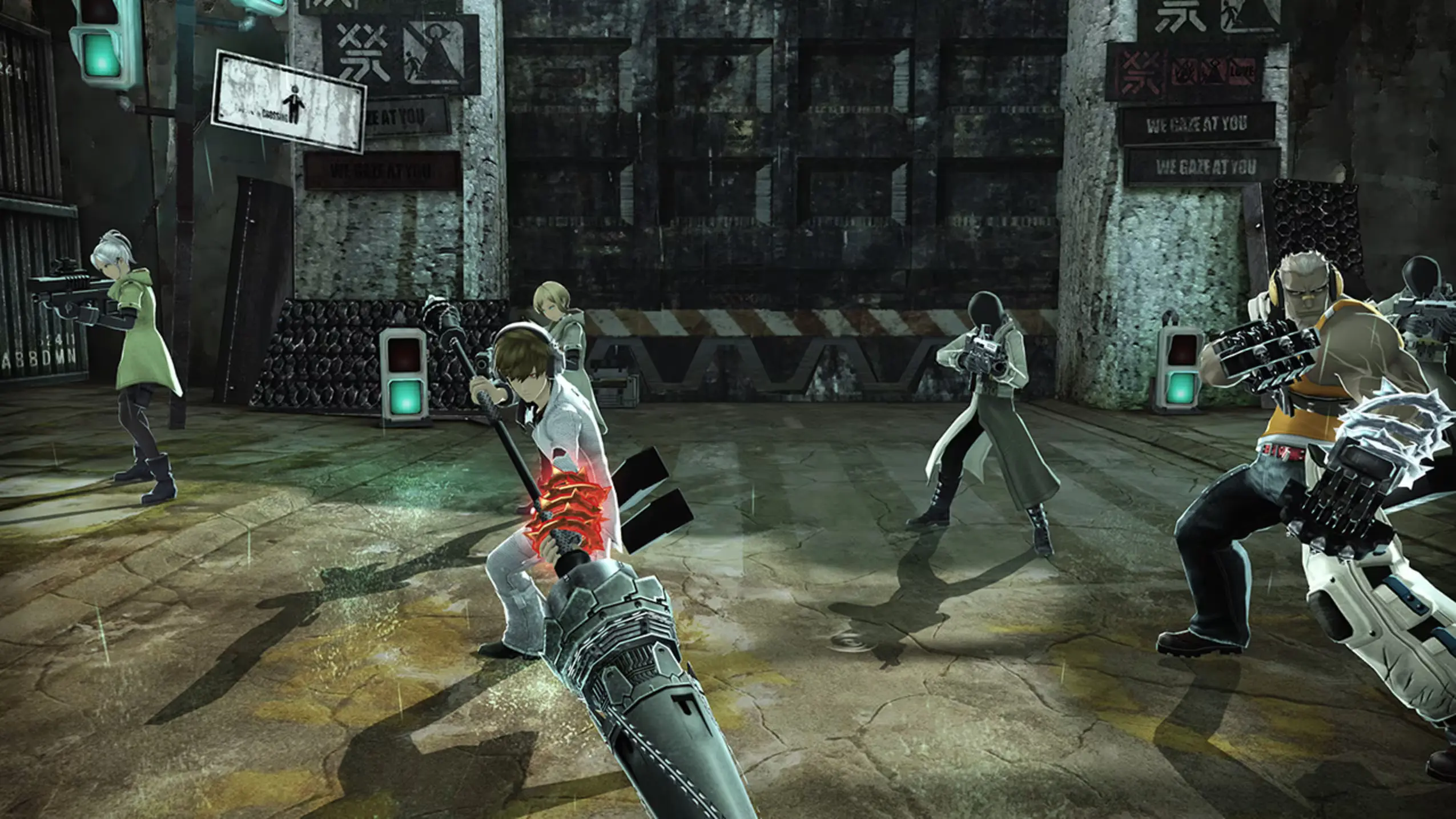
Combat combines fast third-person action with tactical decision-making. Direct attacks matter, but they are only part of the encounter when facing massive Abductors. Powerful enemies call for coordination, careful movement, and a willingness to adjust tactics as a battle develops.
The available arsenal supports different approaches. Melee weapons, swift swords, heavy machine guns, and other ranged options can be adapted to the demands of a mission. This flexibility matters because Abductor battles are not all solved in the same way. A weapon that helps at close range may require a different approach than one intended to pressure an enemy from a safer distance.
Teamwork is equally important. Prisoners can take on cooperative multiplayer missions alongside other players, pursuing shared goals against formidable threats. Even outside that mode, the combat’s tactical emphasis encourages players to consider how attacks, movement, and support work together. The strongest moments come from treating the battlefield as a space to manage rather than merely a place to fire or strike.
Why the Accessory Matters During High-Risk Missions
Each prisoner can customize both their own character and an Accessory, a companion that accompanies them in battle. This companion is part of the game’s broader emphasis on preparation. Character appearance and abilities can be adjusted, while weapons, armor, and upgrades help shape a preferred style of play.
The Accessory is especially relevant during intense skirmishes, where cooperation can improve a prisoner’s effectiveness. Its presence fits the game’s underlying tension: even in a society that turns people into numbered offenders, survival still depends on coordination. The companion is not just a cosmetic element. It supports the sense that difficult missions require more than individual aggression.
Customization also gives progression a practical role. Resources gained through missions can feed back into preparation for later challenges, encouraging players to refine their approach as stronger threats appear. That loop of missions, materials, equipment, and sentence reduction provides a reason to return to demanding operations rather than viewing each one as an isolated fight.
1. Use Thorns for Positioning 2. Target Components 3. Coordinate Your Team
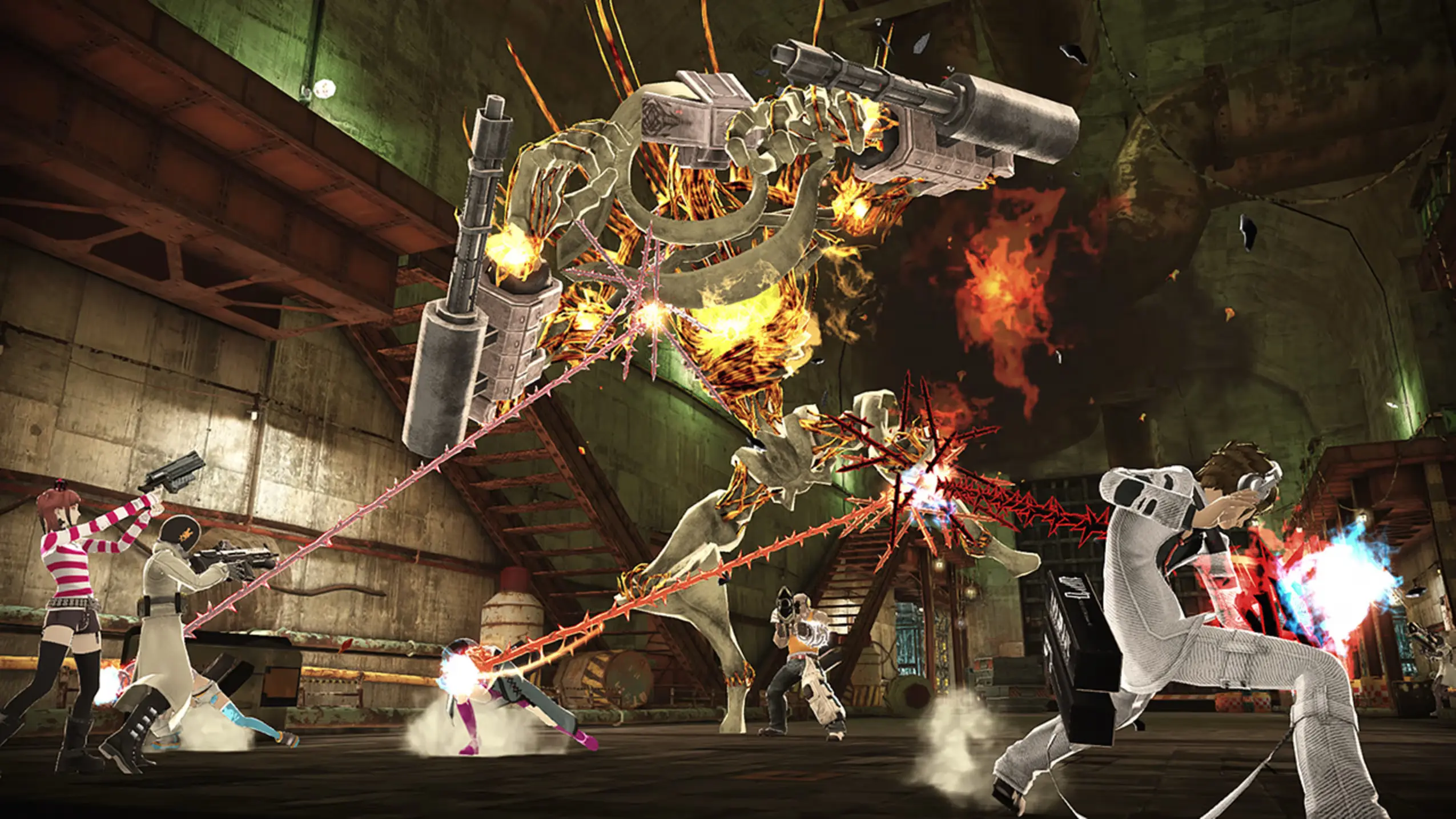
The Thorns system is a defining tool in battle. These grappling devices add vertical movement and create options beyond straightforward attacks. They can be used to cross the battlefield quickly, latch onto huge enemies, and help expose or remove valuable parts. A few practical priorities follow from the game’s mechanics:
- Move with Thorns. Use the grappling system to gain height, reposition quickly, and avoid treating the battlefield as a flat arena.
- Latch onto Abductors. Grappling onto a colossal enemy can create opportunities that are difficult to reach from the ground.
- Focus on components. Tearing off Abductor components can provide materials, making precise targeting valuable alongside raw damage.
- Adapt your weapons. Shift between melee and ranged options according to distance, enemy behavior, and the demands of the mission.
- Coordinate the group. Team communication and complementary actions are vital when a powerful target requires more than a single prisoner’s attack.
These principles also support replay value. Different weapon choices, character adjustments, cooperative missions, and the varied demands of powerful Abductor types can keep players experimenting with how they approach an operation.
FREEDOM WARS Remastered on Nintendo Switch: Release and Technical Details
FREEDOM WARS Remastered Switch NSP is listed for the USA region with a release date of January 10, 2025. Bandai Namco Entertainment is the publisher, and the game is classified in the Action genre for Nintendo Switch.
The supported language options are English, French, German, Italian, Japanese, Korean, Portuguese, Chinese, Spanish, and Traditional Chinese. The listed firmware requirement is 19.0.0. Its tense prison-state premise, fast third-person battles, component-focused encounters, and cooperative mission structure make it most suitable for players drawn to action games that pair large-scale enemy fights with tactical movement and team coordination.