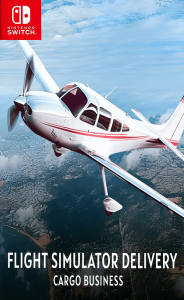
Flight Simulator Delivery: Cargo Business Switch NSP
Report Link Error
Select the broken download file, then submit the report.
Screenshots
About Game
Flight Simulator Delivery: Cargo Business Switch NSP puts the player in the cockpit of a growing air-freight operation, combining simulation-minded flight tasks with accessible arcade elements on Nintendo Switch. Its focus is not on a fixed scripted plot, but on the practical rhythm of taking cargo jobs, improving as a pilot, and turning a modest start into a larger virtual aviation business.
What Flight Simulator Delivery: Cargo Business Is About
Flight Simulator Delivery: Cargo Business is a cargo airline simulation built around the responsibilities of moving goods by air. Flights involve more than simply reaching a destination: players prepare for departures, select an aircraft suited to an assignment, plan routes, account for conditions, and aim to land safely with a delivery completed on time.
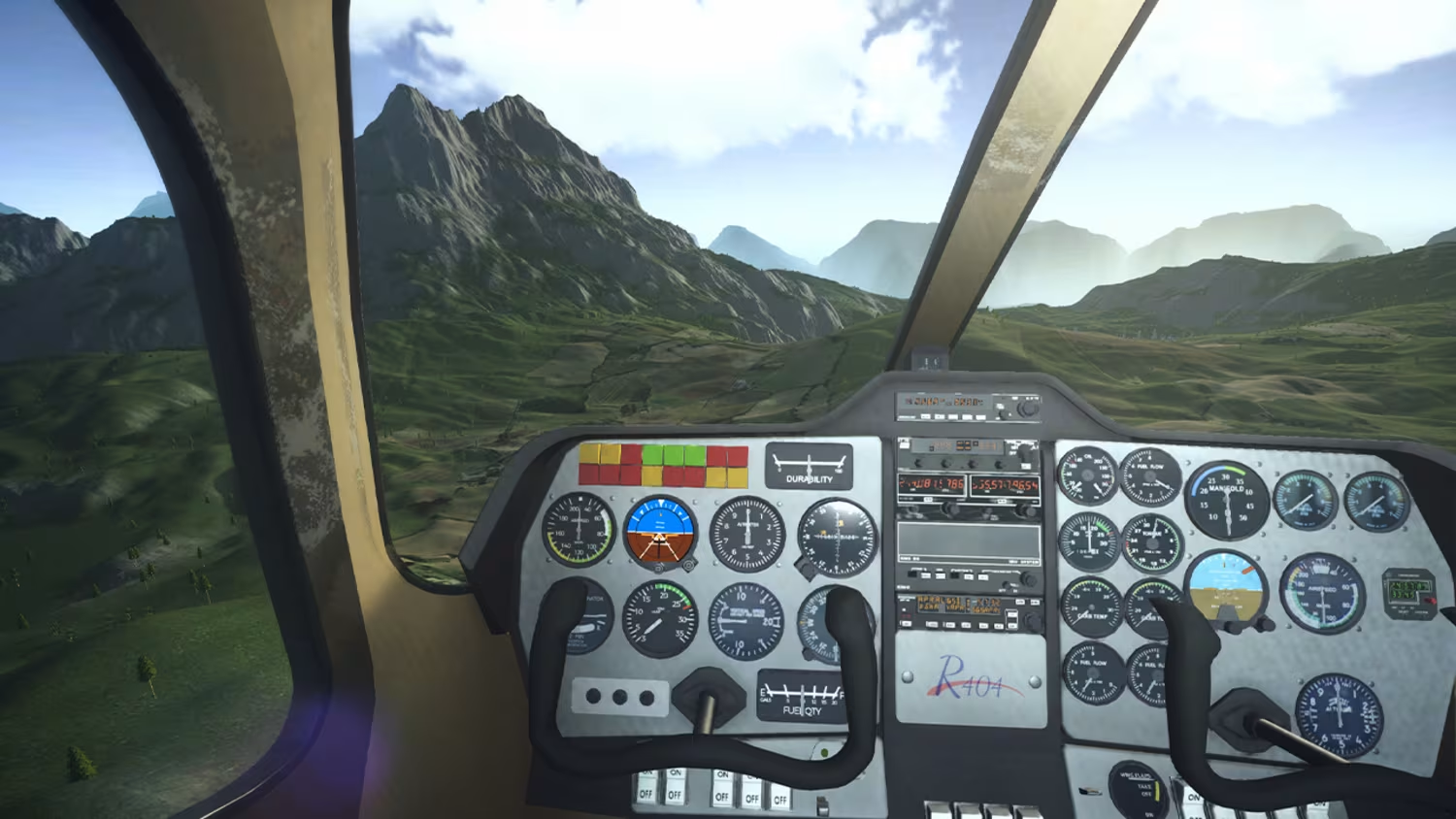
The game’s Simulation and Arcade genre labels fit that balance. It presents systems such as fuel, cargo weight, aircraft handling, weather, air traffic, takeoff procedures, and landing procedures, while framing them around clear delivery contracts and business growth. The result is an experience concerned with the working side of aviation rather than passenger travel or a conventional campaign story.
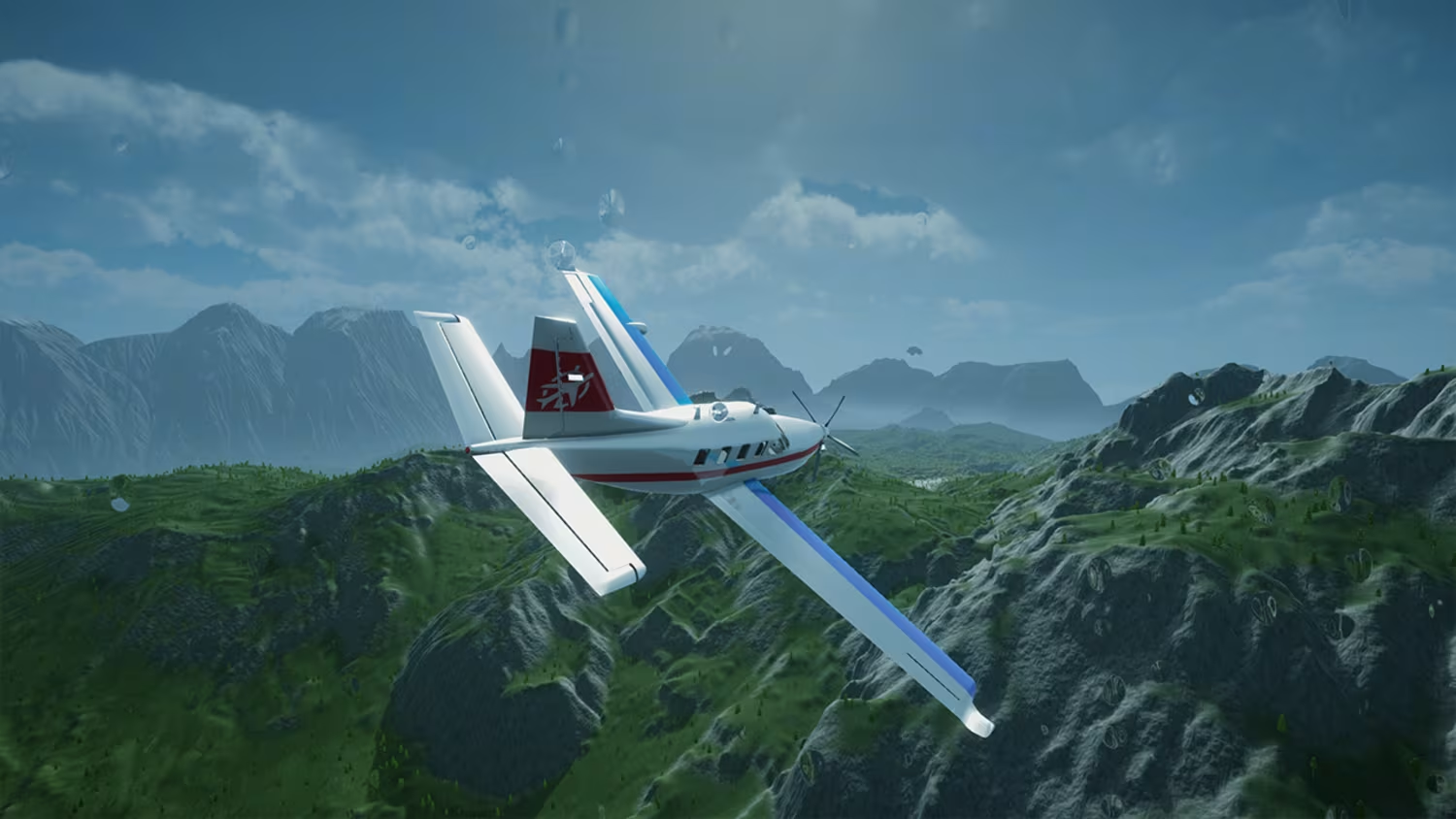
Its atmosphere is shaped by changing flying conditions. Dynamic weather, day-night cycles, and environmental shifts can affect a route and ask the player to adapt. Different airports and regions give delivery work a changing backdrop, while the pressure to protect cargo and complete assignments keeps the focus on careful flying.
Build a Cargo Career From Rookie Pilot to Fleet Owner
The progression begins with a rookie cargo pilot and a small aircraft. From there, delivery contracts provide the structure for a self-directed cargo pilot career. Completing jobs builds reputation and earns in-game currency, opening the way to tougher routes and more rewarding cargo assignments.
This is not presented as a linear sequence of story missions. Instead, the player’s business becomes the narrative. A successful contract can support the next decision: take on another assignment, improve the current aircraft, or work toward purchasing a more capable plane. Over time, that process can lead to a broader hangar and a stronger cargo operation.
Fleet expansion is therefore tied to performance and planning. Better opportunities come through steady work, while the demands of more challenging contracts encourage players to sharpen their route choices, resource management, and landing technique. The career structure gives repeat flights a purpose, since progress is measured through reputation, earnings, available aircraft, and the scale of the business.
The Core Delivery Loop: Plan, Fly, Land, and Earn
The cargo delivery gameplay follows a practical sequence. Before departure, players carry out pre-flight preparation and consider the conditions attached to a job. They then choose an aircraft, plan an efficient route, manage important resources, fly the mission, and complete the delivery with a controlled landing.
Flight planning matters because weather and route demands can change the difficulty of a contract. Fuel and cargo weight also affect flight performance, making them part of the preparation rather than background details. During the journey, players may need to navigate air traffic and weather systems while maintaining a safe, efficient approach to the destination.
Landings are especially important. Airports can require careful takeoff and landing procedures, and a precise arrival supports the goal of delivering cargo safely. Success is tied to piloting skill, resource decisions, and timely completion, so even a familiar task can play differently when conditions, aircraft, or route selection change.
That variation supports replay value without requiring a traditional story path. Different delivery contracts, regions, aircraft, weather conditions, and business decisions give players reasons to revisit the loop as they develop their operation.
Choosing Aircraft for Cargo Missions
Aircraft selection is a key part of preparing for delivery missions. The game includes a variety of cargo aircraft, and each is described as having its own handling characteristics. That means the choice of plane is connected to more than appearance: it can influence how a flight feels when taking off, navigating a route, and setting up for landing.
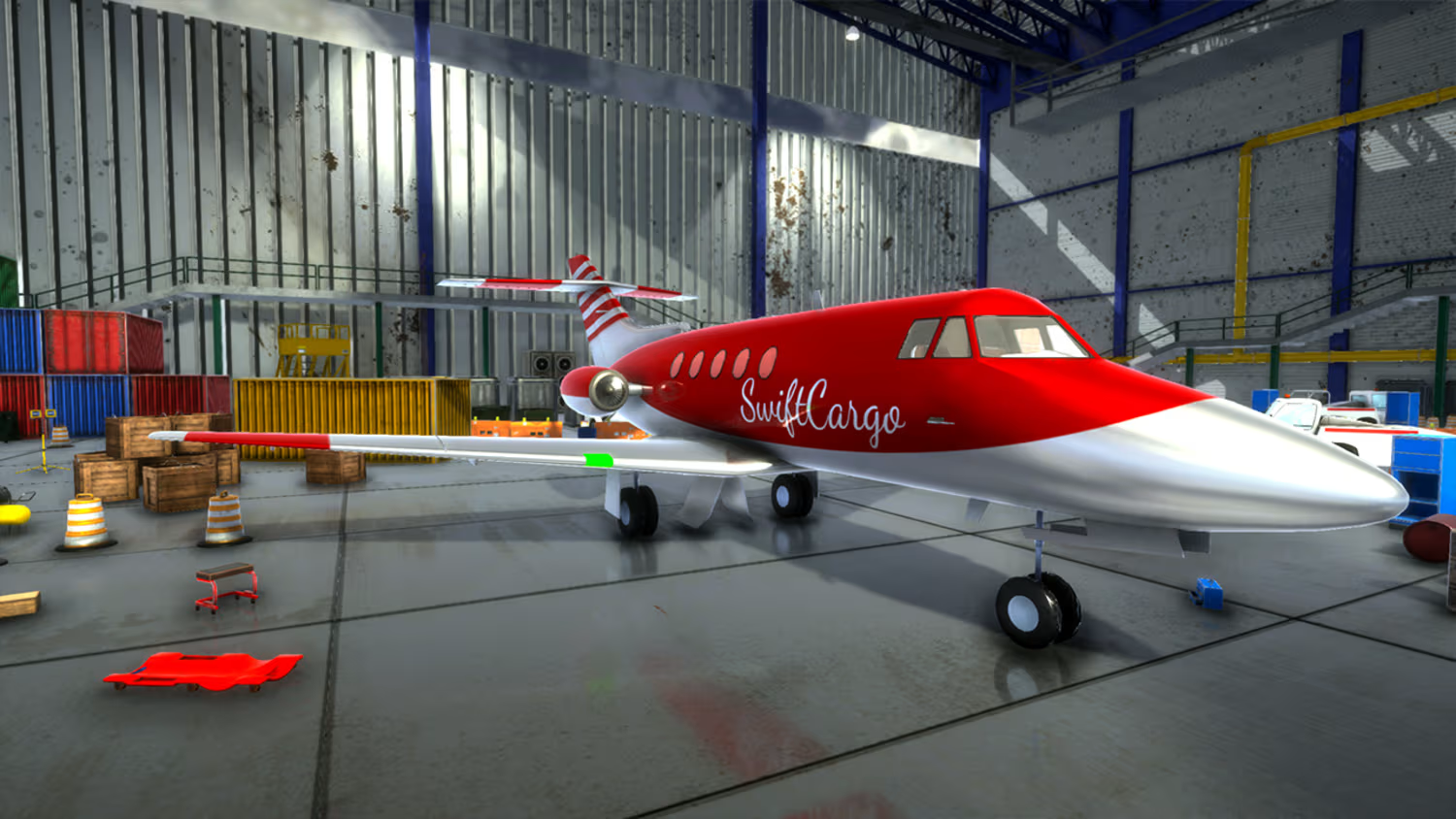
A player can weigh the needs of a cargo assignment against the aircraft available in the hangar. As the business grows, existing planes can be upgraded and new, more capable aircraft can be purchased. This gives fleet growth a practical role in the career, linking earnings from completed deliveries to more options for future work.
Experimentation also has a place here. Trying different cargo aircraft on different routes can help players understand their handling and find combinations that suit their approach to delivery missions. The emphasis remains on making informed choices before a flight, then managing the consequences in the air.
5 Practical Priorities for New Cargo Pilots
- Check the weather. Review conditions before accepting a flight, since adverse weather can make a delivery more difficult and affect route decisions.
- Start short. Shorter routes provide a sensible way to learn the flow of contracts, aircraft control, and airport procedures before taking on more demanding trips.
- Watch fuel and weight. Fuel and cargo weight are crucial resources for flight performance, so they should be considered as part of every departure plan.
- Practice landings. Careful approaches and precise landings help support safe cargo deliveries while building confidence with different airports and aircraft.
- Test your options. Experiment with aircraft and route choices to learn which handling characteristics and plans work best for a given assignment.
These priorities align with the game’s broader cargo business strategy. Efficient work is not only about reaching a destination; it is about choosing manageable jobs, preparing properly, protecting the delivery, and using each completed contract to improve future opportunities.
Game Facts: Release, Genre, Publisher, and Switch Details
| Title | Flight Simulator Delivery: Cargo Business |
|---|---|
| Release date | October 5, 2024 |
| Genres | Simulation, Arcade |
| Publisher | 404 Games |
| Region | USA |
| Language | English |
| Nintendo Switch firmware | 18.1.0 |
| File size | 587 MB |
| Title ID | 0100415020914000 |
Flight Simulator Delivery: Cargo Business Switch NSP is suited to players looking for a delivery-focused flying game with career progression, aviation-business management, and repeated opportunities to improve their handling, planning, and landing skills. Its appeal lies in the steady movement from small contracts and a single plane toward a larger fleet and more ambitious cargo work.