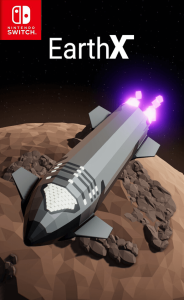
EarthX Switch NSP
Report Link Error
Select the broken download file, then submit the report.
Screenshots
About Game
EarthX Switch NSP is a strategy and simulation game from Pineapple Works that places the player in charge of a growing space agency. Released on Nintendo Switch on July 12, 2023, it frames space exploration as an entrepreneurial challenge: build the infrastructure, develop the technology, manage the people and money, then turn successful launches into a larger presence across the solar system.
EarthX on Nintendo Switch: A Space Agency Management Simulation
EarthX Switch combines the practical demands of company management with the ambition of spaceflight. The starting point is modest, with a young organization working toward its first orbital milestones. From there, the work expands through research, construction, contracts, staffing, and mission decisions.
Pineapple Works serves as both publisher and developer, and the game’s focus remains firmly on the operational side of a space agency simulation. Rather than following a fixed character-led narrative, it lets the player’s choices shape the route forward. A company may prioritize dependable early launches, pursue technology development, seek income through contracts, or prepare for more distant destinations. Progress comes from balancing those goals rather than treating any one system as separate from the others.
The setting supplies much of the atmosphere. Launchpads, factories, rockets, satellites, and distant colonies give the management systems a clear sense of purpose. Each advancement represents more than a menu upgrade: it is another step from an early launch site toward a spacefaring organization with larger responsibilities.
Building a Space Company From Its First Launchpad
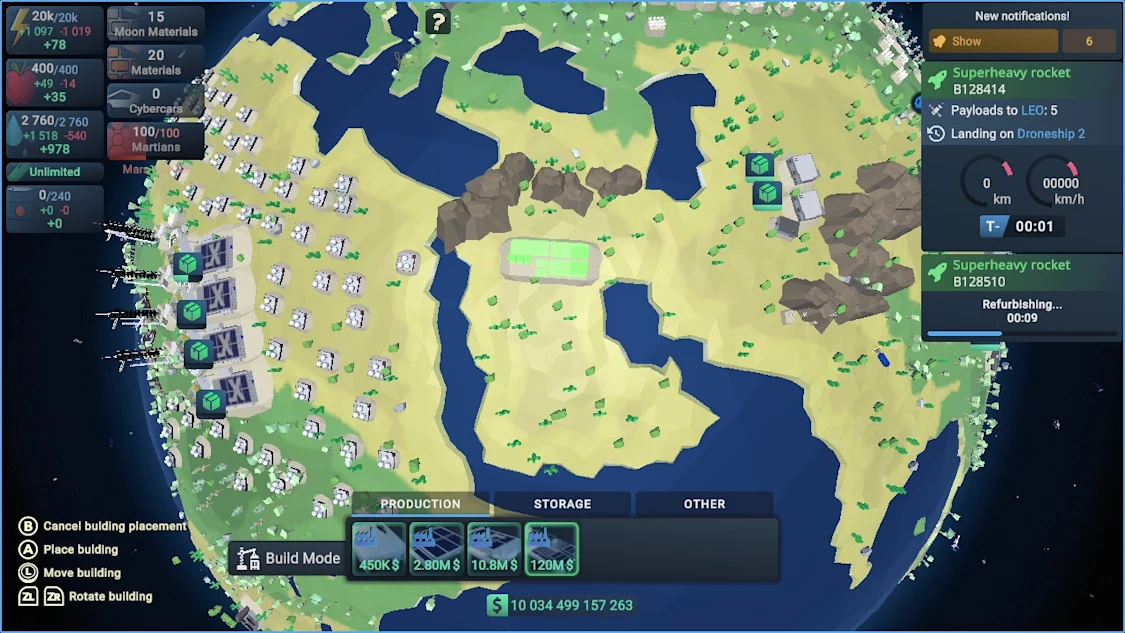
The early game begins with the foundations of a functioning company. Players construct launchpads and manufacturing facilities, then expand their rocket factories as their ambitions and resources grow. These decisions matter because infrastructure supports the work that follows: rockets need to be built, missions need to be prepared, and a business needs enough income to keep moving.
Space company management is not limited to placing buildings. EarthX asks players to make investment choices, manage a budget, hire skilled employees, and keep an eye on public image. The company’s workforce and finances sit alongside its launch plans, creating a progression loop in which a successful mission can support the next improvement.
The journey from a first launchpad to Earth orbit gives the game a natural pacing. Early objectives are smaller and more manageable, while later possibilities demand more preparation. That gradual climb makes the agency’s development feel earned. A new facility or upgraded production capability can improve efficiency, but expanding too quickly can also put pressure on the budget.
Rocket Design, Satellites, and Mission Planning
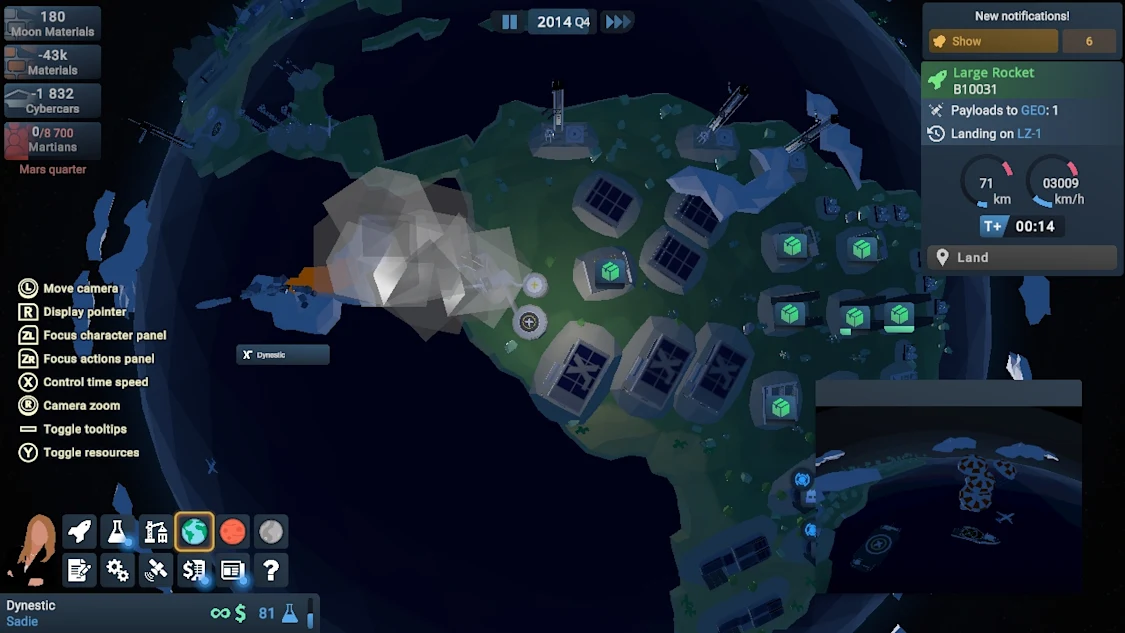
Rocket and satellite design are central to EarthX’s mission structure. Players research technologies ranging from engines to satellite components, then use those developments to prepare vehicles for different assignments. The game’s design emphasis is on decisions: choosing suitable technology, building for the intended task, and planning launches carefully.
EarthX rocket design supports a wider mission-planning process rather than acting as an isolated feature. A satellite mission requires the right equipment, while a more ambitious journey calls for a stronger technological base and enough resources to support it. This makes research an important long-term consideration, especially when deciding where limited early funds should go.
Reliable launches carry obvious value. Successful missions can build reputation and contribute to revenue through contracts, while setbacks offer a reason to reassess an approach. The game treats failure as part of the broader space-exploration process, encouraging players to learn from poor outcomes instead of expecting every plan to work immediately.
From Earth Orbit to Lunar, Martian, and Colony Goals
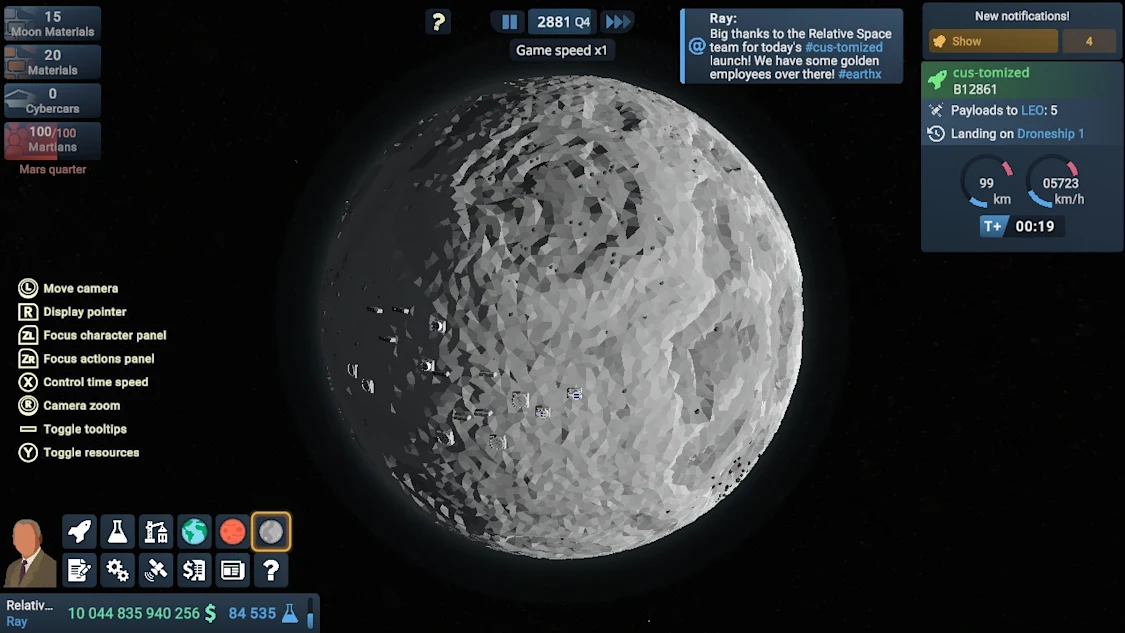
EarthX’s progression reaches beyond local orbital work. Missions can be launched into Earth orbit before the agency turns its attention toward the Moon and Mars. These destinations mark a change in scale, asking the player to translate early infrastructure and research into more demanding objectives.
EarthX Moon missions and Mars missions extend the game’s sense of progression, but they are not the final ambition. The agency can establish resource-generating colonies on other worlds, connecting exploration to the company’s economic needs. Colonization therefore becomes a strategic project as well as an expansion of humanity’s reach.
That path—from launchpad, to orbit, to lunar and Martian missions, to off-world colonies—gives the simulation a strong long-term structure. It also creates room for different priorities across repeat attempts. A player can focus on a steadier financial base before expanding, or push technological research earlier in preparation for distant goals. The same systems of construction, research, contracts, and workforce management remain relevant as the scale increases.
9 Early-Game Priorities for EarthX
The opening phase rewards restraint. There are many possible investments, but a stable agency is more useful than an impressive-looking one that cannot support its next mission. These six priorities group the most important early concerns into a practical order:
- Build reliability first. Start with small, dependable rockets to establish income and reputation before committing to larger, riskier projects.
- Research the basics. Prioritize fundamental rocket components and fuel efficiency so later designs have a stronger technological base.
- Protect the budget. Watch cash flow closely, avoid early overspending, and use profitable contracts to create a more consistent stream of revenue.
- Upgrade with purpose. Improve facilities when the finances can support it, since better efficiency is valuable only if the company can sustain the investment.
- Train and track opportunities. Employee training can improve mission success rates, while monitoring the market helps identify contracts worth pursuing.
- Colonize carefully. Plan off-world expansion around resource needs, and treat setbacks as information that can improve the next strategy.
These priorities suit the game’s broader space agency strategy. A player does not need to rush every system at once. Strong early research, a sensible workforce, and controlled spending can make later expansion less fragile.
Competing for Space Industry Leadership
The ultimate objective is to become a leading space agency while expanding humanity’s presence across the solar system. That goal is complicated by competing computer-controlled agencies, which make market position and reputation meaningful alongside pure exploration. It is not enough simply to reach a destination; the company also needs to remain capable of funding future work.
EarthX Switch NSP is therefore suited to players who enjoy planning around connected systems. Its appeal comes from seeing a small agency develop through factories, launchpads, research projects, contracts, missions, and colonies. The presentation is rooted in recognizable space-industry ambitions, while the replay value comes from the many decisions involved in managing resources, technology, timing, and expansion.
For players drawn to simulation games with a strategic, economic angle, EarthX offers a route from the first rocket launch to wider solar-system goals. Its strongest idea is simple: every major milestone depends on the groundwork laid before it.