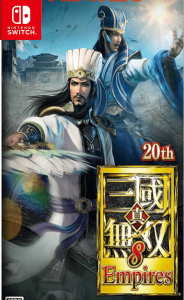
Dynasty Warriors 9 Empires Switch NSP
Report Link Error
Select the broken download file, then submit the report.


Screenshots
About Game
Dynasty Warriors 9 Empires Switch NSP brings Omega Force’s blend of large-scale action and political ambition to Nintendo Switch. Released on February 15, 2022, the game combines Action, Simulation, and Strategy elements as players pursue the unification of ancient China through battlefield victories, territorial growth, diplomacy, and officer relationships. Published by KOEI TECMO Games, it offers campaigns built around player decisions rather than a single fixed storyline.
Dynasty Warriors 9 Empires on Nintendo Switch: Game Overview
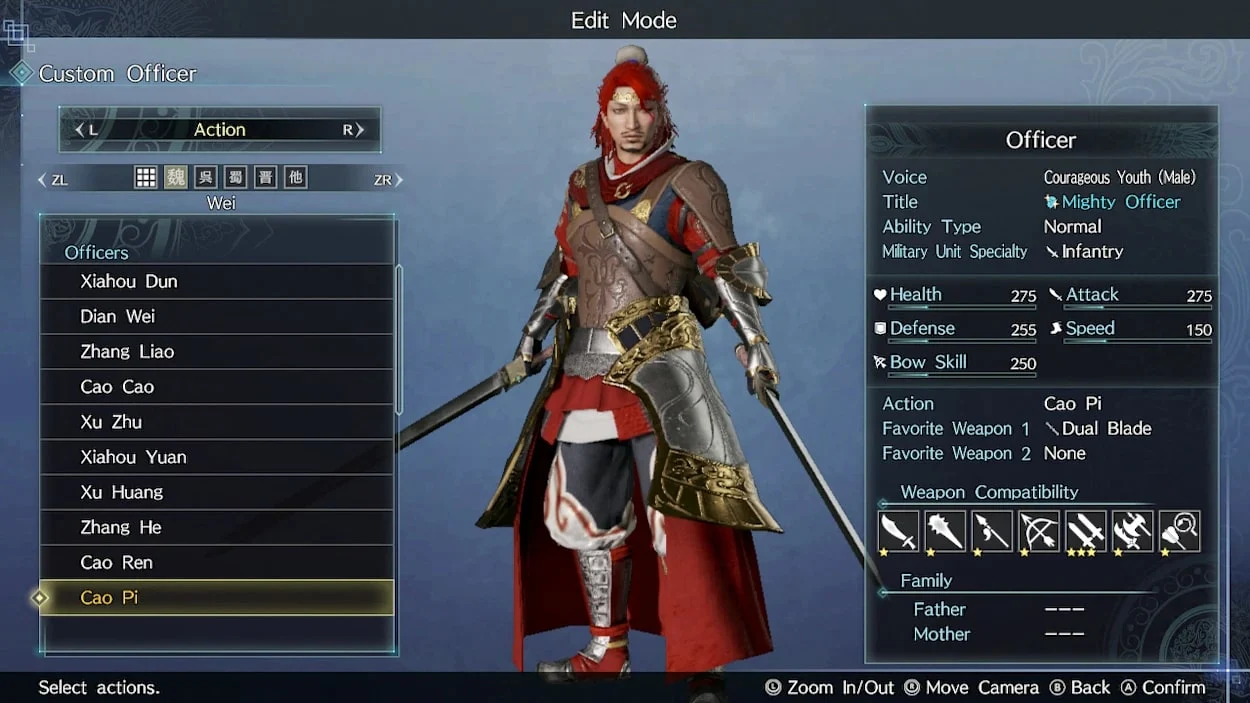
In Dynasty Warriors 9 Empires Switch NSP, the central goal is to bring the land under one banner. Players may select a historical officer or create a custom officer, then shape a personal campaign through military choices, political moves, and connections with other characters. Alliances can form, rivalries can deepen, and a force can rise or fall according to the decisions made between battles.
Omega Force approaches the setting through two complementary perspectives. One is immediate and physical: a warrior faces dense groups of enemies in the series’ familiar one-against-a-thousand style of combat. The other is broader and more deliberate, asking players to consider territories, available officers, resources, and the next step toward expansion. This creates an atmosphere of constant pressure, moving from the noise of a siege to the quieter business of governing a growing faction.
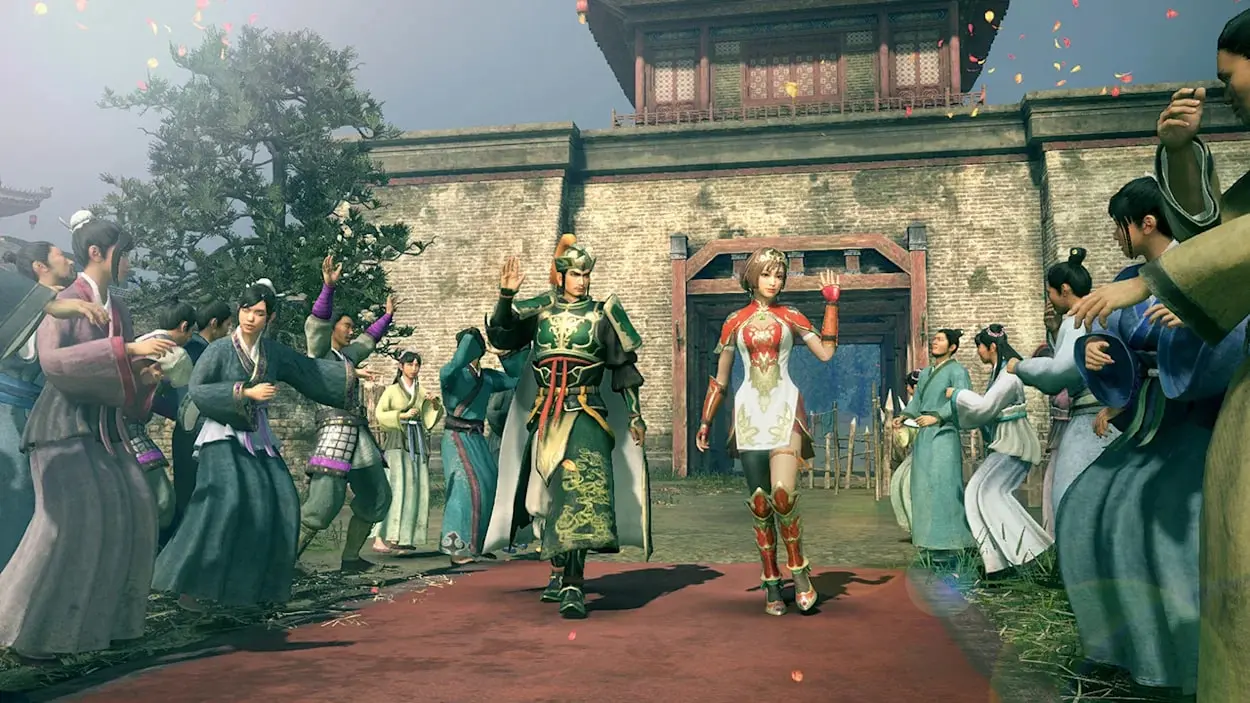
The game’s structure also gives each campaign room to develop differently. A created officer can be customized with appearance and skill options, while relationships with other officers may lead to stronger bonds, marriage, and children. That personal layer supports the larger empire-building framework, making the campaign feel less like a fixed historical retelling and more like a player-directed rise to power.
From Strategic Map Decisions to Real-Time Battles
Dynasty Warriors 9 Empires gameplay shifts between planning and action. On the strategy map, players decide how their power will grow, weigh their position against neighboring forces, and prepare for future conflicts. Internal affairs matter here, because a campaign needs more than successful attacks to remain stable. Income, resources, troop strength, and officer support all contribute to a force’s ability to continue expanding.
Those map decisions lead into real-time battles, where the pace changes sharply. Instead of simply observing a plan unfold, players enter the field and fight through large groups of foes directly. The hack-and-slash action supplies the immediate spectacle, but it remains connected to the wider campaign. Winning a battle can affect territorial control and influence the next strategic decision; losing ground can create new problems to solve.
This alternating rhythm is important to the game’s identity. The strategy map encourages patience and long-term planning, while real-time battles reward awareness under pressure. A campaign therefore asks for more than combat ability. It asks players to decide where to commit forces, when to broaden their reach, and how to keep their position secure after a victory.
Castle Sieges, Defense, and Battlefield Momentum
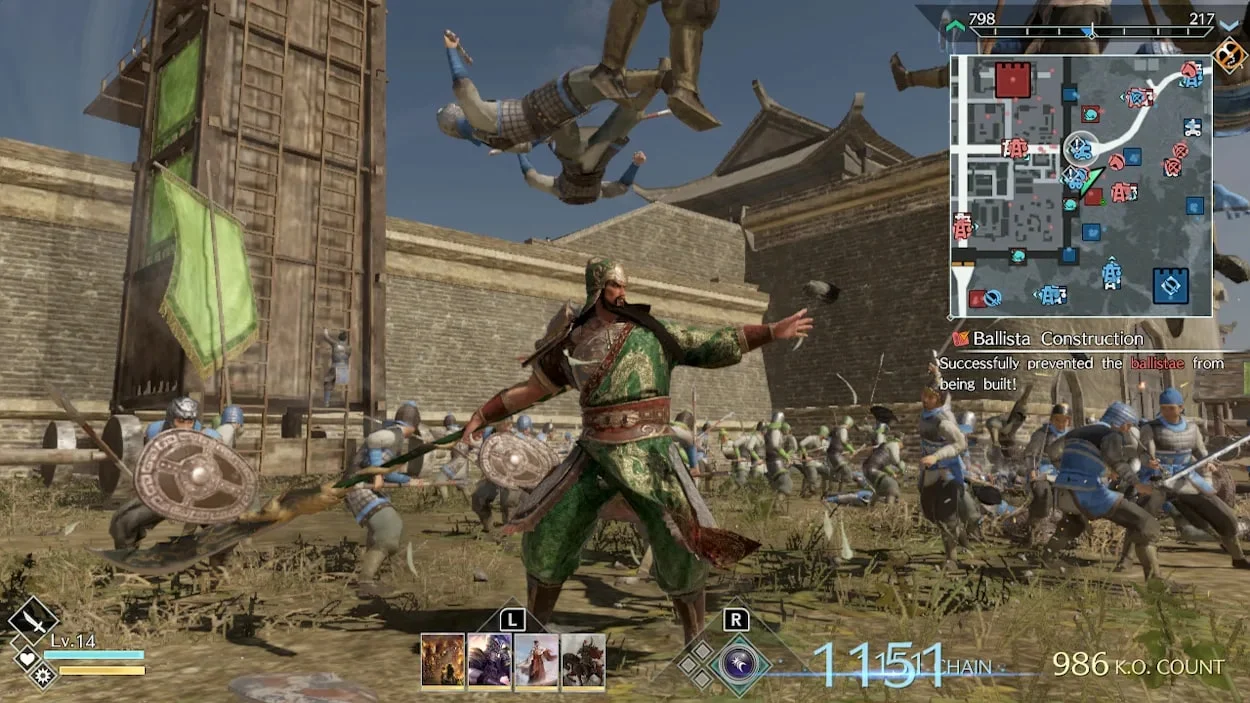
Castles are focal points of conflict in Dynasty Warriors 9 Empires. Attacking an enemy castle places the player’s force in an offensive role, pressing through resistance to take control of territory. Defending a castle reverses that tension, requiring players to protect their own position from an advancing enemy. Both situations frame the action around a clear strategic objective rather than combat for its own sake.
Large enemy groups give battles their familiar Dynasty Warriors scale, but tactical choices still influence the flow of a clash. The player is not only trying to defeat foes; they are trying to establish battlefield momentum for their side. An attack that gains traction can strengthen an empire’s position, while a successful defense protects the resources and development tied to a territory.
That connection makes siege warfare feel consequential. A battlefield is part of a larger political contest, and every defended border or captured stronghold can change the options available on the map. The presentation shifts naturally between the broad view of competing forces and the close-up intensity of a single officer cutting through an opposing army.
Secret Plans and the Importance of Battle Timing
Dynasty Warriors 9 Empires Secret Plans add another tactical consideration to real-time encounters. These battle tools can change the direction of a fight, but their value depends on when they are used. Saving a plan for a critical moment may be more effective than activating it without regard for the state of the battlefield.
This reinforces the game’s preference for combat strategy over pure button-mashing. Fast attacks and crowd control remain central to the action, yet players are also encouraged to read the situation: Is the force losing momentum? Is an enemy castle under pressure? Is this the moment to commit a tool that could help turn the tide? The answers can shape the outcome of a siege or defense.
Secret Plans therefore fit the wider Empires format. They are not separate from the campaign’s strategic concerns; they are one of the ways planning reaches into battle. The strongest use comes from connecting a tactical decision to the larger goal of protecting territory, breaking an opponent’s position, or opening the way for expansion.
Territory Development, Resources, and Force Growth
Conquest alone does not sustain an empire. Internal affairs allow players to develop territories in support of income, resources, and troop strength. A stronger foundation gives a force more room to pursue long-term goals, especially when conflicts and diplomacy place demands on several fronts.
Territory development is a form of progression that sits alongside officer growth and military success. The more effectively a faction manages what it controls, the better prepared it can be to recruit officers, field its forces, and respond to threats. Resources are not merely background numbers; they are part of the practical support system behind expansion.
Relationships also contribute to the sense of a developing force. Forming alliances and rivalries with officers can affect a campaign’s political shape, while compatibility between officers can improve performance. These systems give the empire a human dimension, connecting resource management and territorial ambition to the people tasked with carrying those plans forward.
7 Strategic Priorities for a Stronger Empire
- Build the foundation. Prioritize territory development to support income, resources, and troop strength before pushing too aggressively into new conflicts.
- Recruit consistently. Add new officers regularly to expand available forces and create more strategic options for the campaign.
- Value compatibility. Pay attention to officer relationships, as strong bonds and compatibility can support better performance.
- Time Secret Plans carefully. Treat them as turning-point tools, using them when a battle’s momentum can genuinely be changed.
- Use diplomacy. Alliances can reduce the risk of fighting on multiple fronts and create breathing room for development.
- Manage the whole force. Balance immediate military opportunities with the needs of defended territory, resources, and future expansion.
- Experiment with officers. Different officer types and a custom officer’s available options encourage players to test approaches across multiple campaigns.
The result is a game suited to players who enjoy both direct hack-and-slash action and the slower satisfaction of managing an emerging power. Its replay value comes from the absence of a fixed storyline, the ability to choose or create an officer, and the many ways alliances, rivalries, battles, and territorial decisions can shape a campaign across ancient China.