Danganronpa V3: Killing Harmony Anniversary Edition Switch NSP
Report Link Error
Select the broken download file, then submit the report.
Screenshots
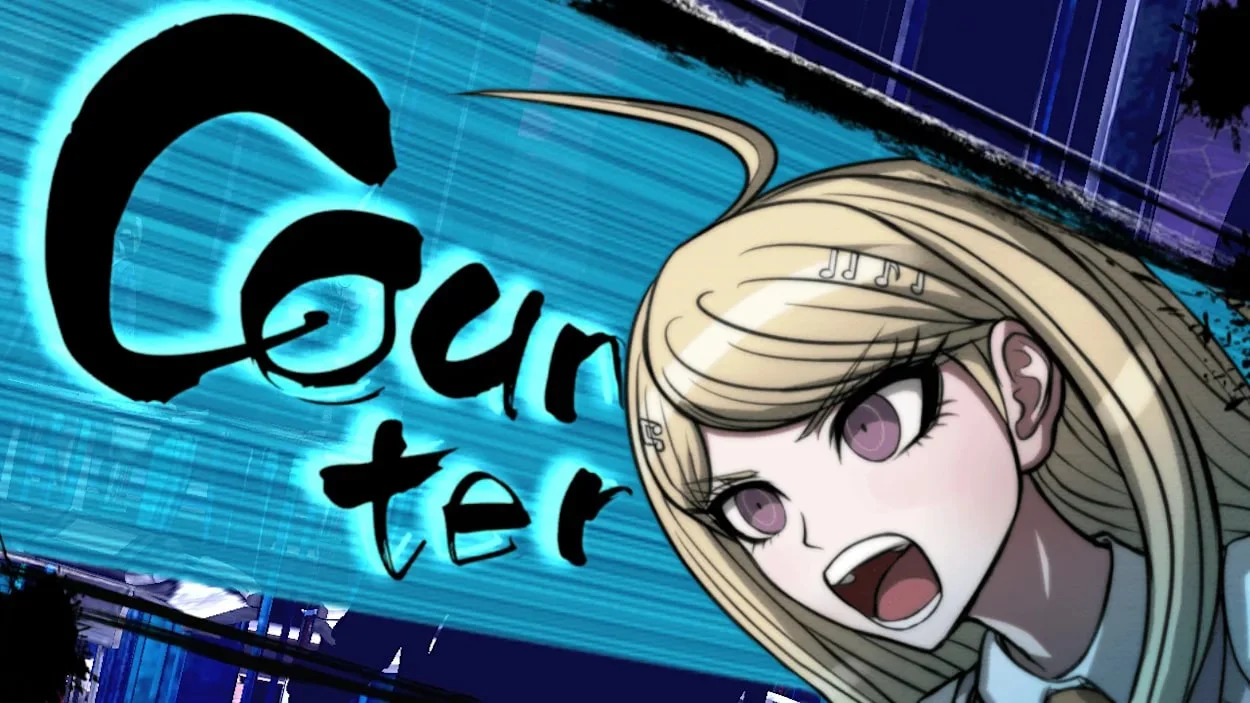
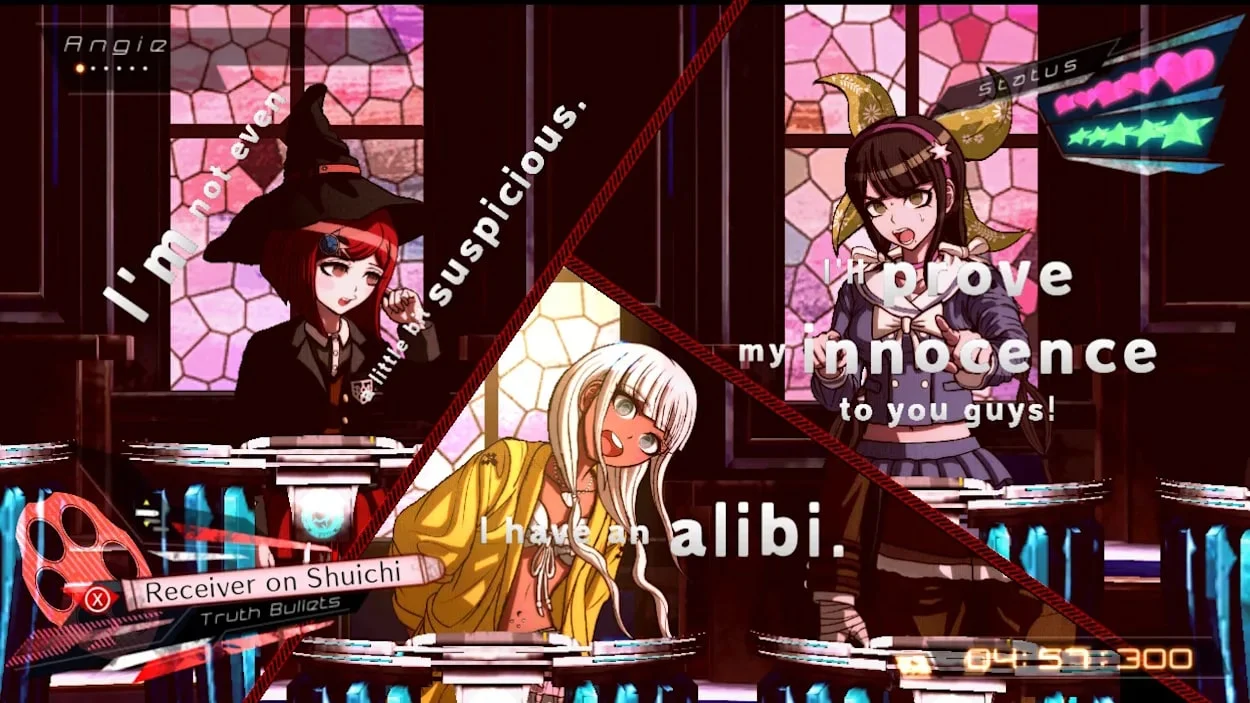
About Game
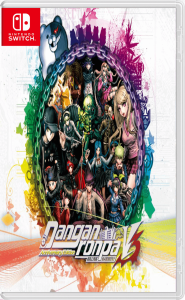
Danganronpa V3: Killing Harmony Anniversary Edition Switch NSP brings Spike Chunsoft’s mystery-driven adventure to Nintendo Switch in a form built around visual-novel storytelling, exploration, investigation, and courtroom-style confrontation. Released on December 03, 2021, it places players in a tense closed setting where a group of gifted students must confront a deadly mutual-killing game overseen by Monokuma and the Monokubs.
What Defines Danganronpa V3: Killing Harmony Anniversary Edition on Nintendo Switch
Developed and published by Spike Chunsoft, Danganronpa V3: Killing Harmony Anniversary Edition is an Adventure title with a deliberately shifting pace. Quiet conversations, academy exploration, character interactions, and narrative scenes establish the setting before the game moves into its central mystery format. When a crime occurs, the story demands attention to detail rather than simple observation.
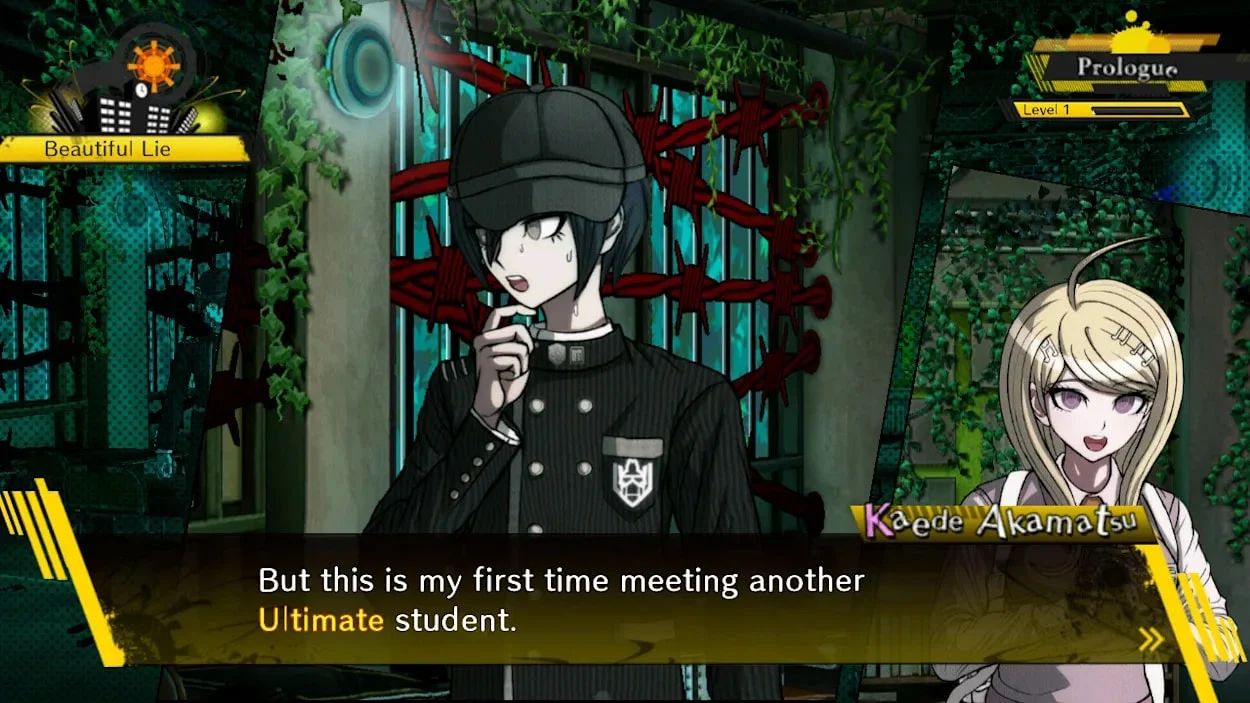
The premise revolves around 16 high school students, each identified by an Ultimate talent, who are trapped within the Gifted Inmates Academy. Players initially take the role of Kaede Akamatsu, the Ultimate Pianist. The rules of the killing game are severe: a participant can only escape by murdering another student and surviving the group’s attempt to expose the culprit during a Class Trial. A correct accusation leads to punishment for the culprit, while a wrong conclusion carries consequences for everyone except the real killer.
That structure gives the game an uneasy atmosphere. Friendships and routine conversations exist alongside suspicion, while the visual-novel format makes dialogue and character perspective central to the experience. It is not simply a sequence of cases; each investigation grows from the pressure of a group trying to find certainty when trust is difficult to maintain.
How Investigation Sequences Build Each Mystery
Investigation is the bridge between a crime and a Class Trial. Players explore relevant locations, inspect objects, review details at the crime scene, and collect clues that may later become usable evidence. These segments reward careful reading because the trial does not treat evidence as decoration. A small observation can become important when a statement does not match the known facts.
Witness interviews also shape the process. Speaking with other students provides their accounts, suspicions, and reactions to the case. Some information may clarify a timeline, while other comments may create further uncertainty. The result is a mystery-game structure in which the player is expected to assemble a working explanation before the debate begins.
Outside of murder investigations, Free Time events allow players to spend time with fellow students, learn more about their personalities and histories, and unlock useful abilities. These scenes add a different kind of progression to the experience. They offer room for relationships and character context, even as the wider situation makes every connection feel fragile.
Class Trials: Turning Evidence into Arguments
The Class Trial is where collected information is tested. Students debate the events surrounding a murder and attempt to identify the person responsible. The player’s role is not limited to selecting a final answer; it involves responding to claims, recognizing weak reasoning, and using the right piece of trial evidence at the right moment.
One of the defining tools is the Truth Bullet, an evidence-based response used to challenge contradictions in testimony. A claim may sound plausible until it conflicts with an object examined during the investigation, an account from a witness, or a fact established at the scene. The trial turns those clashes into active gameplay, asking players to follow the logic behind each accusation.
This format gives the game much of its momentum. Investigation provides the material, but the Class Trial asks players to organize it under pressure. The debate can move quickly, and the group’s uncertainty is part of the dramatic presentation: a contradiction is not merely found, but argued, contested, and placed into the larger explanation of the case.
A Guide to the Trial Mechanics in Danganronpa V3
- Nonstop Debate: Listen for weak points in a stream of statements and fire the appropriate Truth Bullet to refute a contradiction.
- Rebuttal Showdown: Counter an opponent’s argument in a sword-fighting-style exchange that focuses on cutting through their statements.
- Mass Panic Debate: Track multiple speakers at once during a chaotic discussion, requiring quick recognition of the relevant point.
- Logic Dive: Travel along a monorail route while solving a logical puzzle that helps connect important information.
- Scrum Debate: Work through a debate between opposing sides and identify the points where agreement can be found.
- Mind Mine: Take on a puzzle activity that forms part of the trial’s variety of reasoning challenges.
These activities prevent trials from becoming a single repeated interaction. Each one approaches the same larger goal from a different direction: sorting evidence, responding to arguments, and clarifying the chain of events. The changing mechanics also support the game’s dramatic rhythm, moving between concentrated reasoning and more urgent confrontations.
Truth, Lies, and Reality in Killing Harmony
Danganronpa V3: Killing Harmony Anniversary Edition Switch NSP frames its mystery around questions of truth, deception, betrayal, and reality. Those ideas are reflected in the basic rules of the killing game, where escape depends on concealing a crime and survival depends on recognizing what others may be hiding.
The game’s psychological mystery does not rely only on physical evidence. Personal motivations, conflicting testimony, and the possibility of betrayal give its cases emotional weight. Each student has a distinct personality and backstory, adding more perspectives to conversations and investigations. The player is repeatedly asked to consider not just what happened, but how much confidence should be placed in the people discussing it.
That makes the atmosphere intentionally unsettled. The academy can function as a place for everyday interaction, but its rules ensure that security never lasts. The contrast between relationship-building scenes and life-or-death trials is an important part of the game’s presentation, especially for players interested in narrative adventures that combine character drama with structured mystery-solving.
Switch Release Details: Regions, Languages, and Firmware
The Nintendo Switch release date for Danganronpa V3: Killing Harmony Anniversary Edition is December 03, 2021. The listed regions are Europe, USA, and Japan. Language support includes English, Japanese, and Chinese.
- Title ID: 010083A016192000
- Genre: Adventure
- Publisher and developer: Spike Chunsoft
- Base firmware: v10.0.0
- Update firmware: v13.1.0
- Listed file size: 5.9GB
For players drawn to visual novels with investigative structure, character-focused dialogue, and argument-driven mystery gameplay, the Switch edition presents a full progression from exploration to evidence gathering and Class Trial deduction. Its appeal rests in following details closely, weighing competing statements, and facing the uncertainty behind every apparent answer.