Banchou Tactics Switch NSP
Report Link Error
Select the broken download file, then submit the report.
Screenshots
About Game
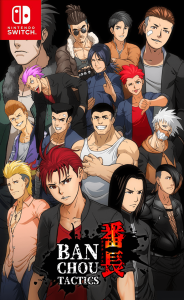
Banchou Tactics Switch NSP brings school-gang confrontations to Nintendo Switch through a mix of Arcade, Role-Playing, and Strategy elements. Released on February 15, 2024, the game comes from Flyhigh Works, which serves as both publisher and developer. Its focus is clear: lead a group of delinquents, build a capable fighting unit, and make sharp decisions in turn-based battles where every square can matter.
Banchou Tactics on Nintendo Switch: Release and Game Details
Banchou Tactics arrived on Nintendo Switch on February 15, 2024. Flyhigh Works developed and published the title, which is available in Europe, the USA, and Japan. Language support includes English, Japanese, and Simplified Chinese.
The game’s genre labels—Arcade, Role-Playing, and Strategy—point to a deliberately mixed format. Its setting centers on schools influenced by competing gangs, with a newly established banchou taking a leadership role amid rivalries, alliances, and confrontations. That premise gives the tactical battles a direct sense of conflict: the squad is not an abstract army, but a crew of fighters attempting to defend territory and overcome opposing groups.
The arcade side is reflected in flashy special attacks and combo potential, while the role-playing side comes through character development, learned techniques, equipment, and stronger gear. Strategy remains the foundation of the experience, with grid-based encounters asking players to read the field before committing their squad.
Leading a Delinquent Squad Through Tactical Battles
The central responsibility in Banchou Tactics is leadership. Players assemble a delinquent squad from fighters with different skills and battlefield functions, then guide them through encounters that reward coordination. Some units are better suited to direct attacks, while agile or supportive fighters can contribute in other ways. A squad built around only one approach may struggle when a battle demands mobility, protection, or more deliberate ability use.
That makes tactical RPG team building more than a menu exercise. Each fighter’s strengths influence where that character should stand, which opponents they should pressure, and how they can assist the rest of the crew. A hard-hitting unit may be valuable when it can reach a vulnerable enemy, but that same fighter can be less effective if left exposed or blocked from the target.
The gang-themed atmosphere also gives squad management a distinct flavor. Battles are framed as street-level showdowns between school factions, supported by a cast of characters with their own backgrounds and motivations. The story’s emphasis on loyalty, rivalry, betrayal, and personal growth gives the act of strengthening a squad more context than simply increasing numbers on a character sheet.
How Grid-Based Combat Shapes Every Showdown
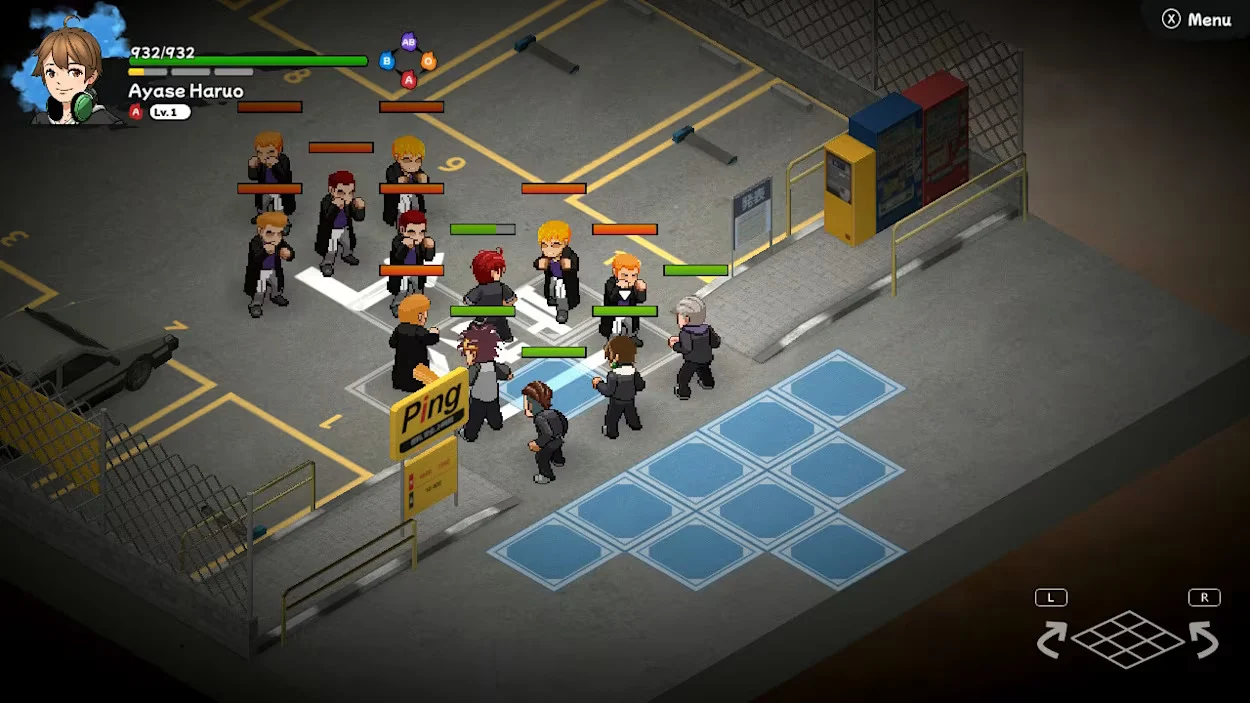
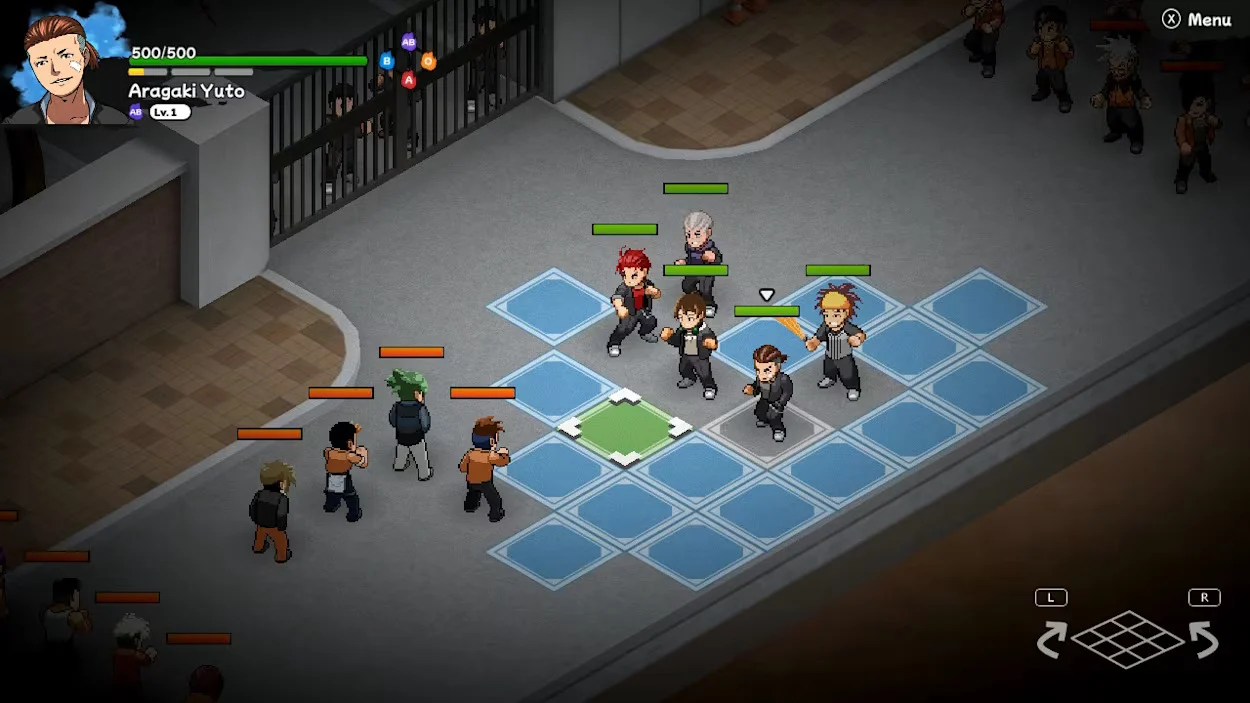
Grid-based battles are the structure behind Banchou Tactics combat. Turns ask players to account for movement, positioning, enemy attack ranges, and the abilities available to each ally. The result is a system in which an early move can shape the rest of the round. Advancing too quickly may put a fighter inside enemy range, while holding a useful position can create a better opening for an ally.
Enemy movement assessment is especially important. Before choosing an action, it helps to consider where opponents can travel and which areas they can threaten. That information can prevent a squad member from being isolated and can reveal safer routes toward a priority target. The game’s tactical structure favors players who look beyond the immediate attack and plan several steps ahead.
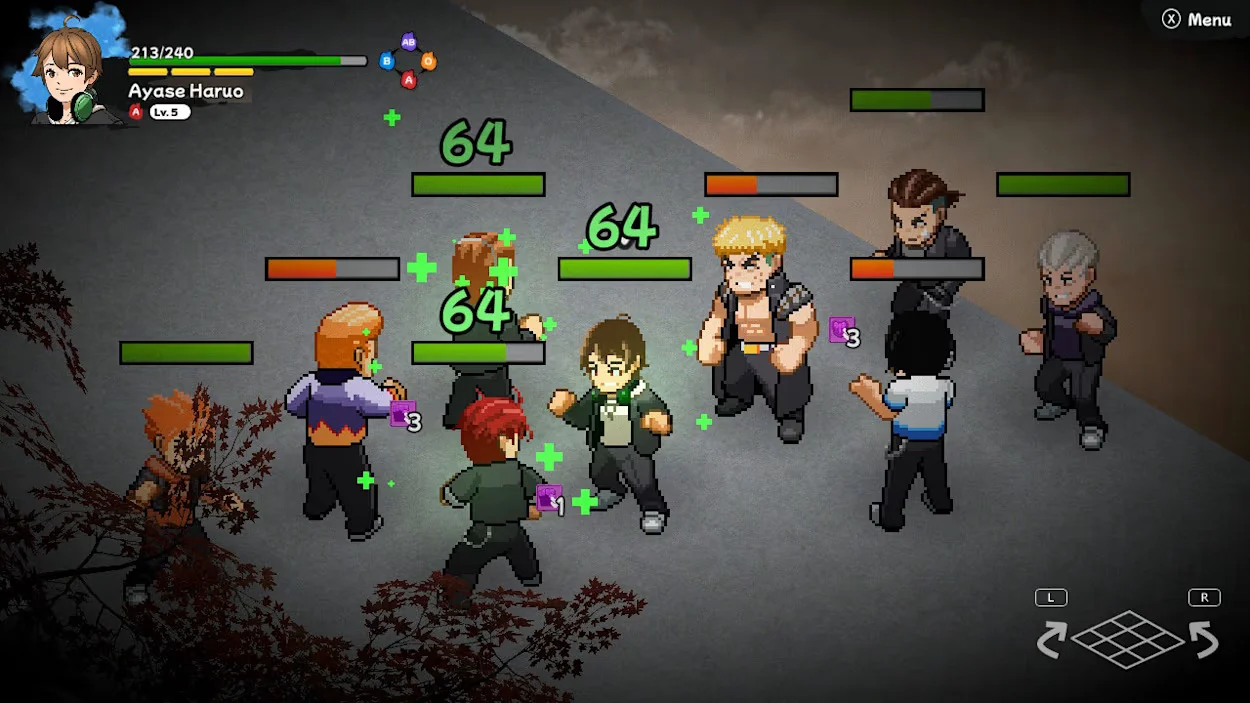
Abilities and combos add another layer. Powerful moves can alter the pace of a confrontation, but their best use depends on timing and placement. Coordinating attacks with nearby allies can produce stronger results than treating each turn as an independent action. Terrain and objects in the battle environment can also offer tactical opportunities, encouraging players to pay attention to more than enemy positions alone.
Character Roles, Skills, and Squad Customization
Banchou Tactics characters can be developed through progression, new techniques, and equipment. As fighters grow, the squad can be adjusted to fit a player’s preferred tactical approach. Equipment and loadouts provide another way to shape a team, while learned abilities expand the choices available during battle.
A balanced group is useful because tactical needs can shift from one encounter to the next. Direct attackers can pressure opponents, but a team also benefits from units that can move effectively, support allies, or contribute through specialized skills. The strongest arrangement is not necessarily a collection of the hardest hitters; it is a group whose roles work together across the grid.
This customization supports the role-playing component of Banchou Tactics Switch NSP. Character progression is tied to practical battlefield value, as stronger equipment and new abilities can change how a fighter fits into the squad. Players can refine their crew over time instead of relying on a fixed formation throughout the game.
7 Tactical Priorities for New Banchou Tactics Players
- Read the field first. Inspect the grid before moving so that terrain, objects, routes, and nearby threats are part of the plan.
- Check enemy ranges. Look at where opponents can move and attack to avoid placing an ally in unnecessary danger.
- Plan beyond one turn. Consider how the current position will affect the squad’s next actions, not just the immediate strike.
- Protect key allies. Position fighters carefully so that vulnerable or support-oriented units are not left alone.
- Balance squad roles. Combine different skills and combat functions rather than depending entirely on one type of fighter.
- Spend abilities with purpose. Use special attacks and coordinated combos when placement and timing can make them count.
- Use the surroundings. Pay attention to environmental opportunities, since terrain and objects can help create an advantage.
Why Banchou Tactics Blends Arcade Energy with Strategy RPG Planning
The game’s three genre labels fit together through its combat design. The Arcade element is present in the visual energy of special moves and the appeal of forceful combo attacks. Gang confrontations provide an immediate, lively backdrop for those moments, making battles feel like dramatic clashes between rival crews rather than detached military exercises.
The Strategy label is equally important because those flashy attacks depend on planning. Players must manage movement across the grid, judge enemy threat zones, choose useful positions, and decide when abilities will have the greatest effect. The Role-Playing side connects the action to squad development, allowing characters to gain techniques, improve through progression, and use stronger equipment.
Banchou Tactics is suited to players who enjoy turn-based tactical combat but want its planning framed through high-school gang drama and energetic attacks. Its accessible combat structure offers a direct route into grid-based strategy, while team composition, ability choices, environmental factors, and character growth provide room for more careful tactical play.