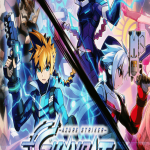
Azure Reflections Switch NSP XCI

Report Link Error
Select the broken download file, then submit the report.
Screenshots
About Game
Azure Reflections Switch NSP XCI is a fast-moving action game from Phoenixx, released on August 30, 2018 for Nintendo Switch. Built around Touhou-inspired heroines, elaborate spell cards, and dense projectile patterns, it asks players to keep calm inside scenes designed to look anything but calm.
Azure Reflections on Nintendo Switch: Game Overview
Developed and published by Phoenixx, Azure Reflections places its action in Gensokyo, where a strange mist called the Haze has begun turning its surroundings a vivid crimson. The disturbance draws familiar heroines into a conflict involving affected foes, dangerous danmaku encounters, and the suspicion that a powerful yokai is responsible.
The setup gives the game a clear reason to send its characters from one colorful confrontation to the next, but the central appeal is its immediate action. This is a game about reading the screen under pressure: enemies fire broad swarms of bullets, bosses fill the arena with carefully arranged patterns, and every opening is an invitation to attack before the next wave arrives.
As an Azure Reflections action game, it is direct in purpose. Players move, dodge, fire, and deploy powerful abilities while trying to survive increasingly demanding stages. Phoenixx frames that action with a roster of recognizable Touhou heroines and a presentation that favors bright, animated spectacle over restraint.
Bullet-Hell Combat and Screen-Filling Projectile Patterns
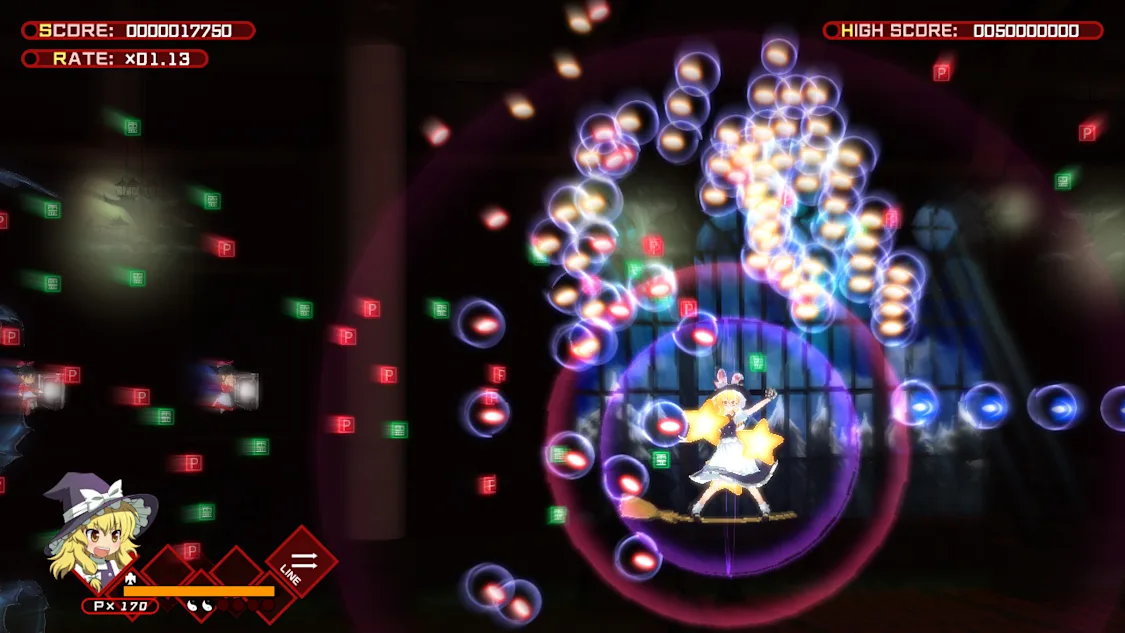
Azure Reflections gameplay follows the fundamentals of a bullet hell shooter, but its challenge comes from the volume and shape of the attacks rather than simple enemy numbers. Projectiles can arrive in spreads, arcs, walls, and other layered formations. The player’s task is not merely to flee from danger, but to identify the safe lanes within it.
That makes positioning important even during ordinary encounters. Staying active can help create space, while small, controlled adjustments may be more useful than panicked movement when the screen becomes crowded. Attacking is part of that balancing act: pushing toward enemies and bosses can create opportunities, but reckless positioning can leave little room when the next pattern appears.
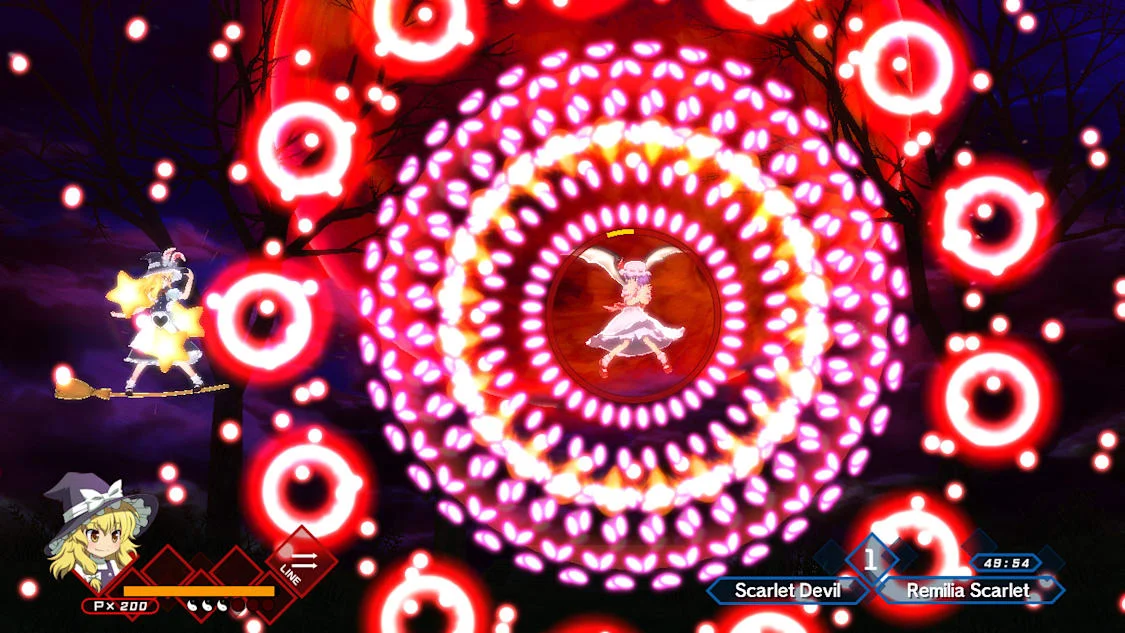
Boss fights put those lessons under the brightest spotlight. Their intricate projectile designs call for timing, quick reflexes, and a willingness to learn from failed attempts. The visual density can be intimidating, yet the patterns are also the language of the battle. Repetition helps reveal where to move, when to hold position, and when to prepare for a counterattack.
Spell cards add to the heightened pace. These powerful attacks can clear enemies from the screen and deal significant damage to bosses, giving players an important response when a fight becomes especially demanding. The result is a danmaku battle style that rewards both survival instincts and active use of offensive tools.
How the Barrier System Turns Defense into Offense
The Azure Reflections Barrier system gives its combat a distinctive tactical layer. It can temporarily block enemy bullets, offering protection when a difficult pattern closes in. In a genre where a single mistake can matter, that defensive option changes the rhythm of encounters.
Its more aggressive use is equally important. The Barrier can reflect bullets back at enemies, converting an incoming barrage into a damaging counterattack. Rather than treating every projectile as something to avoid at all costs, players can look for moments when danger can be redirected.
This ability does not remove the need for careful movement. Using it effectively still depends on understanding a pattern, choosing a safe moment, and recognizing when a reflected attack can matter most. Against bosses in particular, the chance to reflect bullets for major damage makes the Barrier more than an emergency shield. It is a tool for turning defense into momentum.
That interplay gives the game a practical strategic hook. Learning to dodge is necessary, but learning when not to dodge—when to block and answer back—can be just as valuable. Players seeking higher scores and more consistent runs have reason to keep refining that judgment.
Playable Heroines, Shot Types, and Spell Cards
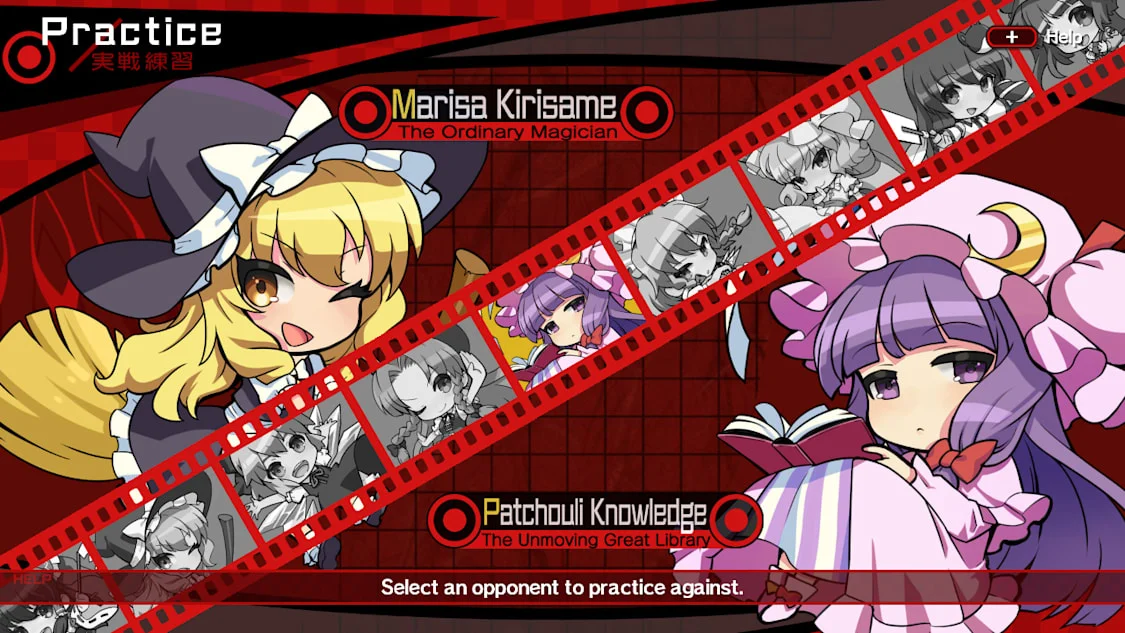
The selectable cast includes familiar Touhou heroines such as Reimu Hakurei and Marisa Kirisame. Their involvement fits the Gensokyo setting, where the Haze has disrupted daily life and pushed different characters to investigate for reasons ranging from duty to curiosity.
More importantly for play, the heroines bring distinct shot types and spell cards. That variation encourages experimentation rather than locking every challenge into one approach. A player can test how a character’s attacks feel against crowded groups, how comfortably their shot style fits a particular boss pattern, and when their spell cards are most useful.
The roster therefore supports replay value through mechanical preference. One heroine’s tools may feel more natural for a player who values steady movement and familiar firing patterns, while another may better suit a more aggressive approach. The game does not need a complicated framework for this choice to matter; different offensive and defensive capabilities are enough to make repeated attempts feel meaningfully different.
For players already drawn to Touhou heroines, the character selection is a clear attraction. For action-game players approaching the setting through combat first, it provides several ways to engage with the same demanding bullet-filled stages.
Visual Style: Hand-Drawn Sprites and Vibrant Stages
Azure Reflections visuals match the intensity of its action. Hand-drawn character sprites bring personality to the heroines, while vibrant stages give the game a bright backdrop for its relentless projectile displays. The Haze’s crimson effect also suits a story built around an unsettling change spreading through Gensokyo.
The screen can become visually busy, especially when enemies, player attacks, spell cards, and bullet patterns overlap. That is part of the intended appeal. The game embraces the spectacle of spell-card battles, using color and motion to make each confrontation feel lively even when precise decision-making is required.
Its presentation is best suited to players comfortable with that blend of charm and pressure: a colorful Touhou atmosphere paired with boss encounters that demand concentration. The visual flourish does not replace the challenge; it makes the challenge more theatrical.
5 Gameplay Priorities for Surviving Azure Reflections
- Read the pattern. Watch how projectile formations spread and identify safe routes before committing to a direction.
- Practice measured movement. Work through bullet swarms with controlled positioning instead of treating every attack as a reason to move wildly.
- Use the Barrier defensively. Activate it when enemy fire becomes difficult to avoid and a brief protective response is needed.
- Counterattack safely. Look for openings to reflect bullets back at enemies, especially when the return damage can influence a boss fight.
- Test each heroine. Compare different shot types and spell cards to find the combat approach that best fits a stage or personal playstyle.
Azure Reflections Switch NSP XCI is suited to players looking for energetic bullet-hell action with colorful Touhou presentation, difficult bosses, and a defensive mechanic that rewards confident timing. Its varied heroines, spell cards, and Barrier-focused strategy give repeated runs a reason to remain active rather than automatic.