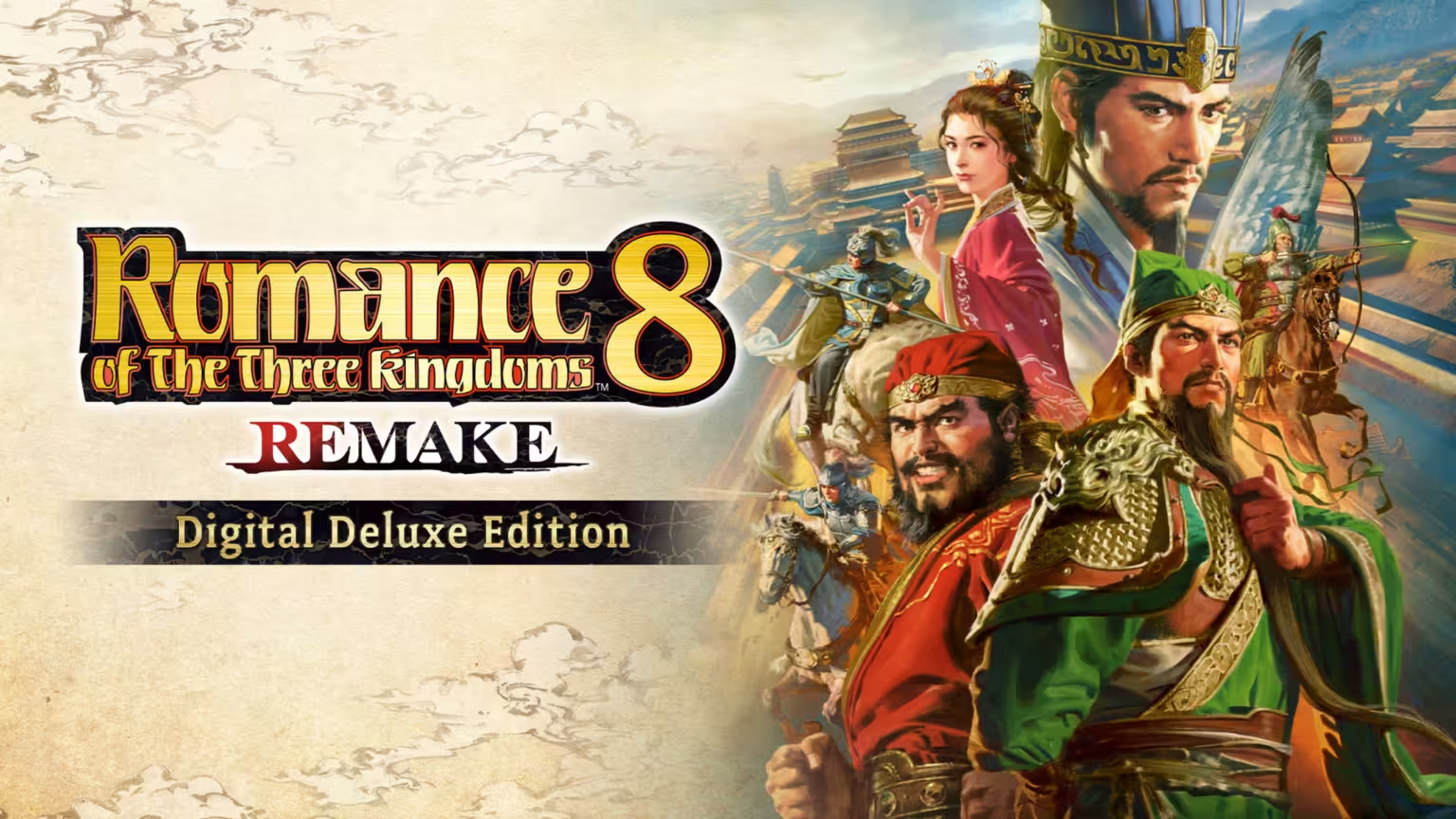
ROMANCE OF THE THREE KINGDOMS 8 REMAKE Digital Deluxe Edition Switch NSP
Report Link Error
Select the broken download file, then submit the report.
Screenshots
About Game
ROMANCE OF THE THREE KINGDOMS 8 REMAKE Digital Deluxe Edition Switch NSP places a grand historical conflict in the hands of an individual officer. Set amid China’s turbulent second and third centuries, the simulation frames the collapse of the Han Dynasty not as a fixed tale to observe, but as a period whose direction can change through political judgment, military action, and personal ambition.
A Three Kingdoms Saga Shaped by Player Choice
The Three Kingdoms setting carries the weight of a fractured empire. As the Han Dynasty falls, the competing powers of Wei, Wu, and Shu rise to shape the future of China. The era is defined by celebrated officers, rival states, shifting loyalties, and conflicts that extend from court politics to open battlefields.
This remake approaches that history through decisions rather than a single predetermined path. Players take control of an officer within the period and participate in events influenced by historical records, while still having room to alter the outcome. A campaign can be driven by the desire to unite China, establish a durable regional power, or pursue a more personal place within a larger force.
The atmosphere comes from that tension between historical upheaval and individual agency. Major powers may dominate the map, but an officer’s choices can affect relationships, appointments, alliances, and the trajectory of a faction. The result is a Three Kingdoms story that can feel broad in scale without losing sight of the people operating inside it.
Play as an Officer and Define a Personal Ambition
The officer-focused structure gives progression a personal angle. Players can select from hundreds of historical officers, each with their own statistics and abilities, then build a career around a chosen ambition. A commander may seek military advancement, while another officer may concentrate on economic development, territorial expansion, or the cultivation of influential relationships.
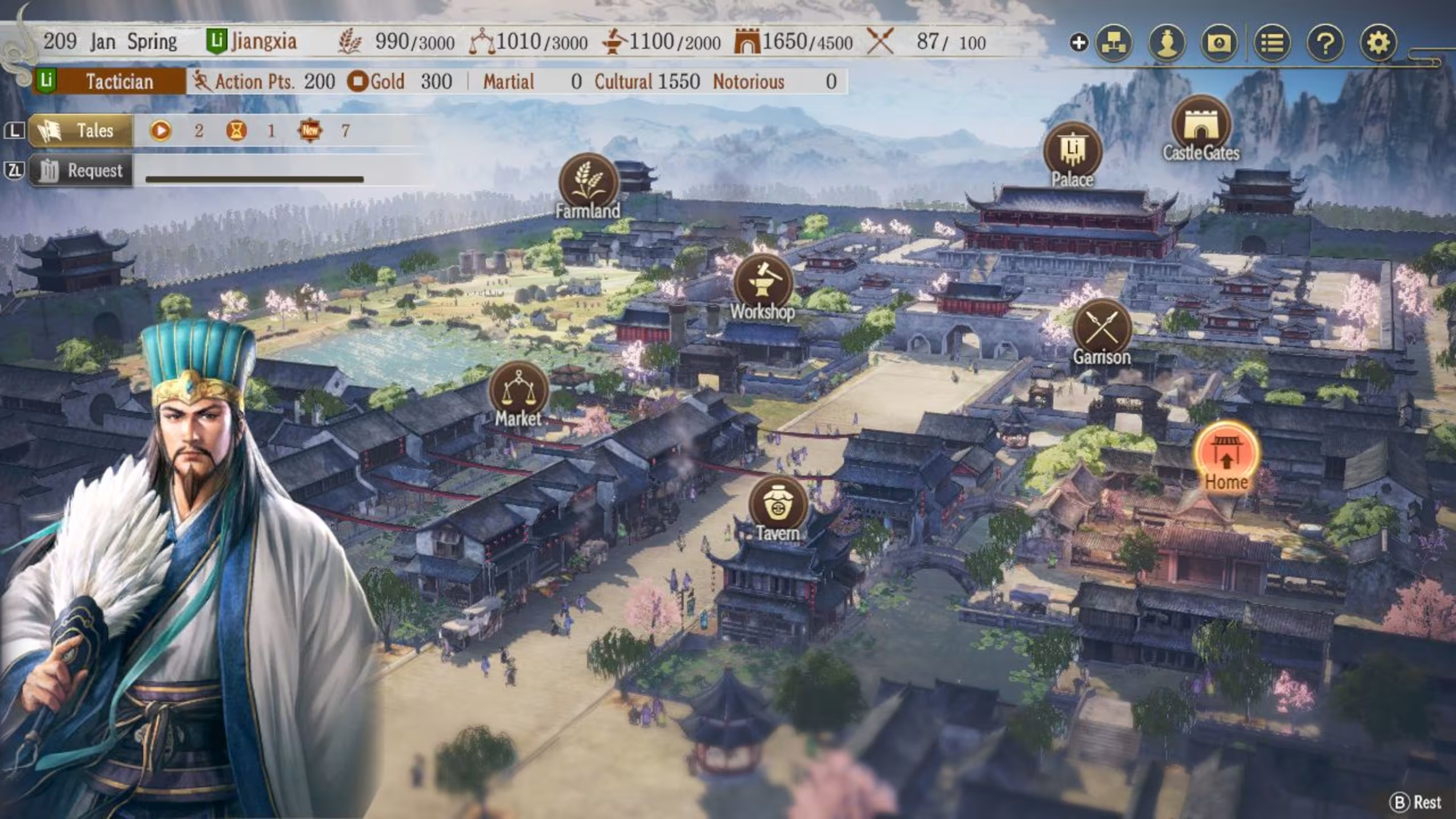
That freedom gives the simulation several possible rhythms. Internal affairs can matter as much as battlefield success: cities can be developed through facilities, while agriculture, commerce, technology research, resources, and public order all contribute to a force’s condition. Recruitment and training also help turn a political position into practical military strength.
- Rise through service: Pursue promotions and accept assignments within a larger force.
- Build prosperity: Develop cities and manage domestic matters to support long-term strength.
- Command armies: Recruit troops and employ cavalry, infantry, and archers in strategic combat.
- Expand influence: Seek territory, shape alliances, and pursue a stronger position among rival powers.
- Forge connections: Use officer relationships, debates, and personal encounters to define a career.
Because player ambition is not limited to one role, the game can suit people drawn to grand strategy as well as those who prefer a character-led simulation. The emphasis is not simply on commanding an entire state from above; it is also on deciding what a particular officer wants to become within a volatile historical age.
Multiple Scenarios Across a Changing Historical Era
Multiple scenarios begin at different points in the Three Kingdoms period, offering varied ways to enter China’s political upheaval. Starting from another moment in the era changes the surrounding balance of power, the officers available, and the immediate problems facing each force. That structure encourages players to revisit the period from different perspectives rather than treating one campaign as the only route through the setting.
Replayability follows naturally from these alternate starts and officer choices. One run may focus on aiding an established ruler; another may put the player in the position of an officer attempting to gain standing over time. A campaign centered on city management and relationships can create different priorities from one driven by warfare and conquest.
The historical periods represented by the scenarios provide a changing backdrop, while player action keeps them from becoming merely static recreations. Familiar rivalries and events can remain present, yet the political map and the fortunes of individual officers are open to revision.
Diplomacy and Political Strategy Between Rival Forces
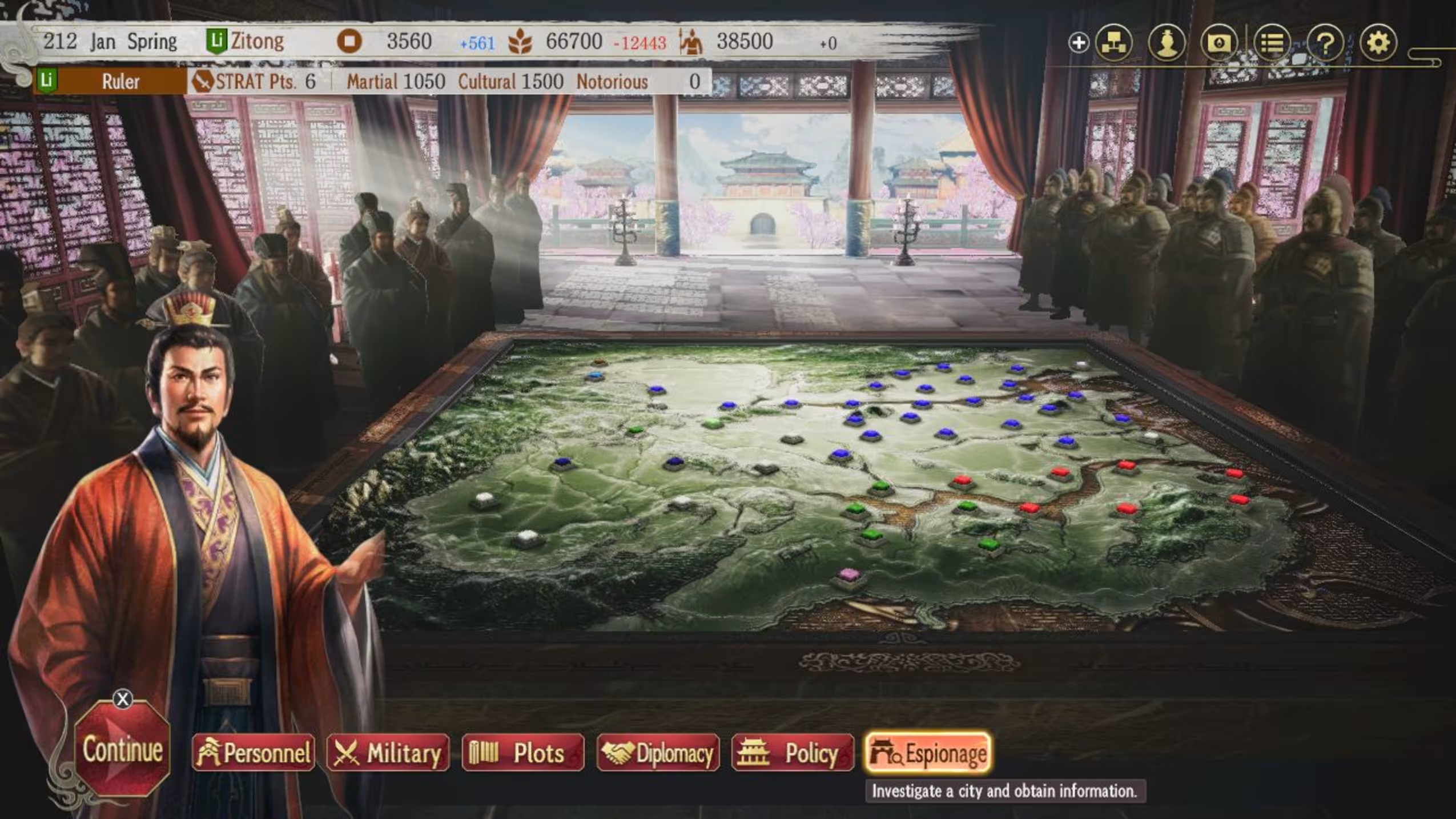
Military power is only one part of the contest among Wei, Wu, Shu, and other forces. Diplomacy provides another set of tools: alliances can be formed, allegiance can be demanded, and war can be declared. These choices place every faction within a wider network of interests, threats, and opportunities.
Political strategy also operates inside a force. Officers can be promoted and assigned responsibilities, making rank and service part of the larger strategic picture. Deciding who receives authority, how a city is managed, or when an alliance is worth maintaining can influence a campaign well before armies meet in battle.
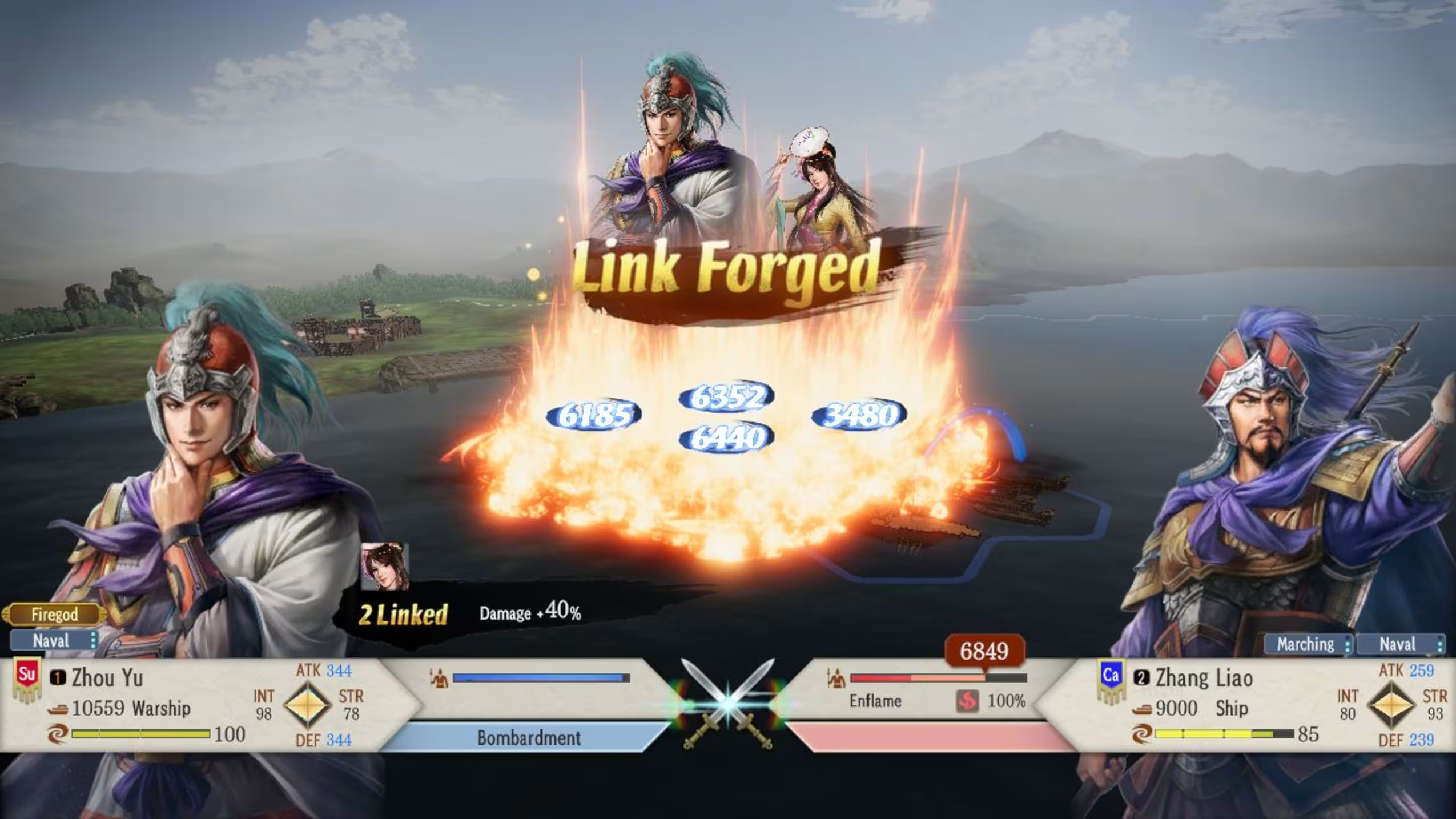
Combat remains a central expression of power, with turn-based strategic battles on detailed battlefields and armies built from different unit types. Yet the larger challenge is timing. A force needs resources, officers, public order, military readiness, and workable relationships before it can reliably pursue conquest. This combination makes diplomacy feel connected to domestic development and military planning rather than separate from them.
Duels, Debates, and Officer Relationships
The personal side of the simulation is carried through character interactions, rivalries, duels, and debates. These encounters give officers ways to demonstrate their capabilities beyond the movements of armies or the management of a city. A personal duel can place martial prowess in focus, while a debate offers another kind of contest between influential figures.
Officer relationships are equally important to the journey. Building connections can support a player’s chosen path, while rivalries and political tension can complicate it. The period’s famous personalities and larger events create the setting, but the officer’s own decisions determine how they move through that world.
This dimension helps the game retain a sense of human scale. Even while dealing with the fate of territories and rival states, players are also handling careers, responsibilities, loyalties, and encounters that shape a particular officer’s reputation.
Nintendo Switch Edition Details and Digital Deluxe Context
ROMANCE OF THE THREE KINGDOMS 8 REMAKE Digital Deluxe Edition Switch NSP was released for Nintendo Switch on October 25, 2024. The listed region is USA, and the publisher is KOEI TECMO EUROPE. Supported languages are English, Japanese, Korean, Chinese, and Traditional Chinese.
The Nintendo Switch edition presents this historical simulation for players interested in an officer-driven approach to the Three Kingdoms era. Its appeal lies in the blend of strategic planning, domestic management, diplomacy, tactical conflict, and personal progression. For those who enjoy historical periods shaped by competing ambitions rather than a single fixed narrative, its scenario-based structure offers many reasons to return to China’s age of Wei, Wu, and Shu.