Layers of Fear: Legacy Switch NSP

Report Link Error
Select the broken download file, then submit the report.
Screenshots
About Game
Layers of Fear: Legacy Switch NSP brings Bloober Team’s first-person psychological horror experience to Nintendo Switch with a story built around obsession, memory, and a house that refuses to stay still. Its horror is less concerned with direct confrontation than with the uneasy act of moving through spaces that seem to change their meaning—and their shape—when nobody is looking.
Layers of Fear: Legacy on Nintendo Switch: A 2018 Horror Release
Released in the USA on February 21, 2018, Layers of Fear: Legacy is classified as an Adventure Game. Bloober Team developed the game, while Bloober Team S.A served as publisher. The release places players inside a highly personal horror story, using a first-person viewpoint and a carefully restricted setting to sustain its atmosphere.
The game’s approach is rooted in psychological horror rather than action. Its tension comes from a sense that the familiar cannot be trusted: rooms shift, routes change, and the mansion’s appearance reflects the troubled perspective at the centre of the narrative. That gives the adventure a deliberately unsettled rhythm. Progress is not about mastering enemies, but about continuing deeper into a place shaped by a painter’s memories, guilt, and deteriorating state of mind.
Inside a Painter’s Fractured Victorian Mansion
The Layers of Fear Legacy story follows a 19th-century painter obsessed with completing a defining masterpiece. His ambition is presented as more than a creative goal. It becomes the force behind a painful descent, one that players gradually understand by exploring his vast Victorian mansion and uncovering fragments of his past.
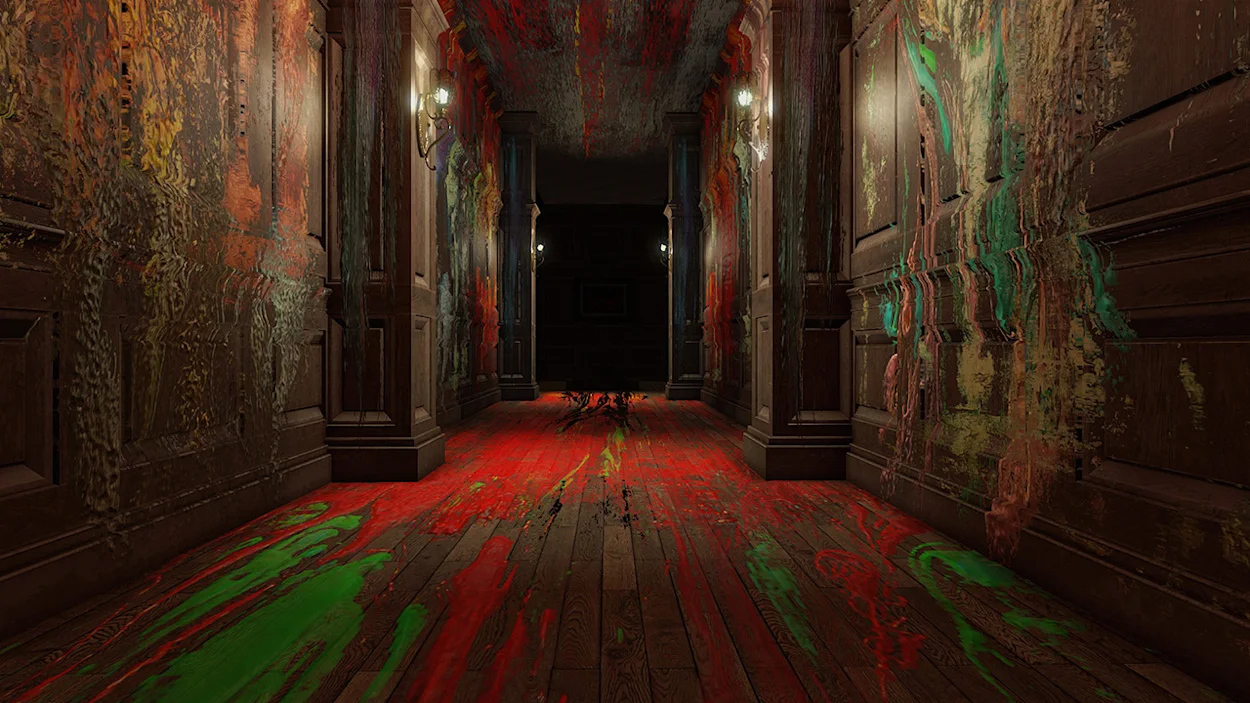
The mansion is closely tied to the painter’s mental state. Its corridors and rooms do not behave like stable, ordinary spaces: architecture can change, doors can appear or vanish, and surroundings can transform as the story advances. These alterations are not merely decorative. They reinforce the uncertainty at the heart of the experience, making the house feel like an extension of fragmented memories and unresolved trauma.
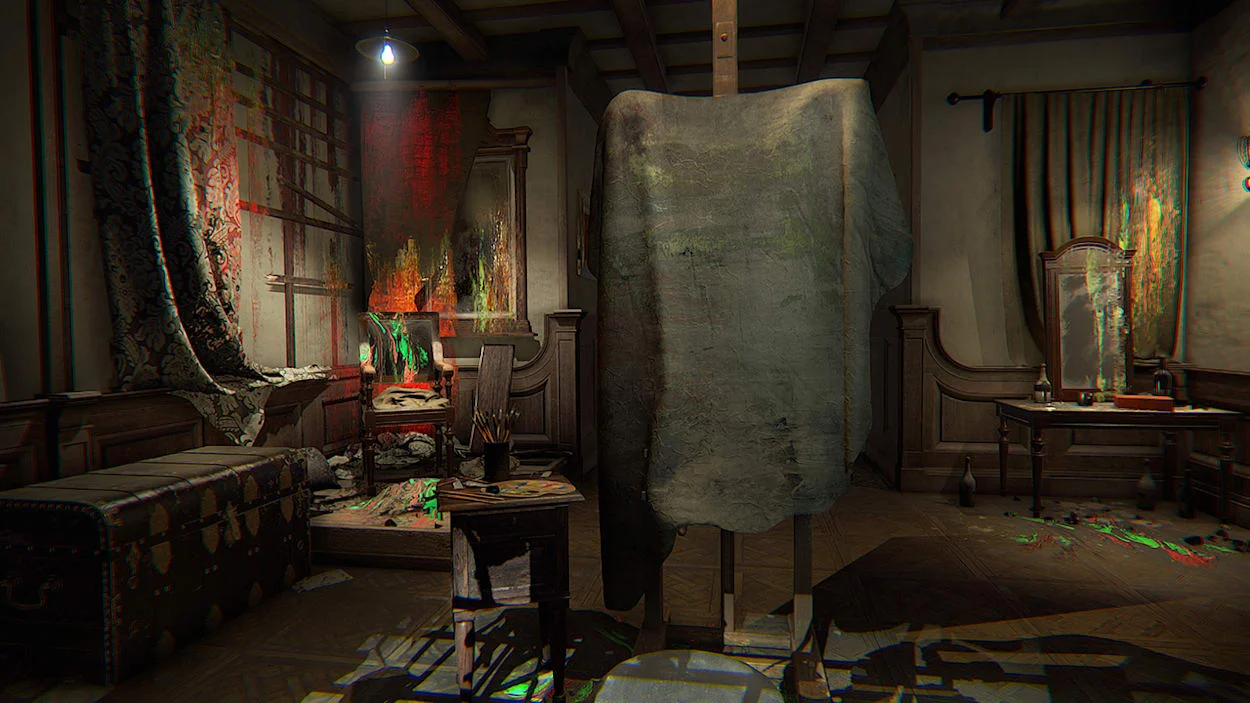
Notes, drawings, paintings, and environmental details reveal pieces of the painter’s history, including the tragic circumstances surrounding his family and wife. The narrative does not simply present every answer at once. Instead, it asks players to connect the scattered evidence while moving through an environment that can turn from familiar to disorienting in a moment. The result is a psychological horror setting where the player’s interpretation is continually tested.
First-Person Exploration Without Combat
Layers of Fear Legacy gameplay is structured around first-person exploration. Players are unarmed, and there are no combat encounters to resolve through weapons or direct fighting. That absence matters: vulnerability is a central part of the game’s tension. When a disturbing event occurs, the response is usually to observe, investigate, or press onward rather than overpower a threat.
The game encourages close interaction with its surroundings. Picking up a note, examining a painting, or manipulating an object can reveal information, trigger an event, or expose a new route. This keeps attention on the small details of each room. A seemingly ordinary item may be part of the painter’s history; a change in the environment may be the clue that progression is possible.
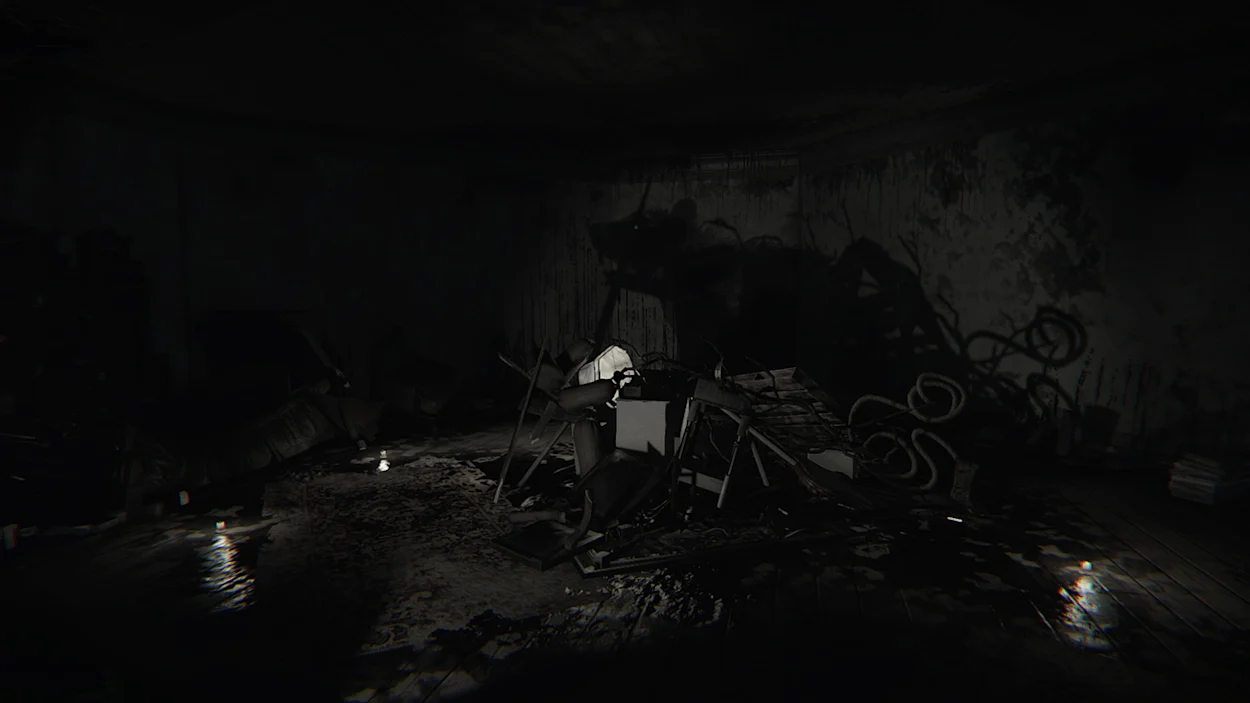
Its scares are framed through persistent unease as well as sudden moments. The changing mansion makes players question what is real within the painter’s perspective, while the first-person viewpoint keeps that uncertainty immediate. For an audience drawn to slow-building dread, narrative discovery, and no combat horror, the game’s restrained structure is a key part of its appeal.
Subtle Puzzles and Patient Investigation
The puzzles in Layers of Fear: Legacy are environmental and logic-based. They ask players to inspect rooms, pay attention to objects, and notice details that might initially appear incidental. Rather than placing the focus on elaborate mechanical challenges, the game uses puzzles to support exploration and keep the story moving through the mansion.
- Look closely: Notes, drawings, paintings, and objects can provide narrative context or point toward the next step.
- Inspect the room: Small environmental details may reveal a new path or show that the space has changed.
- Handle objects: Interacting with items can trigger events and uncover further pieces of the painter’s past.
- Move patiently: The game’s tension and progression reward careful observation rather than rushing ahead.
- Accept uncertainty: Shifting architecture is part of the experience, so a familiar route may not remain familiar.
This patient style of horror game exploration suits the mansion’s role in the story. Each new discovery adds another fragment to the painter’s portrait, while the environment responds in ways that make simple navigation feel unreliable. The puzzle design and narrative delivery are therefore closely connected: solving a problem often means understanding what the room is asking the player to notice.
Choices, Endings, and Reasons to Revisit the Story
Choices can subtly influence the ending of Layers of Fear: Legacy. Since the narrative is assembled through discoveries and the player’s movement through the painter’s fragmented world, these variations give the story a reason to be revisited. Players interested in seeing how different decisions affect the conclusion can return to the mansion with a more informed eye.
This replay value is especially fitting for a story concerned with memory, interpretation, and psychological collapse. A second visit may draw attention to notes, objects, or details that carried less weight the first time through. The painter’s history is revealed in fragments, and the possibility of different endings gives those fragments added significance.
For players seeking Layers of Fear: Legacy Switch NSP as a narrative-led horror experience, the appeal lies in this combination of choices, environmental clues, and an unstable setting. It is designed for those willing to explore slowly and engage with a story that communicates through atmosphere as much as direct explanation.
Switch Release Details: Languages, Size, and Technical Metadata
The Nintendo Switch release is listed for the USA region. Supported languages are English, French, German, Korean, and Russian. The file size is 3.1GB, and the Title ID is 0100BF5006A7C000. The listed base firmware version is 10.0.3.
These details accompany a 2018 adventure built around a changing Victorian mansion, object-based investigation, environmental puzzles, and psychological tension. Bloober Team’s release remains focused on the uneasy process of uncovering a painter’s past one unsettling room at a time.