S.T.A.L.K.E.R.: Call of Prypiat Switch NSP
Report Link Error
Select the broken download file, then submit the report.
Screenshots
About Game
S.T.A.L.K.E.R.: Call of Prypiat Switch NSP brings a hostile, mysterious vision of the Exclusion Zone to a portable format. Its mix of action, survival horror, open-area exploration, and consequential decisions asks players to move carefully, watch their supplies, and accept that the safest route is not always the most direct one.
A Switch Journey into the Exclusion Zone
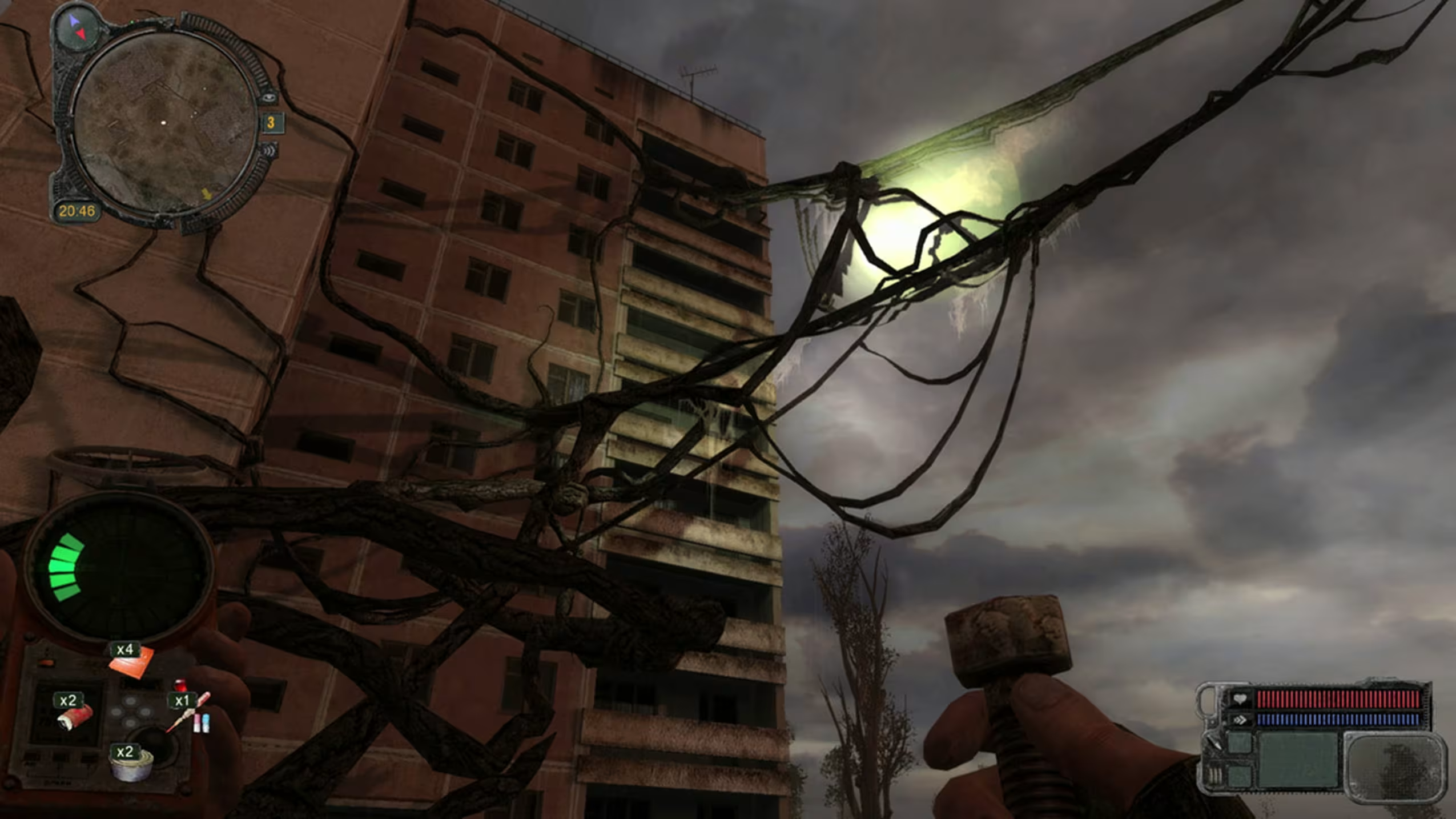
The Exclusion Zone is built around tension rather than constant spectacle. Exploration leads through large, non-linear areas filled with dangerous anomalies, useful artifacts, hidden stashes, and threats that can emerge from either the environment or its inhabitants. Zaton, Jupiter, and Pripyat each form part of a journey where curiosity has value, but so does knowing when to turn back.
This is action with survival horror pressure behind it. Hunger, radiation exposure, wounds, and degrading equipment all demand attention, while ammunition and medical supplies cannot be treated as limitless. A trip into an unfamiliar area can become a calculation: how much healing is left, where the nearest cover sits, and whether an artifact is worth crossing an anomaly field for.
The portable premise suits the game’s deliberate rhythm. It is possible to spend time following the main investigation, then pause that thread to search for supplies, investigate a rumor, or take on a smaller task for someone encountered in the Zone. The result is an atmosphere shaped as much by uncertainty as combat. The landscape may appear quiet, yet it rarely feels safe.
Major Alexander Degtyarev’s Helicopter Investigation
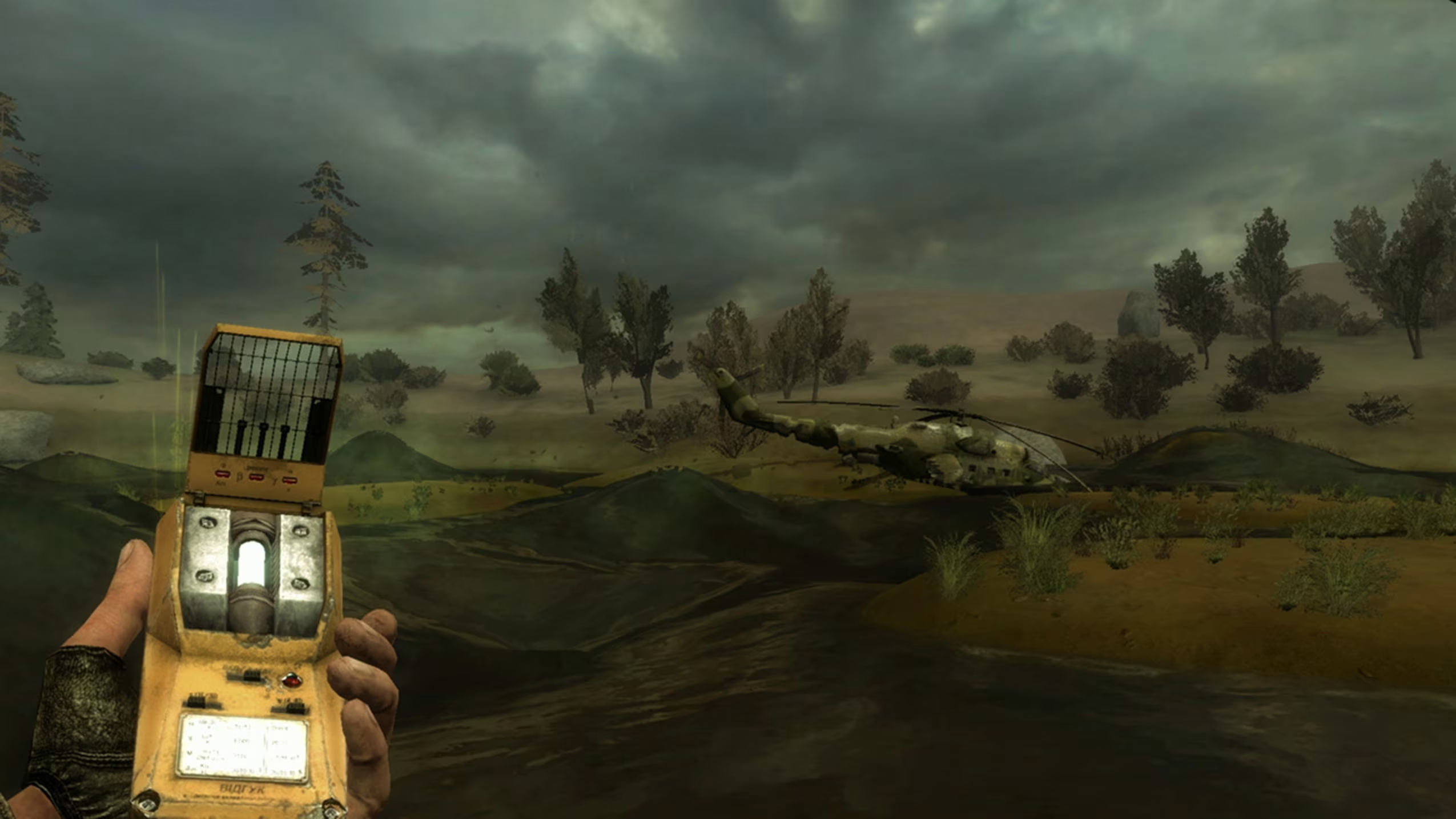
The S.T.A.L.K.E.R.: Call of Prypiat story places players in the role of Major Alexander Degtyarev, an undercover SBU agent sent into the Zone after five military helicopters disappear. The operation follows the events of Shadow of Chernobyl, but Degtyarev’s immediate purpose is practical: locate clues, understand what happened to the aircraft, and uncover the reasons behind the failed military mission.
That investigation gives the game a clear direction without making the Zone feel narrowly scripted. Evidence is gathered across its different areas, while conversations and assignments reveal more about stalkers, rival groups, and the Zone’s continuing mutations. The central mystery develops alongside smaller human stories, making progress feel tied to both official objectives and the people affected by them.
Degtyarev’s undercover role also supports the game’s focus on observation. Information can be as useful as firepower. A character’s request, a rumor about a location, or a detail found while exploring may open another route through the investigation. The narrative’s branching choices mean that decisions can affect individual fates as well as the eventual ending, giving the campaign reason to be approached with attention rather than rushed through.
Combat Choices Against Mutants and Human Factions
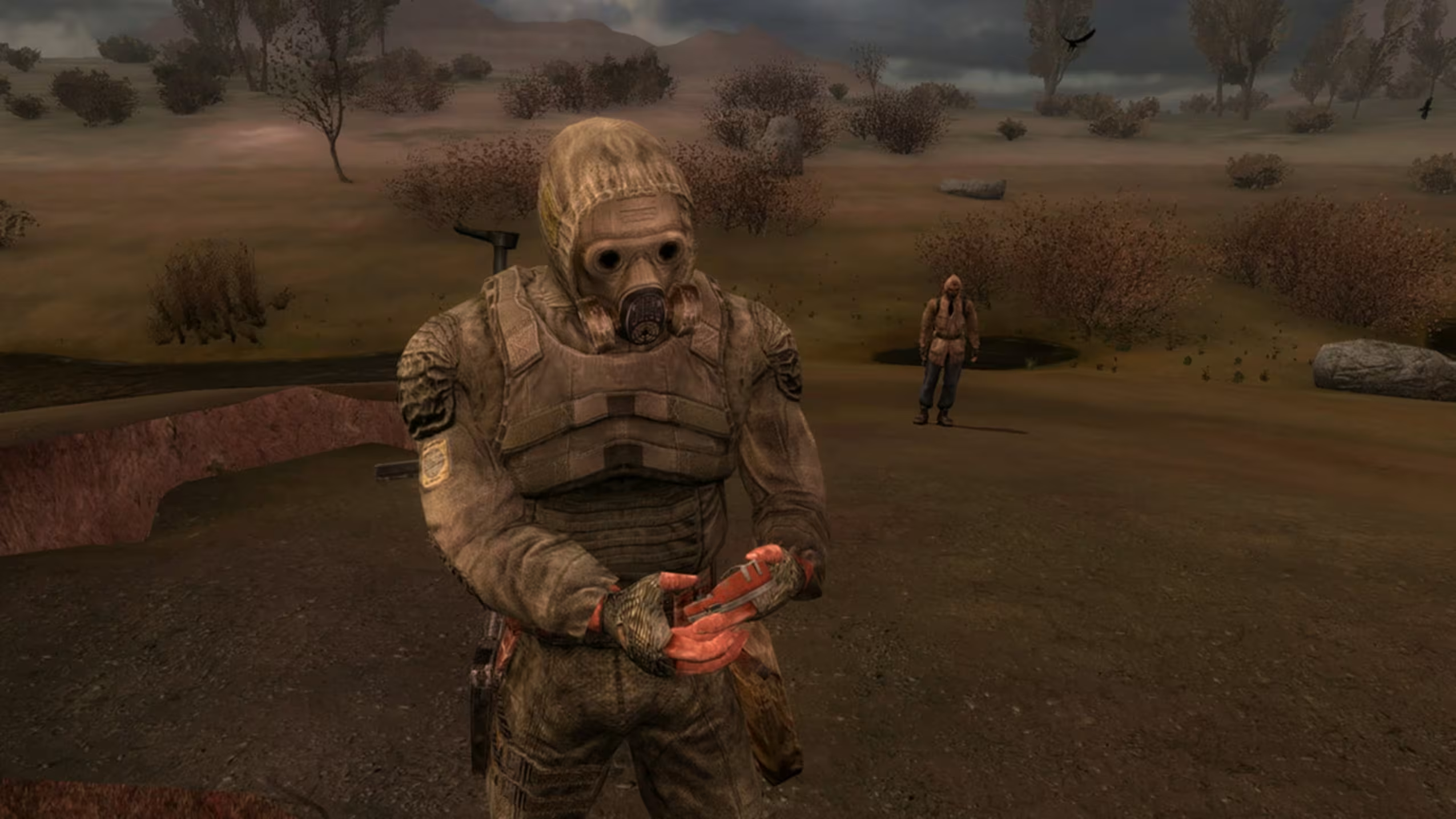
First-person combat is tense because opponents come in very different forms. Mutants make the wilderness dangerous, while human factions introduce armed encounters where cover, positioning, and ammunition matter. The Zone does not encourage careless aggression. Entering a fight with limited supplies or poor terrain can turn a manageable problem into an expensive one.
Careful players have alternatives. Stealth can help avoid unfavorable encounters, and retreat is often more sensible than spending every bullet on a threat that does not need to be challenged. This measured approach fits the survival systems: healing items, anti-radiation medicine, and ammunition are all more valuable when treated as reserves rather than disposable conveniences.
Weapons and armor can be upgraded, allowing progression to feel connected to survival. Improvements do not remove the danger of the Zone, but they provide more options when dealing with mutants, armed opponents, and hazardous journeys. Combat therefore works best as part of a broader routine of scavenging, preparation, and judgment.
How NPC Quests and Alliances Shape the Zone
NPC quests give the Zone much of its texture. Conversations can lead to useful information, side missions, supplies, and knowledge of hidden stashes. Many tasks also provide a closer view of the people trying to survive in this setting, making exploration feel connected to a network of competing needs rather than a series of isolated firefights.
Alliances and faction-related missions add another layer to progression. The choices made during these encounters can shape Degtyarev’s relationships and influence how certain character stories resolve. Not every decision is simply about gaining a reward; some carry implications that become clearer later in the campaign.
This structure supports replay value through branching choices. A different approach to quests, alliances, or character requests can lead to altered outcomes and a different ending. It is particularly suited to players who enjoy taking time with optional objectives, comparing information from several sources, and deciding how involved they want to become in the Zone’s conflicts.
Dynamic Weather and the Day-Night Cycle
Dynamic weather and the day-night cycle reinforce the game’s uneasy presentation. Changing conditions affect visibility and enemy behavior, so a route that appears manageable during one period may feel more threatening in another. These systems are not merely visual backdrop; they encourage players to read the environment before committing to a path or a fight.
Darkness and poor visibility can make distant movement difficult to interpret, while changing weather adds uncertainty to long stretches of exploration. The atmosphere comes from that persistent lack of comfort. Even when no enemy is immediately visible, radiation, anomalies, and the possibility of an encounter keep the player alert.
7 Practical Survival Priorities for New Stalkers
- Prepare before leaving. Check ammunition, medical supplies, anti-radiation medicine, and equipment condition before heading into unfamiliar parts of the Zone.
- Conserve what matters. Treat bullets and healing items as limited resources. Avoid wasting them on fights that offer little benefit.
- Choose battles carefully. Mutants and human factions can punish direct attacks, especially when terrain or numbers are against you.
- Use stealth when possible. Avoiding an unfavorable encounter can preserve supplies for a more important objective later.
- Explore with purpose. Zone exploration can reveal artifacts, hidden treasures, clues, and routes that are easy to miss when rushing between objectives.
- Talk to people. NPC conversations may uncover quests, useful information, faction-related opportunities, and stash locations.
- Respect every hazard. Watch for anomalies, radiation, shifting visibility, and changing enemy behavior as weather and time of day evolve.
For players drawn to patient first-person combat, unsettling exploration, and decision-driven progression, S.T.A.L.K.E.R.: Call of Prypiat Switch NSP offers a demanding trip through a Zone where preparation and awareness are as important as a steady aim.