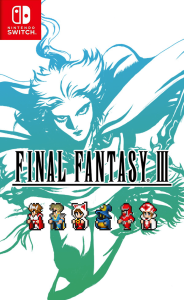
Final Fantasy III Switch NSP
Report Link Error
Select the broken download file, then submit the report.
Screenshots
About Game
Final Fantasy III Switch NSP brings Square Enix’s role-playing adventure to Nintendo Switch with a familiar structure: a threatened world, four young heroes, crystal-driven destiny, and a party system built for experimentation. Its appeal lies in the meeting of traditional turn-based encounters and a flexible set of professions that can change how a difficult dungeon or boss battle is approached.
Final Fantasy III on Nintendo Switch: Release and Version Details
Final Fantasy III released for Nintendo Switch on April 19, 2023. Square Enix served as both publisher and developer, presenting the game as a classic-style RPG for players in Europe, the USA, Asia, and Japan. The release supports a broad language selection: English, French, German, Italian, Japanese, Korean, Portuguese, Russian, Chinese, and Spanish.
The base version requires firmware v15.0.1, while the update requires v16.0.1. The Switch edition pairs the game’s enduring RPG structure with 3D graphics that give its towns, dungeons, and wide-ranging journey a more immersive presentation. The result remains rooted in the genre’s older traditions, but its visual treatment and accessibility help make the adventure easier to settle into on a modern system.
For players searching for a Square Enix Switch RPG centered on party-building rather than a fixed combat formula, the game’s central systems provide much of the reason to return. Progress is not only about gaining levels; it is also about understanding which jobs, equipment choices, spells, and abilities best suit the challenge ahead.
A Crystal-Guided Quest to Save a World From Darkness
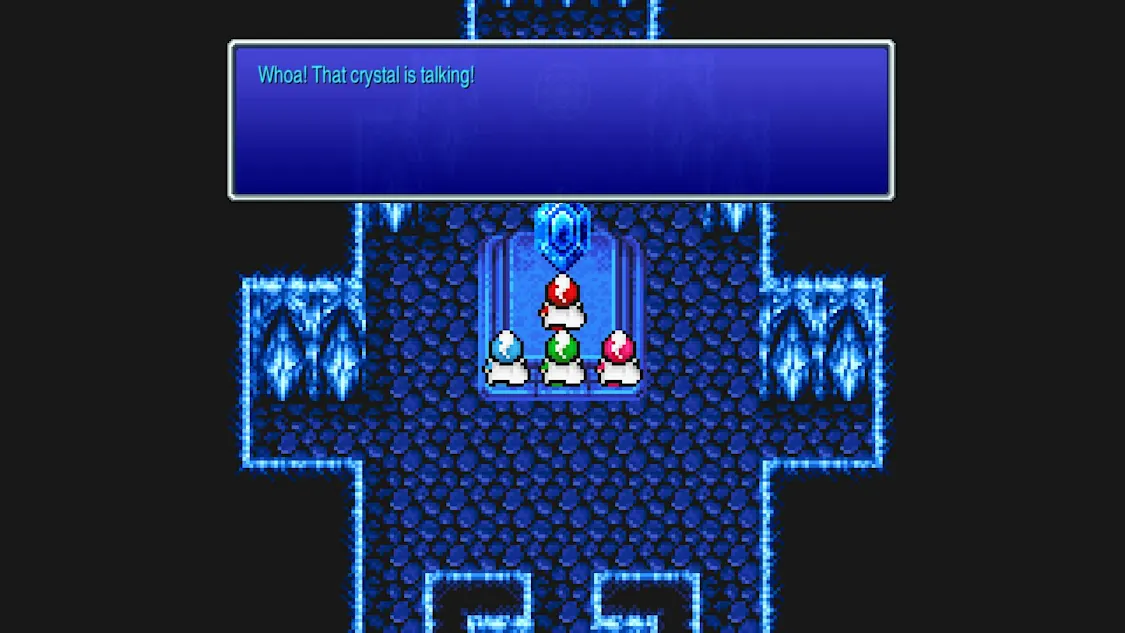
The Final Fantasy III story begins with four orphaned youths from the village of Ur. Their discovery of an ancient crystal changes the scale of their lives immediately. The crystal grants them power and reveals a duty far greater than their quiet beginnings: they must seek out the remaining crystals and confront a darkness spreading across the world.
This is a world endangered by an imbalance between light and dark, with the looming threat of an eternal void giving the quest its weight. The young party travels through different lands, meets figures who may become allies or adversaries, and uncovers secrets connected to the larger prophecy. Their role is direct and demanding. Restoring order depends on their ability to survive the dangers between Ur and the farthest reaches of the world.
The tone balances a youthful band of heroes with high stakes. The Final Fantasy III crystals are not simply decorative landmarks; they frame the party’s purpose and point the adventure toward new destinations. That structure gives exploration a clear sense of forward movement, even as side paths, hidden places, and dungeons invite attention away from the main route.
How the Job System Shapes Every Party Strategy
The Final Fantasy III Job System is the game’s defining mechanical idea. Characters can change professions at almost any time, allowing the party to be adjusted for the demands of a particular area, enemy group, or boss. Rather than locking each hero into one role, the system encourages players to test combinations and respond to the situation in front of them.
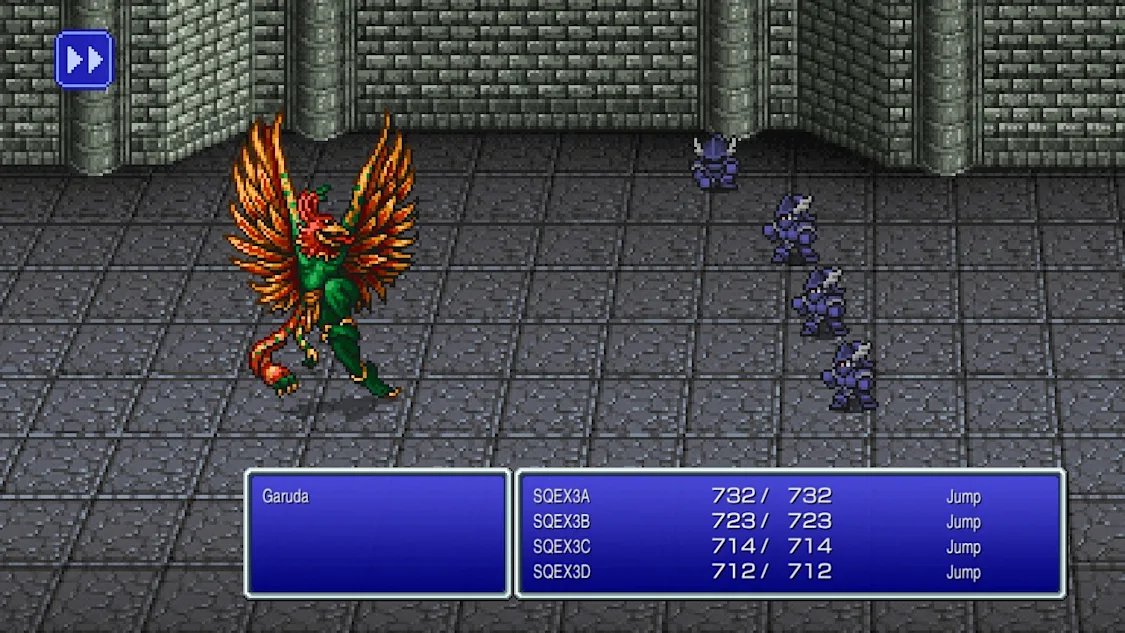
There are more than 20 jobs to consider, including Warrior, Monk, White Mage, and Black Mage. A party can be shaped around physical strength, restorative magic, offensive spells, or a mixture of those approaches. This flexibility gives the game a strong sense of progression because new jobs and skills do more than increase numbers; they open fresh tactical options.
- Build for the fight: Change professions when a new enemy type or boss calls for a different balance of offense, support, and magic.
- Test job strengths: Early experimentation helps reveal which abilities and roles suit a player’s preferred approach.
- Prepare before danger: A difficult dungeon or major battle is a useful moment to review jobs, skills, and equipment.
- Keep the party adaptable: A single arrangement may not be ideal for every encounter, making flexibility valuable throughout the journey.
- Use growth with purpose: Extra levels and newly gained job abilities can make a meaningful difference against tougher opponents.
This emphasis on adjustment gives the game replay value in a practical sense. Returning players can try different party compositions, lean more heavily on magic or physical attacks, and find new solutions to familiar challenges. The system is especially suitable for RPG players who enjoy planning before a battle rather than relying on one permanent team setup.
Turn-Based Battles Built Around Abilities, Spells, and Items
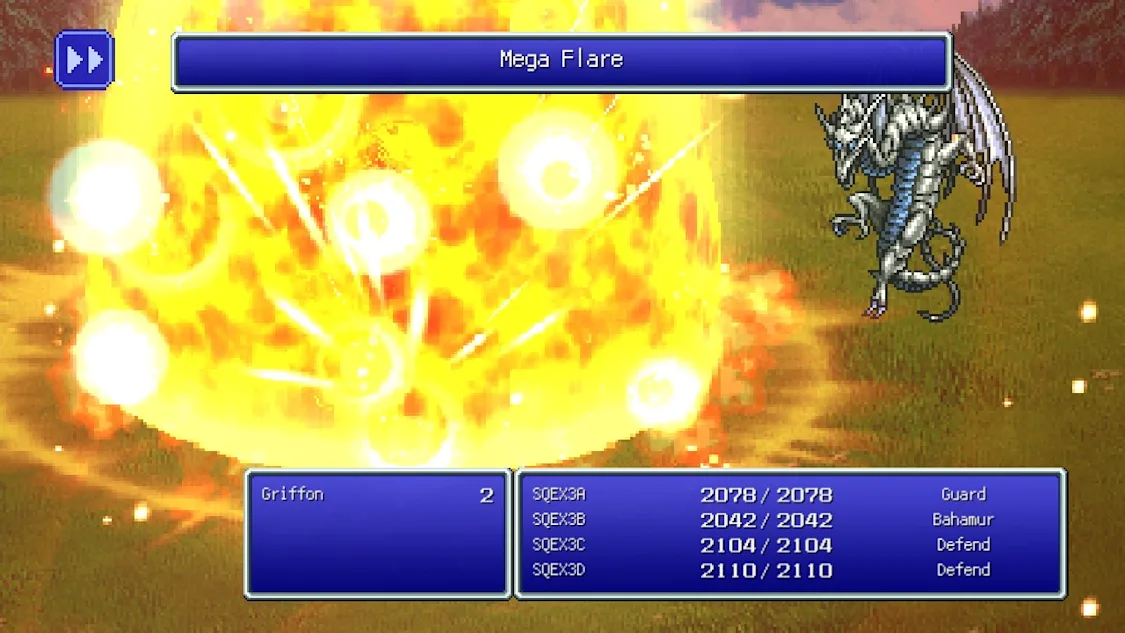
Combat follows a traditional turn-based format. Each encounter asks the player to select actions carefully, using job abilities, spells, items, and equipment to handle the monsters encountered along the way. The pacing leaves room to consider choices, which suits an adventure where preparation can matter as much as the actions taken during a fight.
Boss strategy is closely tied to party customization. A formidable opponent may require stronger equipment, a different job mix, additional levels, or better use of healing and offensive magic. The game does not present every battle as a puzzle with one stated answer, but it consistently rewards attention to the tools available to the party.
Equipment should be kept current as the group reaches more demanding locations. In the same way, spending time strengthening the party before major confrontations can be beneficial. These elements create a measured rhythm: explore, fight, gain strength, reassess the team, and push toward the next crystal-related objective.
Exploring Continents, Towns, Dungeons, and Hidden Discoveries
Exploration gives the quest much of its atmosphere. The world map connects continents, towns, dungeons, and hidden locations, making the adventure feel larger as new routes become available. Towns provide breaks between dangerous expeditions, while dungeons bring treasure, enemies, and the threat of more demanding encounters.
The Final Fantasy III dungeons support the game’s broader progression loop. They are places to test a party arrangement, collect useful rewards, and face enemies that may expose weaknesses in a current strategy. Hidden discoveries encourage players to look beyond the most obvious path, while the journey across the world ensures that each new region can feel like another step in the group’s growing responsibility.
Its 3D presentation adds visual presence to this movement through the world. The refreshed look does not change the game’s classic foundations, but it helps the adventure’s locations feel more immediate, from the starting village of Ur to the more distant areas reached later in the quest.
Airships and the Expanding Scope of the Adventure
Airships are a key part of the Final Fantasy tradition, and they expand the practical and dramatic scale of this journey. They provide faster travel and allow the party to reach additional areas across the continents, turning previously distant destinations into accessible parts of the world.
That growing mobility reinforces the story’s sense of escalation. What begins with four orphans and a single ancient crystal becomes a wider expedition across a world in danger. In Final Fantasy III Switch NSP, the combination of airship travel, varied jobs, turn-based combat, and crystal-led exploration makes for a substantial RPG suited to players who appreciate deliberate progression and the freedom to rethink their party as the adventure unfolds.
Recommended Similar Games
 The Legend of Heroes: Trails into Reverie Switch NSP XCIView Game
 CRISIS CORE –FINAL FANTASY VII– REUNION Switch NSP XCIView Game
 The Legend of Heroes Sen no Kiseki I Kai Thors Military Academy 1204 Switch NSPView Game
 Persona 3 Portable Switch NSPView Game
 Omega Labyrinth Life Switch NSPView Game
 Tale of Immortal Switch NSPView Game
