Rune Factory 3 Special Switch NSP XCI
Report Link Error
Select the broken download file, then submit the report.
Screenshots
About Game
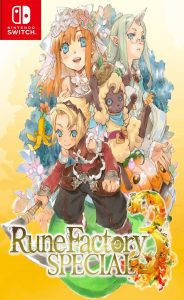
Rune Factory 3 Special Switch NSP XCI refers to the Nintendo Switch release of Marvelous (XSEED)’s farming-focused fantasy adventure, released on March 2, 2023. Combining action, role-playing, and simulation elements, the game returns players to Sharance, a village shaped by crops, community routines, monster-filled expeditions, and a conflict that reaches far beyond its peaceful fields.
Rune Factory 3 Special on Nintendo Switch: Release and Game Details
Released across Europe, the USA, Asia, and Japan, Rune Factory 3 Special brings one of the series’ distinctive genre blends to Switch. Marvelous (XSEED) is credited as both publisher and developer. Its structure moves freely between domestic work and adventure: a morning may begin with tending crops, while the afternoon can lead into a dangerous dungeon or a conversation with a villager.
The game’s action RPG side supplies real-time battles and character progression, while its simulation side gives daily life real weight. Farming, cooking, crafting, forging, social events, and exploration all draw from the same broader routine. Rather than treating these systems as separate modes, the game connects them through materials, stamina, relationships, and the player’s choices about how to spend each day.
As a Special version, it presents the world with enhanced visuals that make Sharance and its surrounding fantasy setting feel more vivid. The appeal is not in rushing through one activity. It is in settling into a flexible rhythm where practical work, story progress, and personal connections can share the same in-game day.
Humans, Monsters, and the Search for Harmony
The Rune Factory 3 Special story follows Micah, a young man who arrives in Sharance with no memory of his past. He has another unusual problem: he can transform into a Wooly monster. That ability immediately places him in an uncertain position within a community living beneath the immense Sharance Tree.
The tree is more than a memorable landmark. Its secrets are tied to the town’s prosperity and to its relationship with the monsters native to the area. As Micah learns more about Sharance, he encounters a long-running divide between humans and monsters, one sustained by old prejudice and fear. His human and monster forms make him a natural link between two groups that do not easily trust one another.
This gives the story a gentler emotional frame than a simple quest for power. Micah is searching for the truth of his own identity, but he is also drawn into efforts to ease a conflict that has shaped the village. The narrative’s concern with acceptance and unity fits the setting: Sharance is a place where people work, celebrate, argue, and gradually reveal their own histories.
How Farming Shapes Each Day in Sharance
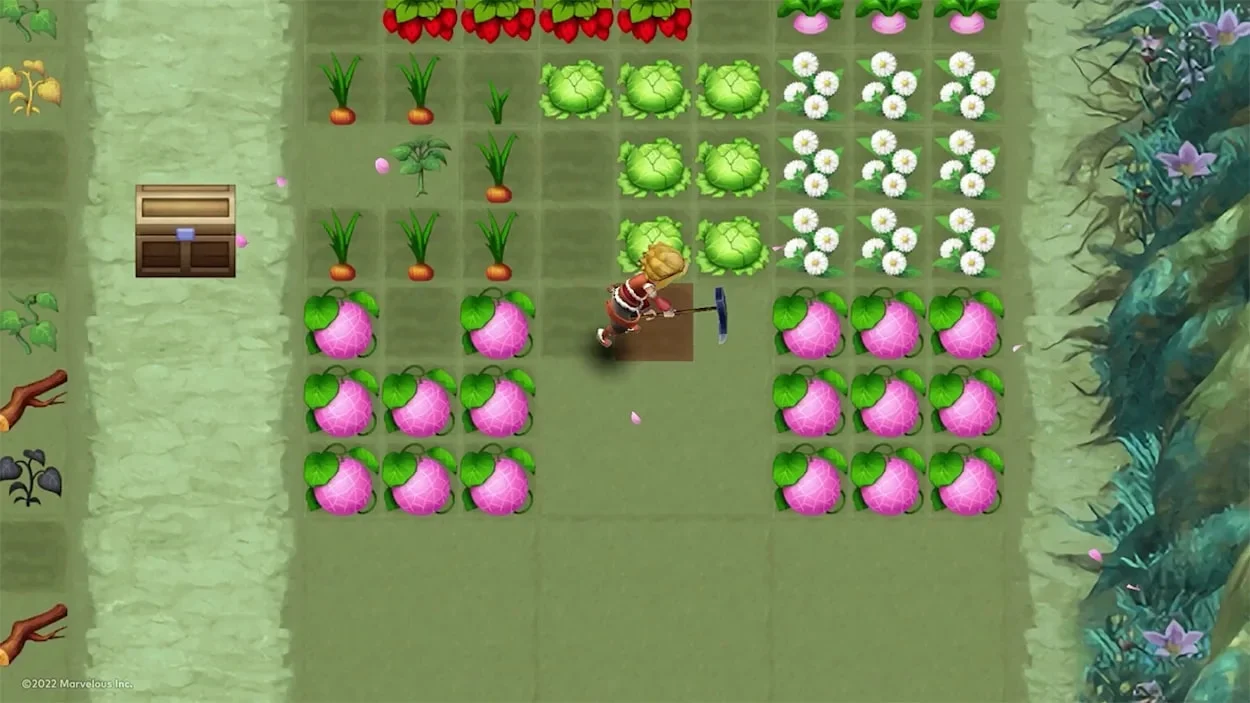
Rune Factory 3 Special farming provides the practical foundation for much of the experience. Players cultivate different crops, monitor soil quality, and improve their results by upgrading farming tools. The field is not merely decorative downtime between story scenes; it is an ongoing responsibility that creates a reason to return home after exploring farther from town.
Crop cultivation also feeds into other systems. Harvested ingredients can be used in cooking, while materials gathered during normal play support crafting and forging. Meals can restore health and stamina and provide useful effects, making the work of the farm relevant even on combat-heavy days.
- Start with the soil. Managing field conditions is part of growing crops successfully, not just planting and waiting.
- Improve the tools. Farming tool upgrades support more effective work and better yields.
- Use the harvest. Crops become ingredients for dishes that help restore health and stamina.
- Gather beyond the farm. Materials from exploration and monster encounters contribute to crafting and forging.
- Set the day’s pace. Farming can take priority, or it can sit alongside social visits and dungeon trips.
This routine gives progression a pleasantly grounded quality. Stronger equipment matters, but so does remembering the field. A player who enjoys steady, repeatable tasks can spend meaningful time improving the farm, while those more interested in adventure can use it as support for a broader journey.
Real-Time Combat, Weapons, and Magic
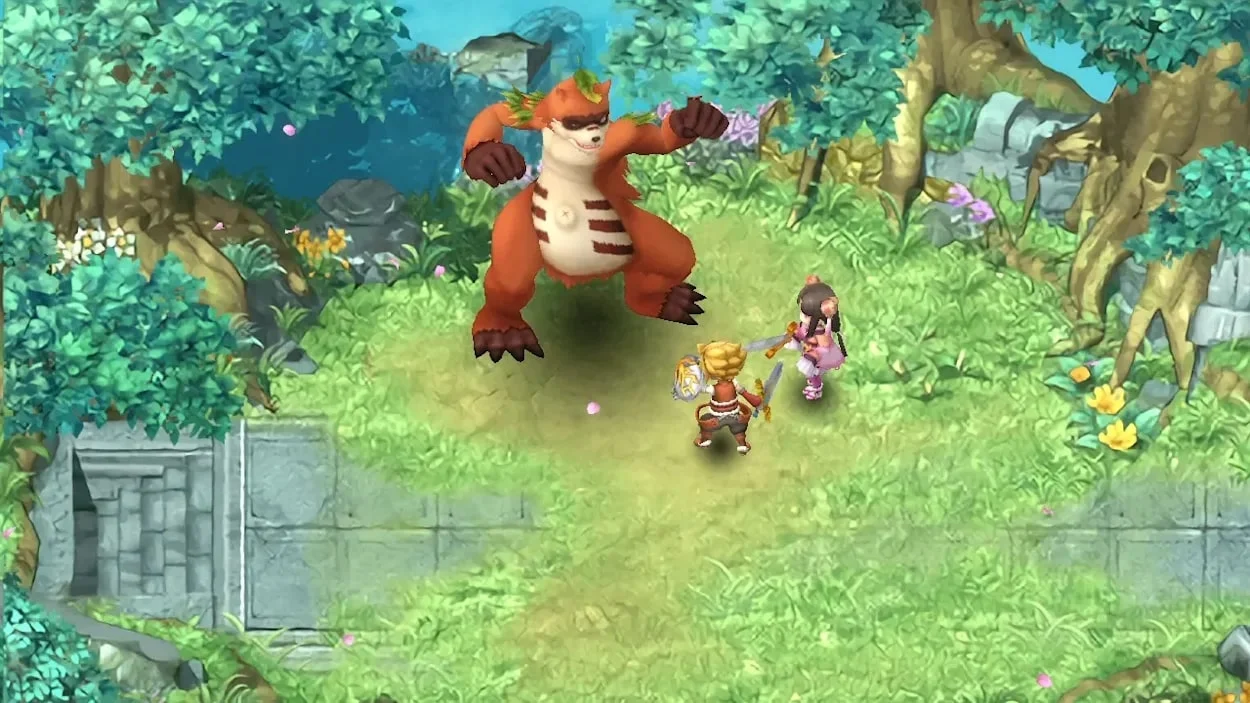
Combat gives the game its more immediate energy. Battles unfold in real time, asking players to confront monsters directly during exploration rather than relying on turn-based commands. Swords, spears, axes, and magic spells offer different approaches, while crafted equipment lets gathered resources affect combat readiness.
The action RPG framework works because it remains connected to the rest of village life. A weapon or piece of armor can be forged from materials collected through farming, exploration, and monster drops. Cooking can prepare Micah for a difficult outing. Tamed monsters may help on the farm or accompany him, extending the game’s central idea that human life and monster life are closely intertwined.
For players approaching Rune Factory 3 Special Switch NSP XCI as a fantasy adventure, the combat provides a clear reason to leave Sharance regularly. Yet the game does not abandon its quieter tone when battles begin. Fighting, crafting, and returning with useful materials are all part of the same cycle.
Dungeon Exploration and Resource Gathering
Rune Factory 3 Special dungeons expand the world beyond the village and its fields. These areas feature their own themes, enemy encounters, puzzles, and valuable loot. They are where combat becomes most demanding, but they also serve as important sources of resources for the wider gameplay loop.
Exploration rewards preparation. Players can arrive with equipment, meals, and a chosen combat style, then return with materials that may become weapons, armor, accessories, or cooking ingredients. Monster drops add another source for forging, while the discovery of loot gives expeditions a useful purpose beyond story advancement.
The result is a loop that naturally supports replay value through variety rather than through a single prescribed route. A player may focus on gathering, spend more time refining equipment, pursue village interactions, or press onward through dungeons. Sharance remains the anchor point, but the game leaves room for different priorities from day to day.
Building Friendships Through Village Life
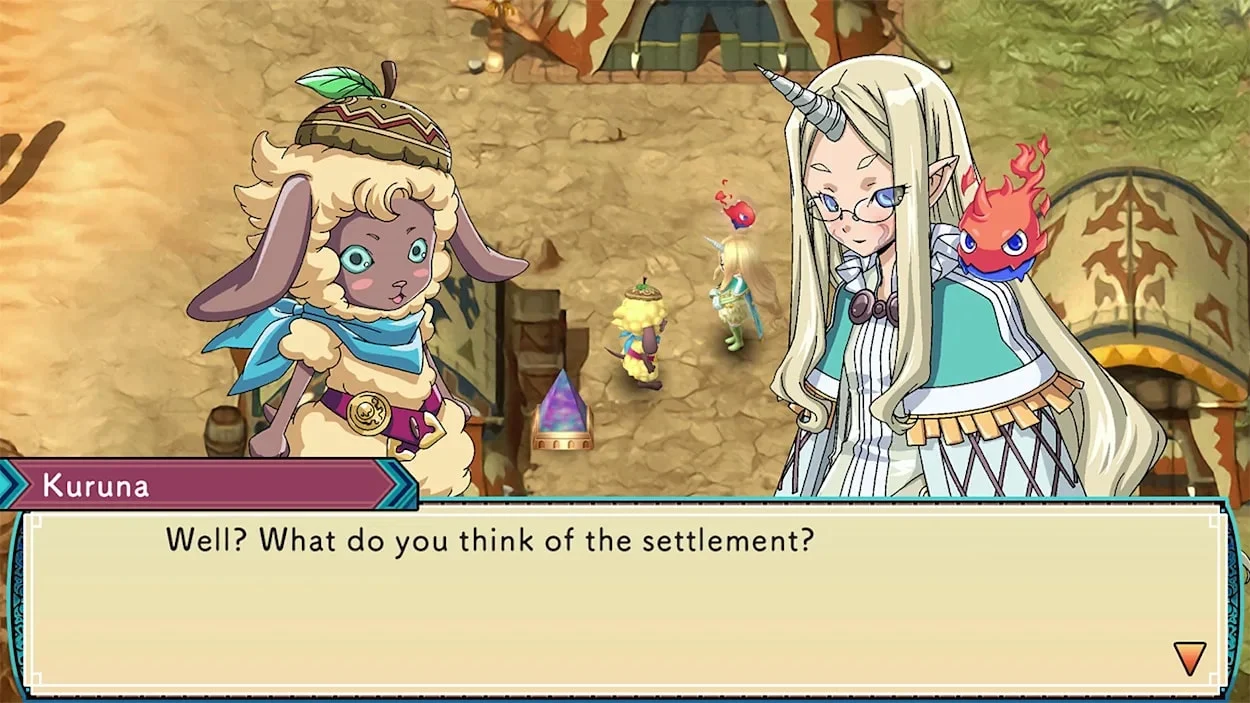
Sharance is populated by villagers with individual personalities and stories, and the relationship system gives those encounters lasting importance. Gifts and conversations help develop connections, while festivals create communal occasions that break up the ordinary working schedule. These social activities help make the village feel like a place with its own routines rather than just a quest hub.
Rune Factory 3 Special relationships can grow into romance and marriage, adding a more personal form of progression alongside the farm and combat systems. The relationship mechanics suit the game’s larger themes: Micah’s journey is concerned with building understanding, and village life lets that idea play out through repeated contact and shared events.
This makes the game especially fitting for players who enjoy role-playing adventures with room for domestic routine, relationship building, and gradual improvement. Its action has purpose, but so do the small rituals of Sharance: giving a gift, preparing a meal, working the soil, or returning from a dungeon with something useful for the next day.