The Rumble Fish + Switch NSP

Report Link Error
Select the broken download file, then submit the report.
Screenshots
About Game
The Rumble Fish + Switch NSP brings an arcade-minded 2D fighting game to Nintendo Switch with a focus on sharp timing, aggressive exchanges, and a combat system built around two competing meters. Released in the USA on December 20, 2023, this 3goo-developed and published title supports English and Japanese, pairing its action-heavy matches with a near-future tournament story. Its 1.0.1 release is a compact fighting experience, but one with room to explore through different fighters, techniques, and match situations.
The Rumble Fish on Nintendo Switch: A Classic 2D Fighter Returns
The Rumble Fish Switch release centers on the appeal of classic 2D fighting game design: direct head-to-head battles, animated character sprites, special moves, and the constant search for a clean opening. The game’s arcade action does not rely on a single attack pattern. Instead, it asks players to weigh pressure against defense, then make the most of the resources earned during a round.
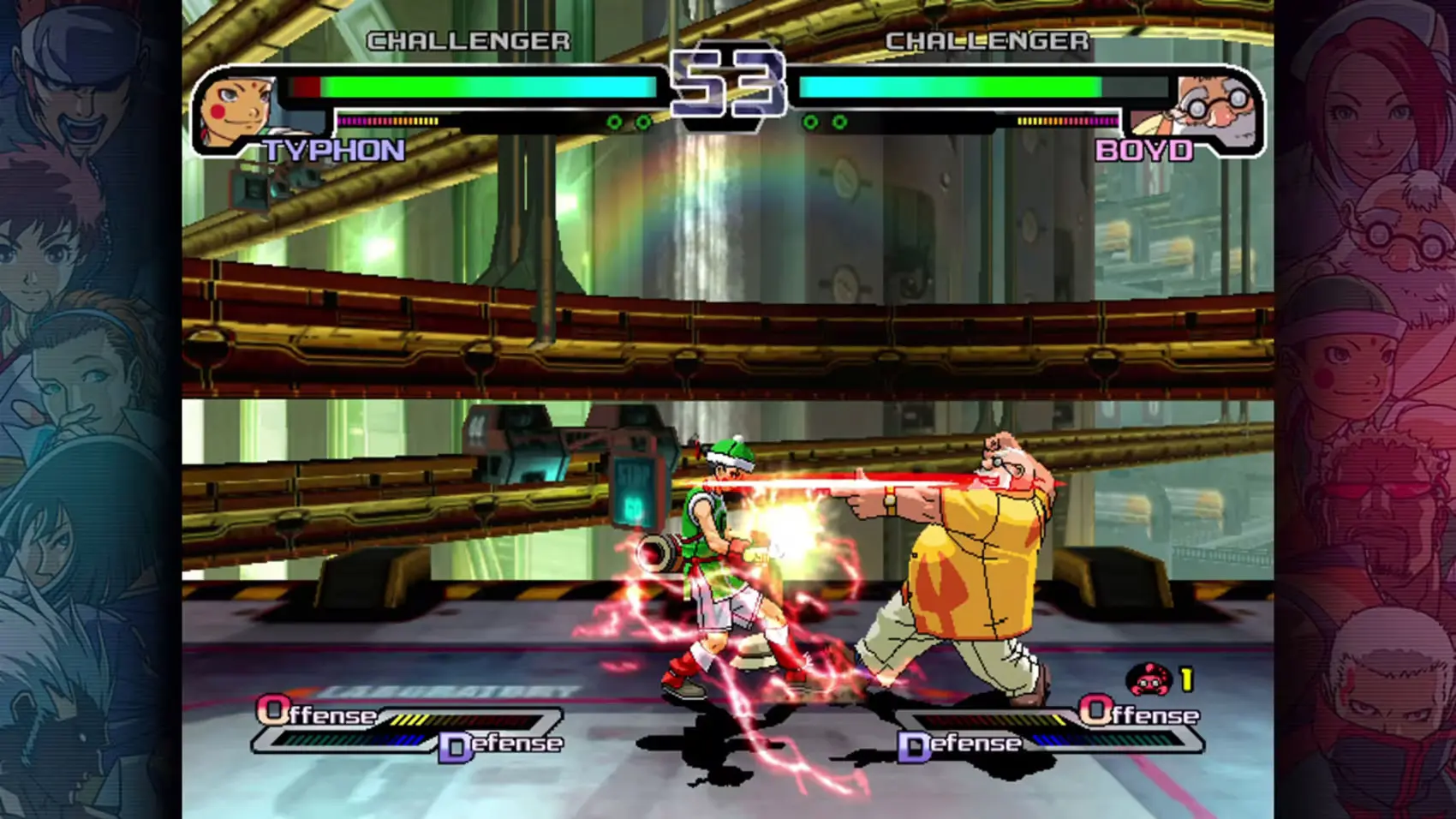
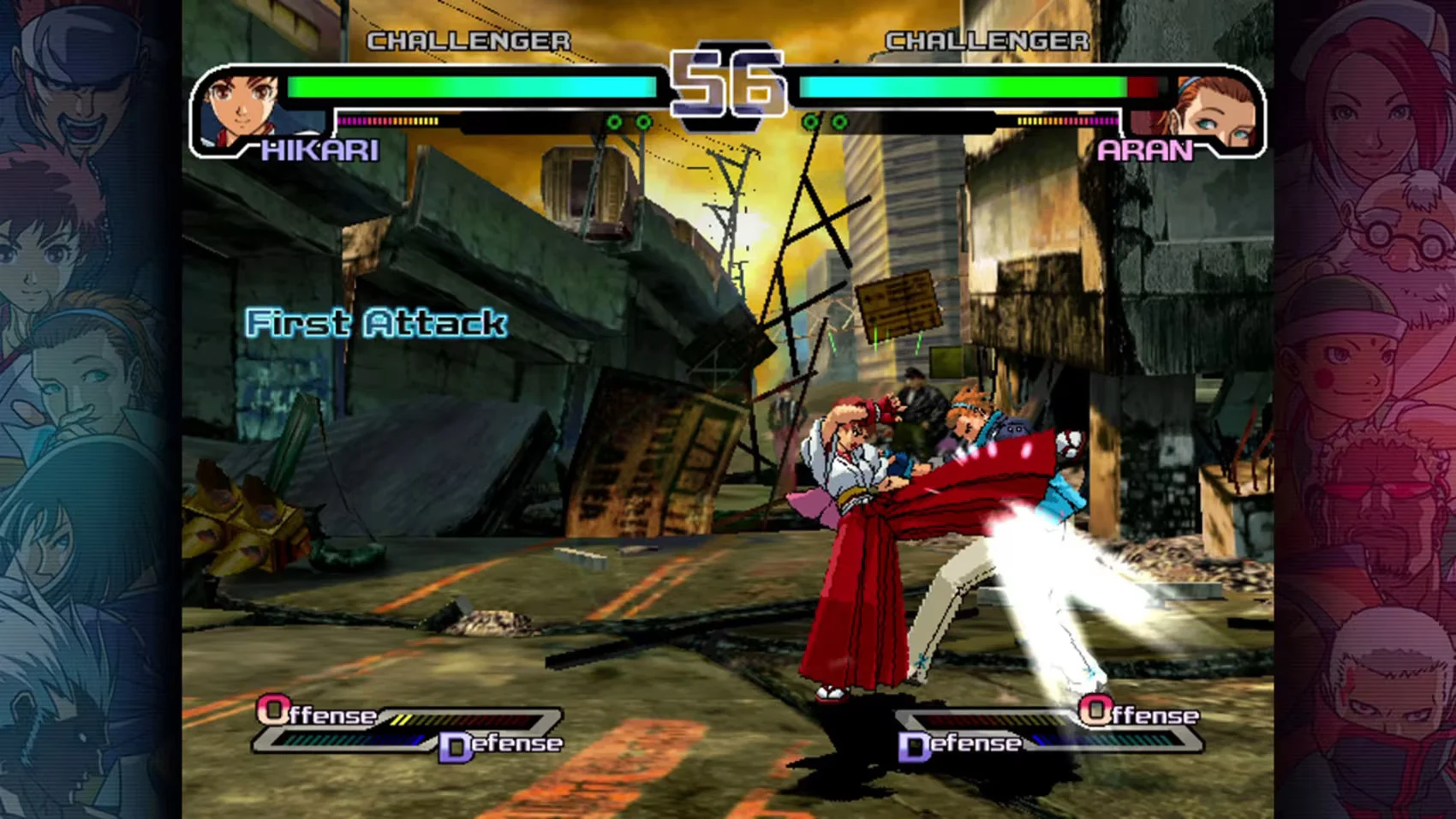
Its visual presentation supports that emphasis. Vibrant 2D sprites and detailed animations give attacks and special techniques a pronounced sense of impact, while each fighter has a distinct style and move selection. That variety matters in a fighting game built for repeat matches. A player can spend time learning how one combatant approaches range, pressure, or counterplay, then switch characters and find a different rhythm.
Multiplayer is a natural fit for this structure. Matches can become more interesting as both sides understand the game’s meters, defensive options, and opportunities to convert a hit into a longer sequence. The result is a fighter suited to players who enjoy arcade-style competition but also want mechanics that reward deliberate decisions rather than uninterrupted button presses.
A Near-Future Tournament Under F.I.S.H. Control
The Rumble Fish story takes place in the near future following the Great Eastern Asia War, a devastating disaster that affected eastern Asia. In the aftermath, a lawless region emerged, and the South Town financial group known as F.I.S.H. rose to power within it.
F.I.S.H. organizes a major fighting tournament, bringing together competitors with different reasons for entering. Some seek revenge, some pursue glory, and others want to demonstrate their strength. The organizers’ real intentions remain unclear, giving the tournament a layer of mystery beyond the immediate contests.
Choosing a fighter also opens the door to that character’s individual story. These personal paths connect participants to the event and its elusive backers, helping the tournament setting feel like more than a simple excuse for matches. The atmosphere is still rooted in action, but the larger F.I.S.H. presence gives the bouts a dystopian edge.
Understanding the Offensive and Defensive Arts Gauges
The defining element of The Rumble Fish mechanics is its dual-gauge combat structure. Rather than treating offense and defense as completely separate parts of a match, the game tracks each through its own Arts Gauge. This creates a continuing exchange: attacking successfully builds one resource, while guarding and absorbing damage builds another.
The Offensive Arts Gauge increases when attacks connect. It is the route to powerful Offensive Arts techniques, so landing clean hits does more than reduce an opponent’s health. It also strengthens the attacker’s future options. That encourages players to recognize when a simple opening can become a larger advantage.
The Defensive Arts Gauge, meanwhile, grows when a fighter guards or takes damage. It supports defensive maneuvers and reversals when used with the right timing. A player under pressure is not simply waiting for the round to end; defensive play can build a resource that may help interrupt or escape an opponent’s momentum.
This makes positioning and timing especially important. Reckless attacks can hand an opponent a chance to respond, while passive defense can still have value because it feeds the defensive side of the system. The two gauges turn each exchange into a question of risk, reward, and preparation.
Offensive Arts and the Push for Combo Damage
Offensive Arts are the reward for converting successful attacks into meter. Once the Offensive Arts Gauge has been built, players can use powerful techniques that raise the threat of each opening. A clean hit may become more than a quick strike; it can be the start of a damaging sequence.
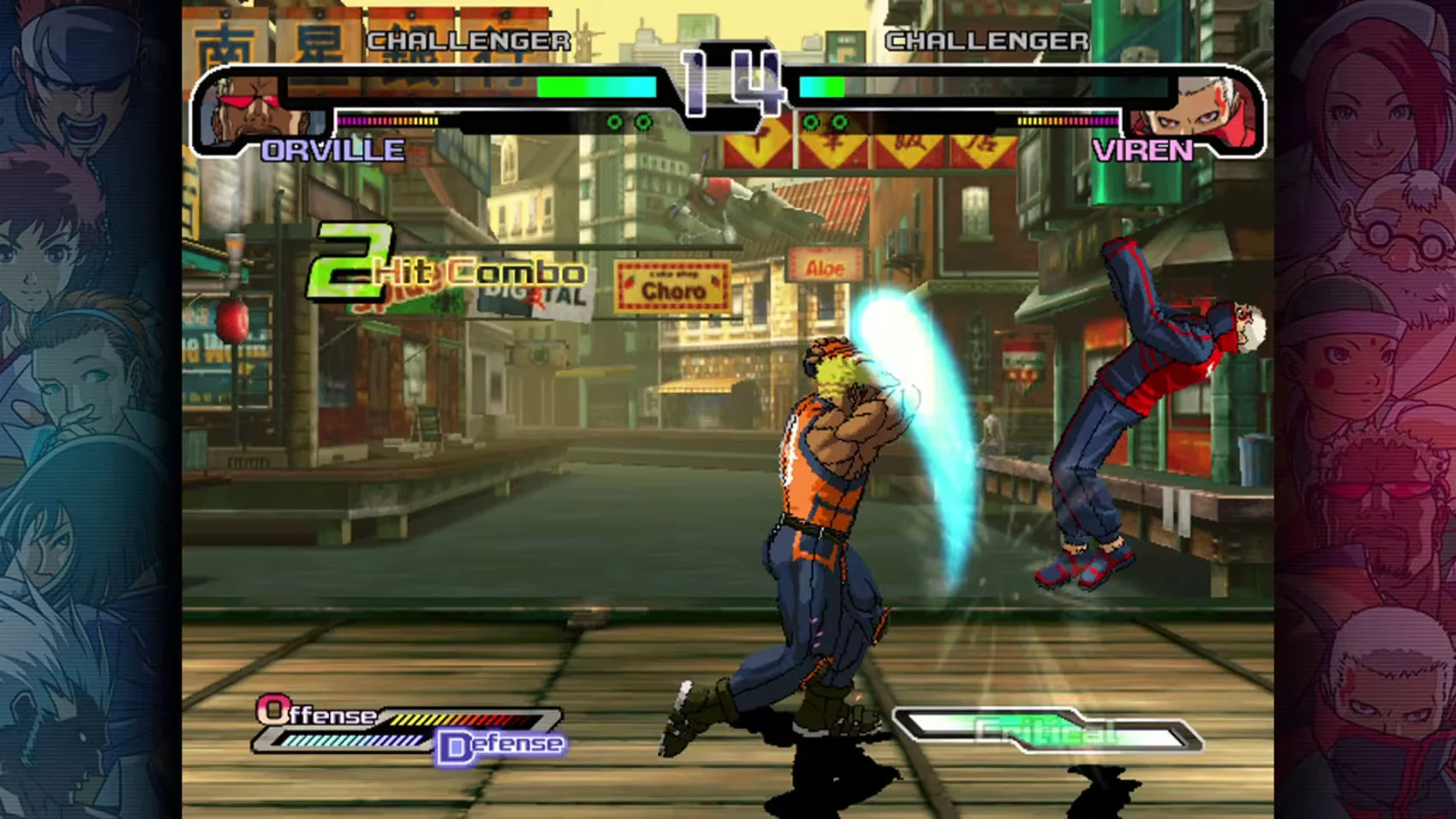
The game supports stylish combos by allowing attacks and special moves to be linked together. Creativity and timing are important here. Longer sequences are not only about speed, but about recognizing what can connect after a particular hit and using the available gauge at an effective moment.
Impact Frames add another strategic layer. Certain attacks have these frames and can break an opponent’s guard or leave them open to follow-up attacks. They create meaningful pressure against defensive opponents, especially when a player can recognize the opening and immediately turn it into a combo opportunity.
For players learning their chosen fighter, this is where practice pays off. Understanding which attacks build momentum, which techniques consume it, and which situations lead into reliable follow-ups helps make the game’s action feel controlled rather than chaotic.
Critical Attacks and Turning Momentum Around
Critical Attacks make the opponent’s Defensive Arts Gauge a major point of attention. When that gauge is depleted, a powerful Critical Attack becomes available, delivering heavy damage and potentially changing the direction of a match in a single moment.
This gives gauge management a clear tactical purpose. Players are not only trying to fill their own meters; they are also watching how close an opponent is to losing defensive resources. Pressure becomes more dangerous when the other side’s defensive gauge is running low, while preserving options can be vital when a round begins to slip away.
The system also helps explain the game’s push-and-pull feel. An aggressive player wants to land attacks, build Offensive Arts, and maintain pressure. A defending player can gain Defensive Arts through guarding or taking damage, yet must avoid letting that defensive gauge be drained to the point where a Critical Attack is possible. Strong play comes from understanding both sides of that exchange.
That tension gives The Rumble Fish + Switch NSP replay value beyond individual character stories. New matchups, different fighter styles, and better knowledge of Arts usage can change how each contest unfolds. It is an approachable premise with combat details that reward continued attention.
5 Combat Priorities for New The Rumble Fish Players
- Learn a fighter’s style. Each character has a distinct fighting approach and special moves, so spend time identifying attacks that feel useful at different ranges and situations.
- Build Offensive Arts through hits. Successful attacks fill the Offensive Arts Gauge, giving access to stronger techniques and potential combo extensions.
- Use Defensive Arts with care. Guarding or taking damage builds the Defensive Arts Gauge, which can support defensive maneuvers and reversals when the timing is right.
- Watch for Impact Frame openings. Certain attacks can break a guard or open an opponent for follow-ups, creating valuable moments for damage.
- Capitalize on an empty defensive gauge. Keep an eye on the opponent’s Defensive Arts Gauge; depleting it creates the opportunity for a damaging Critical Attack.
For newcomers, these priorities provide a practical way into the game without reducing its depth. The Rumble Fish rewards players who want to learn a character, read an opponent’s resources, and turn a brief advantage into a decisive sequence of arcade fighting action.