Fitness Boxing feat. Hatsune Miku: Isshoni Exercise Switch NSP
Report Link Error
Select the broken download file, then submit the report.


Screenshots

About Game
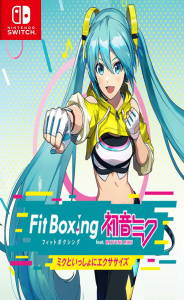
Fitness Boxing feat. Hatsune Miku: Isshoni Exercise Switch NSP is a music-led fitness game from Imagineer, released on March 8, 2024. Rather than building its appeal around a dramatic campaign, it brings Hatsune Miku into a rhythmic boxing routine designed for the living room: punch, dodge, keep time with the music, and return for another session with a little more confidence than before.
What Fitness Boxing feat. Hatsune Miku: Isshoni Exercise Is
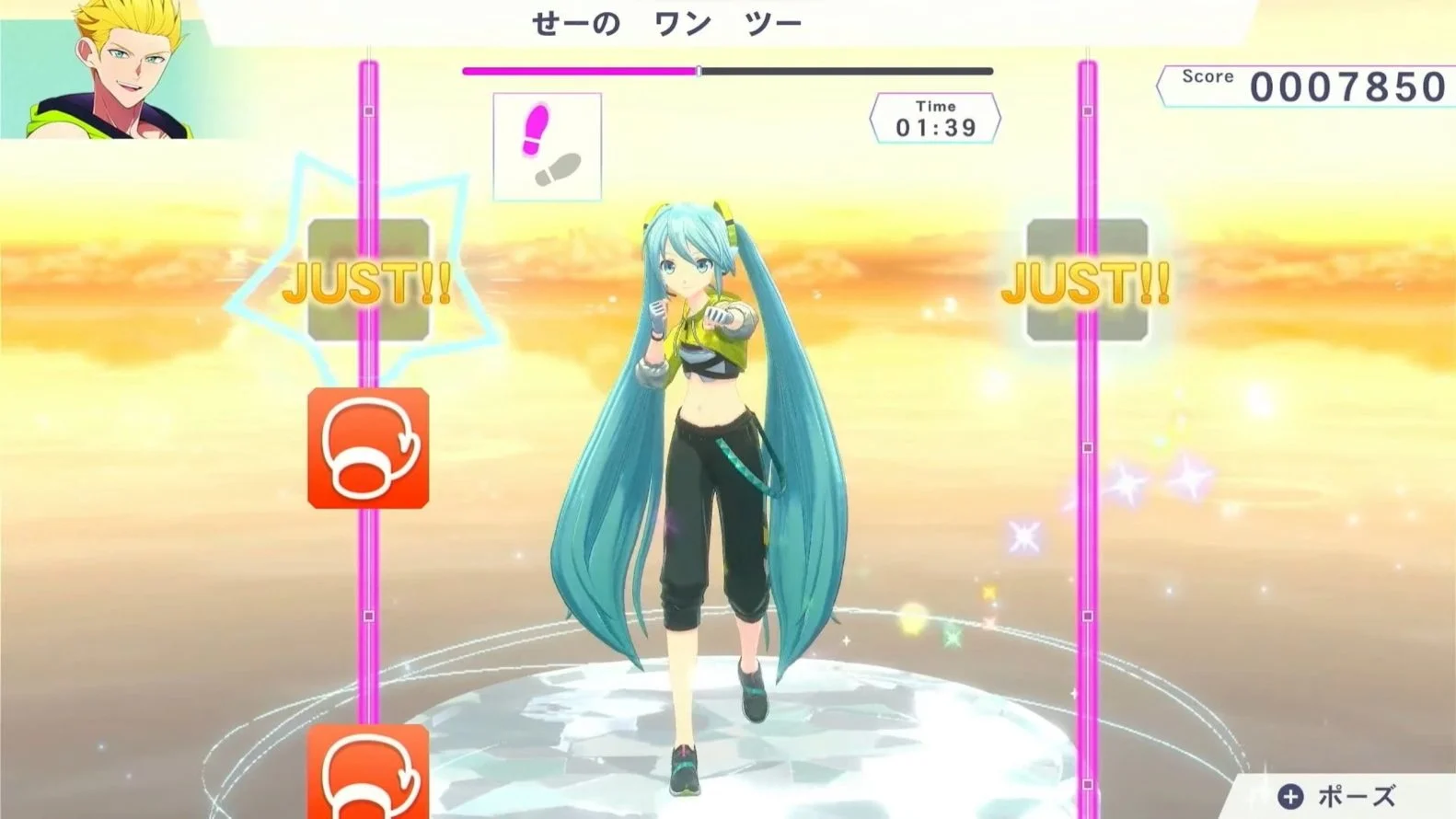
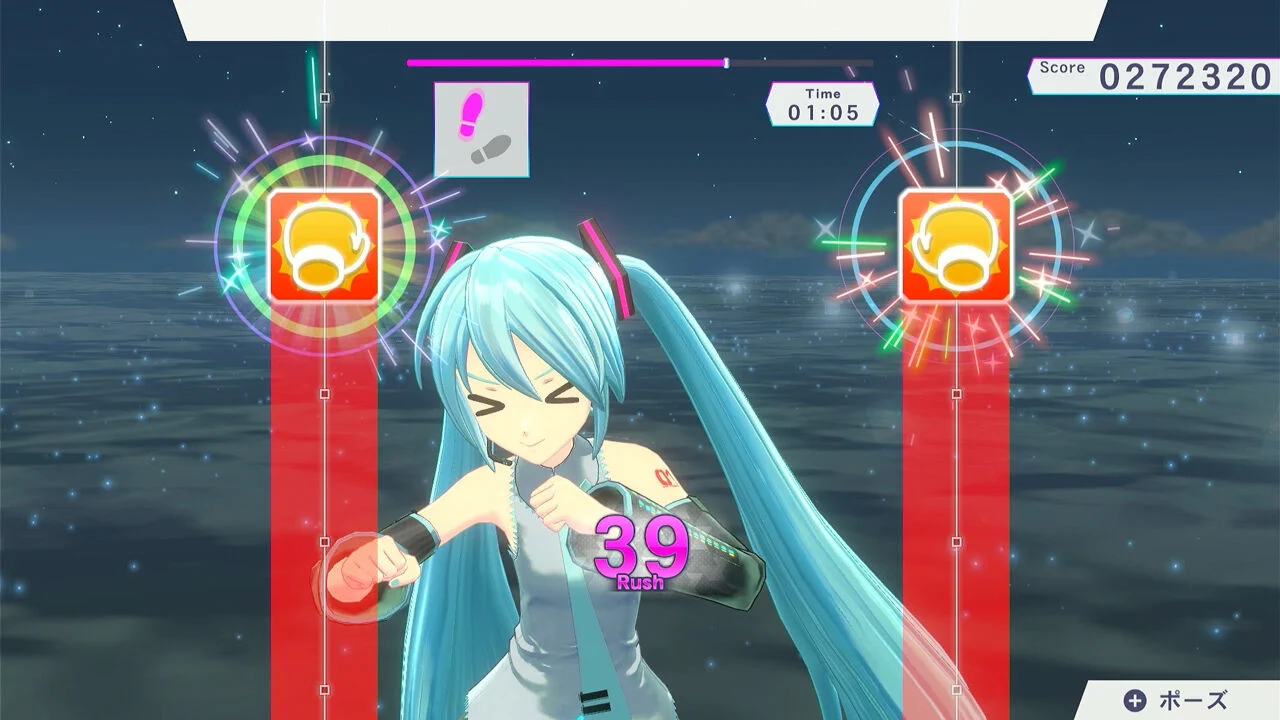
Fitness Boxing feat. Hatsune Miku: Isshoni Exercise treats exercise as a performance with a clear beat. The player uses Nintendo Switch Joy-Cons to follow boxing-inspired motions including jabs, crosses, hooks, and uppercuts, while dodges add movement beyond simply throwing punches. The structure is accessible in concept, but its rhythm-based approach asks for attention: the right move still needs to happen at the right moment.
Imagineer frames the experience around Hatsune Miku’s presence as a virtual training partner. She is not merely a visual theme layered over workouts. Miku and other instructors demonstrate actions, maintain the session’s upbeat tone, and encourage players as routines progress. That combination gives the game a distinctly pop-oriented presentation, with colorful exercise environments and a familiar virtual performer at the center of the action.
It is a fitness game with a musical identity, aimed at players who would rather follow a song’s momentum than face a conventional workout interface. The routines can feel like a small personal stage performance, except the goal is to keep moving consistently and accurately.
A Fitness Journey Built Around Encouragement, Not Story Drama
The Fitness Boxing feat. Hatsune Miku storyline is deliberately light. There is no deep narrative conflict or long dramatic arc to chase. Instead, the throughline comes from the player joining Miku on a shared fitness journey, setting personal objectives, completing routines, and reaching exercise milestones over time.
That simplicity suits the format. A daily program does not need a complicated plot when its main purpose is to make returning feel manageable. Miku’s role as a Hatsune Miku exercise instructor gives those repeated sessions a friendly sense of continuity. Progress is acknowledged, goals remain visible, and the game’s tone stays focused on self-improvement rather than pressure.
This is an encouraging framework for players who respond well to routine but do not want their exercise time to feel clinical. The game makes room for gradual effort. A session can be another step toward a personal target, while Miku’s energetic presentation keeps the mood lighter than a conventional training plan.
Music, Timing, and the Hatsune Miku Connection
Music is the engine behind each workout. Players punch and dodge in rhythm to popular Hatsune Miku songs as well as original tracks, turning timing into an essential part of the exercise. The result is not simply boxing movement set against background music; rhythmic accuracy helps define how each routine is performed.
That connection makes sense for a Hatsune Miku fitness game. Her identity is rooted in music and performance, so the use of J-Pop-flavored tracks gives the workouts a natural sense of pace and personality. A steady beat can make repetition easier to follow, while a more energetic track can make a demanding sequence feel like a challenge to ride out rather than a chore to endure.
For players drawn to a rhythm workout game, the appeal lies in this overlap between physical movement and musical cues. The game asks the player to stay alert to incoming instructions while responding to the track’s pulse. It is a format that can reward concentration as much as enthusiasm.
- Follow the beat: Jabs, crosses, hooks, uppercuts, and dodges are performed in time with the music.
- Watch the instructors: Miku and the other virtual trainers demonstrate the movements before and during routines.
- Work toward a goal: Daily workout programs are tailored around individual fitness objectives.
- Raise the challenge: Different difficulty levels give returning players a way to adjust the intensity.
- Share a session: Two-player mode turns the routine into a competitive activity for friends.
Virtual Instructors and Real-Time Movement Feedback
The virtual instructors have a practical role beyond presentation. They demonstrate the expected motions and provide encouragement, while the game tracks player movement and gives real-time workout feedback related to timing and form. In a routine based on repeated punches and evasive moves, that feedback helps keep the player engaged with how the exercise is being performed, not just how long it lasts.
The emphasis on boxing form and timing supports the game’s rhythm-first design. A properly timed punch is part of the score-like flow of the routine, while attention to form is presented as part of effective exercise. Players are also encouraged to pay attention to demonstrations, allow space to move freely, wear comfortable clothing and athletic shoes, and hold the Joy-Cons securely.
Those details reinforce the game’s role as an active experience rather than a passive music showcase. The presentation may be cheerful and animated, but the player is expected to move with purpose. Stretching before and after sessions, staying hydrated, and taking short breaks when needed all fit naturally with the game’s focus on repeated workouts.
Progression Through Difficulty, Outfits, and Accessories
Replay value comes from more than repeating favorite songs. Daily programs can be shaped around fitness objectives, while adjustable fitness game difficulty levels allow players to seek a more demanding routine as they become comfortable with the basics. This gives the game a progression path that is tied to activity and confidence rather than a traditional story campaign.
There is also a lighter visual reward system. As players progress, they can unlock new Hatsune Miku outfits and accessories. These additions do not change the core boxing mechanics, but they give regular sessions an extra collectible incentive and let Miku’s on-screen look evolve alongside the player’s exercise milestones.
That balance is useful for a game intended to be revisited. Difficulty offers a mechanical reason to continue, fitness goals provide a personal reason, and cosmetic unlocks supply a small celebratory reward. Fitness Boxing feat. Hatsune Miku: Isshoni Exercise Switch NSP keeps these elements in service of the routine instead of allowing them to distract from it.
Two-Player Sessions for Shared Exercise
The available Fitness Boxing Hatsune Miku two-player option changes the atmosphere of a session. Instead of exercising alone, friends can take part in a shared, competitive fitness activity. The basic boxing routines remain the focus, but a second player introduces encouragement, comparison, and the playful energy of trying to keep pace together.
That makes the game suitable for solo players who want a structured rhythm workout, as well as households looking for a more social way to be active. Its blend of virtual instructors, recognizable musical character, adjustable challenge, and competitive sessions gives it a broad but clearly defined appeal: it is for people who want movement, music, and Miku in the same room.