Sengoku Musou Sanada Maru Switch NSP
Report Link Error
Select the broken download file, then submit the report.


Screenshots
About Game
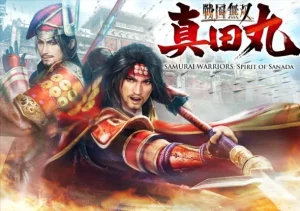
Sengoku Musou Sanada Maru Switch NSP is a Japanese-language action game from Koei Tecmo, released in Japan on September 11, 2017. Rather than treating the Sengoku era as a broad stage for many disconnected campaigns, it follows the fortunes of Yukimura Sanada and the people closest to him. The result is a Musou story built around family, duty, and the pressures of a country in conflict.
Sengoku Musou Sanada Maru: A Sanada Clan Chronicle
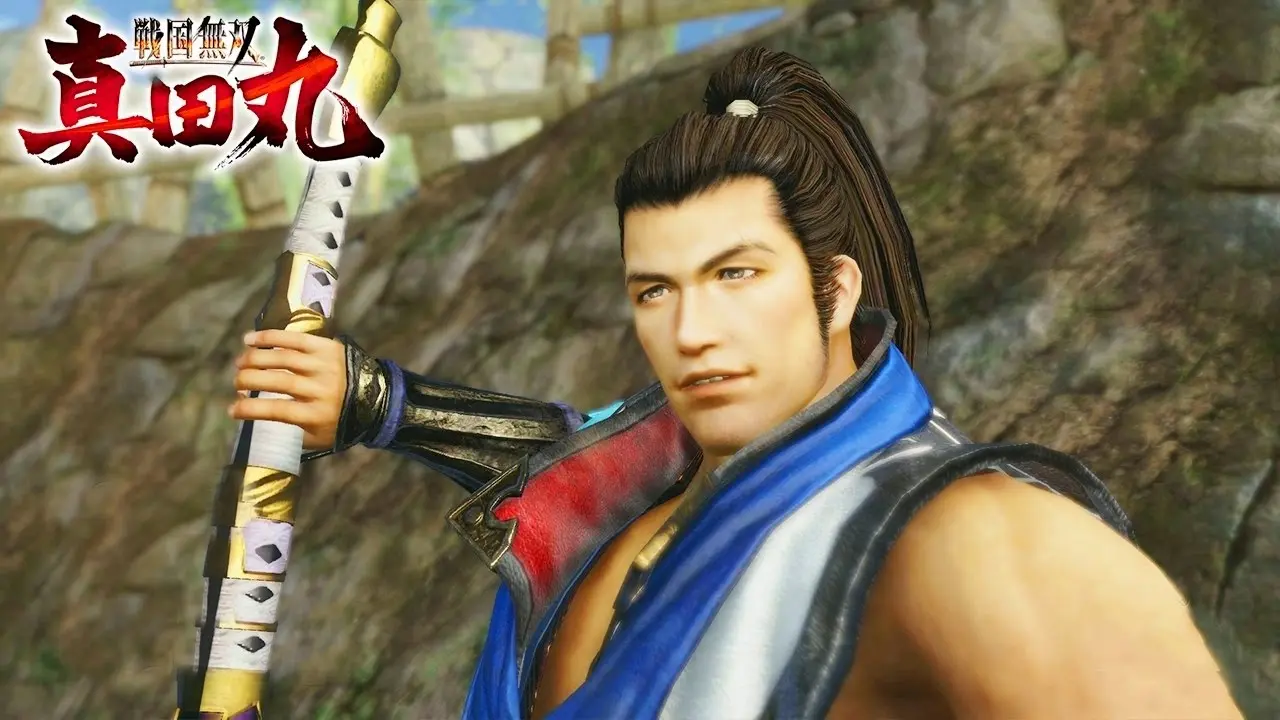
Sengoku Musou Sanada Maru places Yukimura Sanada at the center of its historical drama, but its perspective extends across the Sanada clan. The Sengoku period supplies the turbulent backdrop: alliances shift, major battles reshape the political landscape, and family members face choices that carry consequences well beyond a single battlefield.
This narrower focus gives the game a more personal direction than a narrative that simply moves from one famous conflict to the next. The Sanada family’s rise, struggles, and sacrifices provide the through-line. Yukimura is the central figure, yet the story gains much of its weight from the people who influence his path and from the clan’s position amid larger national events.
Key moments include conflicts such as the Battle of Sekigahara and the Siege of Osaka. These events are experienced through Yukimura’s life and the Sanada family’s circumstances, tying military action to the human cost of loyalty and ambition. The tone is shaped by honor, hardship, and the difficult obligations of a samurai saga.
Following Yukimura Sanada From Childhood to His Final Stand
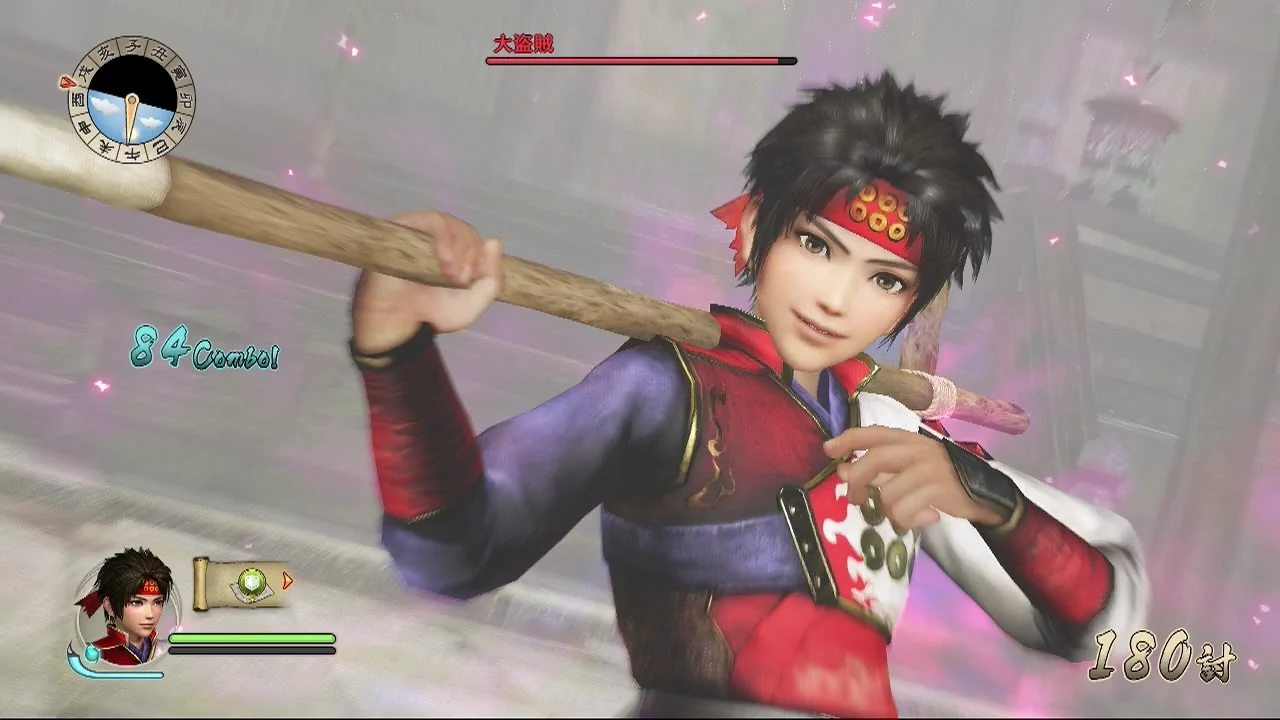
The Yukimura Sanada story spans decades. It begins with his youth and follows his growth through the events that establish his reputation, eventually reaching his final stand. That life-spanning structure gives the campaign room to show change rather than presenting Yukimura only as an already-established warrior.
As the Sengoku period advances, the story tracks both personal development and the escalating demands placed on the Sanada clan. Battles matter because they are part of a longer journey, while the quieter moments between them help establish the relationships and tensions behind each decision. The game’s historical framing is therefore not limited to victories or defeats; it also considers what these turning points ask of a family trying to endure.
This approach suits players interested in a focused samurai saga. The major conflicts retain their scale, but the central narrative remains close to Yukimura’s perspective. His legacy is presented through the people around him, the causes he serves, and the sacrifices required by the era.
Masayuki, Nobuyuki, and the Family Bonds at the Story’s Core
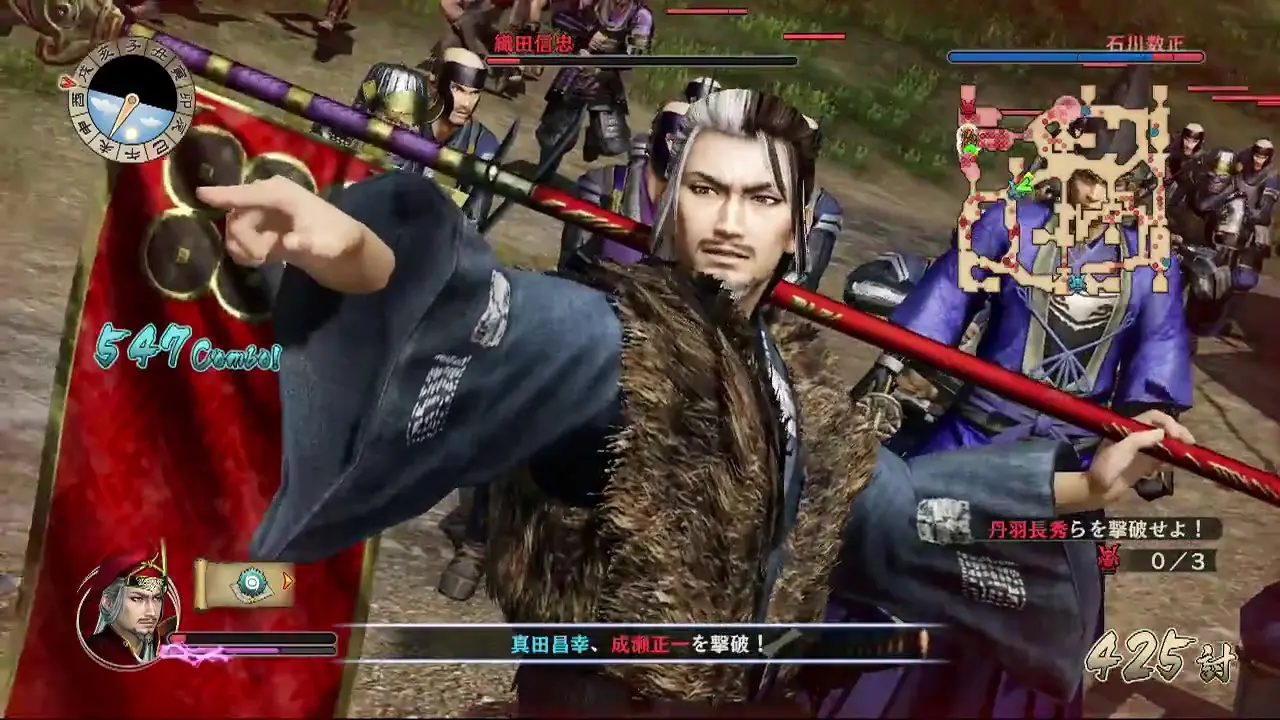
Masayuki Sanada and Nobuyuki Sanada are essential to the emotional shape of the campaign. Masayuki, Yukimura’s father, represents experience and guidance within a time of political uncertainty. Nobuyuki, Yukimura’s brother, adds another vital family relationship, one defined by shared history as well as the pressures of changing circumstances.
The Sanada family is not treated merely as a name attached to a series of battles. Its members have bonds to protect and difficult choices to confront. That emphasis gives the story a sense of intimacy amid its larger military setting. A campaign may lead toward an important historical clash, but the stakes are repeatedly filtered through the relationships between father, sons, and clan.
For a Musou game, this creates a useful contrast. Sweeping action scenes and crowded battlefields are balanced by character interaction and a narrative that returns to the question of what family loyalty means when alliances and responsibilities become complicated.
Signature Musou Combat and Large-Scale Enemy Battles
The action follows the familiar Musou formula of advancing through battlefields and cutting through large groups of enemies. Combos and powerful special moves form the foundation of combat, allowing officers to fight with force and style while moving through an army’s ranks.
Hyper Attacks are particularly useful against clusters of weaker enemies, helping players clear space quickly when a battlefield becomes crowded. This supports the fast, sweeping pace associated with hack-and-slash action while leaving room for timing and battlefield awareness.
The game also includes Sanada’s Resolve, an ability that can provide strategic boosts and help shift momentum during a conflict. Battles are not presented as isolated encounters alone. The Long-Term Battle system carries a campaign across multiple stages, giving preparation and resource management a greater role in the outcome. A victory in one stage can be part of a wider struggle rather than a clean reset before the next mission.
That structure encourages a more measured approach than simply rushing toward every objective. The spectacle remains important—large groups of enemies are there to be confronted—but planning can matter as much as direct aggression.
Castle Town Exploration, Side Quests, and Character Interaction
Between battles, Castle Town serves as a hub for preparation and conversation. Players can speak with NPCs, gather information, and take on side quests before moving into the next major mission. These activities make the periods between large-scale battles feel connected to the wider situation facing the Sanada clan.
NPC interaction can also deepen bonds with other characters, reinforcing the game’s emphasis on relationships. Castle Town is not simply a pause between action sequences; it is a place to assess the changing political atmosphere, pursue optional tasks, and prepare for upcoming challenges.
Chronicle Missions add further stories and rewards, offering a reason to explore more than the central sequence of battles. Alongside character development, weapon crafting, and equipment upgrades, these systems provide a sense of progression that extends beyond winning the next encounter. The day and night cycle further changes the rhythm of play, affecting enemy patrol patterns and which missions are available.
5 Systems to Prioritize Before Your Next Battle
For players settling into Sengoku Musou Sanada Maru Switch NSP, the most useful preparation happens before the battlefield fills with enemies. The following priorities reflect the game’s mix of action, planning, and character growth.
- Plan the campaign. Long-Term Battles span multiple stages, so consider the wider conflict instead of treating each encounter as completely separate.
- Use Castle Town. Speak with NPCs, gather intelligence, and look for side quests before committing to the next mission.
- Develop officers. Skill trees support character upgrades and provide a reason to keep building the fighters used in battle.
- Improve equipment. Weapon crafting and equipment upgrades help prepare the Sanada forces for tougher challenges ahead.
- Watch the clock. The day night cycle affects patrol patterns and available missions, making timing part of effective preparation.
These Sengoku Musou Sanada Maru tips are especially relevant for players who enjoy Musou combat but also want a campaign with a stronger sense of continuity. The game suits those drawn to large-scale hack-and-slash action, Japanese historical drama, and a story that keeps Yukimura Sanada’s family ties in view from childhood through his defining battles.