Sonic Forces Switch NSP XCI
Report Link Error
Select the broken download file, then submit the report.


Screenshots
About Game
Sonic Forces Switch NSP XCI refers to SEGA’s action-adventure platformer for Nintendo Switch, released on November 7, 2017. Built around speed, changing perspectives, and a world in crisis, the game sends Sonic and his allies through compact stages where momentum matters as much as timing. Its Nintendo Switch version brings together 3D rushes, side-scrolling challenges, and an original player-created hero within one campaign.
Sonic Forces on Nintendo Switch: Game Overview
Developed and published by SEGA, Sonic Forces is an action-adventure game with a clear platforming focus. The structure moves between story missions and distinct stage types, giving the game a varied rhythm even as its central goal remains consistent: push forward through hostile territory and help reclaim a world controlled by Dr. Eggman.
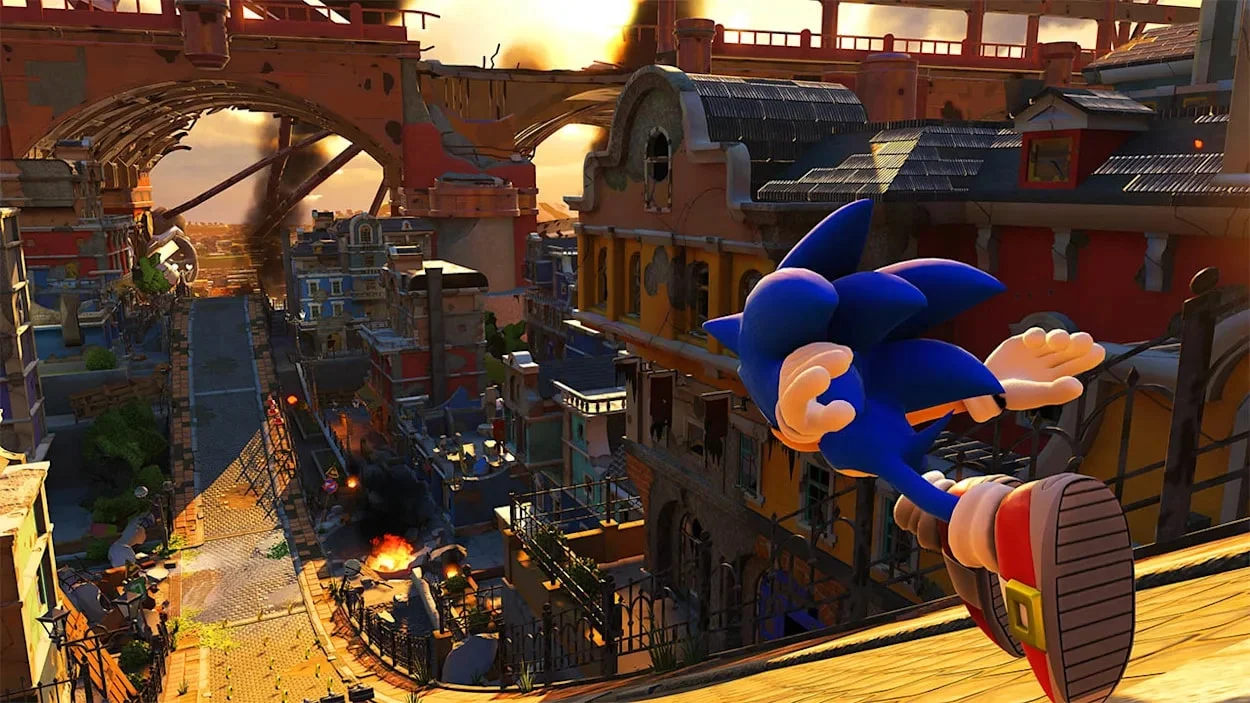
The Nintendo Switch release is built around quick, accessible movement. Sonic races across stages, avoids hazards, defeats robots, and responds to obstacles appearing at speed. The game does not settle into a single format for long. One level may emphasize a forward-driving 3D sequence, while another asks for more careful 2D jumps or Avatar-based combat.
That variety gives the game a modern Sonic presentation without losing contact with the series’ familiar platforming ideas. Rings, spin dashes, rapid traversal, enemy encounters, and oversized boss confrontations all support a pace that is usually urgent. The atmosphere is more pressured than playful: the heroes are not simply exploring unusual zones, but fighting their way through a planet that has largely fallen under enemy control.
A World Under Eggman’s Control
The Sonic Forces story begins from a difficult position. Dr. Eggman, aided by the mysterious Infinite, has conquered 99% of the planet. Sonic has disappeared, and the Resistance has become the remaining force opposing Eggman’s rule. Knuckles leads that Resistance, while familiar allies including Tails, Amy, and Silver contribute to the wider effort.
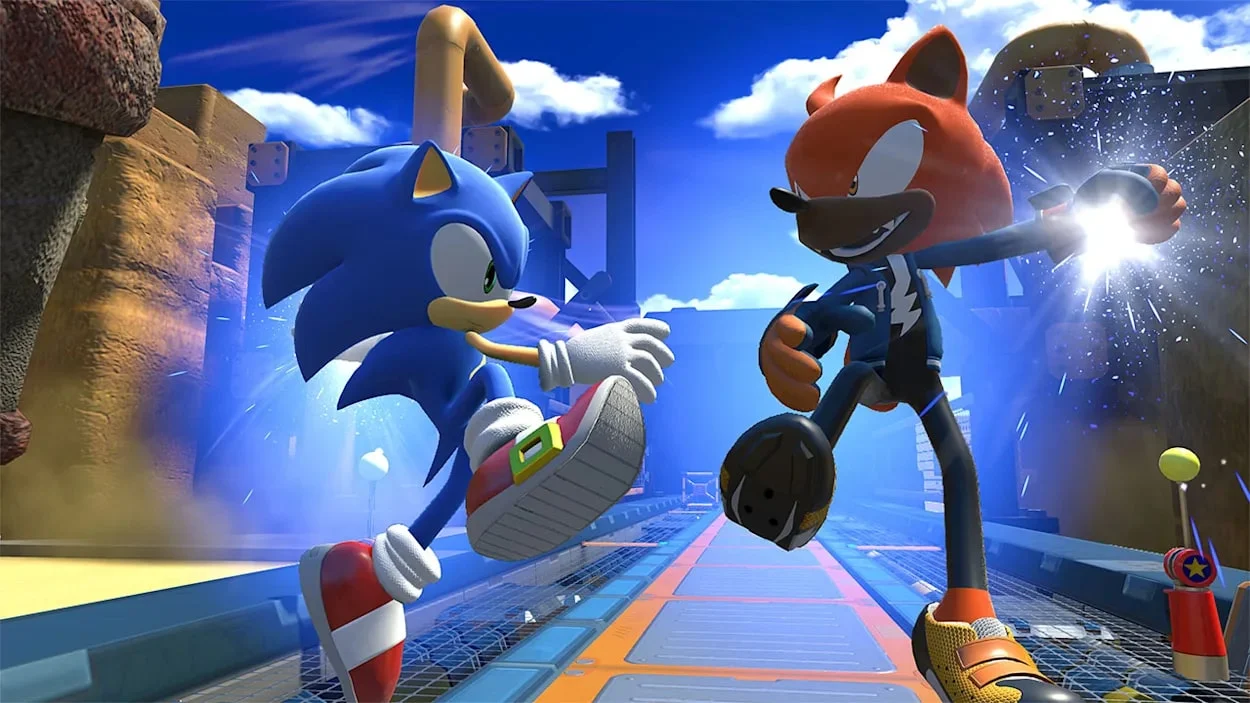
When Sonic returns, the situation has changed dramatically. Eggman’s control is established, and Infinite presents a dangerous new obstacle. Using the Phantom Ruby, Infinite can create illusions and clones of past enemies, making the Resistance’s fight feel larger than a straightforward clash with Eggman’s robot army.
This premise gives the campaign a strong sense of progression. Missions are not detached races; they are part of a liberation effort. The player-created Avatar joins Modern Sonic and Classic Sonic, forming a three-hero response to Eggman and Infinite. That setup supports the game’s shifting play styles while also making each victory feel like another step toward reclaiming territory.
Three Play Styles in Sonic Forces
Sonic Forces divides its action between Modern Sonic, Classic Sonic, and the customizable Avatar. Each perspective has its own movement language and level design priorities, so changing characters does more than alter appearance. It changes the way a stage is read and played.
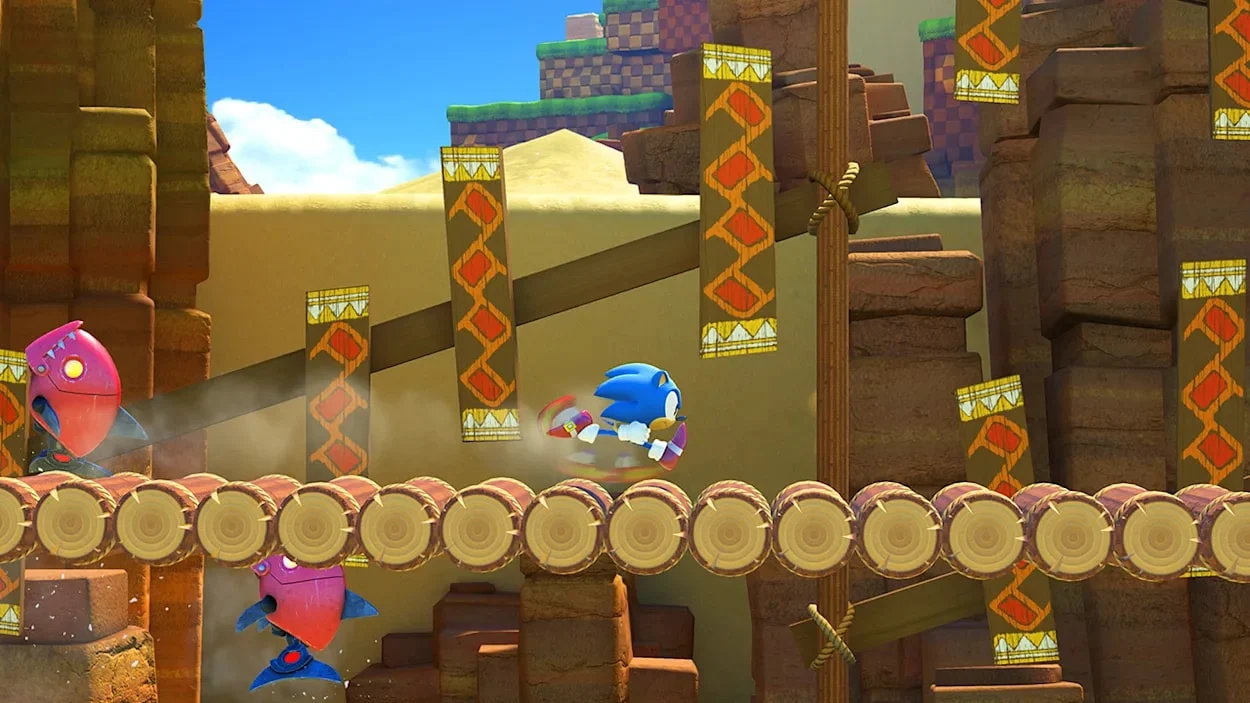
Modern Sonic handles the fastest 3D sequences, where forward momentum, quick reactions, and obstacle awareness are especially important. Classic Sonic returns to 2D side-scrolling platforming, placing more emphasis on carefully judged jumps, rings, and spin dashes. The Avatar sits between those approaches, mixing traversal with direct combat options through Wispons.
Wispons are special tools that give the Avatar different attack and movement possibilities. Their effects can include flamethrower and lightning-whip abilities, adding a strategic layer to enemy encounters and environmental challenges. Some stages also bring Modern Sonic and the Avatar together, reinforcing the campaign’s team-based Resistance theme.
1. Modern Sonic, 2. Classic Sonic, 3. Avatar: How Each Style Plays
- Modern Sonic: keep moving. Modern Sonic stages focus on high-speed 3D action. Boosting through enemies and quick-stepping around hazards are central to maintaining momentum, especially when the environment changes rapidly.
- Modern Sonic: react quickly. These stages reward players who can read obstacles at speed. The challenge is not only reaching the end, but keeping control through fast-moving set pieces and enemy-filled routes.
- Classic Sonic: choose each jump. Classic Sonic stages use a 2D side-scrolling format. Precise platforming, ring collection, and a measured approach to hazards give these levels a different tempo from Modern Sonic’s forward rushes.
- Classic Sonic: build momentum. Spin dashes allow Classic Sonic to accelerate through sections of a stage, but their value depends on timing and positioning. The result is a more traditional Sonic platforming feel shaped around control as well as speed.
- Avatar: fight and travel. The custom Avatar combines combat and movement options. Wispons support attacks against robots while also opening different ways to move through a level, encouraging players to experiment with available abilities.
- Avatar: join the Resistance. Avatar stages make the player’s original character part of the story’s central fight. The approach is less about copying either Sonic style exactly and more about combining familiar platforming motion with gadget-based action.
Speed, Platforming, and Replayable Stages
The game’s stage design is shaped by momentum. Modern Sonic’s levels ask players to stay alert while moving quickly, while Classic Sonic’s routes call for cleaner platforming decisions. Avatar stages add combat and traversal choices, making enemy placement and tool selection part of the experience.
Robots appear throughout the campaign, and bosses provide larger confrontations against Eggman’s forces. Infinite’s presence also adds pressure to the story, particularly through the threat of illusion-based enemies and cloned foes. These encounters prevent the game from becoming only a race to the finish, even though speed remains a defining part of its identity.
Replay value comes from the desire to improve performance. Players can revisit Sonic Forces levels to seek secrets, refine routes, complete missions more efficiently, and chase higher scores. A first run may be about surviving a fast sequence or reaching the goal; later attempts can be about preserving momentum, reducing mistakes, and learning where a stage gives room for a cleaner line.
This makes Sonic Forces Switch NSP XCI most relevant to players who enjoy Sonic platforming with several approaches to movement. It suits those looking for fast stages and a dramatic Resistance storyline, while the combination of Modern Sonic, Classic Sonic, and Avatar gameplay offers different entry points within the same campaign.
Language and Regional Details for Sonic Forces Switch
The Nintendo Switch release is listed for the Europe and USA regions. Supported languages are English, German, French, Spanish, Italian, Russian, and Japanese. This broad language selection fits a game whose story moves between Resistance briefings, character interactions, and action-focused missions.
For players in the listed regions, the game presents SEGA’s 2017 take on Sonic as a three-part platforming adventure: Modern Sonic brings the speed, Classic Sonic brings the side-scrolling precision, and the Avatar adds a personal role in the fight against Dr. Eggman and Infinite.