SAMURAI SHODOWN Switch NSP XCI
Report Link Error
Select the broken download file, then submit the report.
Screenshots
About Game
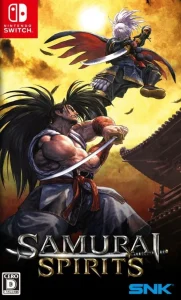
SAMURAI SHODOWN Switch NSP XCI refers to the Nintendo Switch edition of SNK Corporation’s weapon-focused fighting game, released on December 12, 2019. Built around deliberate duels rather than constant pressure, it brings the series’ tense blend of swords, counters, and high-damage decisions to Switch players across the USA, Asia, and Japan.
SAMURAI SHODOWN on Nintendo Switch: Release and Game Details
Released on December 12, 2019, SAMURAI SHODOWN Switch is a fighting game published and developed by SNK Corporation. Its Switch release supports English, Japanese, French, Spanish, Portuguese, Taiwanese Chinese, and Chinese, giving the game a broad language selection across its listed regions.
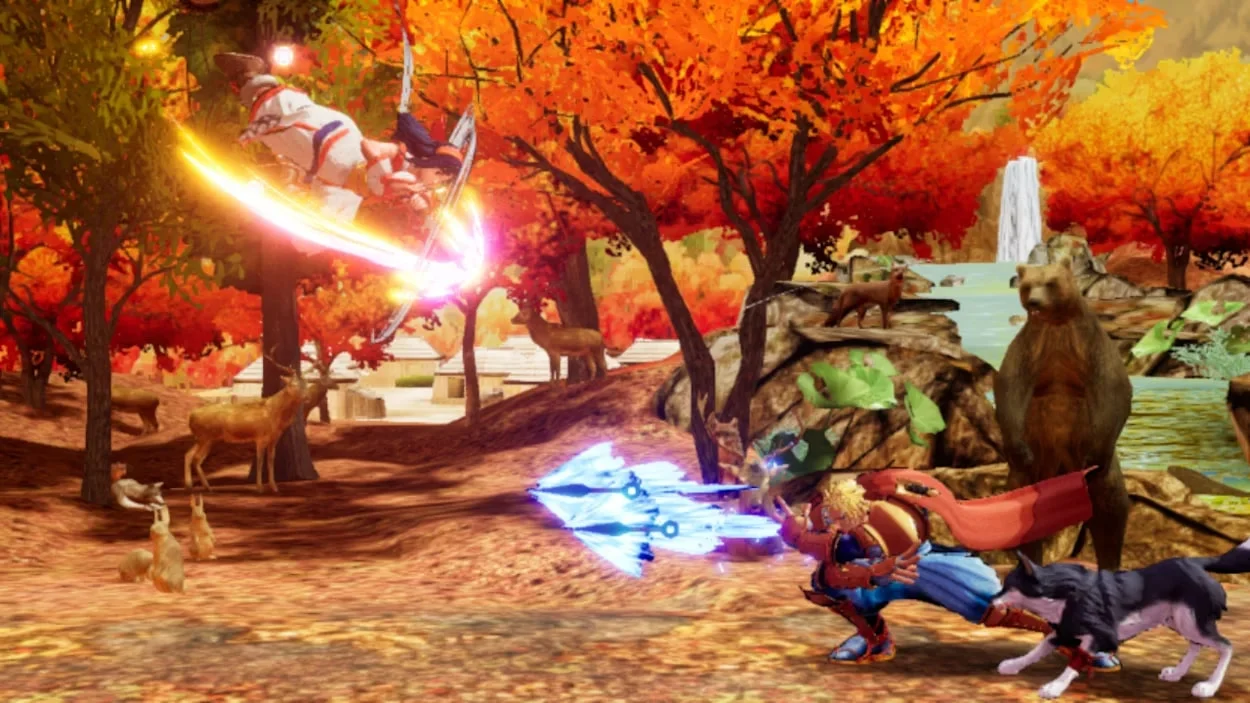
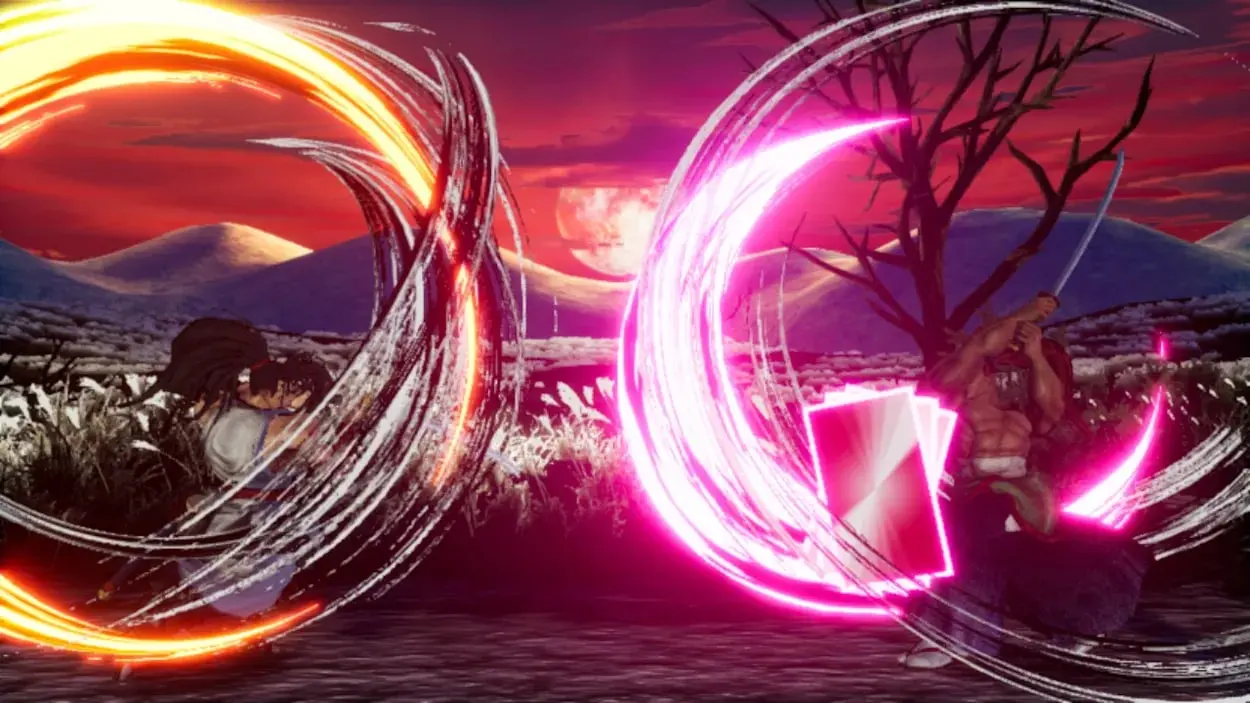
The release places its focus on the central identity of the series: armed combat where a blade, spear, or other weapon is never merely decorative. Matches are shaped by range, timing, defensive awareness, and the threat of a punishing response. The pace can feel measured, but that restraint is where much of the tension comes from. A brief hesitation, an overextended swing, or a missed defensive read can quickly become the defining moment of a round.
Its roster includes returning favorites alongside new faces, with each fighter bringing distinctive weapons and abilities to the duel. That variety supports different approaches, but the game’s core expectation remains consistent: learn what your chosen warrior can do, then make each commitment count.
A Tenmei-Era Conflict Set in 1787 Japan
The SAMURAI SHODOWN story is set in Japan in 1787, during the Tenmei era. The setting is framed by a spreading darkness and a growing sense of despair, with an ominous force threatening to overwhelm the land. At the center of that danger is Shizuka Gozen, a powerful and mysterious presence whose influence draws on the souls of fallen warriors.
Against that threat, fighters from different regions are pulled toward the same conflict. Their reasons for fighting are personal, shaped by individual convictions, destinies, and ideas of justice. The larger struggle is to confront the darkness surrounding Japan and restore peace, but the story’s tone also leaves room for the separate paths of its warriors.
That premise gives the fighting a dramatic purpose without distracting from the duels themselves. Weapons carry historical and personal meaning in the hands of these characters, and every confrontation feels connected to a broader crisis. The Tenmei-era backdrop supplies an atmosphere of uncertainty: a country under pressure, legendary warriors gathering, and an enemy whose power has already changed the stakes.
Why Every Weapon Strike Carries Weight
SAMURAI SHODOWN combat is built around weapon-based fighting with a deliberate rhythm. Instead of rewarding relentless strings of attacks, it encourages careful movement and precise strikes. The important question is not simply how often a player attacks, but when an attack is worth attempting.
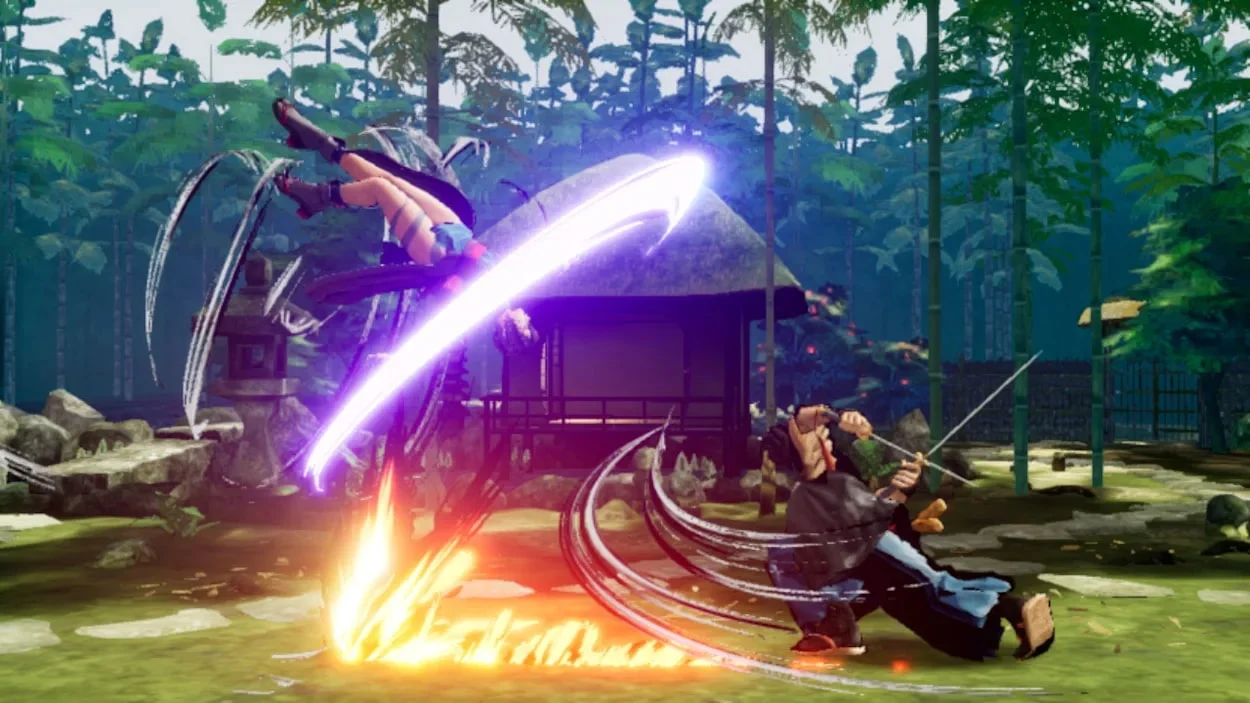
Spacing is essential. Standing too close can invite a fast response; standing too far away can make an attack fall short and leave an opening. Players are asked to understand the reach of their own weapon while respecting the range of the opponent’s. A sword swing that connects cleanly can be hugely valuable, while a poorly judged attempt may create an immediate opportunity for a counter.
Several mechanics reinforce that sense of danger. The Rage Gauge can fill through taking damage or blocking, allowing powerful Rage Explosions or special moves. A Lightning Blade is a high-risk option capable of massive damage when timed correctly. Weapon Flipping Techniques can disarm an opponent, creating a temporary advantage while they are forced to fight without their weapon. Guard Break attacks can also leave a defender vulnerable to follow-up strikes.
Each character also has a Super Special Move that can be used once per match. Its limited use makes it more than a routine flourish. It becomes another major decision: a powerful chance to shift momentum, but one that demands awareness of the situation.
The High Stakes of One-Hit Momentum Swings
The game’s strongest quality is its ability to make a single exchange feel decisive. High-damage attacks mean a well-timed hit can dramatically alter a round. This is not a format where players can casually absorb mistake after mistake. An unsafe approach can be punished hard, and a heavy strike can turn apparent control into sudden danger.
That makes SAMURAI SHODOWN strategy closely tied to observation. Players watch for habits: repeated approaches, predictable defensive choices, favorite attack ranges, or moments of impatience. The reward for identifying those patterns is not only safer decision-making, but the chance to land a clean punish when an opponent commits at the wrong time.
The result is a fighting game in which quiet moments matter. Two characters circling one another are not necessarily waiting for action; they are testing distance, threatening space, and trying to make the other player move first. Fighting game spacing becomes a source of pressure in its own right, because every movement may invite a response.
The exact keyword SAMURAI SHODOWN Switch NSP XCI is often associated with this particular tension: a game where momentum can change quickly, but the path to that change is usually built through patience and accurate reads.
Learning Opponents Through Dojo Mode
Dojo Mode provides a practice-oriented way to face ghost data drawn from players around the world. Rather than limiting improvement to familiar local patterns, it gives players opportunities to encounter different styles and decision-making habits.
This is useful for a game where reading an opponent is so important. Facing a range of approaches can help players recognize how different combatants use distance, pressure, blocking, and risky attacks. It also creates a space to refine responses without treating every lesson as a one-time experience.
Dojo Mode supports replay value through that ongoing process of adjustment. A player may return with a different character, test a new approach to a familiar matchup, or focus on avoiding a recurring mistake. Since the game places so much emphasis on timing and judgment, improvement can come from clearer decisions rather than from simply attacking more often.
5 Fundamentals to Prioritize in SAMURAI SHODOWN Matches
- Stay patient. Resist the urge to fill every pause with an attack. The game rewards players who can wait for a meaningful chance rather than forcing a risky exchange.
- Control spacing. Learn the effective reach of your weapon and remain aware of the opponent’s range. Good positioning can prevent danger before a strike is even thrown.
- Read patterns. Watch for repeated choices and recognizable tells. An opponent’s habits can reveal where a punish opportunity is likely to appear.
- Wait for openings. A missed attack, exposed guard, or poorly timed advance can create the moment for a precise response. Do not rush past those opportunities.
- Punish with purpose. When an opponent makes a costly mistake, answer with a well-timed attack. High damage gives clean punishes real weight, so accuracy matters more than frantic offense.
SAMURAI SHODOWN is well suited to players who enjoy tense, weapon-driven fighting games where careful choices matter. Its duels reward attention, composure, and a willingness to learn from each close-range standoff.