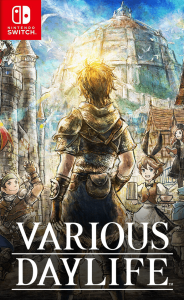
Various Daylife Switch NSP
Report Link Error
Select the broken download file, then submit the report.
Screenshots
About Game
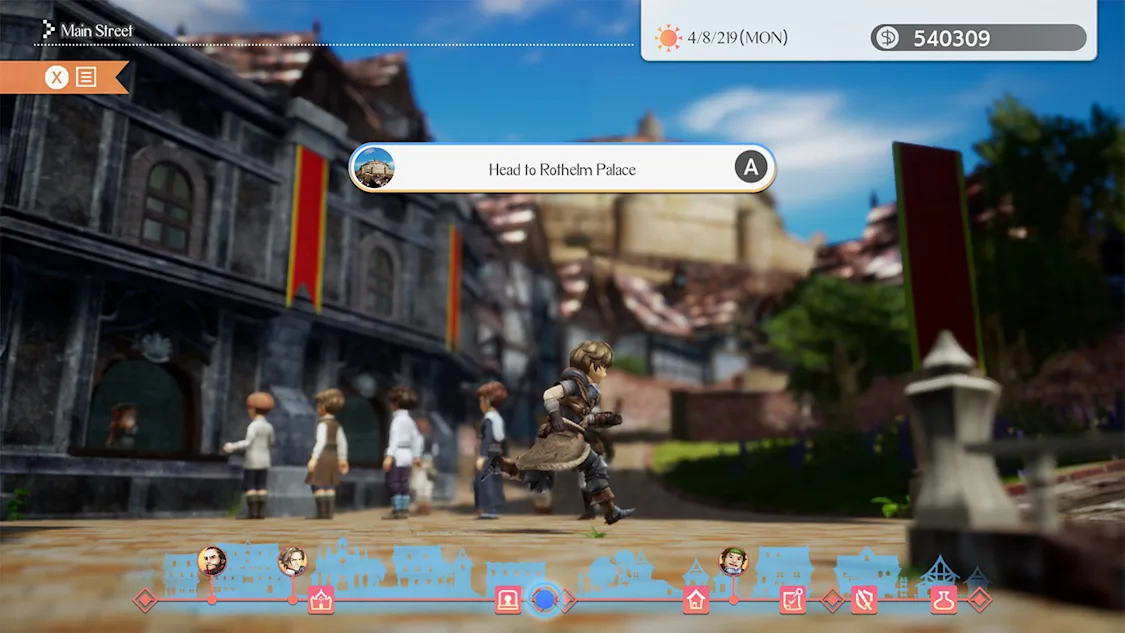
Various Daylife Switch NSP is a role-playing game from Square Enix, released for Nintendo Switch on September 13, 2022. Its premise joins frontier adventure with the practical rhythm of building a life in a new settlement: work in town, prepare for the road, then lead a party into unexplored land. Rather than separating everyday tasks from the larger adventure, the game makes preparation part of the journey.
Various Daylife on Nintendo Switch: Game Overview
Various Daylife Nintendo Switch places its role-playing structure around a cycle of employment, personal development, party preparation, and expeditions. Square Enix’s RPG is set on a newly discovered continent where a growing city needs capable adventurers as much as it needs people willing to take on daily work. The result is a game concerned with the smaller choices that support larger discoveries.
That structure gives the adventure a distinctive pace. Progress is not only tied to confronting monsters or reaching a new area. Time spent in town can provide money, provisions, and improvements to the character’s abilities, while time outside the city brings danger, materials, and a clearer picture of the frontier. The player is asked to decide when to prepare and when to push farther into unknown territory.
The atmosphere is shaped by this pioneering setting. Erebia is not simply a hub placed between quests; it is a settlement whose expansion is connected to the player’s expeditions. The surrounding continent contains dangerous creatures, ruins, and mysteries, giving the journey beyond town a sense of risk while daily routines provide a more grounded counterpoint.
Erebia and the Frontier of Antoecia
The Various Daylife story begins in Erebia, a newly founded city on the continent of Antoecia. The player takes the role of an adventurer who has arrived on this frontier to begin a new life and help the city develop. Exploration is therefore more than a personal challenge. Each expedition contributes to the wider effort to understand and expand into the continent around Erebia.
Antoecia is presented as a broad, uncharted place with hostile creatures, ancient ruins, and undiscovered areas. Venturing through it creates the game’s central tension: Erebia offers safety and resources, but meaningful progress requires leaving that safety behind. A successful party can return with useful materials and discoveries; an underprepared one may need to retreat.
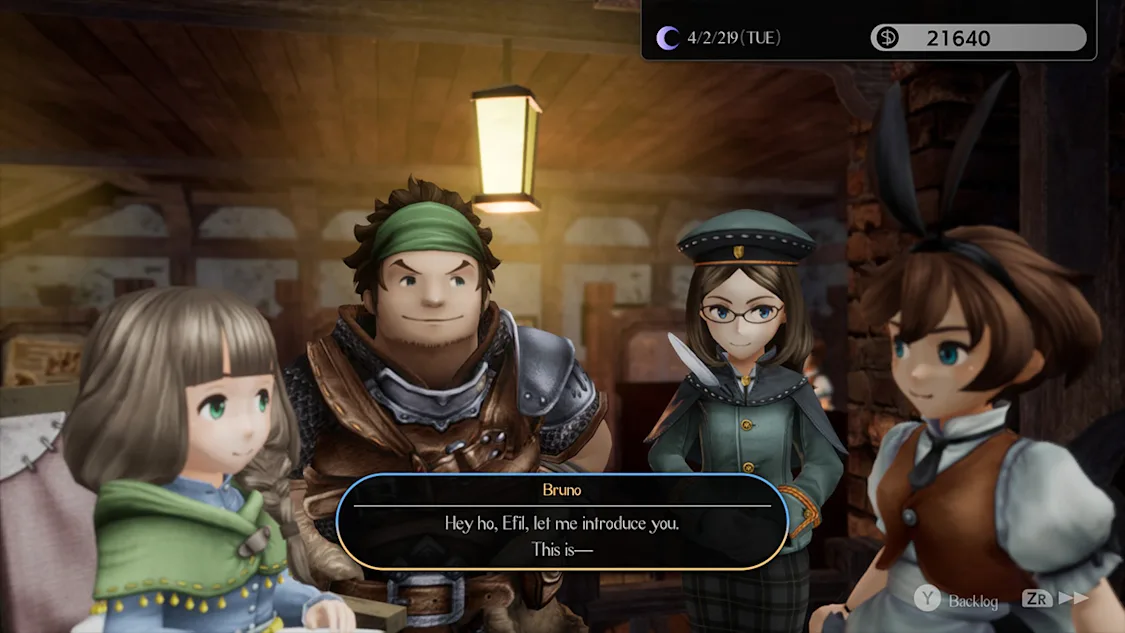
The settlement also brings its inhabitants into the story. The adventurer forms bonds with people in Erebia, whose individual backgrounds and ambitions add a human dimension to the frontier premise. This helps keep the focus from resting solely on the map beyond the city walls. The development of the settlement and the people living there are part of the same pioneering effort.
Balancing Work, Resources, and Exploration
Various Daylife jobs form the foundation of its daily-life management. Before heading out across Antoecia, the adventurer can work in Erebia to earn money and provisions while also improving character capabilities. These routines give practical weight to planning: a day spent working may be what enables the next expedition to go further.
The game’s choices are built around readiness. Exploration brings threats and opportunities, but it also demands resources. Work supports the party’s ability to travel, while expeditions can uncover new areas, collect materials, and expose the team to tougher encounters. This loop makes preparation an active part of progression rather than a pause between adventures.
- Work first: Take assignments in Erebia to earn money, provisions, and useful stat growth.
- Plan for the route: Consider what an upcoming expedition may demand before choosing daily activities.
- Build the party: Develop companions with different strengths and abilities for the challenges ahead.
- Gather materials: Bring back resources from Antoecia for crafting and equipment improvement.
- Fight with purpose: Use changing enemy conditions and attack chains to improve battle results.
This balance gives the game a deliberate rhythm. It suits players who enjoy thinking ahead and seeing ordinary work feed directly into the next stage of an RPG adventure. The important decisions are not limited to battle commands; they also include how to spend time before the party ever leaves Erebia.
How Character Stats Grow Through Daily Jobs
Various Daylife progression is closely tied to daily assignments. Different jobs improve particular character stats, so choosing work is not merely a way to gain income. It is also a method of shaping the adventurer for future exploration and combat. A player preparing for a difficult outing can use jobs to focus on the abilities most relevant to the party’s needs.
This system encourages a practical view of growth. Instead of treating every assignment as interchangeable, it is useful to consider what lies ahead: a party that expects stronger opposition or a demanding journey may benefit from targeted preparation. The connection between labor and capability gives the daily schedule strategic importance.
Job classes add further room for different character builds through their skills and stat bonuses. Alongside companion development, this allows the party to be assembled around varied strengths. The game does not frame advancement as a single straight path; choices in jobs, party members, skills, and equipment can shape how prepared the group feels when it enters the wilds.
For players interested in replay value, this flexible preparation is the most relevant factor. Different work priorities, party compositions, and approaches to development can change the path toward expedition readiness. The appeal lies less in rushing through the frontier and more in refining the routine that supports each journey.
Understanding the CHA-CHA-CHA Combat System
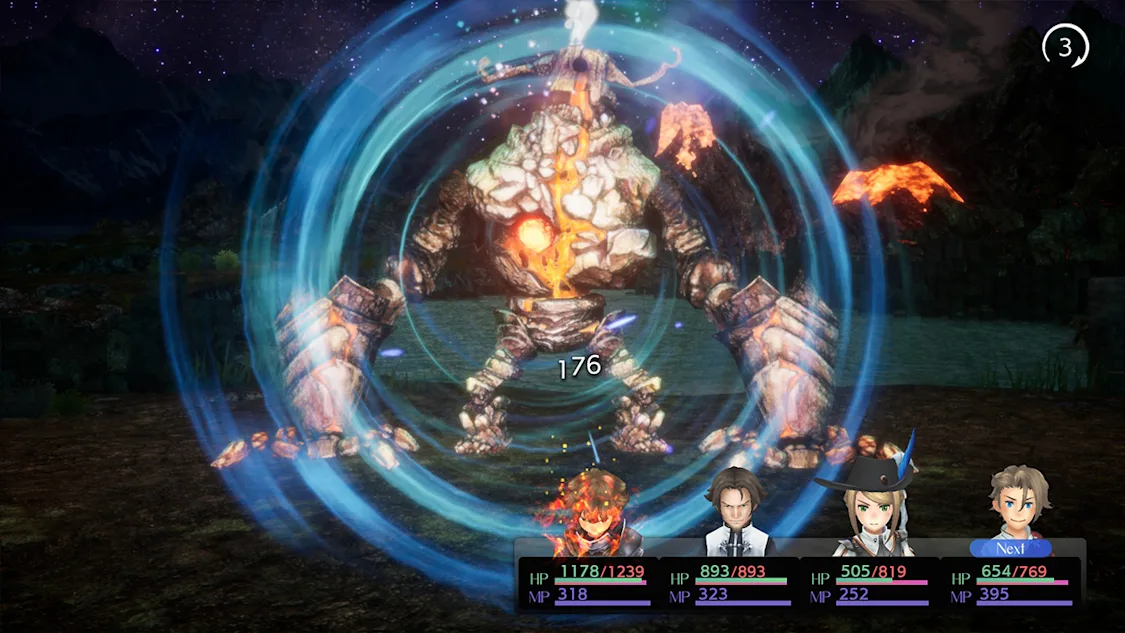
Various Daylife combat uses strategic turn-based battles, with the CHA-CHA-CHA system placing particular emphasis on timing and conditions. Battles are not described simply as a matter of selecting the strongest attack. The system encourages the party to change enemy conditions and then chain attacks together for more powerful results.
That focus gives combat a cooperative, sequence-driven quality. Party members have their own strengths and abilities, and the effectiveness of an attack can depend on how it fits with what has already happened in the fight. Learning to set up and extend chains is important when facing the formidable enemies found during exploration.
The battle system also connects cleanly with the work-and-expedition structure. Better preparation can improve the party’s readiness, but success still depends on tactical choices once a confrontation begins. For players who enjoy turn-based encounters that reward planning across several actions, CHA-CHA-CHA is a central part of the game’s identity.
Materials, Equipment, and Expedition Preparation
Exploration in Antoecia provides more than new terrain and encounters. The party can gather materials during expeditions, then use those resources to craft items, upgrade equipment, and improve its capabilities. This gives each trip a practical return even beyond advancing into new territory.
Equipment and crafted items support the broader preparation loop. Jobs build stats and provide resources in Erebia; expeditions bring back materials; those materials help strengthen the group for the next outing. The systems reinforce one another without separating town life from adventure.
Various Daylife Switch NSP is therefore best suited to players looking for a Square Enix RPG that makes planning part of its frontier fantasy. Its appeal comes from balancing settlement work, character growth, party building, resource gathering, and condition-based turn-based battles as Erebia reaches outward into Antoecia.