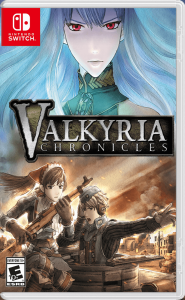
Valkyria Chronicles Switch NSP
Report Link Error
Select the broken download file, then submit the report.
Screenshots
About Game
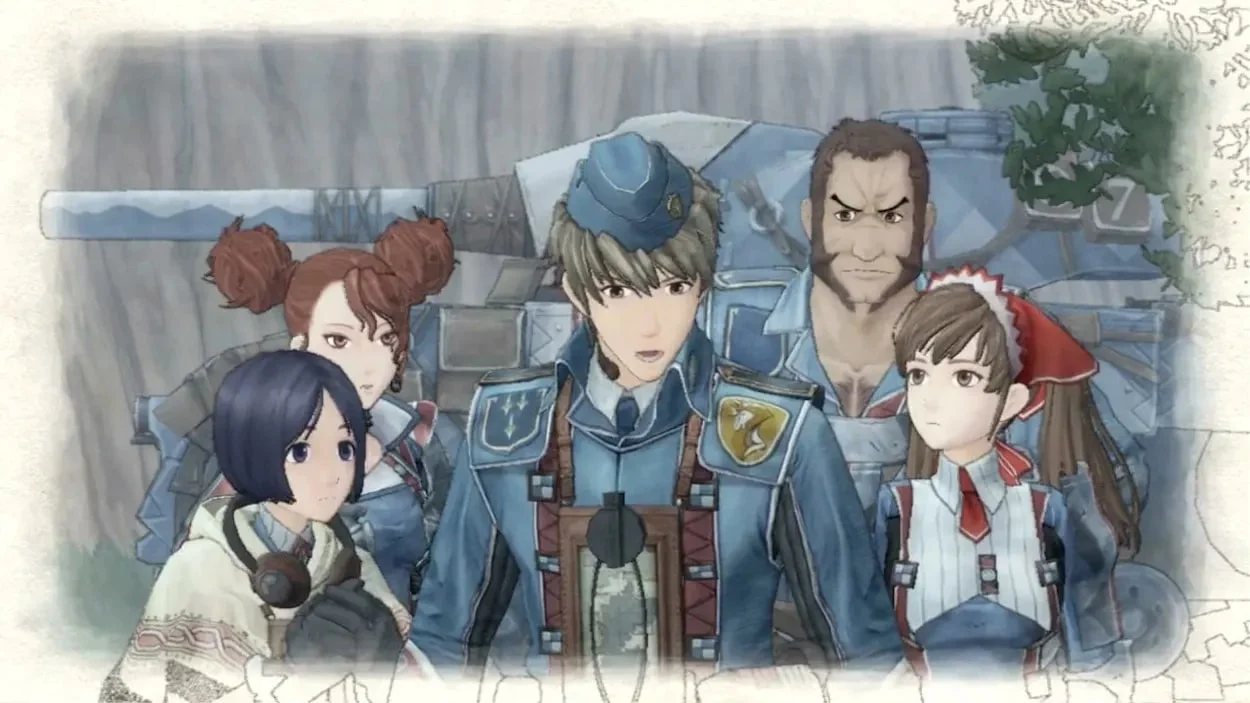
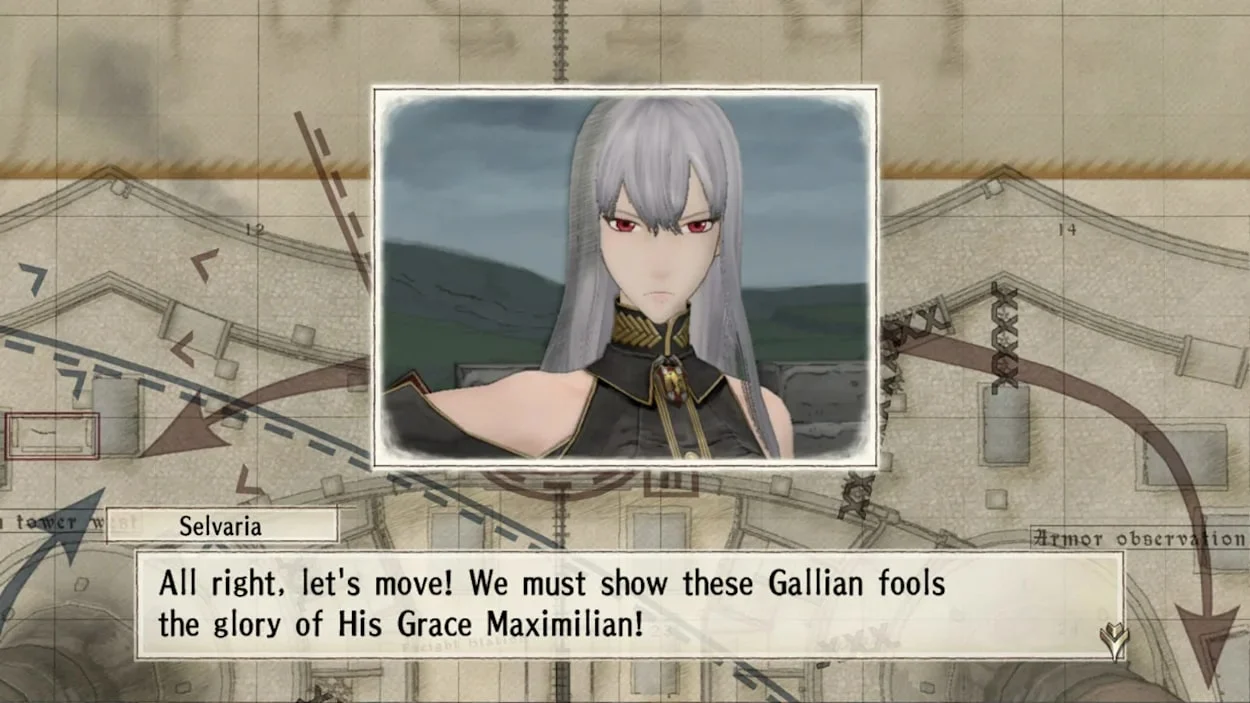
Valkyria Chronicles Switch NSP brings SEGA’s tactical role-playing game to Nintendo Switch with a blend of military strategy, direct unit control, and a watercolor-inspired presentation. Its campaign follows Squad 7 through a war-torn setting, but its lasting appeal comes from the decisions made on each battlefield: who moves, where they take cover, and how limited actions are spent.
Valkyria Chronicles on Nintendo Switch: Release and Edition Details
The Nintendo Switch edition was released on October 16, 2018. SEGA served as both publisher and developer, placing the game under a single creative and publishing umbrella for this release.
The title is listed for Europe, the USA, Asia, and Japan. Supported languages include English, Chinese, Japanese, and Taiwanese. The stated firmware requirement is v5.1.0. These details frame the Switch version as a release designed for several major regions while retaining the game’s distinct tactical RPG identity.
For players searching for Valkyria Chronicles Switch NSP, the important point is the game itself: a role-playing experience built around Squad 7, a series of story-driven battles, and a combat system that asks players to think beyond simple turn order.
How the BLiTZ Combat System Blends Tactics and Action
The BLiTZ Combat System gives Valkyria Chronicles its unusual rhythm. Battles begin with a tactical layer in which players manage Command Points, selecting which members of the squad will act during the turn. That planning stage matters because Command Points are limited; assigning several actions to one soldier may be useful, but it can also leave other roles unattended.
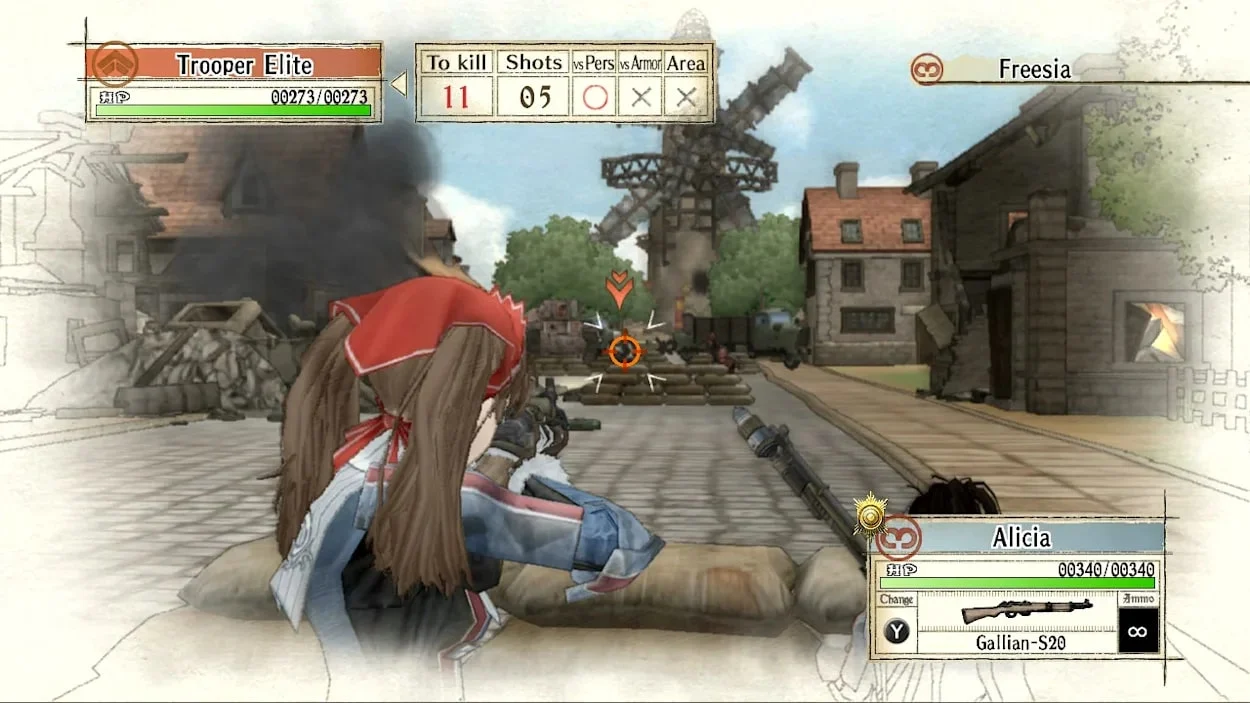
Once a unit is selected, control shifts into direct movement across the battlefield. The chosen soldier is guided in real time, making routes, exposure, and timing immediate concerns. A careful plan on the command map can unravel if a unit runs into enemy fire or crosses open ground without a safe destination.
This hybrid approach gives Valkyria Chronicles tactics a more physical feel than menu-driven strategy alone. Players are not only choosing actions; they are steering soldiers toward sandbags, sightlines, and advantageous positions. The result is a system where each Command Point carries both strategic value and practical risk.
5 Tactical Priorities for Every Squad 7 Skirmish
- Spend Command Points with purpose. Command Points determine which units can act, so it helps to consider the whole turn before moving the first soldier. Repeating actions with one unit may solve an immediate problem, but balanced use can keep the squad flexible.
- Position before attacking. A unit’s destination can matter as much as its shot. Moving into a safer line, approaching an objective from a better angle, or preparing for the next turn can be more valuable than rushing forward.
- Respect cover and open ground. Sandbags and environmental cover can protect soldiers from enemy fire. Leaving cover carelessly can turn a promising advance into a costly exposure, particularly when enemies control a clear approach.
- Read the terrain. Battlefields are not neutral spaces. Terrain affects movement choices, available cover, and the paths a squad can safely use. A route that looks direct may be less practical than a slower approach with protection.
- Match roles and Potentials. Squad 7 tactics improve when unit classes are used for their intended jobs and personal Potentials are taken into account. A character’s traits can influence performance positively or negatively, adding another layer to deployment decisions.
Unit Classes and Their Battlefield Roles
Balanced squad planning begins with the game’s classes. Scouts are suited to movement and battlefield access, making them useful when reaching positions or pursuing objectives is the priority. Shocktroopers are built for more direct combat work, helping the squad contest dangerous areas where a tougher frontline presence is needed.
Lancers provide a specialized option within the squad, while Engineers support the team’s continued effectiveness in the field. Snipers, meanwhile, bring a long-range role that rewards thoughtful placement and clear sightlines. Each class asks a different question of the player: who needs to advance, who should hold ground, and who can contribute from a safer distance?
The value of the Scouts, Shocktroopers, Lancers, Engineers, and Snipers is not simply variety. Their different purposes encourage players to build teams that can adapt to changing terrain and enemy positions. A squad made only of aggressive units may struggle with distance or support needs; a squad that plans around complementary roles has more options during a difficult battle.
Cover, Terrain, and Potentials: The Details That Shape a Battle
The cover system is central to the game’s battlefield tension. Sandbags offer a recognizable defensive position, while other environmental features can help reduce exposure or create safer movement routes. Choosing cover is often a way to preserve a unit for later turns rather than treating every activation as a one-way push toward the enemy.
Terrain works alongside cover. It shapes where units can travel, which areas are vulnerable, and where a sniper or other specialist may find an effective position. Players who pause to assess the battlefield can identify safer approaches and avoid sending soldiers into lines of fire without a clear reason.
Personal Potentials make this tactical terrain less predictable in a useful way. Every character has individual traits that can affect battlefield performance, and those effects may be beneficial or harmful. Potentials give the squad a more personal dimension: unit selection is not only about class, but also about the strengths and limitations of the person filling that role.
Watercolor-Inspired Presentation and Headquarters Progression
Valkyria Chronicles presents its world with a canvas-like visual style that resembles a watercolor painting in motion. That artistic approach gives its military setting a softer visual texture without removing the stakes of its battles. The contrast between painted scenery and tactical conflict helps create an atmosphere that is both expressive and focused.
Between missions, Headquarters provides a place to prepare for what comes next. Soldiers can be trained, weapons can be researched, and the base can be upgraded. These activities connect progression to the battlefield, giving players ways to shape the squad’s capabilities instead of relying only on decisions made during a single encounter.
That structure suits players who enjoy deliberate planning, distinctive art direction, and role-playing systems tied closely to combat. The game rewards attention to squad composition, environmental awareness, and gradual preparation, while its BLiTZ system keeps those plans active once the battle begins.
Recommended Similar Games
 Falcon Age Switch NSPView Game
 The Dungeon of Naheulbeuk: The Amulet of Chaos – Chicken Edition Switch NSPView Game
 River City: Rival Showdown Switch NSP XCIView Game
 Atelier Resleriana: The Red Alchemist & the White Guardian Switch NSPView Game
 South Park The Fractured but Whole Switch NSP XCIView Game
 Dungeonoid 2 Awakening Switch NSPView Game
