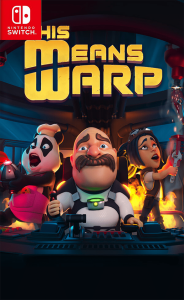
This Means Warp Switch NSP
Report Link Error
Select the broken download file, then submit the report.
Screenshots
About Game
This Means Warp Switch NSP is a Nintendo Switch space survival game built around quick decisions, repeat runs, and the constant pressure of keeping a damaged ship operational. Its cooperative rogue-lite structure puts the emphasis on play rather than an elaborate character-led plot: crews enter a hostile galaxy, face unpredictable challenges, and attempt to survive long enough to push through the danger.
This Means Warp on Nintendo Switch: A Cooperative Rogue-Lite Overview
This Means Warp is a gameplay-driven cooperative rogue-lite in which players pilot a spaceship through a procedurally generated galaxy. Runs involve navigating sector maps, meeting unique events, collecting resources, and making choices that affect the ship’s chances of survival. The changing nature of those runs gives the game much of its replay value, since ship builds, enemy encounters, and immediate priorities can differ from one attempt to the next.
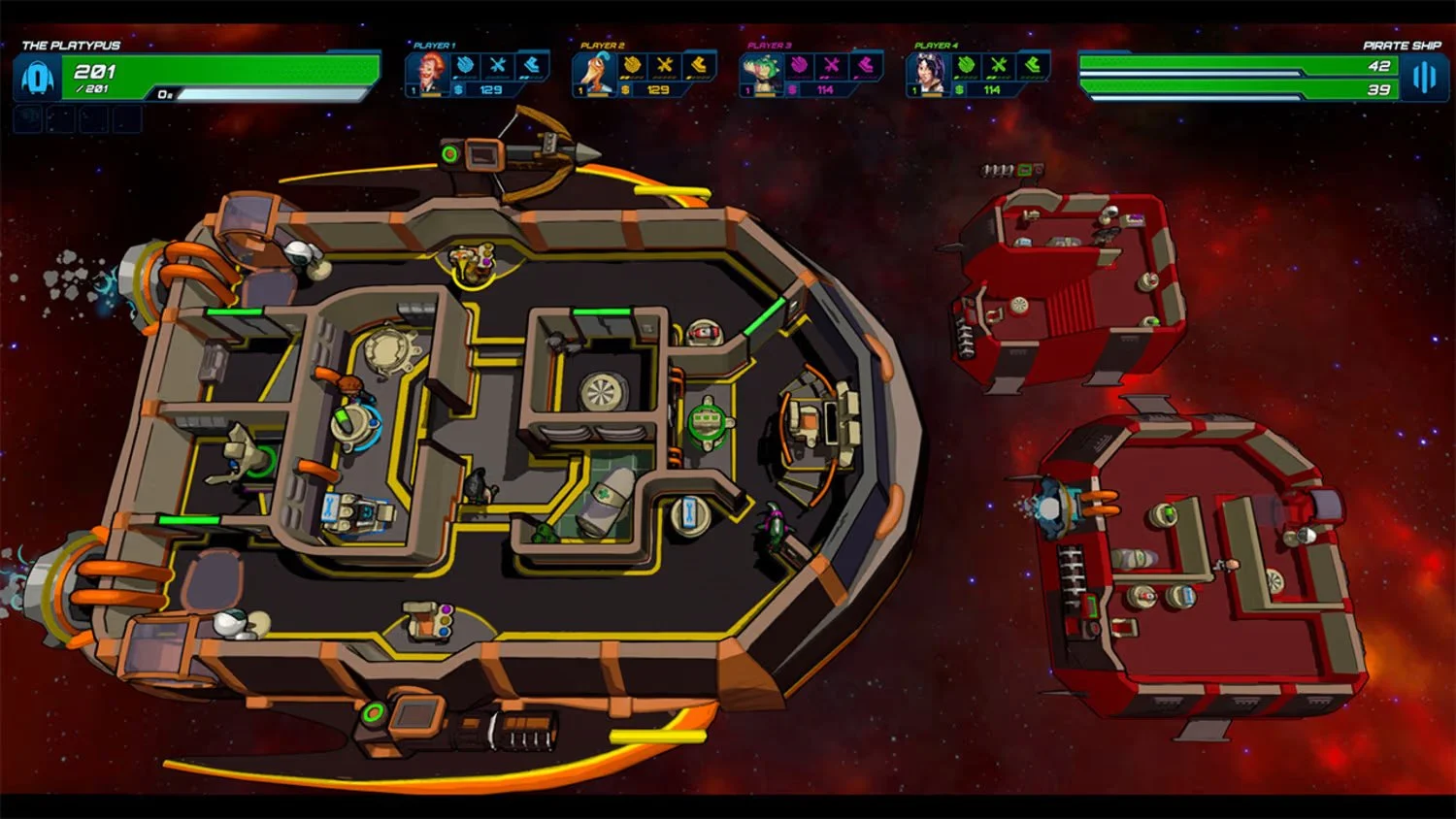
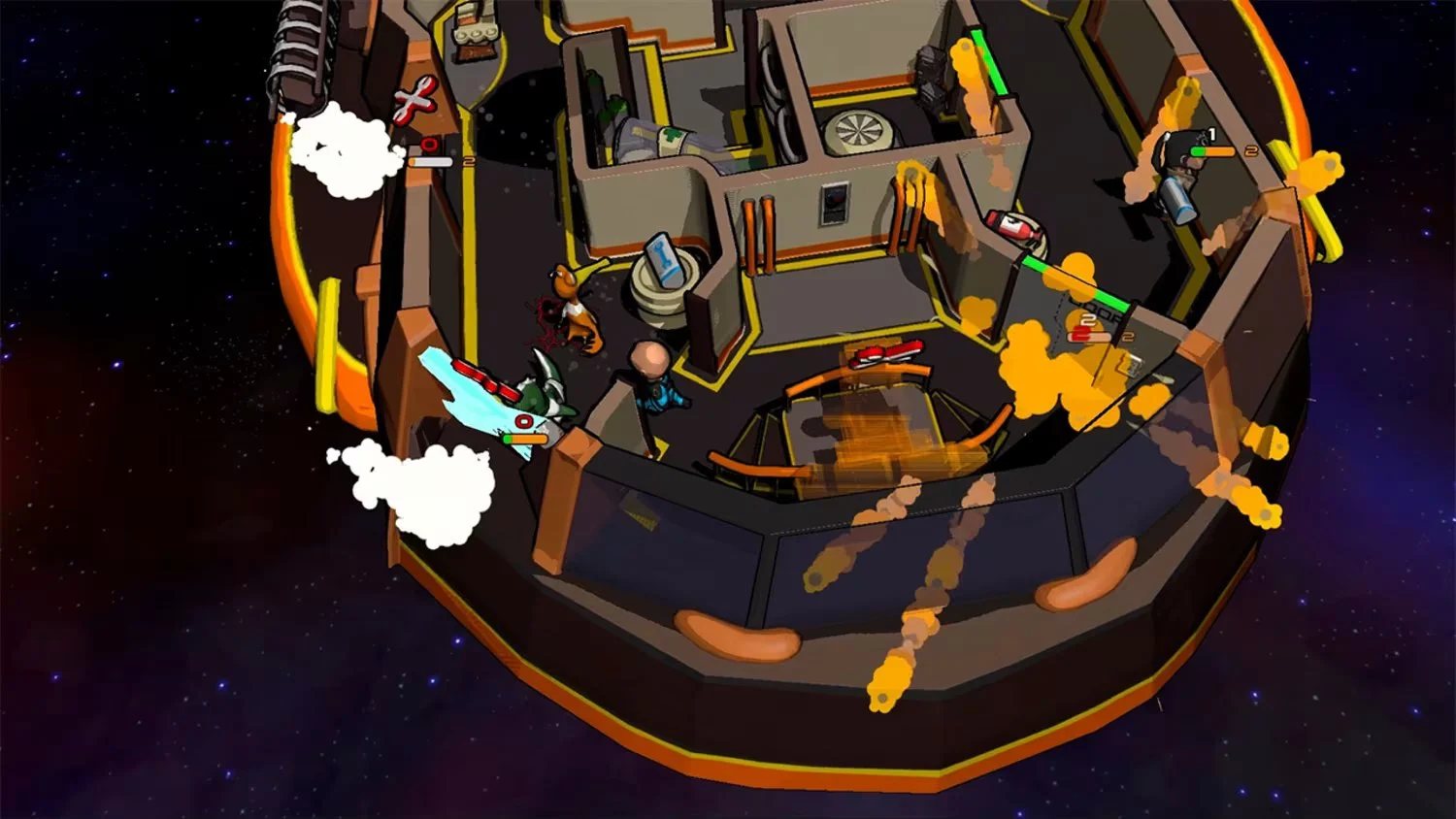
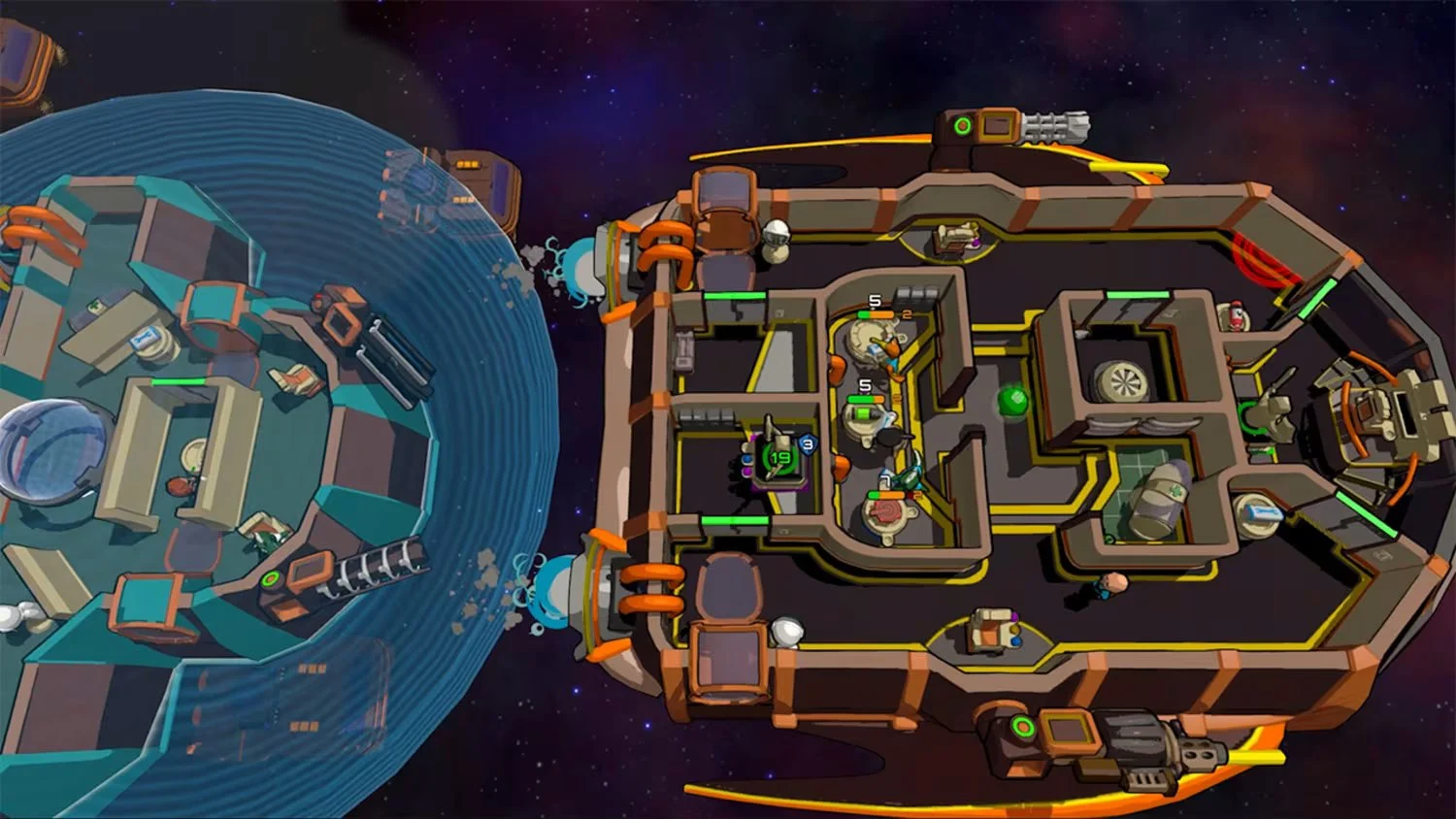
Its spacefaring action is presented from a real-time, top-down perspective. The crew is not simply steering and firing; it is also maintaining the vessel’s vital functions under pressure. Weapons, shields, engines, repairs, and utilities all demand attention, turning each battle into a compact exercise in communication and coordination. Up to four players can work together, though the same core challenge remains clear: keep the ship functioning while hostile forces try to overwhelm it.
A Perilous Galaxy Built Around Survival
The This Means Warp storyline provides a direct premise rather than a sprawling narrative framework. A crew finds itself in a dangerous galaxy, pursued and attacked by alien factions, with survival as the immediate objective. There is no need for a large cast or lengthy character arcs to establish the mood. The tension comes from the idea that every encounter may be the one that ends a run.
That approach leaves room for emergent stories. A near-destroyed ship may recover after a timely repair, an unexpected upgrade may transform a weak build, or a carefully managed battle may become a hard-fought victory against stronger enemies. These moments supply the game’s sense of progression within an individual run. The galaxy feels hostile because resources are limited, threats keep arriving, and every decision can carry consequences.
The atmosphere is therefore less about sightseeing and more about urgency. Players are pushed to think ahead while reacting to immediate problems, especially when a ship system fails at the wrong moment. For groups that enjoy shared problem-solving under pressure, that design can make even a short encounter feel eventful.
Real-Time Top-Down Combat and Ship System Management
This Means Warp gameplay combines top-down tactical combat with hands-on ship system management. During battles, players must coordinate attacks against enemy ships while also monitoring the condition of their own vessel. A weapon may need power, shields may require attention, engines may become essential for positioning, and damaged systems may need repairs before the situation worsens.
The ship can be upgraded and customized through modules, abilities, technologies, and components gathered during a run. Those options encourage players to adapt rather than rely on a single fixed solution. One crew may prioritize stronger defenses after suffering repeated damage, while another may invest in firepower to remove threats faster. Utilities and ship layouts add another layer of planning, particularly when the team is deciding how to cover several needs at once.
Resource allocation is part of that tactical picture. A choice to improve one area may mean postponing another, and the right answer can depend on the current ship build and the enemies ahead. The learning curve comes from understanding those relationships: a strong attack is useful, but not if critical systems are left exposed; a durable ship helps, but survival also depends on responding before pressure becomes unmanageable.
Enemy Patterns and the Pressure of Fast-Paced Battles
The game’s enemy roster is defined by variety in attack patterns. Different enemy types require players to observe what is happening and adjust quickly, rather than treating every encounter as identical. That makes knowledge valuable. A crew that recognizes incoming threats can prepare repairs, manage power, and organize its response before damage spreads through the ship.
Fast-paced space combat creates the central strain. Enemy ships can swarm the crew while several responsibilities compete for attention. Someone may be focused on attacking, another on keeping shields available, and another on fixing a critical failure. When those priorities clash, communication becomes as important as mechanical skill.
This is where the cooperative rogue-lite format earns its tension. A run can swing from controlled planning to emergency damage control in seconds. The best response is rarely automatic; it comes from reading enemy behavior, using the ship’s available systems effectively, and accepting that a current threat may demand a different plan from the last one.
8 Practical Teamwork and Resource Management Tips
- Keep callouts clear. During combat, communicate what needs attention so teammates do not all abandon the same system or overlook another urgent task.
- Repair the essentials first. Shields and weapons are identified as critical priorities, especially when the ship is taking sustained pressure from enemy attacks.
- Assign responsibilities. Give players defined areas to watch, such as repairs, weapons, shields, engines, or utilities, while remaining ready to help when conditions change.
- Balance survival and damage. Offensive upgrades can shorten battles, but defensive choices may be more valuable against current threats. Let the situation guide the investment.
- Study enemy behavior. Learning enemy attack patterns supports quicker reactions and helps the crew prepare power, repairs, and positioning before a problem becomes critical.
- Test upgrade synergies. Try different module combinations, ship layouts, technologies, and components. A useful pairing can change the direction of a difficult run.
Switch Release Details, Languages, and Technical Metadata
This Means Warp Switch NSP refers to the Nintendo Switch release of This Means Warp, published and developed by Jagex. The game was released on November 30, 2023, for the Europe and USA regions. Its listed genres are Arcade, Party, and Strategy, fitting its mix of immediate combat, shared play, and tactical ship management.
The supported languages are English, French, German, Portuguese, Simplified Chinese, and Spanish. The Nintendo Switch Title ID is 0100005019BA8000. The listed firmware requirement is version 17.0.0 for both the base release and update, and the recorded file size is 799MB.
For players drawn to cooperative games with repeatable runs, shifting challenges, and a strong focus on team coordination, This Means Warp offers a demanding space survival setup. Its appeal lies in managing a ship under stress, adapting builds to the current run, and turning a chaotic battle into a successful escape.