The Pathless Switch NSP
Report Link Error
Select the broken download file, then submit the report.
Screenshots
About Game
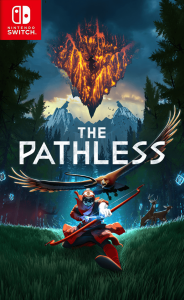
The Pathless Switch NSP brings an action-adventure journey to Nintendo Switch, placing players on a mysterious island overwhelmed by an ancient blight. Released on February 2, 2023, the game is published and developed by Annapurna Interactive, with availability listed for Europe, the USA, Asia, and Japan. Its focus is less on lengthy exposition than on movement, atmosphere, and the gradual discovery of a civilization’s troubled past.
The Pathless on Nintendo Switch: Release and Game Details
The Pathless arrived on Nintendo Switch on February 2, 2023. Classified as an Action and Adventure title, it comes from Annapurna Interactive in both the publisher and developer roles. The Switch release supports English, Dutch, French, German, Italian, Japanese, Korean, Portuguese, Russian, Chinese, and Spanish.
The game’s setting and structure support a broad sense of exploration. Rather than directing the player through a tightly marked route, it sends the Hunter across a large island of forests, ancient structures, snowy terrain, and hidden spaces. That approach gives the adventure a quiet, exploratory rhythm even as its central mission remains urgent.
For players looking at The Pathless Switch NSP as a game experience rather than simply a release listing, its identity is defined by fluid travel, environmental discovery, and a close partnership between the Hunter and her eagle companion.
A Cursed Island and the Hunter’s Sacred Mission
The Pathless story follows an archer known as the Hunter. She arrives on an island covered by a dark, spreading corruption, a blight that has altered the ancient Great Ones. These god-like spirits have become enraged beasts, and their condition is tied to the darkness threatening the entire land.
The Hunter’s purpose is sacred and direct: lift the curse, cleanse the corrupted Great Ones, and restore light to the island. The premise gives the journey a mythic quality, but the game does not rely on extensive cutscenes to explain every moment. Instead, the player advances through action and observation, moving from one region and challenge to the next while learning what happened to the place.
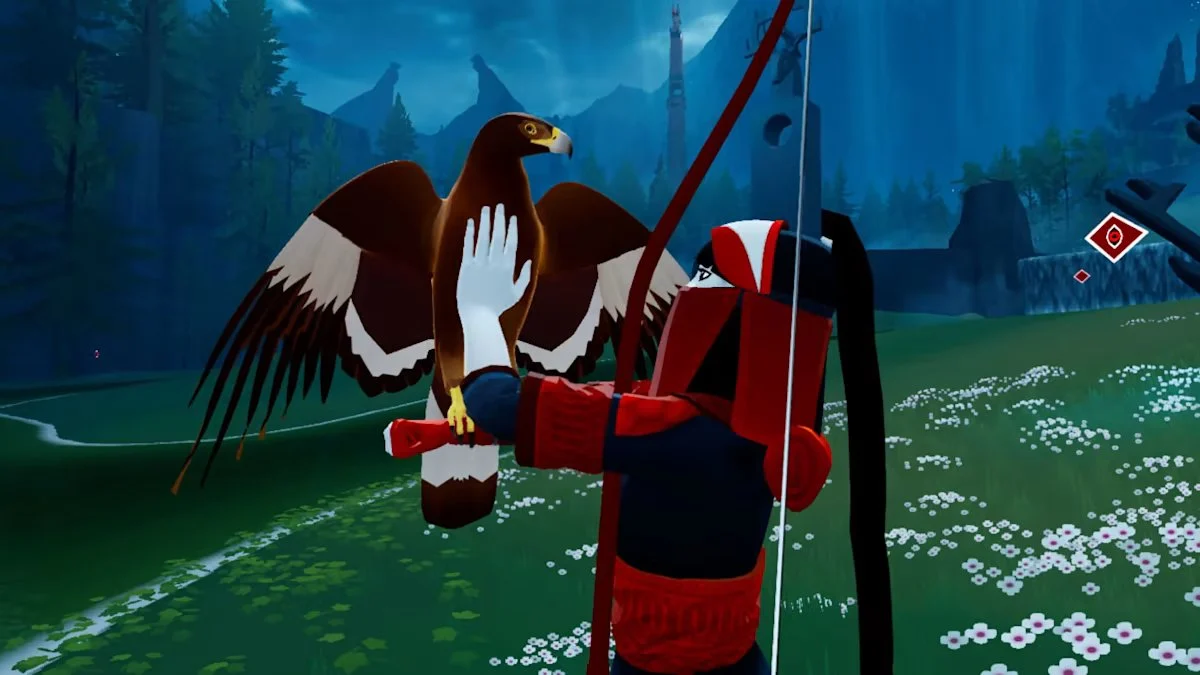
The eagle is central to that mission. More than a companion following at a distance, it is part of the Hunter’s ability to cross the island and confront the problems left by the blight. Their bond gives the game’s solitary setting a sense of partnership.
Environmental Storytelling and the Island’s Lost History
The island’s history is communicated through environmental storytelling. Ruins, imagery, scattered remnants, and the shape of the world itself provide clues about the fallen civilization that once lived there. Exploration is not only a route toward the next objective; it is also how the player assembles the broader context of the curse.
This method fits the game’s atmosphere. A crumbling structure in an isolated landscape can suggest a past without requiring a long explanation, while hidden lore and secrets give observant players more to uncover. The result is a narrative that leaves room for interpretation while still establishing the tragedy surrounding the corrupted Great Ones.
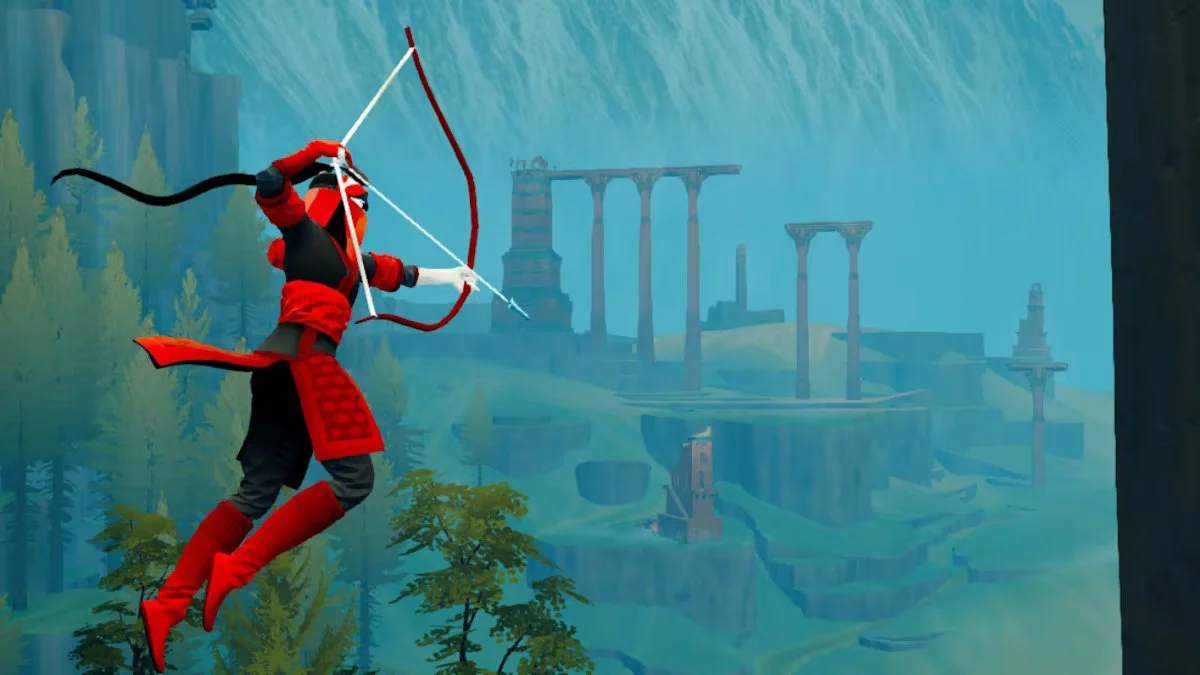
Ancient ruins are especially important to this sense of place. They make the island feel inhabited by memory as much as by danger. The forests, snowy areas, and open spaces are not presented merely as scenery; they frame the Hunter’s task and reinforce the impression that the island has endured a devastating change.
- Follow the remnants: Ruins and other traces of the past help build the island’s history without interrupting exploration.
- Read the landscape: Forests, snowy heights, and old structures are part of the navigation language as well as the visual setting.
- Keep moving: Dashes, gliding, and archery work together to preserve momentum across long stretches of terrain.
- Use the eagle: Aerial movement opens access to elevated, distant, and hidden locations.
- Cleanse the blight: Environmental challenges and corrupted pedestals connect exploration to the larger effort to restore light.
Movement Built Around Dashing, Gliding, and Archery
The Pathless gameplay is built around momentum. The Hunter can dash across the landscape, glide through the air, and use an auto-lock archery system that keeps movement flowing. Archery is not treated only as a combat tool; firing at targets can help sustain speed and support traversal through the world.
This creates a fast, parkour-inspired feel. A player may dash across open ground, take to the air, and continue forward with the aid of carefully timed shots. The mechanics encourage motion rather than hesitation, especially when navigating wide spaces or responding to danger.
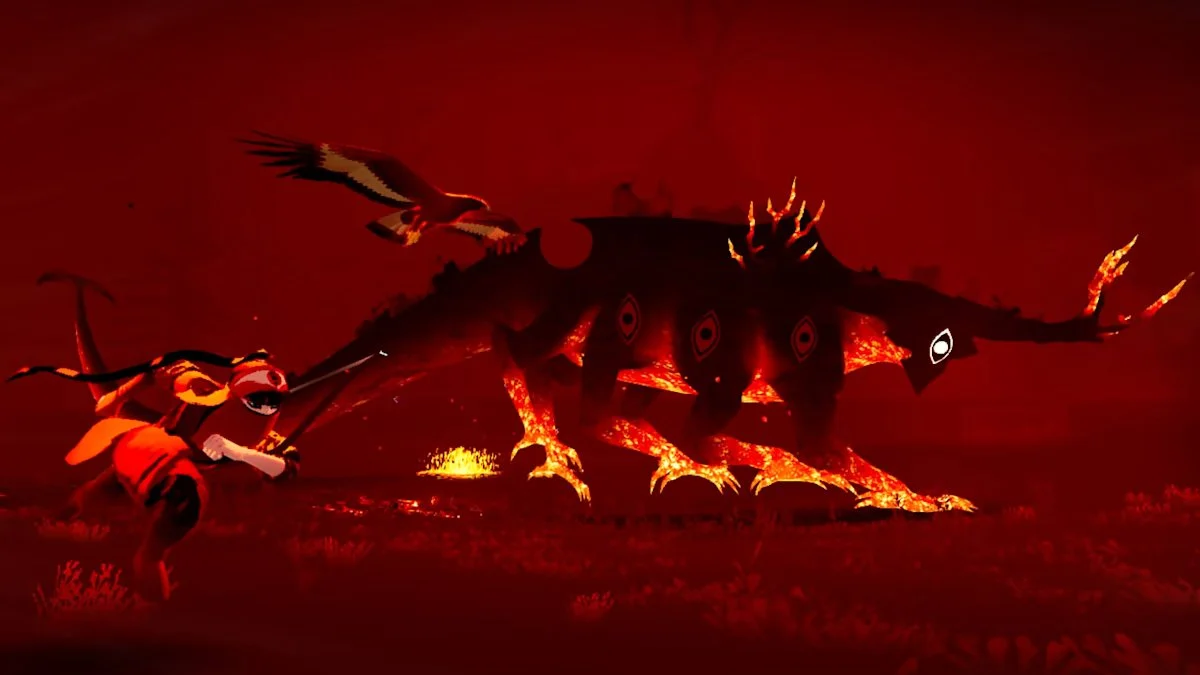
The same fluidity carries into encounters with spirits and larger threats. Corrupted gods require strategic movement and precise shots, while massive shadowy beasts introduce stealth and chase sequences. These moments give the adventure tension without abandoning its focus on agility. The Hunter is not defined by heavy equipment or slow, methodical combat; her strength lies in mobility, awareness, and control of the environment around her.
Exploring Without a Traditional Mini-Map
A notable part of The Pathless exploration is the absence of a traditional mini-map. Instead of following a persistent screen marker, players rely on environmental cues and their own attention. This places more weight on the visible world: the direction of landmarks, the outlines of ruins, the terrain ahead, and the details that suggest an unexplored route.
That design can make progress feel more personal. Finding a destination is tied to looking outward rather than checking a corner of the display, and the open-world adventure format gains a stronger sense of discovery as a result. It also complements the game’s visual storytelling, because the same places that reveal lore can guide movement.
The approach is particularly suited to players who enjoy observation and self-directed wandering. There are puzzles to solve, secrets to find, and elevated spaces that reward curiosity. The island asks the player to pay attention, then provides tools that make acting on that curiosity satisfying.
How the Eagle Companion Supports Exploration
The eagle companion gives the Hunter access to aerial traversal that would not be possible alone. Together, they can soar toward high ground, cross difficult gaps, and approach hidden areas from above. This changes how the island is read: a cliff or tower is not simply an obstacle, but a potential destination once the player considers the available movement options.
The eagle also contributes to environmental puzzles. Its role connects exploration with problem-solving, allowing the pair to interact with challenges in ways that match the game’s emphasis on agility and perception. Reaching a new location can be its own reward, but it may also reveal a secret, a piece of lore, or another step toward cleansing the island.
For players drawn to atmospheric adventures with fast traversal, light puzzle-solving, environmental narrative, and dramatic encounters, The Pathless offers a focused combination. The Hunter’s mission remains clear throughout: move through a wounded world, understand what it has lost, and help return its light.