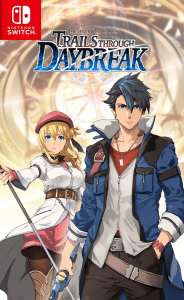
The Legend of Heroes: Trails Through Daybreak Switch NSP XCI
Report Link Error
Select the broken download file, then submit the report.
Screenshots
About Game
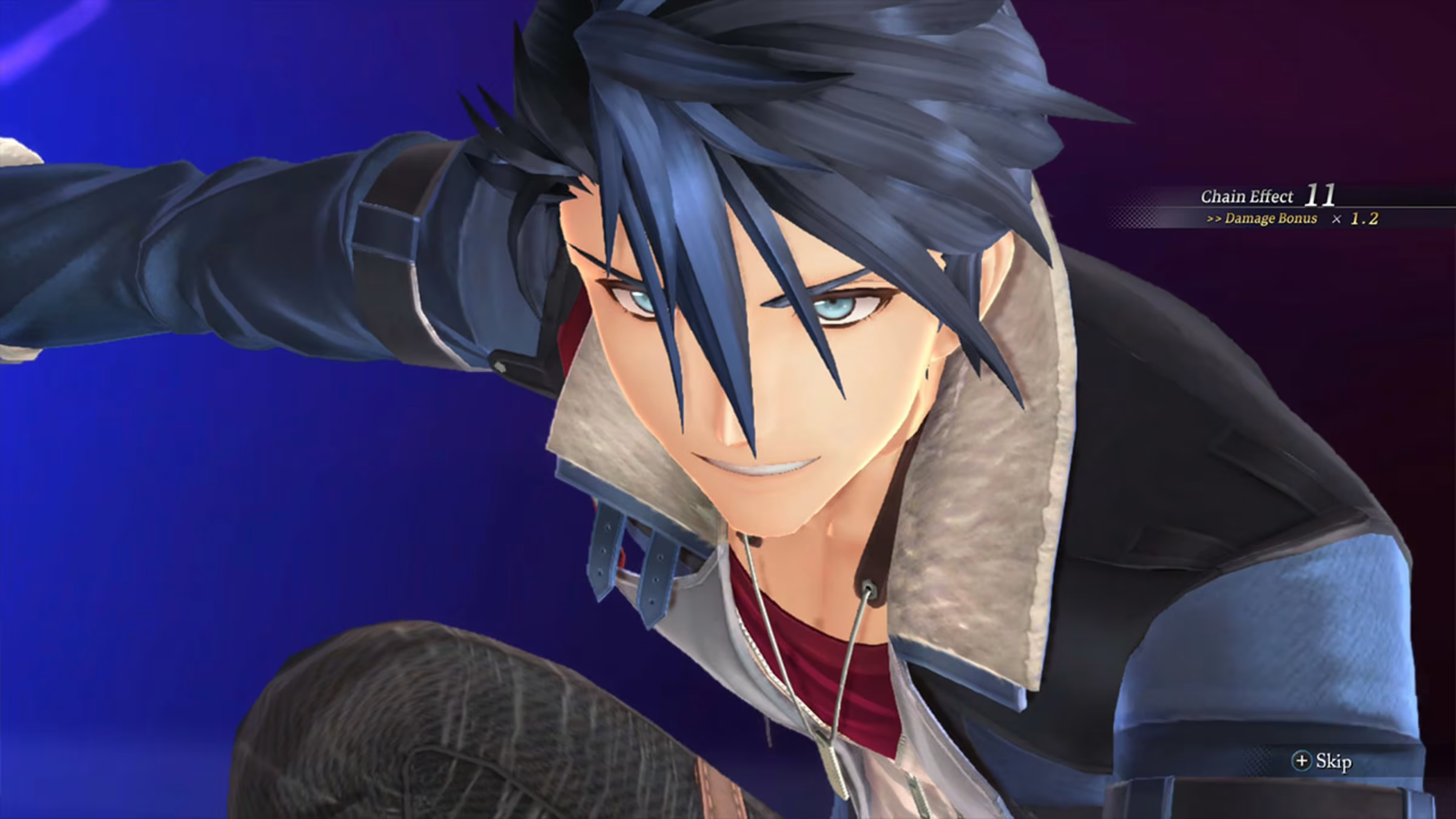
The Legend of Heroes: Trails Through Daybreak Switch NSP XCI places a new chapter of the Trails series in the Calvard Republic, a nation facing the uneasy consequences of post-war prosperity. Mystery, factional conflict, and personal decisions shape the journey of Van Arkride, a Spriggan whose work can range from investigative jobs to bounty hunting. His latest case expands beyond routine assignments, drawing him and his allies into a wider conspiracy.
A Post-War Calvard Republic Shaped by Growth and Inequality
Calvard’s rapid economic expansion gives the setting energy, but it does not erase the divisions beneath the surface. The republic is marked by visible growth alongside lingering social inequality, creating a tense backdrop for its political and personal conflicts. This is not simply a setting built for travel between cities and dungeons; it is a society where different groups have competing interests and where public stability can conceal deeper problems.
Van’s role as a Spriggan positions him in the middle of that uncertainty. His work reaches into different parts of Calvard life, from private requests to more dangerous pursuits. What begins as a seemingly ordinary job becomes connected to a mysterious phenomenon and a growing web of intrigue that touches the entire republic. The story’s larger stakes emerge through these linked events, with factions, old acquaintances, and new adversaries all carrying their own motivations.
The atmosphere is shaped by this contrast between progress and unrest. Calvard is politically complex, and the narrative uses that complexity to frame its central mystery. Van’s cases also test his moral judgment, making the republic’s conflicts feel more personal than a simple battle between clear-cut sides.
How Field Action and Command Combat Work Together
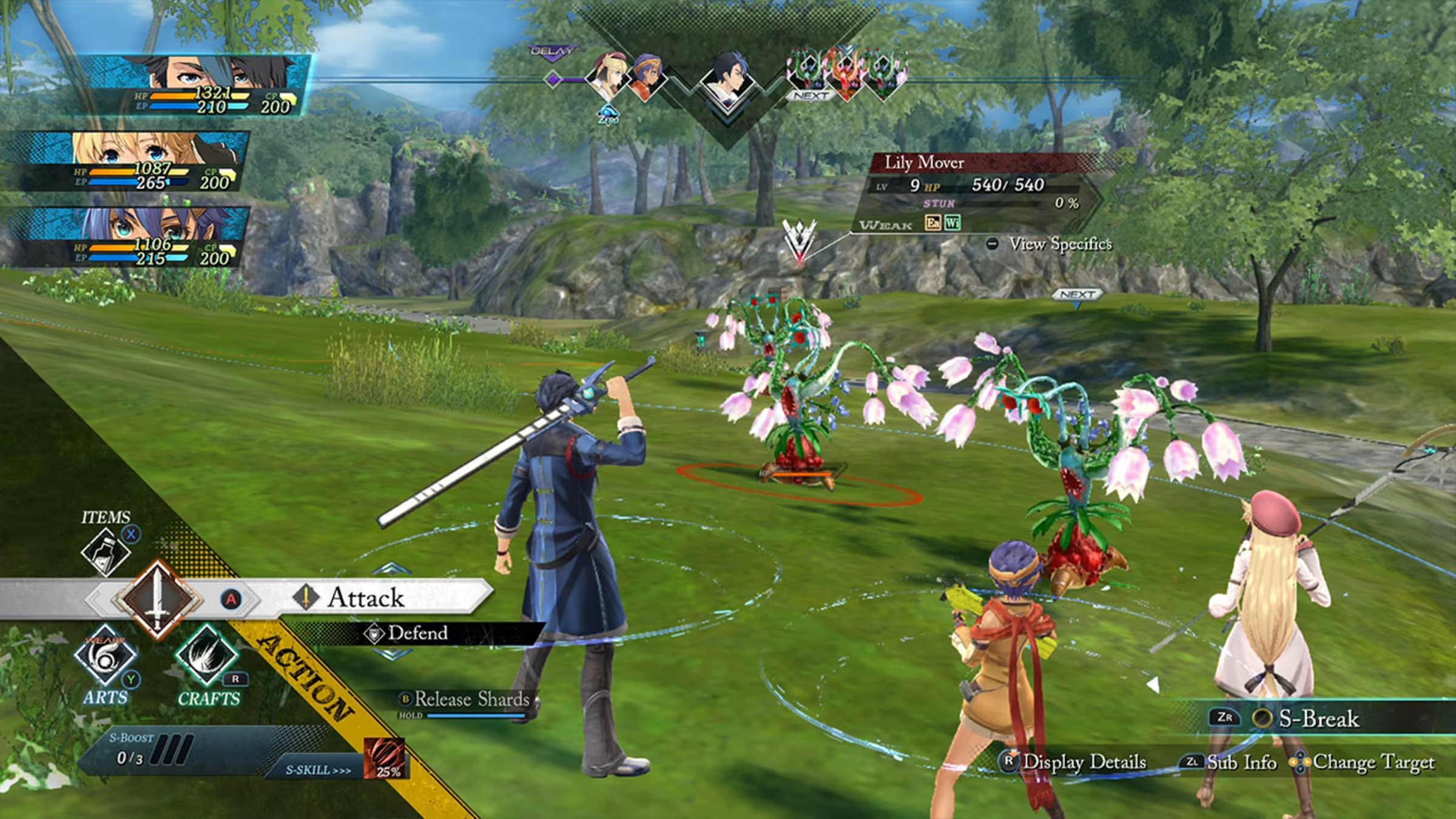
The game’s hybrid combat system joins direct action with command-based tactics. During field battles, players control a character in real time, keeping encounters active and immediate. This approach supports a quicker pace while exploring dangerous locations and responding to enemies in the environment.
When a situation calls for more deliberate planning, combat can move into command combat. Here, tactical decisions take greater importance, including party management, ability use, and positioning against different threats. The shift between these two styles is designed to be seamless, allowing players to approach encounters with either fast field action or more considered turn-based choices.
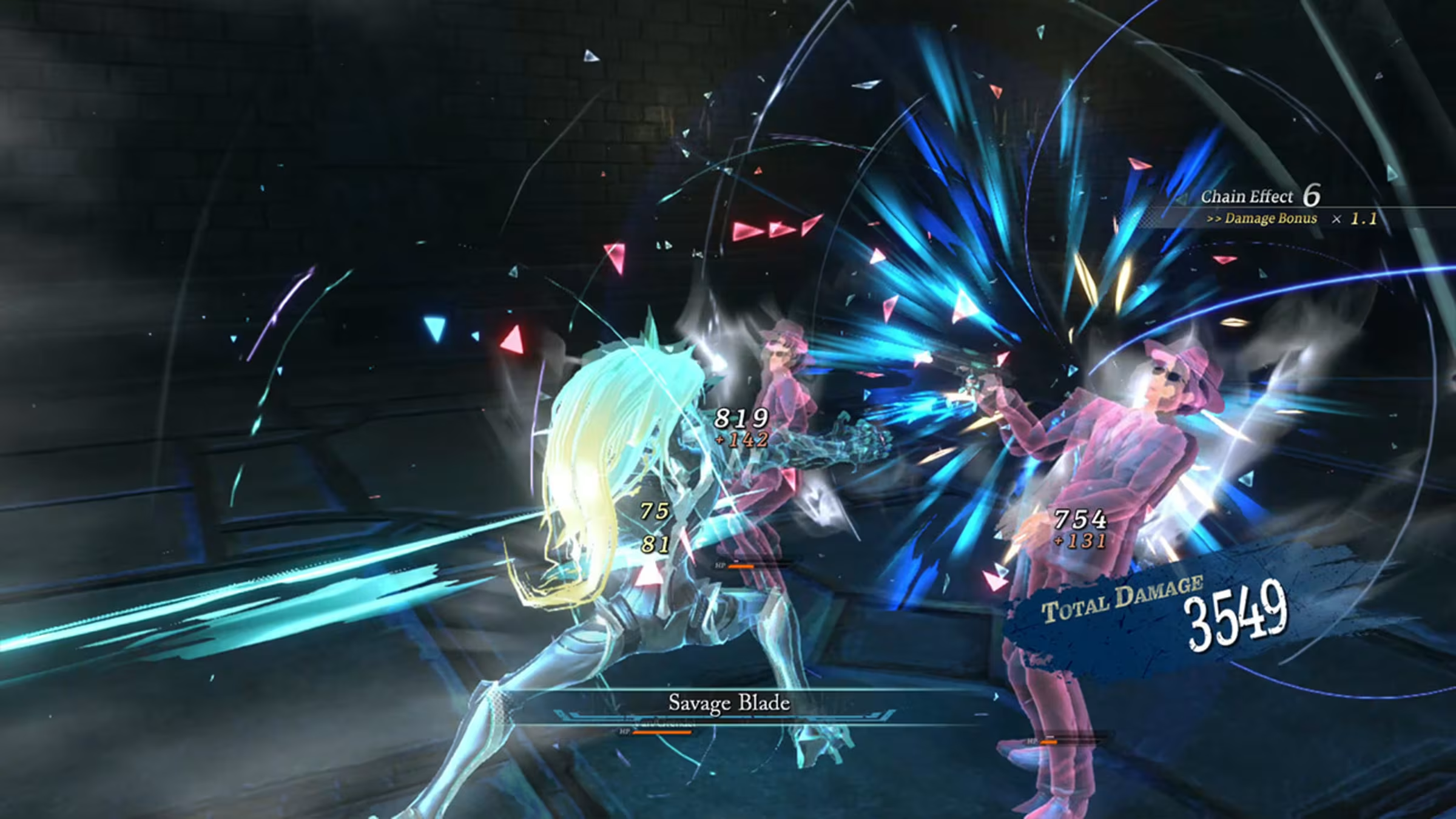
That flexibility is important because the game does not treat every enemy encounter as identical. Field combat offers direct control and momentum, while command combat provides room to assess the party’s options. Crafts and S-Crafts add another layer to these decisions, giving each party member signature moves that can be used when the moment calls for greater force or a more specialized response.
5 Combat Priorities for Building an Effective Party
- Watch your formation. Tactical positioning matters when enemies present different dangers. Consider where party members are placed before committing to an attack plan.
- Maintain equipment. Party management includes keeping equipment suited to the challenges ahead. Small adjustments can support a party strategy more effectively than relying on one fixed setup.
- Plan abilities in advance. Character abilities should work with the rest of the group rather than functioning as isolated choices. Think about which options fit the current encounter.
- Use Crafts with purpose. Crafts are signature moves for party members, so they are most useful when chosen for the specific pressure of a battle instead of being treated as automatic attacks.
- Save S-Crafts for key moments. S-Crafts are especially powerful moves. Their impact is greatest when they answer a dangerous enemy threat or help turn a difficult situation in the party’s favor.
These priorities suit the game’s mixed battle structure. Real-time field encounters reward alert movement, while command combat rewards a clearer understanding of equipment, abilities, and the tools available to each character. A flexible party is better prepared for the varied enemies found across Calvard’s cities, dungeons, and other explorable areas.
The Alignment System: Law, Chaos, and Gray Choices
The Alignment system gives player choices a defined role in the story’s direction. Its three paths—Law, Chaos, and Gray—reflect the fact that Van’s work often involves uncertain situations rather than uncomplicated answers. Decisions can influence how the narrative develops, connecting the game’s moral questions to its larger political intrigue.
Law, Chaos, and Gray do not merely provide labels for choices. They reinforce the setting’s tension, where rapid growth, inequality, competing factions, and hidden agendas make it difficult to view every problem from one angle. Van’s role naturally fits this structure because his cases bring him into contact with people whose interests may conflict.
This system gives the story a sense of consequence and can encourage players to pay attention to how they respond to its dilemmas. The focus is not only on uncovering a conspiracy, but also on deciding how to navigate the competing pressures surrounding it.
Orbment Customization and Flexible Character Development
Character progression is supported by a revamped Orbment system. It allows players to adjust abilities and stats with greater flexibility, helping party members fit different strategies. Rather than presenting one rigid approach to development, the system supports experimentation with how characters contribute in battle.
This matters because the combat design asks players to manage several moving parts. Equipment, tactical positioning, party abilities, Crafts, and S-Crafts can all affect an encounter. Orbment customization adds another way to refine a group for a particular challenge, whether the goal is stronger direct offense, a more balanced party arrangement, or a setup suited to difficult enemies.
For players who enjoy planning around individual character roles, this creates room to reconsider the party between major encounters. For those more interested in the story, the system still serves a practical purpose: it offers a way to make the growing party feel responsive to changing conditions across the adventure.
Nintendo Switch Release Details for Trails Through Daybreak
The Legend of Heroes: Trails Through Daybreak Switch NSP XCI is listed for Nintendo Switch with a USA release date of February 15, 2024. Falcom is the publisher, and the game is categorized as Adventure and RPG. Its combination of investigation, exploration, party-focused combat, and political mystery makes it relevant to players looking for a story-driven RPG with both real-time action and command-based tactical options.
| Platform | Nintendo Switch |
|---|---|
| Title ID | 010001B01B678000 |
| Release Date | February 15, 2024 |
| Region | USA |
| Publisher | Falcom |
| Genre | Adventure, RPG |
| Languages | Japanese, Chinese, English |
| Required Firmware | 17.0.0 |
| File Size | 14 GB |
Recommended Similar Games
 DOKAPON! Sword of Fury Switch NSPView Game
 UDO: Unidentified Drilling Object Switch NSPView Game
 DreamWorks Dragons Dawn of New Riders Switch NSPView Game
 FATAL FRAME: Mask of the Lunar Eclipse Digital Deluxe Edition Switch NSP XCIView Game
 Steins;Gate: My Darling’s Embrace Switch NSP XCIView Game
 DRAGON QUEST III HD-2D Remake Switch NSPView Game
