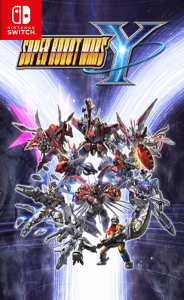
SUPER ROBOT WARS Y Switch NSP
Report Link Error
Select the broken download file, then submit the report.
Screenshots
About Game
SUPER ROBOT WARS Y Switch NSP brings the long-running giant robot strategy formula to Nintendo Switch with a USA release date of August 28, 2025. Published by Bandai Namco Entertainment, this RPG places anime-inspired machines and their pilots on tactical battle maps where planning, teamwork, and spectacular attacks share equal importance.
SUPER ROBOT WARS Y on Nintendo Switch: Release Details at a Glance
SUPER ROBOT WARS Y is listed for Nintendo Switch in the USA, with Bandai Namco Entertainment serving as publisher. Its release date is August 28, 2025, and its genre is RPG, though its play structure is specifically built around turn-based tactical combat.
The game supports English, Japanese, Korean, Chinese, and Traditional Chinese language options. Its Nintendo Switch release carries Title ID 010063301BD50000, requires firmware version 20.1.5.0, and is listed at 11.8 GB. Those practical details frame a game designed for players who want a substantial strategy experience centered on famous-style robot warfare, evolving squads, and a broad crossover premise.
For the series’ audience, the appeal is not simply placing powerful machines on a map. The format turns a roster of pilots and mechs into a carefully managed force, asking players to consider where every unit moves, which enemy it targets, and how allies can support one another.
A Tactical RPG Built Around Giant Robot Crossovers
SUPER ROBOT WARS Y tactical RPG combat is built around commanding squads of robots and pilots drawn from multiple anime universes. The crossover setup creates room for varied machines, fighting styles, and personalities within a single campaign. Players are not limited to one faction or one type of unit; the central fantasy is assembling a force from distinct worlds and putting those strengths to work together.
That mix is important to the game’s strategic identity. A roster containing different kinds of mechs can create contrasting tactical roles, from units suited to direct frontline pressure to those that contribute through mobility, support, defense, or specialized attacks. Pilots also matter, with abilities and Spirit Commands providing additional tactical options during difficult encounters.
The game’s core pillars can be read as a practical checklist for every mission:
- Build a squad: Combine mechs and pilots from the crossover roster into a force suited to the battlefield.
- Read the map: Use terrain, obstacles, movement range, and unit placement to shape the opening turns.
- Choose engagements: Match attacks and defenses to each unit’s particular strengths and weaknesses.
- Use allied support: Draw on support attacks, defensive help, and combined actions when the situation demands it.
- Develop the team: Upgrade units and weapons while building pilot skills for later challenges.
This makes it a giant robot strategy game for players who enjoy more than visual spectacle. The dramatic machinery is central, but success depends on using that machinery with care rather than simply advancing every unit toward the nearest target.
The Story Setup: A World of War, Cosmic Threats, and New Alliances
The SUPER ROBOT WARS Y story begins in a reality destabilized by war and cosmic danger. An interdimensional anomaly brings heroes and villains from numerous series into a shared world, creating a setting in which familiar conflicts return while unfamiliar partnerships become necessary.
An original protagonist is caught amid these expanding events and must help bring together factions that would not normally fight side by side. Gundam pilots and Mazinger Z are among the forces referenced in this wider conflict, which is shaped by a looming catastrophe with consequences beyond a single world.
The premise gives the mech crossover narrative a natural source of tension. Old rivalries have not disappeared simply because the setting has changed, and alliances must be forged under pressure. The story also makes room for unexpected meetings, reunions, and exchanges between characters whose respective worlds carry their own histories and stakes.
Its tone is rooted in hope, sacrifice, and cooperation against overwhelming odds. Rather than treating the crossover as only a parade of machines, the narrative uses the shared crisis to connect pilots, factions, and storylines. As the player’s force expands, the sense of a larger coalition takes shape alongside the growing danger.
Grid-Based Battles and the Importance of Unit Positioning
SUPER ROBOT WARS Y gameplay unfolds through grid-based strategy maps. Each encounter asks players to move their units across the battlefield during the Player Phase, then react to enemy actions during the Enemy Phase. This alternating structure gives every placement decision weight.
Positioning is more than a matter of closing distance. Terrain can affect the effectiveness of a unit, while the distinction between flying and ground-based machines can change how they approach obstacles and defensive spaces. Flying units may bypass certain obstructions, whereas ground units can benefit from defensive bonuses in appropriate terrain.
Unit matchups are equally important. Before starting an attack, players are encouraged to consider the capabilities of both sides: strengths, weaknesses, range, location, and the help available from nearby allies. A force that advances with discipline can create safer attack angles and preserve vulnerable units. A careless formation may leave key pilots exposed during the enemy response.
This rhythm makes turn-based mech battles feel deliberate. Maps are not just stages for attacks; they are tactical problems that reward foresight, adaptation, and attention to the relationship between units.
Attack Animations That Showcase Signature Mech Moves
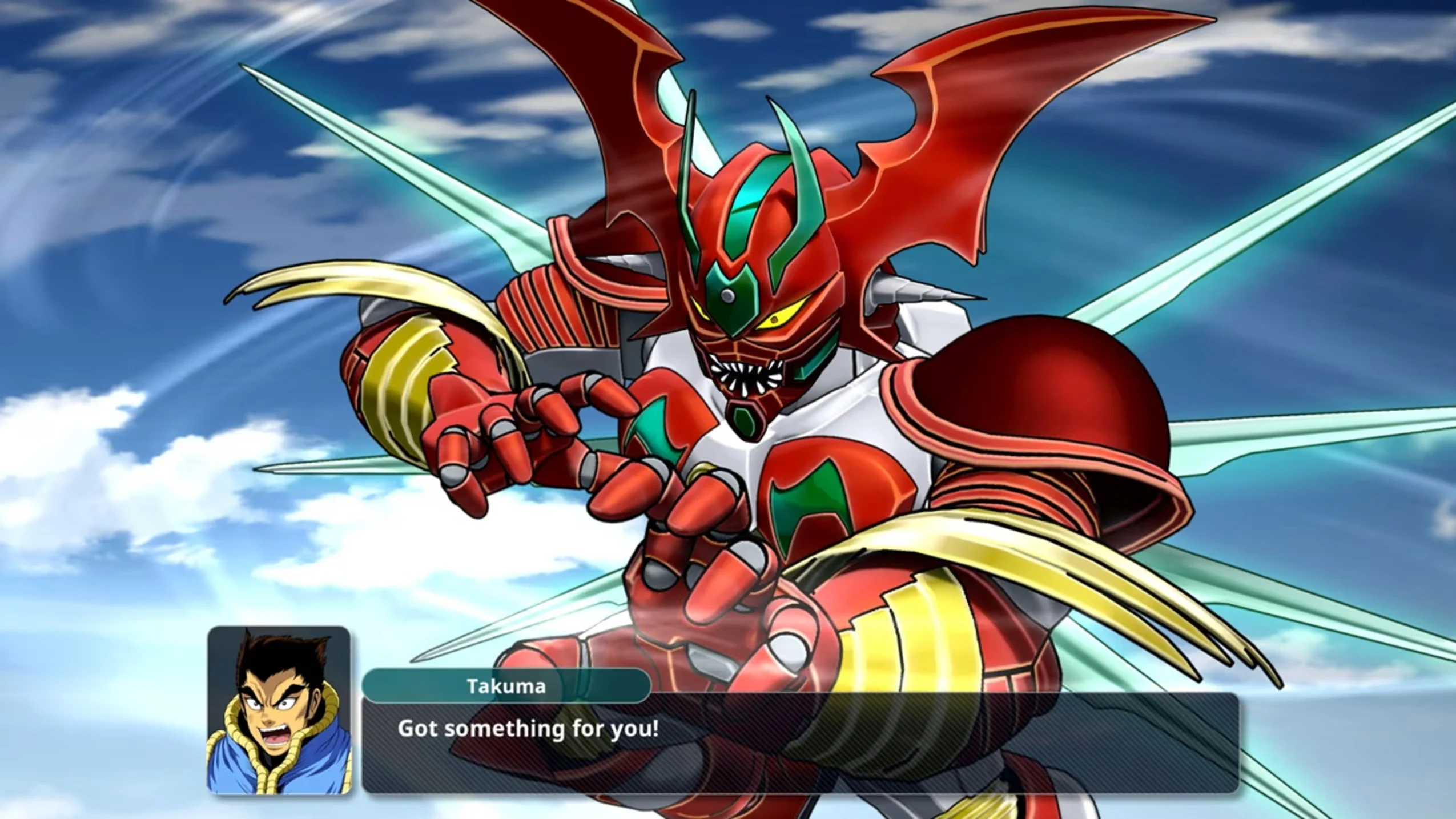
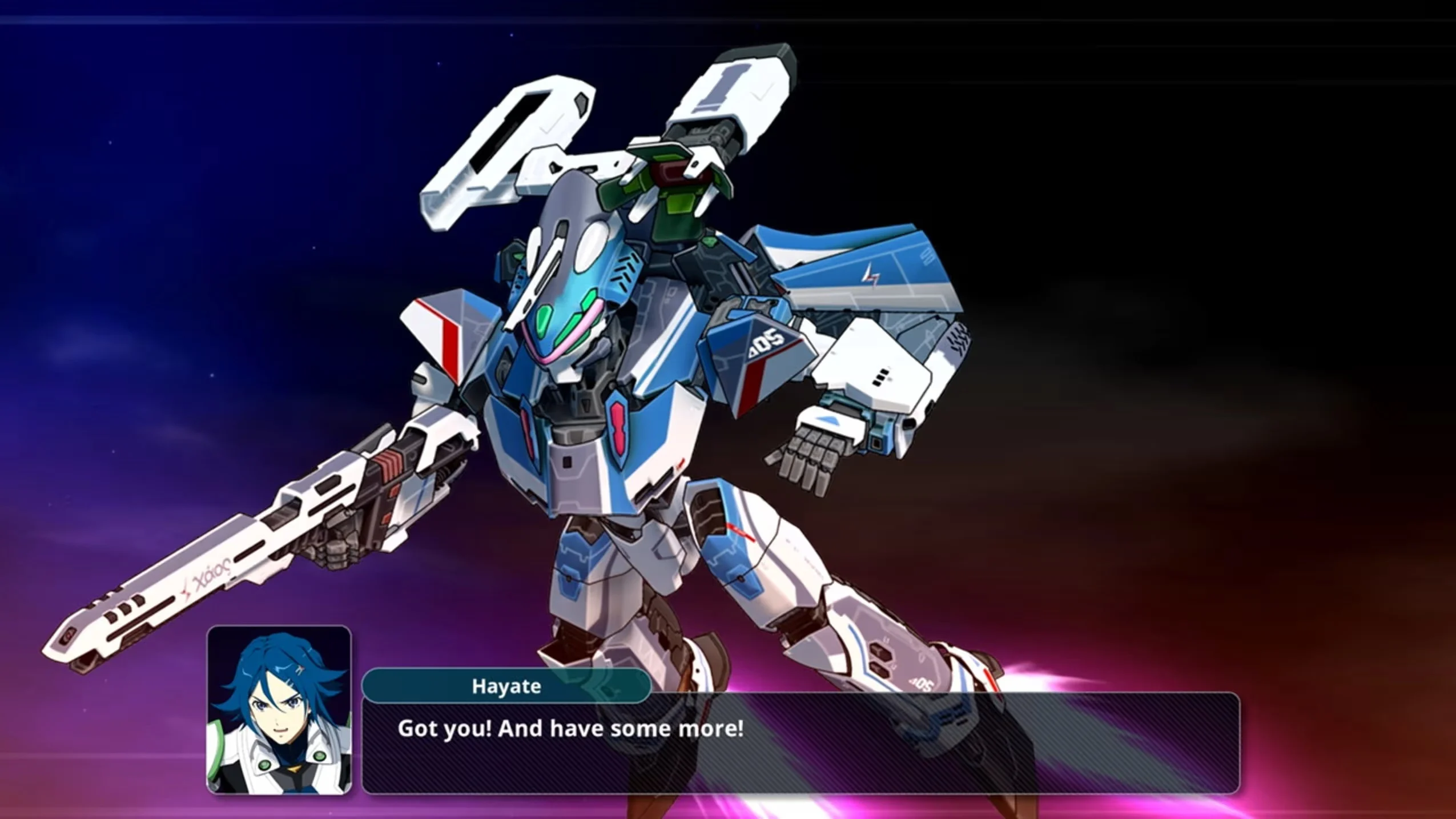
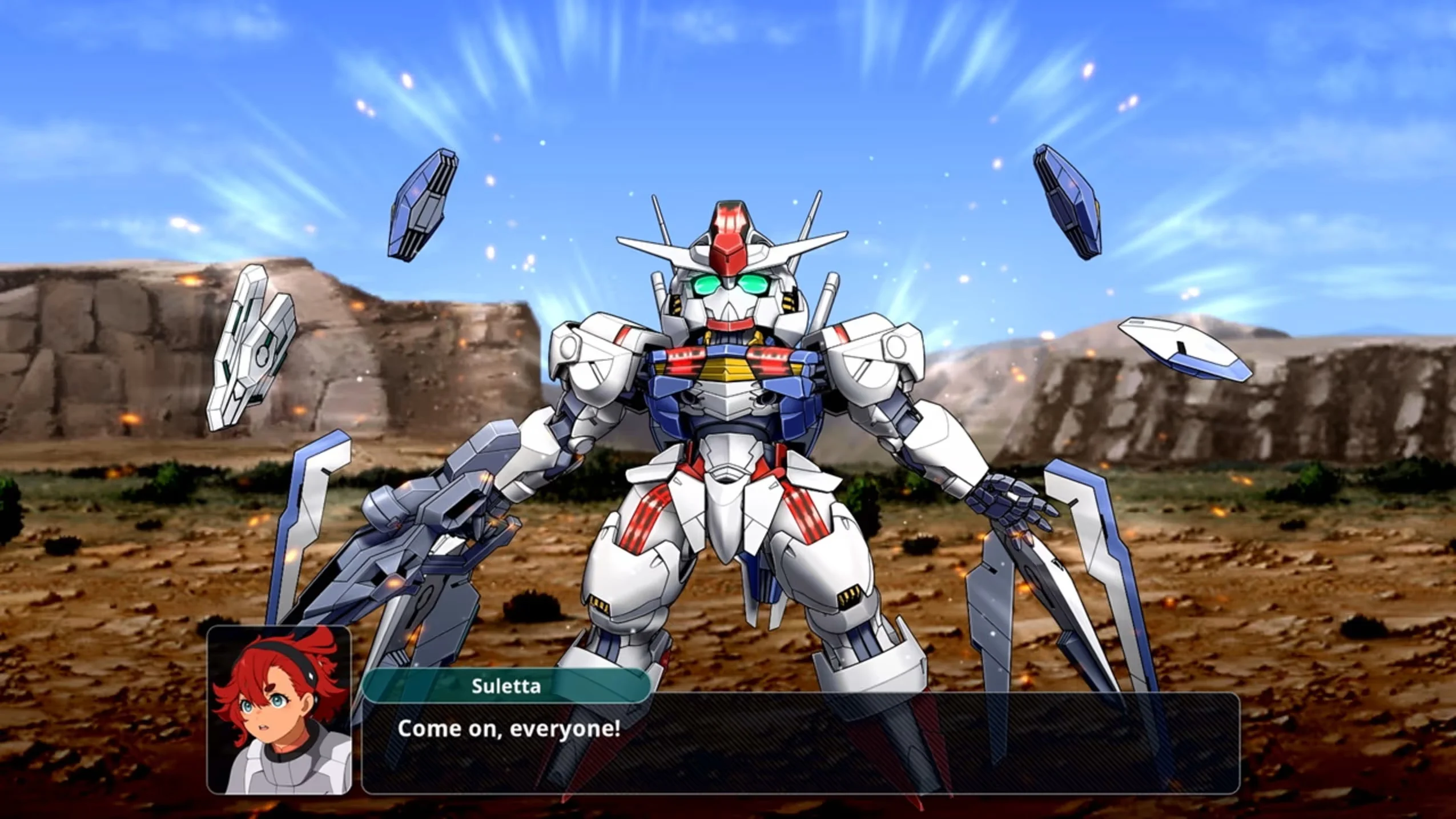
The methodical pace of map movement gives way to a more dramatic presentation when combat begins. SUPER ROBOT WARS Y features detailed, dynamic attack animations designed to highlight the signature moves of its robots. Each exchange can turn a tactical command into a focused display of mechanical power and personality.
These mech combat visuals serve the larger crossover appeal. Machines from different series can feel distinct not only because of their tactical roles, but because their attacks are presented with their own dramatic identity. The contrast between careful grid movement and animated strikes helps give battles a changing rhythm: planning first, then a vivid payoff for the decision.
That presentation should particularly suit players drawn to robot signature attacks as much as they are to numbers and map control. The game does not separate strategy from spectacle; it uses the animation of each major action to reinforce why a particular mech or pilot matters to the squad.
How Chapter-Based Progression Expands Your Forces
Chapter-based progression carries both the story and the strategy forward. Advancing through chapters introduces new developments in the conflict while bringing additional units and fresh challenges into the player’s campaign. The growing roster is therefore tied to the narrative’s widening alliances and escalating threats.
Between battles, players can enhance units, upgrade weapons, and teach new skills to pilots. This customization allows a squad to develop around preferred approaches, whether that means strengthening existing roles or preparing specific machines for difficult tactical situations. Pilot abilities, Spirit Commands, support options, and combined attacks add further room for planning.
The result is a strategy RPG progression loop that rewards continued attention to the team. New chapters do not merely ask for stronger attacks; they invite players to reassess formations, improve key units, and make use of the expanding crossover cast. SUPER ROBOT WARS Y Switch NSP is therefore best suited to Nintendo Switch players looking for a story-led tactical RPG where giant robots, evolving squad management, and animated combat all work toward the same campaign.
Recommended Similar Games
 Final Fantasy VIII Remastered Switch NSP XCIView Game
 DOKAPON! Sword of Fury Switch NSPView Game
 FINAL FANTASY TACTICS – The Ivalice Chronicles Deluxe Edition Switch NSPView Game
 Aquatic Life: Fish Simulator RPG Switch NSPView Game
 Dark Light Switch NSPView Game
 Dragon Star Varnir Switch NSP XCIView Game
