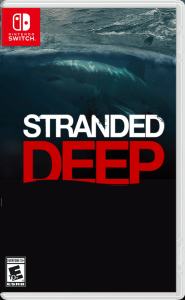
Stranded Deep Switch NSP XCI
Report Link Error
Select the broken download file, then submit the report.
Screenshots
About Game
Stranded Deep Switch NSP XCI frames survival as a lonely, practical struggle against the Pacific. Developed and published by Beam Team, this Adventure release arrived on August 31, 2021, placing a single survivor in an immense ocean setting where food, water, shelter, weather, and the next safe destination all demand attention.
Plane Crash to Pacific Survival: The Premise of Stranded Deep
The plane crash premise is immediate and isolating. The player begins as a passenger aboard a private jet that suffers a catastrophic malfunction over the Pacific Ocean. After the disaster, the character wakes amid the consequences of the crash, alone on an inflatable life raft and surrounded by open water.
That opening establishes the game’s atmosphere with unusual clarity. There is no nearby settlement, no ready supply of equipment, and no obvious safety net. The surrounding ocean is both a route forward and a constant source of risk. Reaching land is only the first problem; staying alive once there becomes the larger task.
The setting supports a Pacific Ocean survival experience built around uncertainty. A deserted island may offer trees, plants, and materials, but it can also leave the player exposed to wildlife, limited supplies, and changing conditions. The feeling is less about a single scripted escape sequence than the steady pressure of making sensible choices with what can be found.
A Player-Driven Story of Discovery and Endurance
The Stranded Deep Switch storyline is shaped more by player action than by a heavily cinematic plot. The crash supplies the central mystery and the reason to survive, but the narrative develops through exploration, setbacks, discoveries, and the continuing effort to find a route home.
Shipwrecks, deserted islands, and hidden locations become pieces of that survival narrative. Exploring them may reveal salvaged materials, potential resources, or new dangers. The player’s priorities help define the experience: one journey may focus on building a dependable shelter before travelling farther, while another may push into open water in search of supplies.
This approach gives progression a personal quality. The story is not only about why the aircraft went down, but also about what the survivor does after reaching the raft. A successful crossing, a newly secured water source, or a useful find inside a wreck can become meaningful milestones because each one improves the chances of endurance.
- Gather first: Sticks, stones, plants, wreckage, barrels, and old ship parts can all contribute to a growing supply of materials.
- Meet basic needs: Food, fresh water, health, and sun exposure require regular attention rather than a one-time solution.
- Make practical gear: Crafted tools and weapons turn scavenged items into ways to collect resources and respond to threats.
- Establish a foothold: Shelter, storage, and crafting stations provide a more secure base for longer-term survival.
- Travel with care: Rafts make island hopping possible, but reefs, open water, storms, and dangerous wildlife complicate every journey.
Managing Hunger, Thirst, Health, and Sun Exposure
Stranded Deep survival mechanics keep the player focused on immediate physical needs. Hunger and thirst are persistent concerns, requiring food and fresh water rather than simple scavenging for a single universal resource. Health must also be monitored, while sun exposure adds another environmental pressure to the day-to-day routine.
These systems give ordinary tasks more weight. Finding a useful island is not enough if it cannot support the survivor’s current needs. A trip to explore a wreck or reef may be worthwhile for materials, but time spent away from shelter and supplies can introduce fresh problems. The game’s tension comes from this balance between preparation and risk.
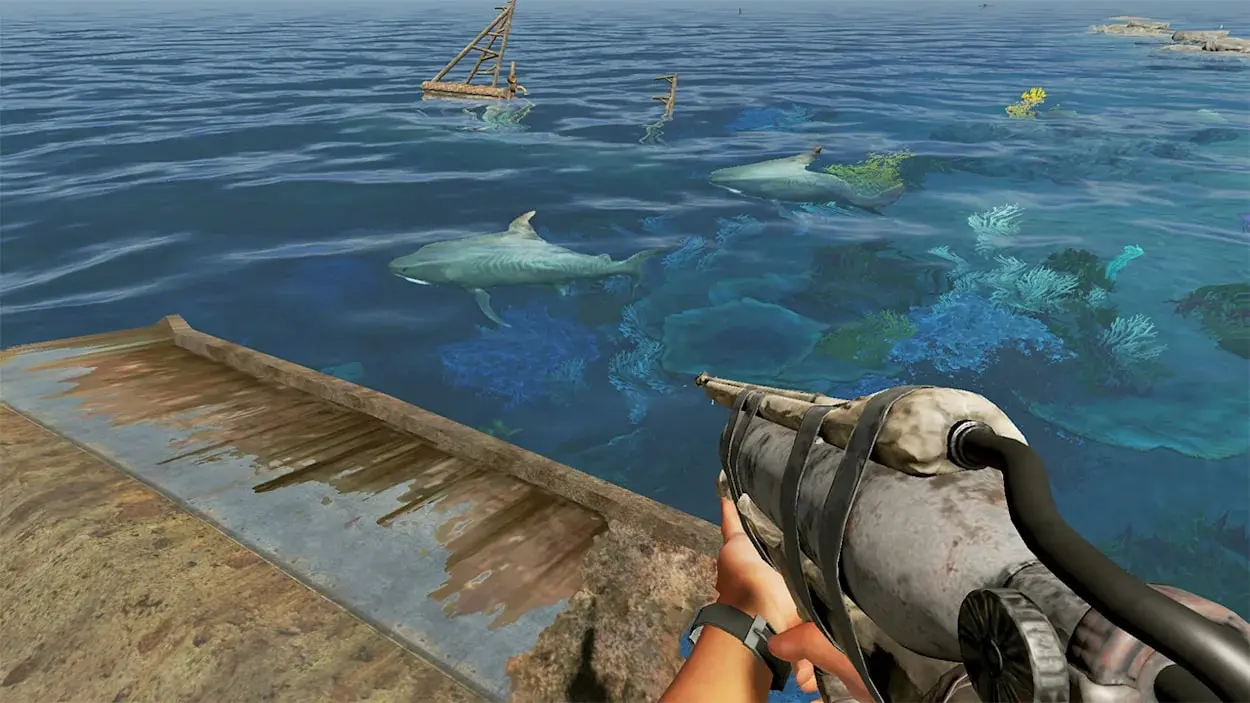
Wildlife strengthens that pressure. Hunting can provide food, yet the islands and waters contain threats including sharks, boars, and venomous snakes. The player is encouraged to treat resources carefully, assess danger before acting, and avoid assuming that a calm-looking location is free of consequences.
The result is a survival loop with a grounded rhythm: search, gather, craft, recover, and plan the next move. Progress depends on keeping multiple needs in view at once, not simply collecting the largest pile of materials.
Crafting Tools, Weapons, Shelter, and Useful Structures
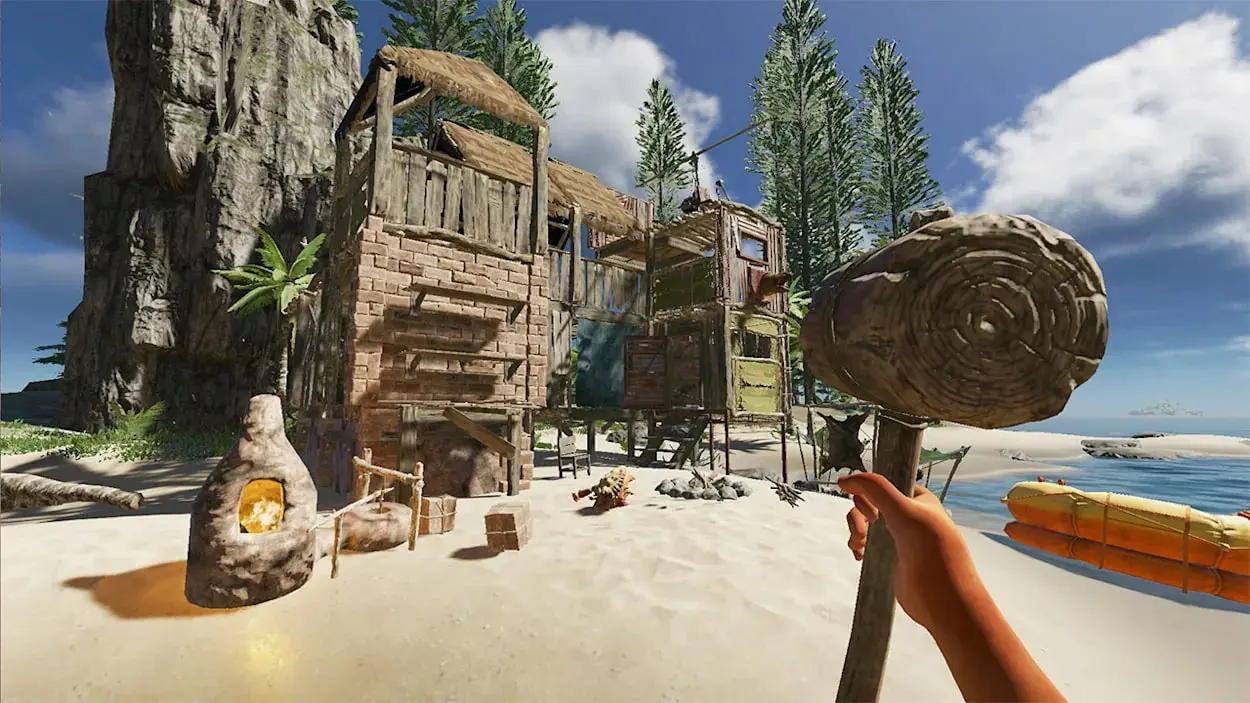
Crafting is the foundation of advancement. Early materials such as sticks and stones can be combined into useful equipment, while salvage from wrecks expands the range of possibilities. The game turns the landscape and its scattered debris into the raw ingredients of survival.
Tools support resource gathering, weapons offer a response to danger, and shelter helps establish a safer place to endure the elements. Storage gives collected supplies a purpose beyond immediate use, while crafting stations create a more organized base for future work. This is base building in a functional sense: structures matter because they make survival more manageable.
There is also a clear progression in moving from basic improvisation to a more stable presence on an island. A player who begins with little more than what can be scavenged may eventually create shelter, hold supplies in storage, and prepare for longer expeditions. Rudimentary vehicles are also part of the crafting possibilities, reinforcing the connection between construction and exploration.
Stranded Deep Switch NSP XCI makes those practical creations central to its sense of accomplishment. The most useful gains are not abstract rewards; they are the tools, structures, and transport that help the survivor remain alive for another day.
Crossing the Ocean: Rafts, Reefs, and Island Hopping
Island hopping broadens the game beyond one shoreline. Building a raft allows travel between islands, each of which can offer different resources, challenges, and reasons to explore. The ocean is therefore not merely scenery around the survival experience. It is the space that connects opportunities while separating the player from safety.
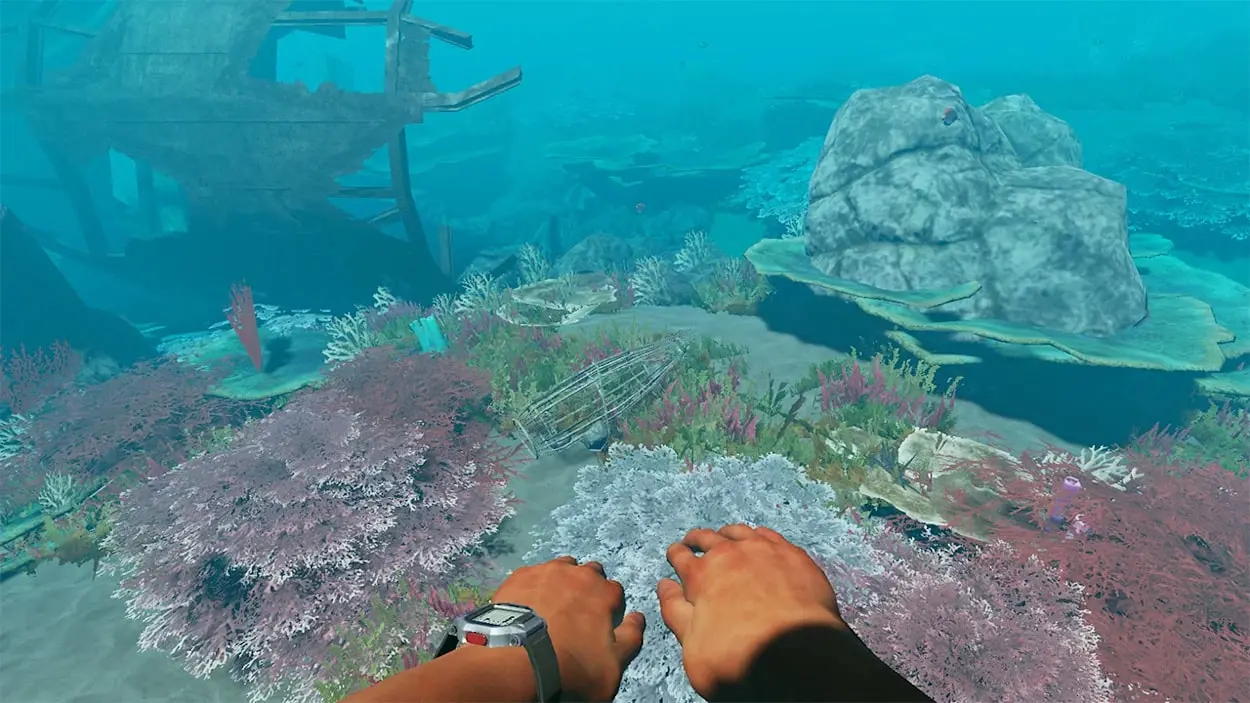
Coral reefs invite underwater exploration, where treasures and materials may be found beneath the surface. Shipwrecks extend that appeal, combining discovery with the need to salvage what remains useful. Underwater caves add another destination for players willing to explore farther from the shore.
Open-water travel remains a serious commitment. Sharks are among the dangers that can be encountered in the ocean, and a journey can be affected by weather as well as the basic need to manage supplies. Raft travel has a strong sense of purpose because a successful crossing can lead to resources unavailable on the current island.
The procedurally generated world also supports replay value. Different playthroughs can present exploration in a fresh arrangement, making route planning and island discovery less predictable. That variability suits players who enjoy adapting their approach rather than following a fixed sequence of locations.
Why Dynamic Weather Changes Survival Planning
Dynamic weather gives the Pacific setting another layer of uncertainty. Clear conditions may make an expedition feel manageable, but storms can turn the same ocean into a more dangerous place to travel. Weather affects the practical decisions around when to explore, when to remain near shelter, and when a raft journey may be too risky.
Sunlight is not simply part of the presentation, either. Because sun exposure is one of the survival pressures to manage, time outdoors has consequences. The contrast between sunny days and treacherous storms helps the world feel changeable without losing sight of the game’s central concern: staying prepared.
This makes Stranded Deep particularly suited to players who enjoy deliberate survival systems, resource management, crafting, and exploration with real trade-offs. Its Pacific atmosphere, deserted islands, reefs, wrecks, and unstable weather support a patient style of play in which every useful discovery must be weighed against the risk of reaching it.