SEVEN DAYS Switch NSP
Report Link Error
Select the broken download file, then submit the report.
Screenshots


About Game
SEVEN DAYS Switch NSP presents a dramatic visual-novel journey built around a deadline that cannot be ignored. Kirell wakes in the afterlife with an extraordinary offer: complete a mission within seven days and earn a chance at resurrection. Failure means permanent death, giving each conversation, clue, and decision added weight.
SEVEN DAYS on Nintendo Switch: A Seven-Day Afterlife Premise
The premise of SEVEN DAYS Switch places Kirell in an uncertain world beyond life, where the God of Death sets the terms of his possible return. He is not simply asked to reflect on what has happened to him. He must act, meet the conditions of a mission, and do so before the seven-day limit expires.
That structure gives the story a natural sense of pressure. The narrative follows Kirell as he encounters other lost souls, each facing judgments and circumstances of their own. Their interactions are not presented as incidental stops along the way; relationships and choices can affect Kirell’s progress toward salvation. The result is an afterlife story concerned with life, death, morality, and the consequences attached to personal decisions.
The seven days mission also gives the game a focused progression. Rather than approaching its premise as a broad fantasy setting, SEVEN DAYS centers on Kirell’s limited opportunity and the questions surrounding his purpose. Suspense comes not only from the time limit, but from uncertainty over whom to trust, what each encounter means, and how far Kirell’s choices may reach.
Investigation, Dialogue, and Reading Between the Lines
SEVEN DAYS gameplay follows the visual-novel form, so reading is central to the experience. Players spend much of their time moving through dialogue and illustrated scenes, then making choices that guide the narrative. Yet the game asks for more than quickly selecting an answer and continuing onward.
Some moments involve investigating clues and considering character motivations. These elements encourage closer attention to conversations, especially when a small detail may carry implications for a later decision or reveal more about another spirit’s intentions. The dialogue is therefore part of the game’s decision-making framework, not merely a delivery system for plot.
This approach suits a story in which Kirell’s fate is tied to his interactions. A response can affect relationships, while an observation may change how a player interprets the situation. Those who enjoy visual novel dialogue with room for suspicion, reflection, and moral judgment have reason to slow down and examine the wording rather than treating each scene as a straight path to the next chapter.
The Appeal of Replayable Story Routes
Choices in SEVEN DAYS influence the unfolding plot, opening a branching structure with multiple possible endings. That makes replayability part of the game’s design rather than an optional afterthought. A first playthrough can establish one version of Kirell’s journey, but different choices may lead to alternate routes, changed relationships, new outcomes, and hidden scenes.
Revisiting the story also changes the value of information already learned. A line of dialogue that once seemed minor may appear more meaningful after another route provides added context. Players can test a different response, reconsider a character’s motivation, or follow a path they previously avoided. The appeal lies in seeing how decisions reshape the dramatic course of the seven days.
For readers who prefer a single fixed narrative, the branching format may invite a more deliberate first run. For those drawn to multiple playthroughs, SEVEN DAYS offers a reason to return: not just to reach another ending, but to uncover more of the story’s character arcs and afterlife mysteries.
Hand-Drawn Visuals and Evocative Music in SEVEN DAYS
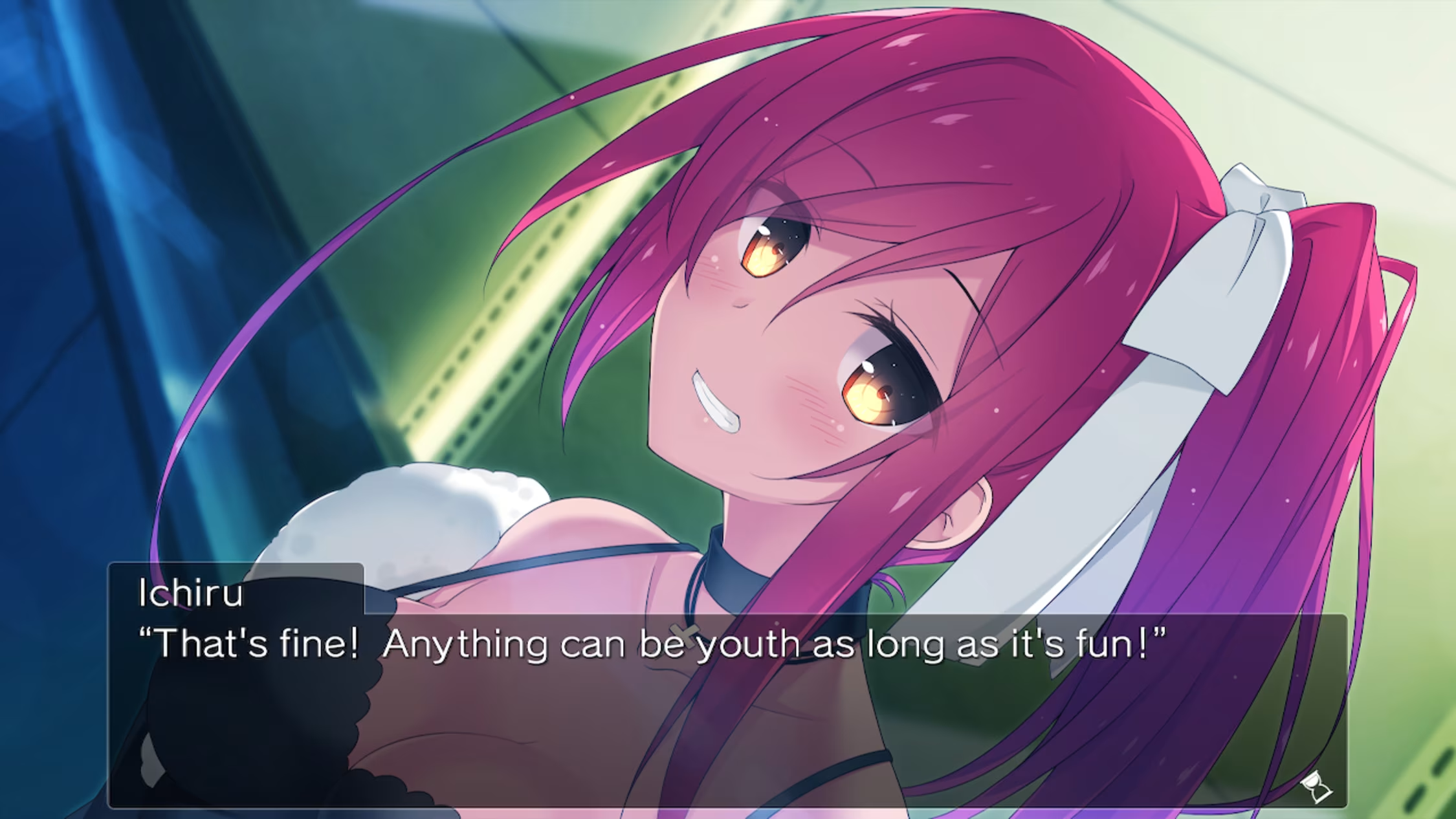
The game’s presentation supports its serious, reflective tone through hand-drawn visuals and an evocative soundtrack. In a visual novel, artwork has a major role in establishing mood, carrying the emotional force of a conversation, and giving individual scenes a distinct presence. The hand-drawn presentation complements a narrative built around spirits, judgment, and difficult choices.
Music contributes to that visual novel atmosphere as well. An evocative soundtrack can frame moments of suspense, uncertainty, and emotional confrontation without pulling attention away from the text. Together, the artwork and music help give Kirell’s journey a dramatic identity while keeping the focus on the people he meets and the decisions before him.
A Thoughtful First Playthrough: 5 Ways to Approach SEVEN DAYS
- Read closely. Take time with each conversation, since dialogue is central to the story and subtle details may matter later.
- Weigh the choices. Decisions affect the narrative’s direction, so consider the possible consequences before committing to an option.
- Watch for hints. Investigation and clue-based moments reward attention to information that may initially seem small.
- Consider motives. Think about what other characters may want, especially when Kirell’s relationships and progress are involved.
- Return with purpose. Try different choices in later playthroughs to seek alternate routes, hidden scenes, and additional endings.
These are less about finding a single “correct” way through the story than about engaging with its choices on their own terms. The game’s structure encourages observation and reflection, then gives players opportunities to revisit what they have learned from another angle.
SEVEN DAYS Switch Edition: Release and Language Details
SEVEN DAYS Nintendo Switch was released on June 6, 2024. It is listed in the Adventure genre and published by PROTOTYPE. The available regional listing is USA, with English and Japanese language support.
For players seeking a narrative-led game centered on an afterlife mission, consequential visual novel choices, and multiple story outcomes, SEVEN DAYS Switch NSP is aimed at a patient, attentive approach. Its seven-day framework supplies urgency, while its branching routes leave room to revisit Kirell’s journey and see where another decision leads.