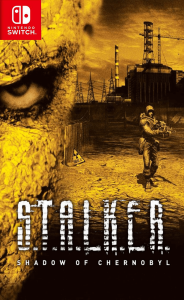
S.T.A.L.K.E.R.: Shadow of Chornobyl Switch NSP
Report Link Error
Select the broken download file, then submit the report.
Screenshots
About Game
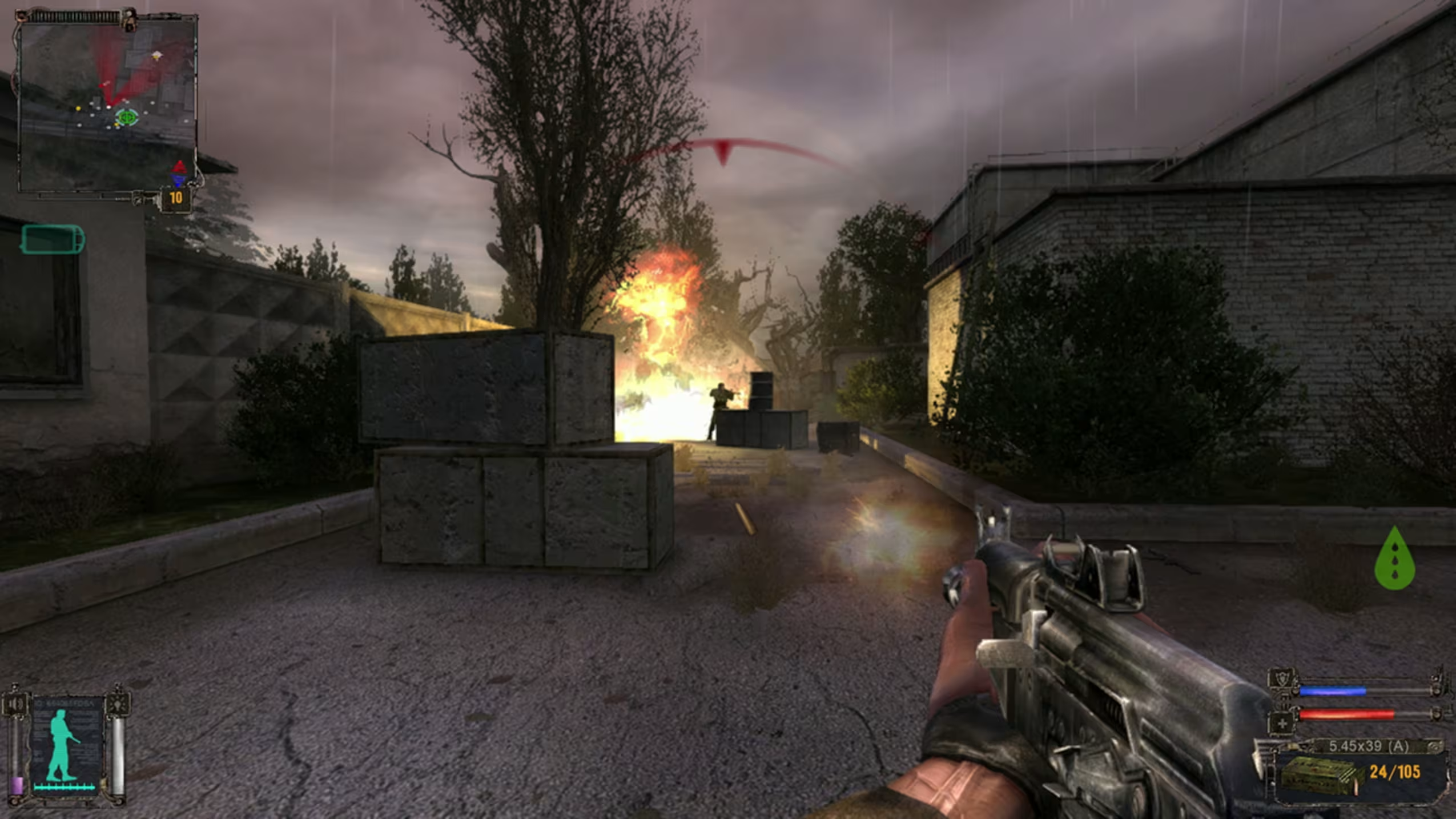
S.T.A.L.K.E.R.: Shadow of Chornobyl Switch NSP brings a tense journey into the Chornobyl Exclusion Zone to Nintendo Switch, framing exploration as a constant negotiation with danger. The Zone is irradiated, hostile, and full of unanswered questions: a place where abandoned structures, armed groups, mutated creatures, and strange environmental hazards can turn a routine search into a fight for survival.
Entering the Chornobyl Exclusion Zone on Nintendo Switch
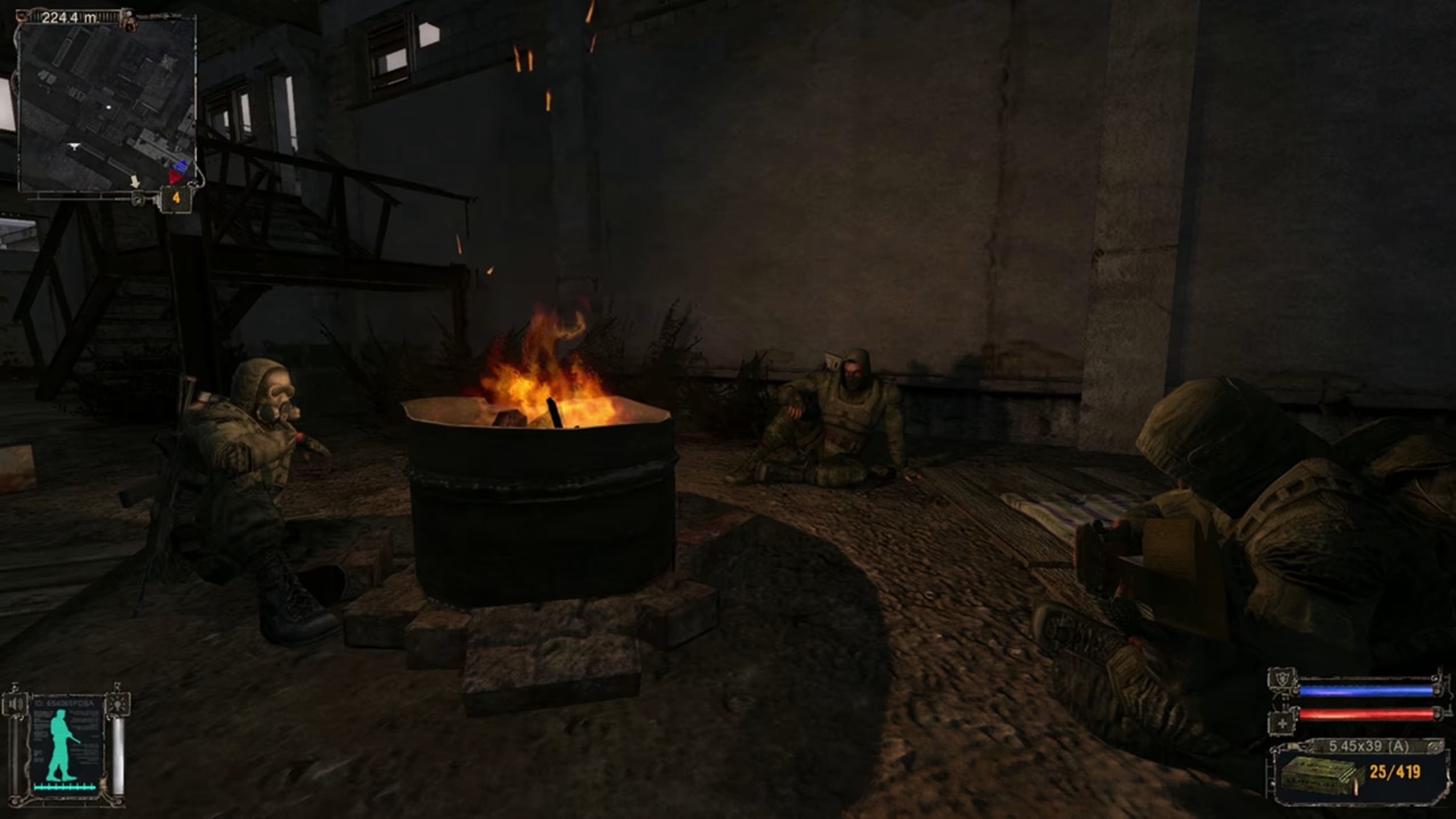
This Nintendo Switch action game is built around the uneasy appeal of entering places that seem long deserted but are never truly empty. The Chornobyl Exclusion Zone contains broad areas to investigate, from settlements left behind to guarded locations and underground spaces. Its atmosphere comes from that uncertainty. A road may lead to supplies, a new contact, or a hazard that demands a different route.
The game combines first-person shooting with survival and role-playing elements. Combat matters, but so does preparation. Ammunition, medical supplies, food, water, and equipment all have a role in keeping the player moving through the Zone. Injuries need treatment, gear can require repairs, and a poorly timed firefight can leave the Marked One short on resources when the next danger appears.
That measured pace suits the setting. The Zone is not simply a backdrop for action; it is the source of much of the tension. Its threats are environmental as well as human, and exploration often asks players to pay attention before pressing forward.
The Marked One and the Mystery of Strelok
The S.T.A.L.K.E.R. story begins with an amnesiac Stalker known as the Marked One. He awakens with a mysterious tattoo and one clear instruction: “Kill Strelok.” The problem is that he does not know why the order matters, who Strelok is, or what connects the mission to his own past.
That premise gives the journey a strong investigative thread. The Marked One’s search moves beyond a simple target, becoming an effort to piece together clues about his identity and the deeper secrets held by the Zone. NPC encounters, quests, and difficult choices add to that process, while the competing interests of local factions complicate any straightforward path toward an answer.
The narrative draws on science-fiction, horror, and survival themes without separating them into neat categories. The same ruined landscape that invites exploration can make a story discovery feel threatening, especially when progress requires entering increasingly dangerous territory. The branching storyline and reputation-affecting choices give players reasons to consider how they approach people and problems rather than treating every encounter alike.
- A missing past: The Marked One’s amnesia turns each clue into part of a larger personal mystery.
- One unsettling order: “Kill Strelok” provides direction while raising more questions than it answers.
- Scarce supplies: Food, water, ammunition, medical items, and equipment management support the survival focus.
- Hazards with value: Anomalies can injure the unwary, but artifacts found around them may offer temporary benefits.
- Choices in the Zone: NPC interactions, quests, and faction reputation bring role-playing considerations into the journey.
A Zone Shaped by Factions, Mutants, and Anomalies
The threats in the Zone do not come from one source. S.T.A.L.K.E.R. factions pursue their own agendas, making human encounters as unpredictable as any creature attack. Some situations can develop into conflict between groups, while the player’s decisions and reputation can influence how these forces respond.
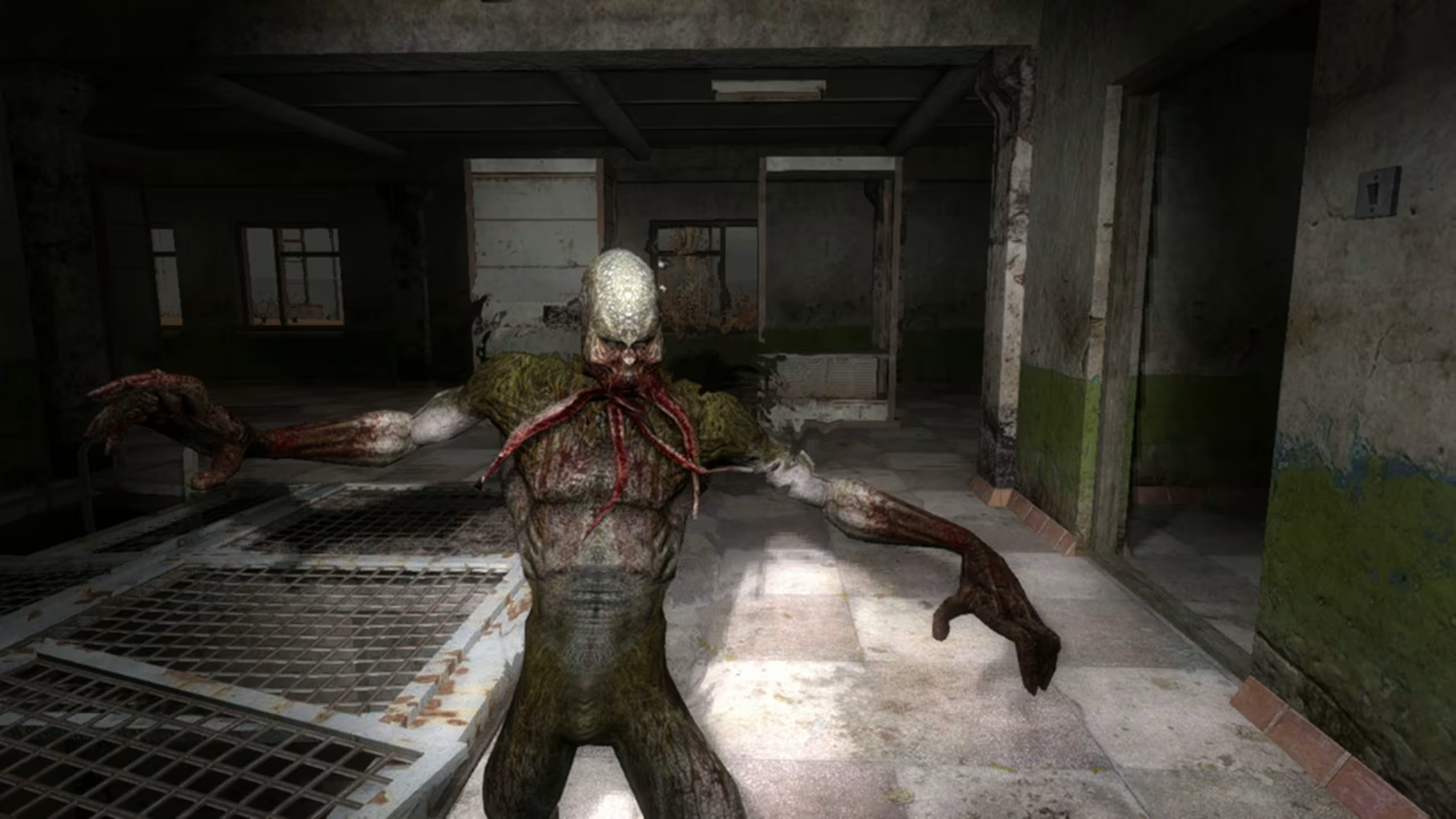
Mutants create a separate kind of pressure. They are not merely targets for a weapon; they are part of a world in which travel can be dangerous even far from a checkpoint or settlement. Tactical shooting is important, particularly when ammunition is limited, but careful movement and awareness can matter just as much.
Then there are the anomalies. These hazardous phenomena demand observation and caution, since crossing them carelessly can cause damage. Learning their patterns and using detectors helps make navigation more deliberate. Yet anomalies also create a risk-and-reward relationship with artifacts, which can provide temporary buffs. The Zone repeatedly asks players to decide how much danger is worth facing for a possible advantage.
Exploring Abandoned Settlements, Checkpoints, and Underground Labs
Open-world exploration gives the game much of its pull. Abandoned villages, military checkpoints, and dark underground labs offer distinct reasons to look beyond the obvious route. A location may contain a quest lead, a hostile encounter, useful supplies, or one of the hidden caches scattered through the Zone.
The appeal of these areas lies in their contrast. Open ground can leave players exposed, while indoor spaces narrow sightlines and turn every corner into a concern. Underground labs, in particular, reinforce the game’s darker survival-horror tone. They are places to investigate carefully rather than rush through, especially when resources are limited and threats may be close.
Progression is tied to that search for practical advantages. Finding supplies, managing inventory, repairing equipment, and preparing for tougher challenges all support continued exploration. Gear can be upgraded, while artifacts and scavenged resources offer ways to adapt to the Zone’s demands. The game’s rhythm is therefore not only about advancing the main mystery; it is also about becoming better equipped to survive what lies ahead.
The A-Life System and the Zone’s Unpredictable Activity
The A-Life system helps make the Zone feel active beyond the player’s immediate actions. Dynamic NPCs and mutants can interact, hunt, travel, and fight, while faction clashes and other events may unfold independently. The result is a world where a familiar area may not behave the same way on every visit.
This unpredictability supports replay value without relying on a fixed sequence of encounters. Players may approach a location with a plan only to find that local forces have changed the situation. Mutants may be active nearby, factions may be in conflict, or an unexpected event may alter the safest route. The system complements the game’s branching story and choice-based reputation mechanics by making the Zone feel less like a series of isolated missions.
It also reinforces the right audience for the experience: players comfortable with pressure, resource management, tactical combat, and exploration that does not always promise a clean or easy outcome. The reward is a setting where caution and curiosity remain closely connected.
Switch Release Details for Shadow of Chornobyl
S.T.A.L.K.E.R.: Shadow of Chornobyl Switch NSP is listed for the USA region with a release date of November 1, 2024. Published by GSC Game World, it is classified in the Action genre and requires Nintendo Switch firmware 18.1.0.
The listed language support includes English, Japanese, Spanish, French, German, Italian, Russian, Korean, Chinese, and Taiwanese. Its Nintendo Switch file size is listed as 7.41 GB. For players drawn to a harsh, atmospheric action experience built around investigation, survival systems, faction tension, and a changing world, the trip into the Zone remains defined by one essential rule: stay alert.