Running Fable Switch NSP
Report Link Error
Select the broken download file, then submit the report.
Screenshots
About Game
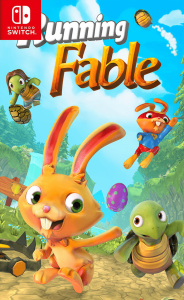
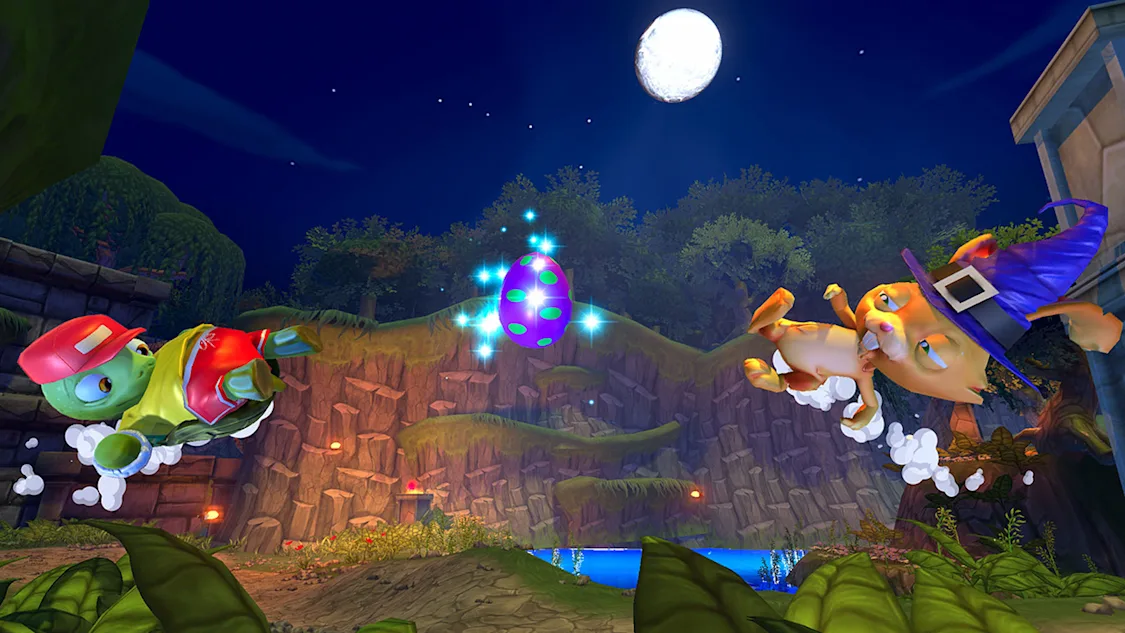
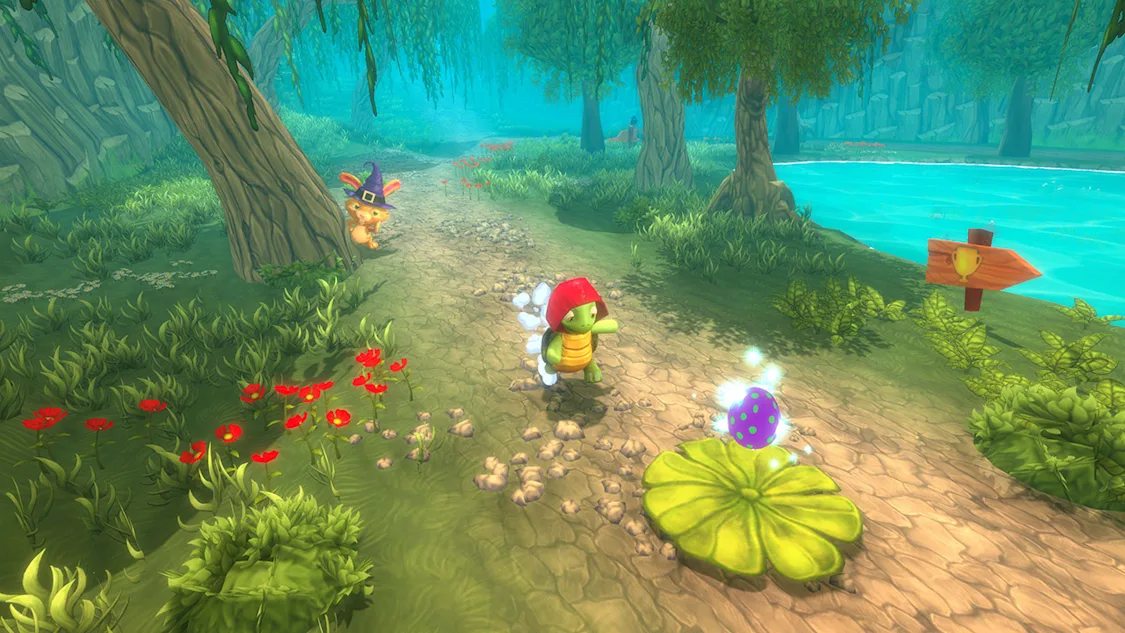
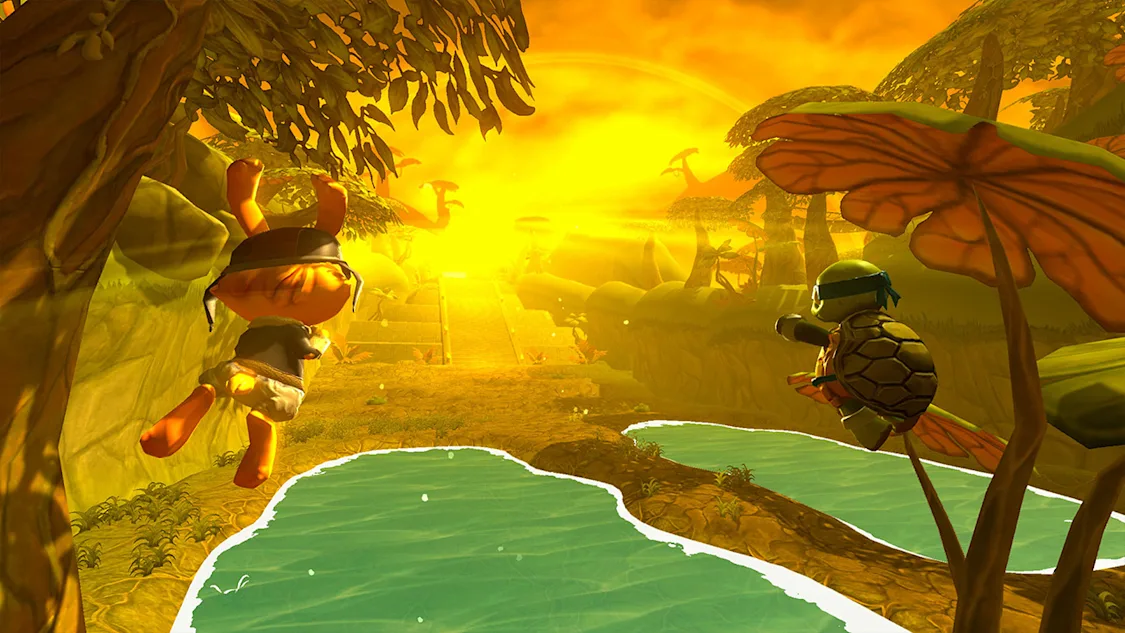
Running Fable Switch NSP frames competition as a storybook contest: an action racing game where familiar fable-inspired figures sprint, jump, improvise, and interfere with one another on the road to first place. Developed and published by Seashell Studio, this Nintendo Switch release arrived on August 9, 2023, combining racing speed with the tactical choices of power-ups, route selection, and well-placed obstacles.
Running Fable: A Strategic Racing Adventure on Nintendo Switch
Running Fable brings action, racing, and strategy into the same competitive space. Its races are built around more than simply reaching the finish line quickly. Players control characters drawn from a world of classic fables, each with distinct starting stats and special abilities, then use those differences to approach courses and rivals in their own way.
The fable-inspired setting gives the races a playful atmosphere, while the design encourages quick decisions under pressure. A direct route may offer speed, but environmental hazards, interactive elements, and opposing players can change the situation in moments. Courses also include multiple paths, making track knowledge part of the contest rather than a background detail.
That mix gives the game a clear strategic racing identity. Newcomers can engage with its intuitive controls and immediate racing action, while players looking for more depth can experiment with character strengths, shortcuts, ability timing, and the changing flow of competitive races.
The Fable World and the Wizard’s Racing Challenge
The Running Fable story begins with a mischievous wizard’s enchantment. The spell draws renowned fable characters into a grand race, setting them against one another in a challenge where speed alone is not enough. The winning hero can lift the enchantment and help restore peace to the land.
Each competitor enters with a personal reason to win. Some are seeking glory, some redemption, and others simply want the thrill of victory. Characters such as the Fox and the Hare are part of a cast motivated by their own tales, giving the competition a sense of rivalry beyond the finish order.
Progress through the game reveals further secrets and rivalries between the characters. This makes individual races feel connected to a broader quest, even as the immediate objective remains clear: navigate the course, overcome disruptions, and prove worthy of the wizard’s challenge. The tone is imaginative rather than severe, drawing on the recognizable appeal of fable characters while turning their conflicts into lively races.
How Racing and Strategy Work Together
Running Fable gameplay asks players to manage movement and judgment at the same time. Sprinting and jumping are fundamental tools, but success also depends on timing, awareness, and tactical choices. A player may need to react to a hazard, adjust for an opponent’s move, or decide when a short route is worth the risk.
The tracks are designed with environmental hazards, different paths, and interactive features. These elements mean a race can shift quickly. Seeing the course ahead matters, but so does noticing where rivals are positioned and what they may be preparing to use. Raw speed can create an opening; careful decision-making helps protect it.
Character selection adds another layer. Distinct stats and special abilities invite players to learn what suits their preferred approach. Some may concentrate on mastering a particular character, while others may change their choice to fit a course or a group of opponents. The game’s strategic racing approach comes from these overlapping decisions: movement, route, ability, item use, and awareness of the field.
Power-Ups, Traps, and Rival Disruption
Collectible power-ups are central to the competitive rhythm. They include speed boosts that can help a racer gain ground, alongside offensive options intended to hinder rivals. Their value is tied to timing. Using a boost at the right moment may turn a close section of track into a lead, while an offensive ability can interrupt another player’s plan.
Players can also deploy traps and other obstacles during a race. These real-time disruptions add uncertainty to every course, especially when racers are grouped tightly together. An obstacle placed where competitors are likely to pass can slow a rival, but a poorly judged placement may have little effect.
This is where the game’s strategy becomes particularly active. Power-ups are not merely rewards to trigger immediately. They are resources that can be saved, used defensively, or deployed for a calculated attack. A racer who watches opponents and reads the course can create opportunities that pure sprinting would miss. In Running Fable Switch NSP, the contest often turns on who can respond best when the race stops being predictable.
Multiplayer Competition for Friends and Online Rivals
Running Fable supports both local and online multiplayer competition. Local play places friends in the same race, where reactions to shortcuts, attacks, and traps can make each event feel different. Online races extend that competitive focus to players worldwide.
The multiplayer format suits the game’s changing interactions. With several racers making decisions in real time, no lead is entirely comfortable. One player may find a useful route, another may deploy an obstacle, and a third may use a power-up to close the distance. These moments create a lively back-and-forth rather than a race decided only by an early advantage.
Replay value comes from the combination of characters, courses, routes, abilities, and multiplayer unpredictability. Customization options also allow players to unlock outfits and accessories for their chosen fable character. That personalization does not replace the competitive focus, but it gives players another reason to return to their preferred racer.
5 Race Tips for Building an Edge in Running Fable
- Know your character. Learn the starting stats and special ability of your selected fable character before relying on a single racing approach.
- Read the route. Watch for multiple paths, hazards, and interactive course elements; a route that looks fast may demand better timing or positioning.
- Save power-ups wisely. Speed boosts and offensive options are most useful when they answer a specific race situation instead of being used the moment they are collected.
- Place obstacles with purpose. Traps work best when deployed where rivals are likely to travel, particularly during close contests for position.
- Keep looking around. Environmental awareness and attention to nearby racers are as important as sprinting, especially when a race can change through abilities and player-deployed disruptions.
With English, French, German, Italian, Japanese, Korean, Portuguese, Russian, Simplified Chinese, and Spanish language support, Running Fable is positioned for a broad audience of players who enjoy accessible competitive races with room for tactical improvement. Its strongest appeal lies with groups looking for local or online multiplayer action, as well as racers who enjoy finding smarter routes, managing power-ups, and turning a well-timed interruption into a finish-line advantage.