Resident Evil 4 Switch NSP XCI

Report Link Error
Select the broken download file, then submit the report.
Screenshots

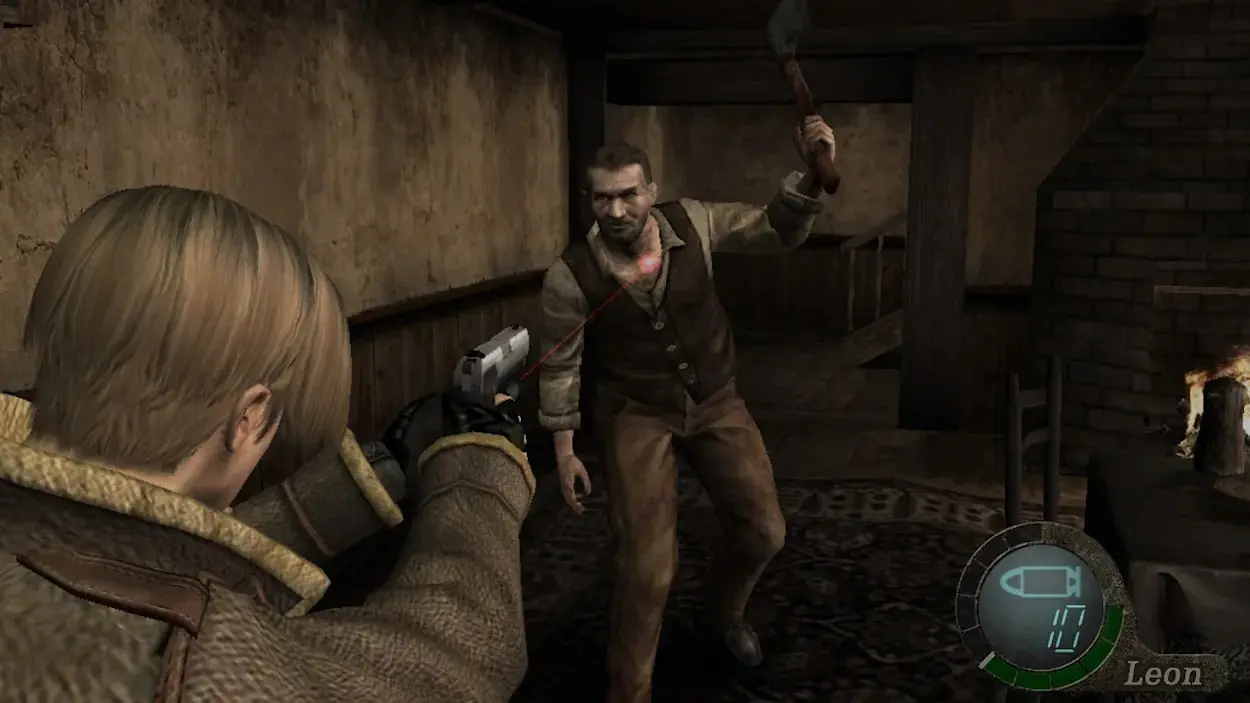
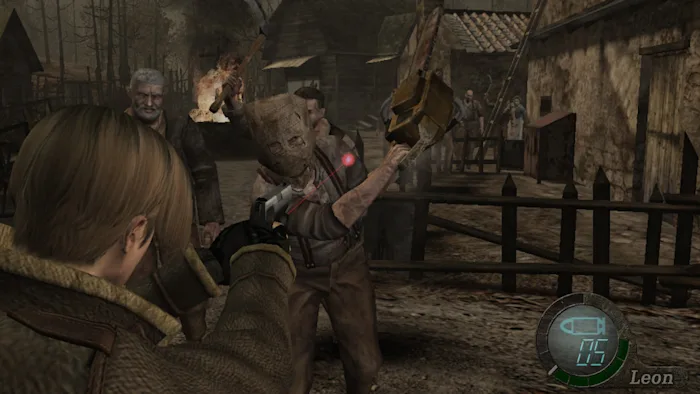
About Game
Resident Evil 4 Switch NSP XCI points to a Nintendo Switch edition of Capcom’s action-driven survival-horror classic, released on May 21, 2019. Its appeal remains easy to understand: the game combines a tense rural setting, constant enemy pressure, cinematic combat, puzzles, and resource decisions without losing the brisk momentum of Leon S. Kennedy’s mission.
Why Resident Evil 4 Still Feels Distinct on Nintendo Switch
Resident Evil 4 occupies an unusual space between survival horror and action adventure. It is built around danger, limited supplies, unsettling locations, and the threat of being overwhelmed, yet it also pushes Leon into frequent confrontations that demand quick responses. That contrast gives the game much of its identity. A quiet stretch of exploration can give way to a crowded firefight, while a useful item or solved puzzle can offer a brief sense of control before the next threat arrives.
On Nintendo Switch, that structure suits both focused sessions and portable play. The game’s progression is divided by encounters, discoveries, puzzles, and major confrontations, making its forward movement easy to follow while preserving the feeling that the next area may contain another surprise. Capcom’s blend of suspense and action remains central: this is survival horror with a forceful, combat-focused pulse rather than a purely slow-moving experience.
The presentation also benefits from its directness. The camera keeps Leon close to the danger, the village setting creates an immediate sense of isolation, and the action is framed to make each enemy advance feel urgent. For players interested in a game where atmosphere is sustained through pressure as much as silence, Resident Evil 4 remains a notable fit.
Leon S. Kennedy’s Rescue Mission and the Village’s Dark Secret
Leon S. Kennedy is sent to rescue Ashley Graham, the President’s daughter, after her kidnapping. His search leads him to a rural European village where the residents are far more dangerous than they first appear. The people Leon encounters are known as the Ganados, and their behavior quickly makes clear that this is not an ordinary rescue operation.
The village’s dark secret is tied to Las Plagas, a parasitic organism infecting the Ganados. Behind the outbreak is Los Illuminados, a cult led by Osmund Saddler. Its plan involves using Ashley to spread the parasite globally, raising the stakes beyond Leon’s immediate objective. The story develops through a mix of suspense, conflict, and increasingly disturbing revelations as Leon presses deeper into hostile territory.
That setup gives the game a strong sense of purpose. Ashley is not simply a distant objective; her rescue is tied directly to the cult’s broader threat. Along the way, Leon encounters characters including Ada Wong and Salazar, adding further tension and personality to a journey already shaped by infected villagers and the influence of Los Illuminados.
The Over-the-Shoulder Perspective That Changed the Series
Resident Evil 4 moved away from the fixed camera angles associated with earlier entries and adopted a third-person perspective built around an over-the-shoulder camera. The change makes aiming feel more deliberate and makes the space around Leon more important. Enemies do not remain distant figures in a static frame; they move toward him, close gaps, and force the player to judge distance under pressure.
This camera design supports the game’s action gameplay without removing its survival-horror tension. Lining up a shot matters when ammunition is limited. A crowd of Ganados becomes more intimidating when the camera emphasizes their approach. The perspective also helps cinematic moments land with greater immediacy, including quick-time events that interrupt the normal rhythm of exploration and combat.
The result is a format that feels personal rather than detached. Combat is not just about defeating enemies; it is about maintaining awareness while the threat advances. That close viewpoint remains one of the clearest reasons the game’s battles feel so physical and urgent.
Ganados: A Different Kind of Survival-Horror Enemy
The Ganados are crucial to the game’s mood because they differ from traditional shambling zombies. These infected villagers are agile, intelligent, and fiercely aggressive. Their behavior transforms ordinary spaces into danger zones: a village path, a building, or an open area can become difficult when several enemies begin closing in at once.
That aggression gives Resident Evil 4 a distinctive survival-horror rhythm. The player is not only reacting to a slow, predictable threat. The Ganados create pressure through numbers and movement, encouraging careful use of ammunition, health items, grenades, and the surrounding environment. Their presence makes even familiar-looking locations feel unstable.
They also reinforce the story’s unsettling premise. The villagers are connected to Las Plagas, so the enemy design is not separate from the central conflict. Every encounter points back to the village’s infection and the larger scheme of Los Illuminados. For an audience that enjoys horror where combat remains active and demanding, the Ganados are a major part of the game’s lasting impact.
Puzzles, Exploration, and Environmental Advantages
Firefights are only one part of Resident Evil 4. Exploration is necessary for finding essential items and uncovering the resources needed to continue. This gives progression a useful sense of discovery. Moving through dangerous areas is not simply a route to the next battle; it can reveal supplies, secrets, and clues that support the next stage of the mission.
Environmental puzzles further break up the action. They ask the player to pause, observe, and work through obstacles before advancing. These moments give the game room to breathe while preserving its tension, since the wider setting remains hostile and the story’s threat is never far away.
The environment can also provide tactical advantages during combat. Paying attention to available surroundings helps turn encounters into more than straightforward exchanges of gunfire. This interaction complements the inventory and merchant systems, where weapons can be purchased and upgraded. The presence of pistols, rocket launchers, grenades, healing items, and other resources gives players meaningful decisions about preparation and use.
Later play can remain engaging because encounters reward more confident resource management and familiarity with the game’s rhythms. Resident Evil 4 Switch NSP XCI is therefore best suited to players looking for a substantial blend of action, suspense, exploration, and strategic planning rather than a purely combat-only shooter.
5 Practical Ways to Approach Resident Evil 4’s Tough Encounters
- Make shots count. Ammunition is an important resource, so avoid treating every encounter as an opportunity to fire without consideration. Careful shooting supports longer-term survival.
- Plan around health. Healing items can be scarce, making it important to consider health before entering or continuing a difficult fight.
- Save grenades for pressure. Grenades are part of the game’s resource management, and their value is clearest when enemy aggression begins to create a difficult situation.
- Read the surroundings. Environmental interaction can offer tactical advantages. Taking note of the area helps make combat more manageable than simply facing every threat head-on.
- Upgrade with purpose. The merchant system allows weapon purchases and upgrades. Thoughtful choices can strengthen Leon’s available arsenal as the mission progresses.
Released by Capcom and developed by Capcom, Resident Evil 4 supports English, German, Spanish, French, Italian, Chinese, Korean, and Japanese, with availability across Europe, the USA, Asia, and Japan. Its Nintendo Switch release remains defined by the same core strengths: a focused rescue story, threatening Ganados, purposeful exploration, and combat that asks players to stay composed when the village closes in.