Record of Agarest War Switch NSP XCI
Report Link Error
Select the broken download file, then submit the report.
Screenshots
About Game
Record of Agarest War Switch NSP XCI brings a long-running tactical role-playing premise to Nintendo Switch: a conflict shaped not only by battlefield decisions, but also by the family line that carries the struggle forward. Its five-generation structure gives personal relationships unusual weight, while grid-based battles ask players to think carefully about placement, resources, equipment, and character growth.
Record of Agarest War on Nintendo Switch: Release and Game Details
Record of Agarest War released for Nintendo Switch in the USA on March 9, 2023. Published and developed by Aksys Games, it is available in English and combines Role-Playing and Strategy elements. The release places its focus on a campaign built around tactical turn-based encounters and a story that advances through successive protagonists.
The premise is set on a vast world marked by conflict between light and darkness. A destructive war has left five continents chained together, creating a setting where political tensions, personal sacrifice, and the fight against a looming evil remain closely connected. The central threat is the Overlord, a powerful deity whose return would condemn the world to lasting darkness.
Rather than following a single hero from beginning to end, Record of Agarest War Switch tracks a lineage. Leonhardt begins the journey, but his decisions help determine who will carry the story into later eras. That structure gives the campaign a sense of movement through time: the stakes remain continent-spanning, yet the consequences are also felt in the makeup of the next generation.
A Five-Generation Saga Shaped by Player Decisions
The defining feature of the Record of Agarest War generations system is its five-part lineage. Each generation has its own protagonist, challenges, character interactions, and romantic developments. The larger mission continues across the entire story, but the people leading that mission change as descendants inherit the conflict.
This progression is tied to the Soul Breed system. At the end of each generation, the current hero chooses a bride from available heroines. The choice determines the protagonist for the following generation and affects inherited traits and abilities. It is therefore more than a narrative relationship decision. It also has practical implications for the party and for the kind of character who will lead later battles.
That connection gives player choices a long reach. A decision made in one era is not simply closed off when the next chapter begins; it becomes part of the next hero’s identity. The result is a multi-generational story in which romance, family, character development, and tactical planning are intertwined. Players are asked to consider the immediate dynamics of a generation while keeping an eye on what their lineage may need later.
Grid-Based Battles and Tactical Positioning
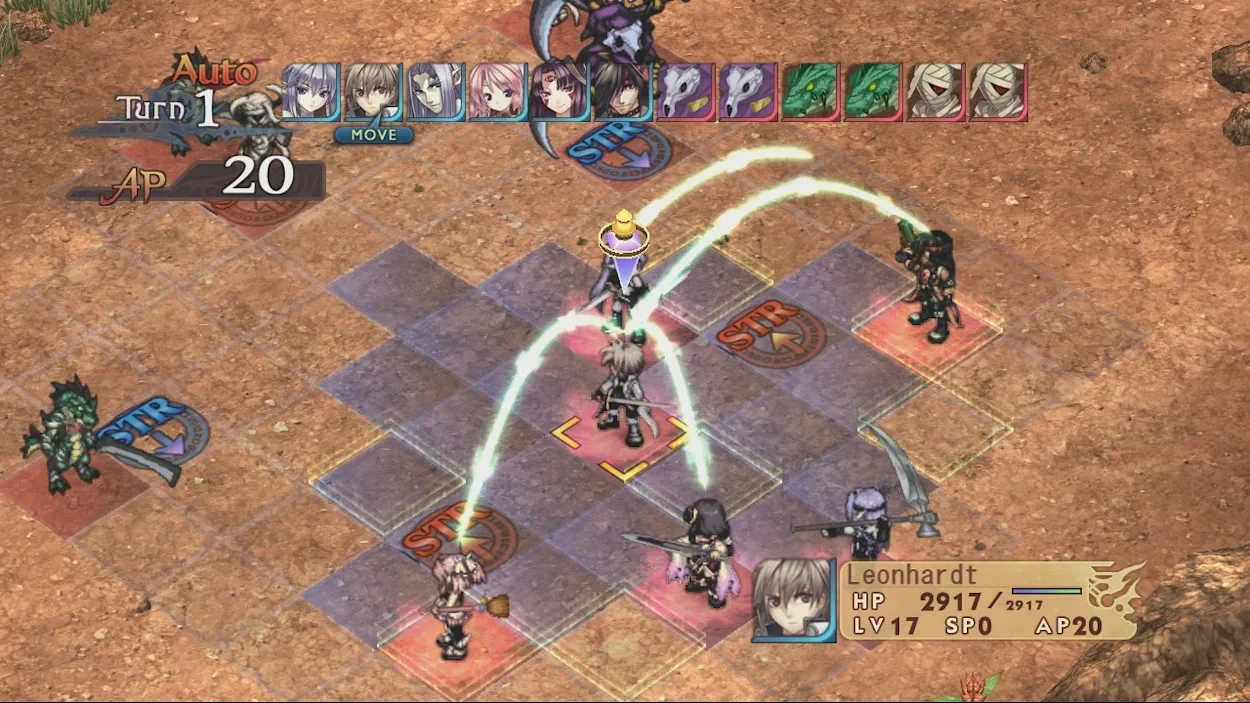
Record of Agarest War combat is built around turn-based battles on a grid. Positioning matters because the party’s formation influences how characters engage enemies and coordinate their actions. Moving a unit is not merely a matter of reaching a target; it is part of setting up the right arrangement for the wider group.
Elemental strengths also factor into battle planning. Encountering a difficult foe calls for more than selecting attacks in sequence. Players need to account for the party’s placement, their available abilities, and elemental considerations while adapting to the situation on the battlefield.
Action points are another important part of this grid-based tactical RPG approach. Each encounter requires careful action point management, especially when enemies are strong enough to punish inefficient turns. Spending resources aggressively may create an opening, but the party still needs enough flexibility to respond as the battle develops. The strongest decisions often come from treating movement, attacks, and resource use as parts of the same plan.
Building Powerful Party Attacks Through Character Skills
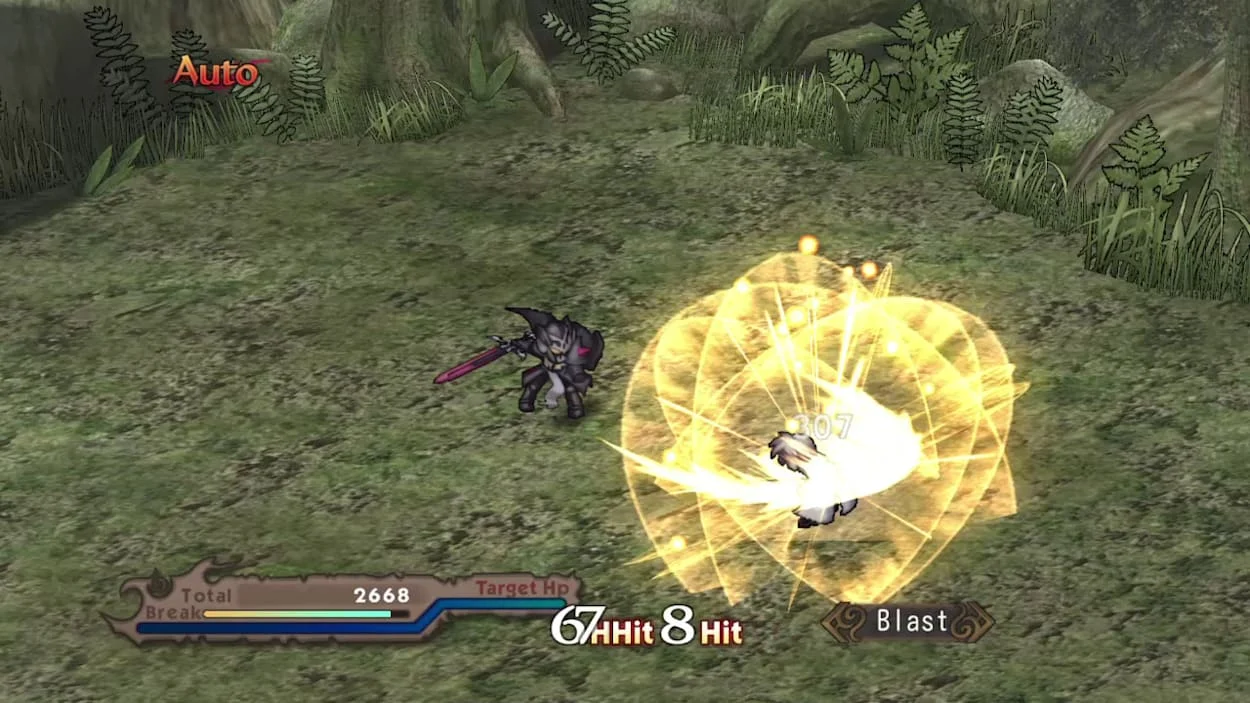
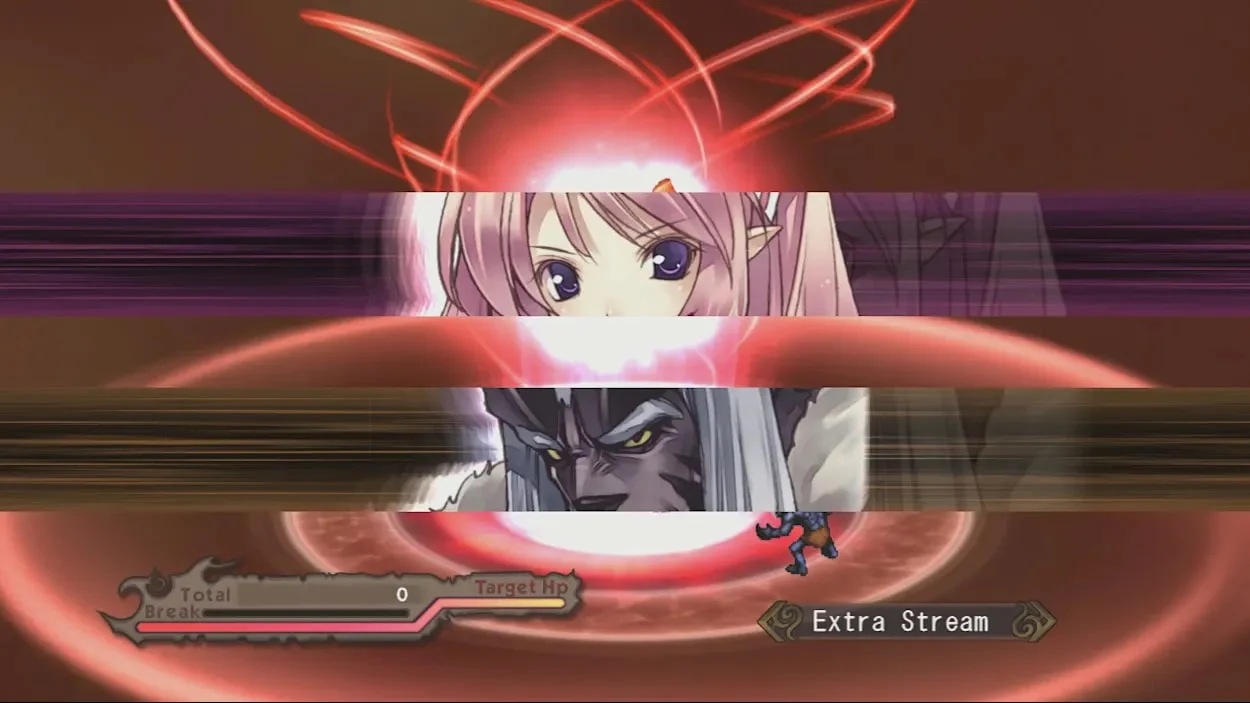
Individual party members have their own attributes and skills, and their differences are central to party strategy. Coordinating those strengths can create more powerful attacks, giving the group a better chance during demanding encounters. A character’s role is shaped not just by one ability, but by how that ability works alongside the rest of the formation.
This makes skill development meaningful across the campaign. Skill points earned in battle can be used to unlock new abilities or strengthen existing ones. Equipment also supports that growth: weapons, armor, and accessories can be assigned to improve party members and tailor them to a particular tactical need.
The most effective Record of Agarest War skills choices are likely to be those considered in context. A useful ability becomes more valuable when it supports a planned formation, complements another character’s attributes, or helps the party address an elemental concern. The game’s tactical attacks are not presented as isolated displays of power; they emerge from preparation and coordination.
5 Strategic Priorities for Each Generation
- Think beyond the current hero. Bride selection through the Soul Breed system determines the next generation’s protagonist and influences inherited traits and abilities. This is a major long-term decision, not only a relationship choice.
- Plan the formation. Grid placement shapes how the party approaches combat. Keep positioning in mind before committing characters to an exchange, particularly when setting up coordinated attacks.
- Protect action points. Action point management is essential in difficult battles. Consider how much the party can spend while still retaining options for later turns.
- Use equipment deliberately. Weapons, armor, and accessories provide opportunities to enhance party members. Match gear choices to the role a character is expected to play.
- Develop skills with purpose. Allocate earned skill points to unlock abilities and improve existing ones. Stronger results come from building skills that work with the party’s attributes and tactical attacks.
These priorities give a practical frame to a Record of Agarest War strategy guide: long-term lineage decisions matter, but so does the turn-by-turn discipline required by each battle. Soul Breed strategy and battlefield planning are two sides of the same campaign.
Why Record of Agarest War Blends Strategy With Long-Term Storytelling
Record of Agarest War joins tactical role-playing battles to a generational narrative in a direct way. The fight against the Overlord supplies the continuing objective, while five generations provide changing heroes, evolving conflicts, and new personal circumstances. The campaign’s scale comes from its continent-wide stakes, but its emotional direction comes from the lineage created through player decisions.
Its replay value is closely tied to those choices. Different bride selections affect the next protagonist’s inherited traits and abilities, creating a reason to consider alternate paths through the generational structure. The combination of party customization, skill allocation, equipment, formations, and relationship decisions also gives players several areas in which to shape their approach.
For players interested in a Nintendo Switch RPG with deliberate turn-based combat and a story that treats descendants as part of progression, this is a distinctive fit. It favors patience, planning, and attention to consequences that extend beyond a single battle or chapter. The result is a generational tactical RPG where the future of the world and the future of the party are closely linked.