Princess Maker 2 Regeneration Switch NSP XCI
Report Link Error
Select the broken download file, then submit the report.


Screenshots
About Game
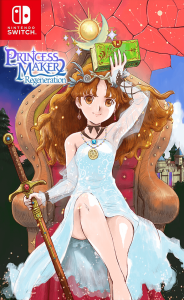
Princess Maker 2 Regeneration Switch NSP XCI brings a long-running child-raising simulation premise to Nintendo Switch with a simple but demanding question at its centre: what kind of future can careful guidance create? Released on July 11, 2024, this Bliss Brain simulation gives players responsibility for a young girl whose development is shaped over years rather than a handful of isolated decisions. Its appeal lies in the slow accumulation of choices, where school, work, training, rest, and spending all contribute to a larger portrait of the person she may become.
A New Switch Edition of Princess Maker 2
Developed and published by Bliss Brain, Princess Maker 2 Regeneration arrives as a Nintendo Switch simulation focused on raising a daughter through an extended period of growth. The game is available across Europe, the USA, Asia, and Japan, with language support for English, Japanese, Korean, Simplified Chinese, and Traditional Chinese.
The premise has an enduring pull because it treats progress as more than a route to a single reward. A player is not simply selecting the strongest class or pursuing the largest number. They are directing a young person’s time, opportunities, abilities, and outlook. That makes the experience feel less like a conventional campaign and more like an evolving record of priorities.
The Switch edition places that structure in a compact format, with monthly planning forming the regular rhythm of play. A family budget, training options, changing attributes, unpredictable events, and possible adventures all sit around the central responsibility of helping one child grow up.
The Divine Child at the Center of the Story
The Princess Maker 2 Regeneration story begins after a major war against the Demon King. A deity entrusts a young girl to a hero, giving that hero the task of raising her. The child’s unusual origin gives the narrative a fantasy frame, but the player’s role remains personal and practical: guide her day-to-day life, make decisions about her development, and prepare her for adulthood.
That contrast is part of the game’s tone. The backdrop includes a Demon King war and a divine child, yet much of the player’s attention is devoted to matters that feel closer to parenting and planning. How should her month be spent? What skills deserve attention? Can the household afford another class or necessary supplies? The grand premise creates room for many possible futures, while the simulation asks the player to earn those outcomes through steady care.
Events, festivals, interactions, and adventures add variety to that journey. They can interrupt a carefully prepared routine and introduce choices that make the world feel responsive to the daughter’s growth. The result is a fantasy setting with a warm, occasionally unpredictable life-simulation rhythm.
Eight Years of Decisions Shape Her Future
The central idea behind Princess Maker 2 Regeneration endings is consequence over time. The girl is raised across eight years, and her adult path reflects the decisions made during that period. A future as a queen, warrior, scholar, or something less expected is not presented as a cosmetic label alone; it is tied to the kind of upbringing the player has built.
This gives the raising simulation a useful sense of tension. A schedule that favours combat training may open a different direction from one centered on academic study or the arts. Work can support the household finances, but it also uses time that might otherwise go toward education, leisure, or other activities. No single monthly decision necessarily defines her future, but repetition and balance matter.
- Plan with purpose. Monthly choices gradually guide the daughter toward different strengths and possible adult outcomes.
- Leave room for change. Random events, festivals, and interactions can introduce unexpected turns in her development.
- Build a complete life. Education, arts, combat training, leisure, and jobs each contribute in different ways.
- Think beyond one ending. Multiple conclusions encourage players to reconsider earlier decisions and try new priorities.
- Accept trade-offs. Time and money are limited, so every opportunity comes with a practical cost.
Replay value follows naturally from that design. Seeing one ending does not reveal every possible version of the daughter’s life. Players interested in experimentation can return with a different schedule, a different budget strategy, or a different idea of what success means.
Monthly Scheduling Is the Heart of the Simulation
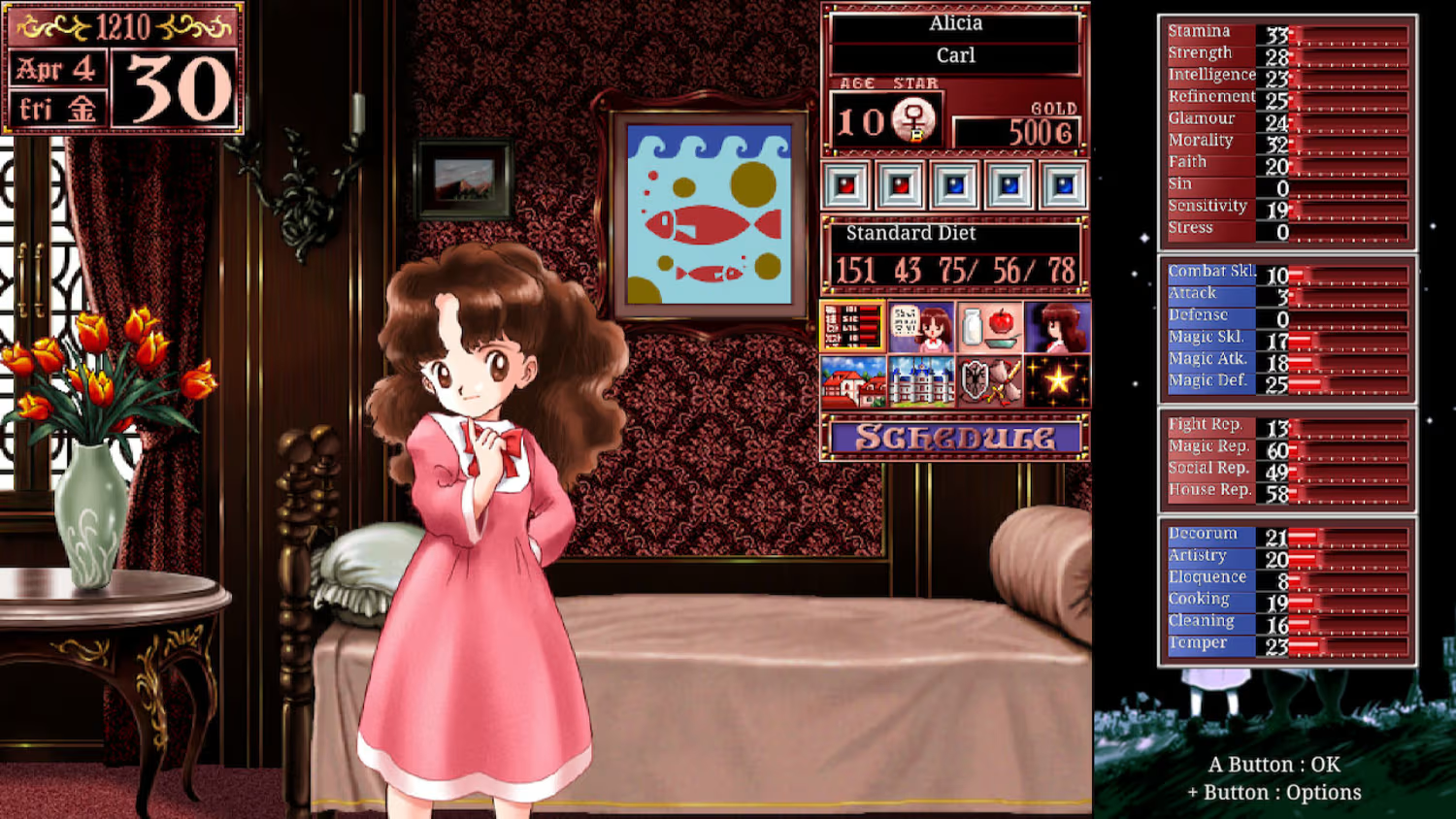
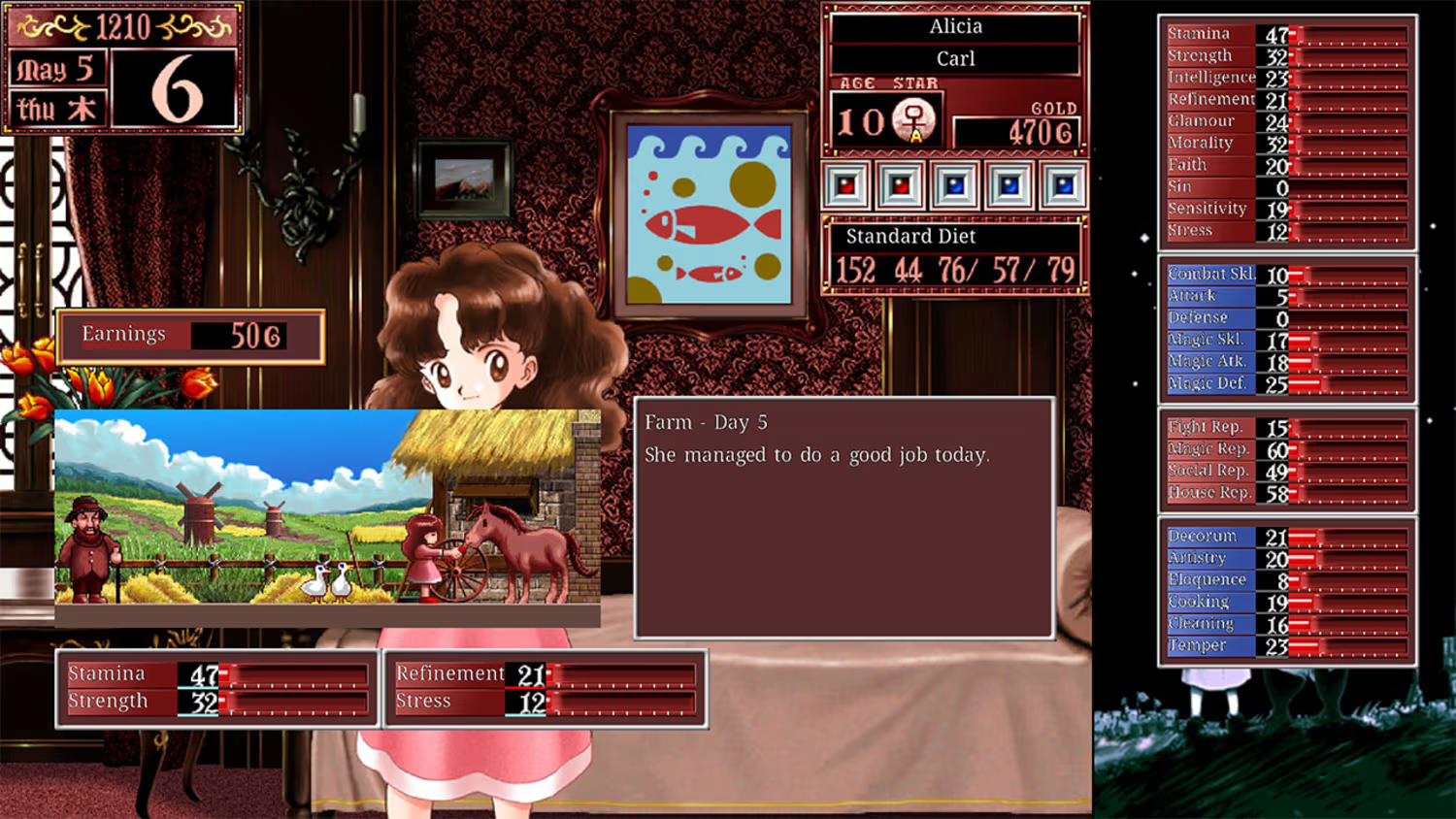
The Princess Maker 2 Regeneration schedule is where its long-term ideas become concrete. Each month, players allocate the daughter’s time among activities such as academics, arts, combat training, leisure, and part-time work. These are not detached menu selections; they are the routine from which her abilities, personality, and future opportunities develop.
Monthly activities make the simulation accessible in structure while leaving room for strategy. A player can identify a goal and set a course toward it, but the changing demands of finances, events, and the daughter’s development can require adjustment. Leisure may be as meaningful as study when considering a balanced upbringing, while part-time jobs may become important when classes and supplies place pressure on the budget.
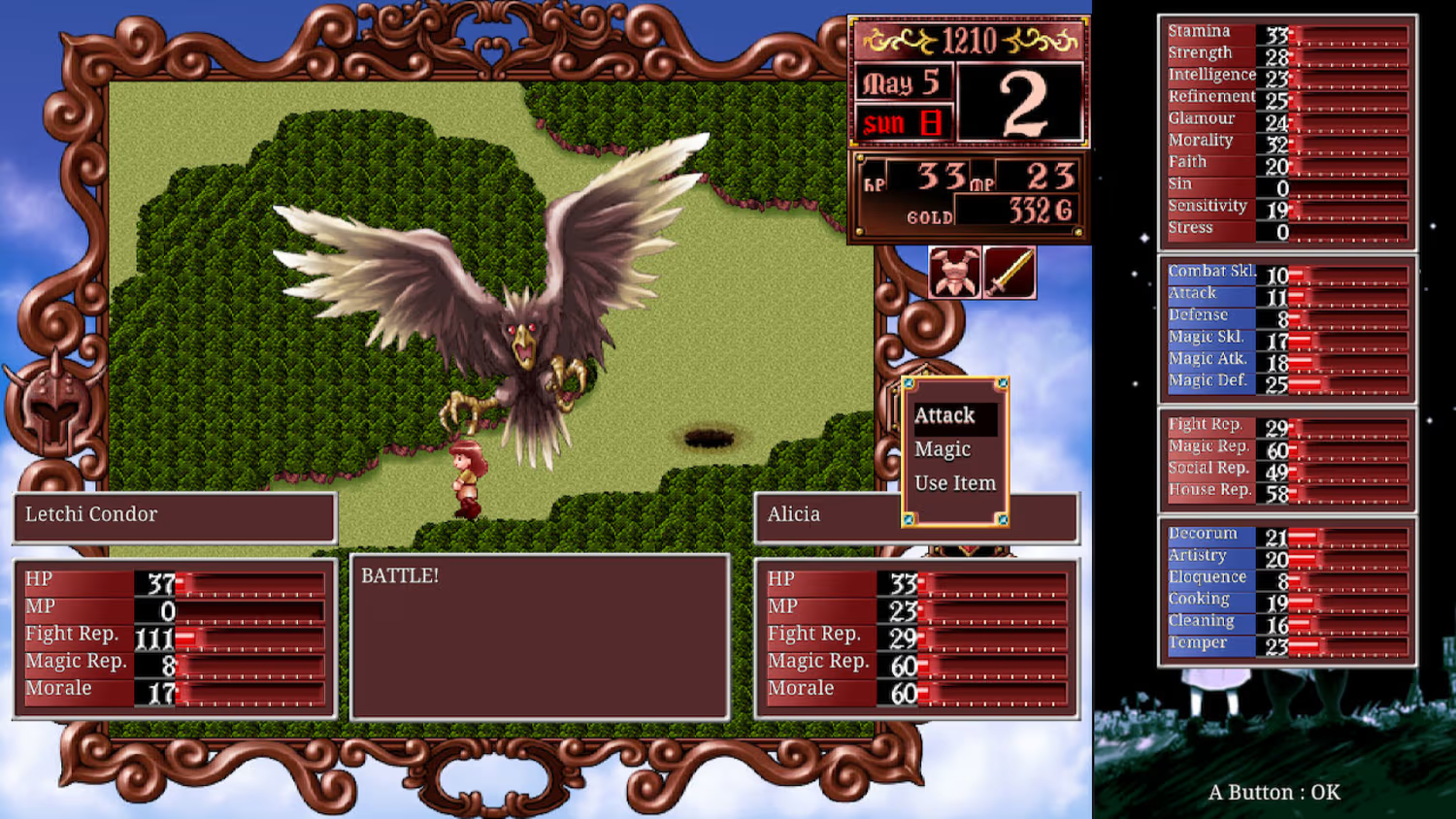
Adventure exploration expands the schedule beyond ordinary training. The daughter may visit different regions, face monsters, find treasure, gain experience, and meet other characters. These excursions give the game moments of outward movement alongside its domestic planning, reinforcing that her growth takes place within a wider fantasy world.
Stats, Personality, and the Meaning of Progress
Princess Maker 2 Regeneration stats include intelligence, charm, combat skill, and morality, with different activities affecting those areas in different ways. The presence of personality alongside more familiar abilities is important. Development is not framed solely as becoming smarter, stronger, or more capable in battle. The player is also shaping the qualities that inform her possible future.
That broader approach makes pure optimization less compelling than thoughtful balance. Maximizing one value may support a particular ambition, but it does not automatically represent the richest or most suitable path for every playthrough. The game’s multiple outcomes invite players to consider how intelligence, charm, combat skill, and morality can work together—or pull in different directions.
Progress therefore has a human dimension. Better statistics show that training has had an effect, but the larger question is what those changes mean for the daughter’s life. A carefully designed plan can produce a clear direction; a more varied one can leave room for surprising developments. Both approaches fit a game built around parental influence and individual potential.
Balancing Classes, Supplies, and Family Finances
Money management supplies an essential strategic layer. Classes require funding, items and supplies must be purchased, and future opportunities may call for savings. The household budget makes every promising activity part of a larger calculation, particularly when part-time work competes with training and leisure for the daughter’s limited time.
This is where Princess Maker 2 Regeneration Switch NSP XCI becomes more than a sequence of developmental choices. Financial planning forces the player to connect ideals with practical limits. It may be tempting to invest heavily in classes, but doing so can affect what remains for other needs. Sending the daughter to work may help support the family, though that decision also shapes the monthly routine.
For players drawn to reflective life simulations, fantasy framing, and branching outcomes, the game’s appeal is clear. Its strongest moments are likely to come from looking back at eight years of decisions and recognising how a pattern of small choices led to one particular adult future.