Pokémon Mystery Dungeon: Rescue Team DX Switch NSP XCI
Report Link Error
Select the broken download file, then submit the report.
Screenshots
About Game
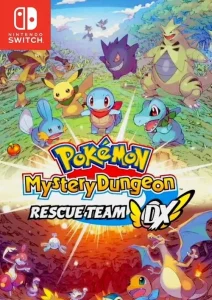
Pokémon Mystery Dungeon: Rescue Team DX Switch NSP XCI begins with an unusual question of identity: what happens when a person wakes up as a Pokémon, unable to remember their human past? That premise gives the RPG a personal starting point before its rescue work expands into a journey through dangerous dungeons, troubled communities, and a world facing escalating disasters.
A Rescue Team’s Mystery Begins
The opening places the player in the role of a newly transformed Pokémon with no clear explanation for what happened. A friendly Pokémon becomes a partner, and the pair establish a rescue team dedicated to helping other Pokémon. It is a simple foundation, but it gives each expedition a clear purpose: reach those in trouble, navigate a dungeon, and bring them safely through the dangers ahead.
The Pokémon Mystery Dungeon: Rescue Team DX story uses that lost memory as more than a background detail. The missing human past remains an unanswered question, while the rescue team premise turns the player and partner into active members of the wider Pokémon world. Their work helps build a sense of belonging, even as the reason for the transformation remains unresolved.
That combination of uncertainty and companionship shapes the atmosphere. The adventure has room for heartfelt encounters with Pokémon seeking aid, yet the central mystery keeps the rescue work connected to something larger. The remake’s new art style supports a vibrant presentation for a setting built around exploration, danger, and helping others.
Natural Disasters, Prophecy, and a Larger Mission
Rescue requests gradually become part of a more serious situation. Mysterious natural disasters begin striking the Pokémon world, creating panic and placing more Pokémon in need of assistance. The team does not simply respond to isolated emergencies; it starts investigating why these events are happening and what they mean.
This is where the Pokémon Mystery Dungeon: Rescue Team DX narrative broadens its scope. The growing rescue team encounters a prophecy and faces increasingly difficult circumstances, including powerful adversaries and decisions with wider consequences. The disasters are not just obstacles between dungeon floors. They are signs that the world itself needs saving.
The story’s two major goals eventually meet: understanding the player character’s transformation and preventing catastrophe. That gives progression a useful emotional direction. Helping individual Pokémon builds the team’s renown, while the larger investigation raises the stakes beyond the next request. Suspenseful turns sit alongside warmer moments of partnership and community, keeping the journey grounded in the rescue team’s original purpose.
Turn-Based Combat Built Around Positioning and Type Coverage
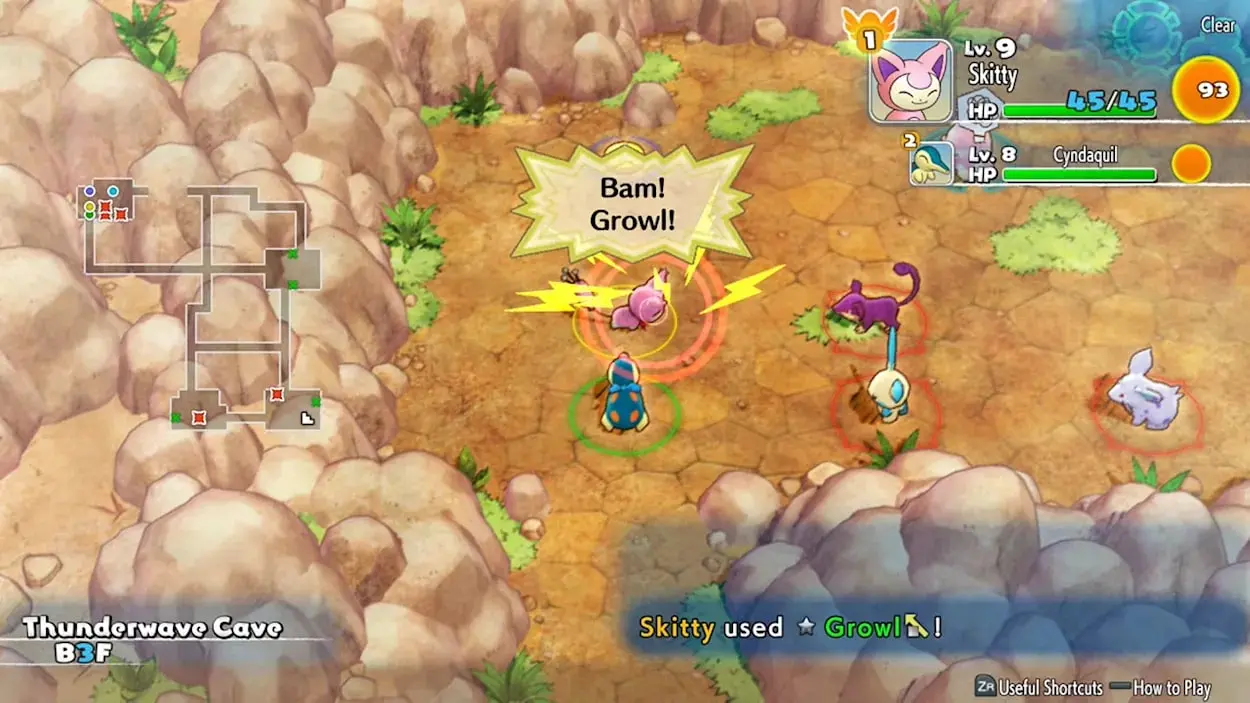
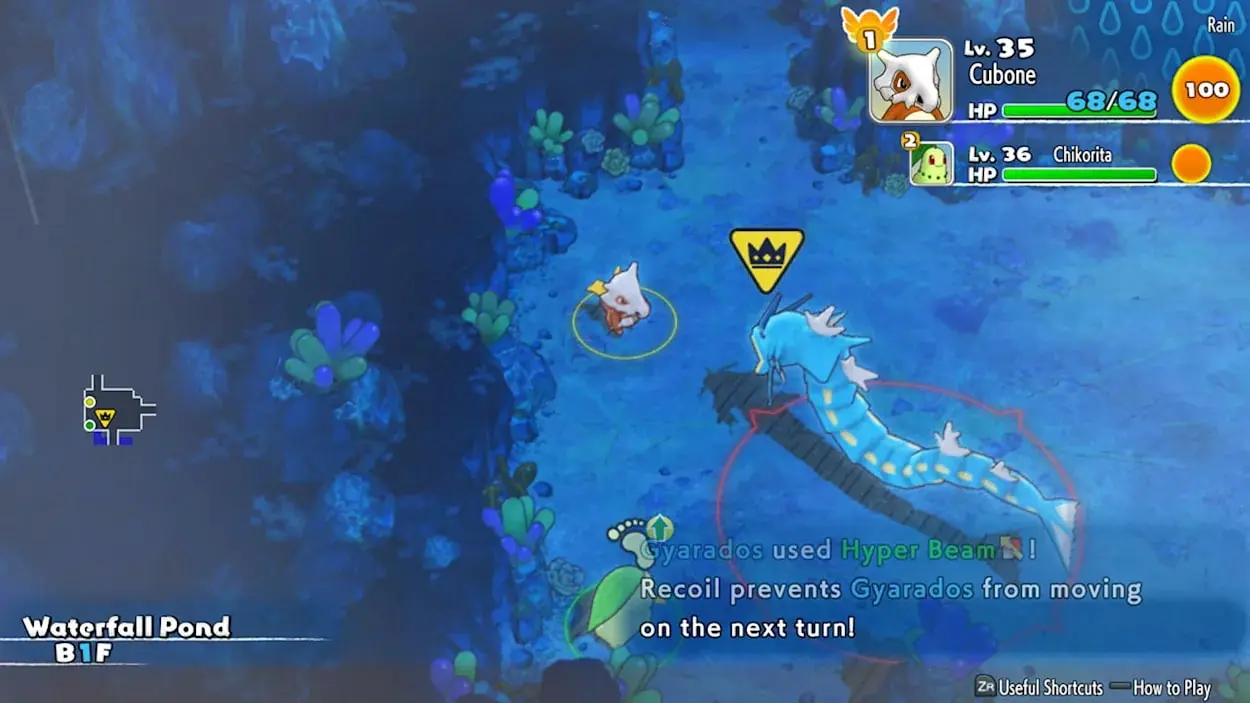
Dungeons combine exploration with strategic, turn-based battles. Each action matters because movement, attacks, and enemy responses unfold in turns. A Pokémon’s placement can affect how safely the team approaches a threat, while move selection and type advantages influence the best response to a given opponent.
Pokémon Mystery Dungeon DX combat asks players to think beyond direct damage. A team needs to deal with wild Pokémon, traps, items, and the changing demands of dungeon exploration. Positioning can help protect more vulnerable teammates, while type coverage gives the group more answers when different opponents appear.
The dungeons are procedurally generated, so their layouts and challenges can change between expeditions. That variability gives the dungeon-crawling structure replay value without requiring every outing to feel identical. The team also has to manage health and hunger, represented by Belly, which makes supplies part of the tactical picture. A successful run depends on surviving battles, but also on staying prepared long enough to reach the objective.
Recruiting Pokémon and Building a Flexible Rescue Roster
Recruitment is central to the rescue team’s growth. Wild Pokémon encountered during exploration can join the expanding roster, giving players access to a wider range of types, moves, and potential roles. The result is not a fixed party with one obvious answer for every dungeon. Team composition can be adjusted to suit the challenges ahead.
A balanced rescue team composition can use varied types and move choices to handle more situations. Different Pokémon may be better suited to close-range pressure, physical attacks, long-range options, or moves that provide useful coverage. TMs and other collected items offer further ways to prepare the group for expeditions.
Progression also includes leveling up and evolving Pokémon, allowing favorite teammates to gain new strengths and abilities. The value of a broad roster is practical as well as personal: a dungeon’s threats, layouts, traps, and enemies may call for a different combination than the previous mission. Experimenting with recruited Pokémon helps keep that choice flexible.
Rescue Requests and Reputation at Your Base
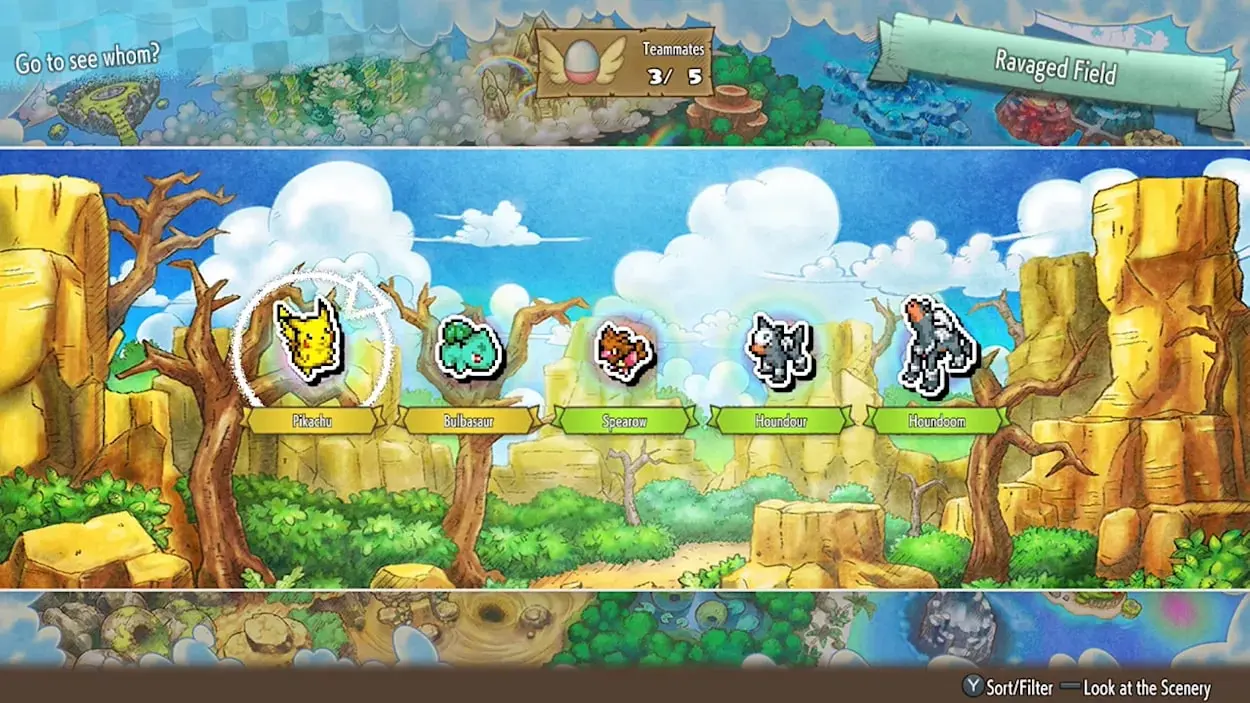
The base functions as the team’s organizing point between outings. Here, players can manage their Pokémon, accept rescue requests, and prepare for the next dungeon. It gives the adventure a steady rhythm: return from an expedition, review the roster and supplies, then choose another Pokémon in need of help.
Pokémon Mystery Dungeon DX rescue requests provide the practical reason to venture back into dangerous areas. Completing them helps build the team’s reputation and reinforces the role of the rescue team within the community. The requests also connect progression to service rather than conquest. The team becomes better known because it continues to answer calls for help.
The base is also where long-term planning becomes easier to see. Pokémon can be managed and evolved, while movesets can be customized for different dungeon environments. That makes preparation a meaningful part of the loop rather than a brief pause between battles. A growing reputation, a larger roster, and stronger team bonds all develop through repeated rescue work.
7 Preparation Priorities Before Entering a Dungeon
- Protect your health. Bring Oran Berries so the team has a way to recover when battles or dungeon hazards reduce health.
- Feed the team. Pack Apples to manage Belly and avoid the risks of entering a long expedition without enough food.
- Check type coverage. Review the Pokémon being brought along and make sure the group is not relying on only one kind of attack.
- Vary the moves. Customize movesets so the team has useful options for different wild Pokémon and dungeon conditions.
- Consider distance. A long-range attacker can add another tactical choice when positioning makes close combat unsafe or inconvenient.
- Expect traps. Dungeons contain traps, so it is wise to avoid treating every unexplored space as harmless.
- Plan for change. Procedurally generated layouts mean familiar preparation matters more than memorizing a single route.
For players drawn to RPG progression, dungeon crawling, and turn-based decision-making, Pokémon Mystery Dungeon: Rescue Team DX Switch NSP XCI offers a rescue-focused adventure in which careful planning supports a story about partnership, mystery, and a Pokémon world in need of help.