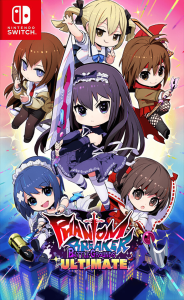
Phantom Breaker: Battle Grounds Ultimate Switch NSP
Report Link Error
Select the broken download file, then submit the report.
Screenshots
About Game
Phantom Breaker: Battle Grounds Ultimate Switch NSP arrives as a fast-moving action release built around side-scrolling fights, colorful pixel-art presentation, and character-driven combat. Set for the USA region on April 17, 2025, it brings Rocket Panda Games’ arcade-minded brawler to Nintendo Switch with language support for English, Japanese, French, Portuguese, Spanish, German, Italian, Korean, Simplified Chinese, and Traditional Chinese.
Phantom Breaker: Battle Grounds Ultimate on Nintendo Switch: Release Details
Published by Rocket Panda Games, Phantom Breaker: Battle Grounds Ultimate is listed in the Action genre and launches on April 17, 2025. Its USA release supports a broad selection of languages, making the game’s menus and presentation accessible to players across several regions and language preferences.
The game’s premise follows Mikoto after her younger sister, Waka, is kidnapped by a mysterious figure known as Phantom. Joined by Itsuki and Yuzuha, Mikoto fights through Tokyo in pursuit of Waka and answers about Phantom’s intentions. Other characters enter the conflict with motives of their own, giving the brawling campaign a light narrative thread without pulling focus away from the action.
For players looking for a compact action game with a clear arcade influence, the Switch version centers its appeal on movement, combat flow, stage progression, and the satisfaction of improving a chosen fighter over repeated runs.
A Side-Scrolling Beat ’Em Up Built for Fast Battles
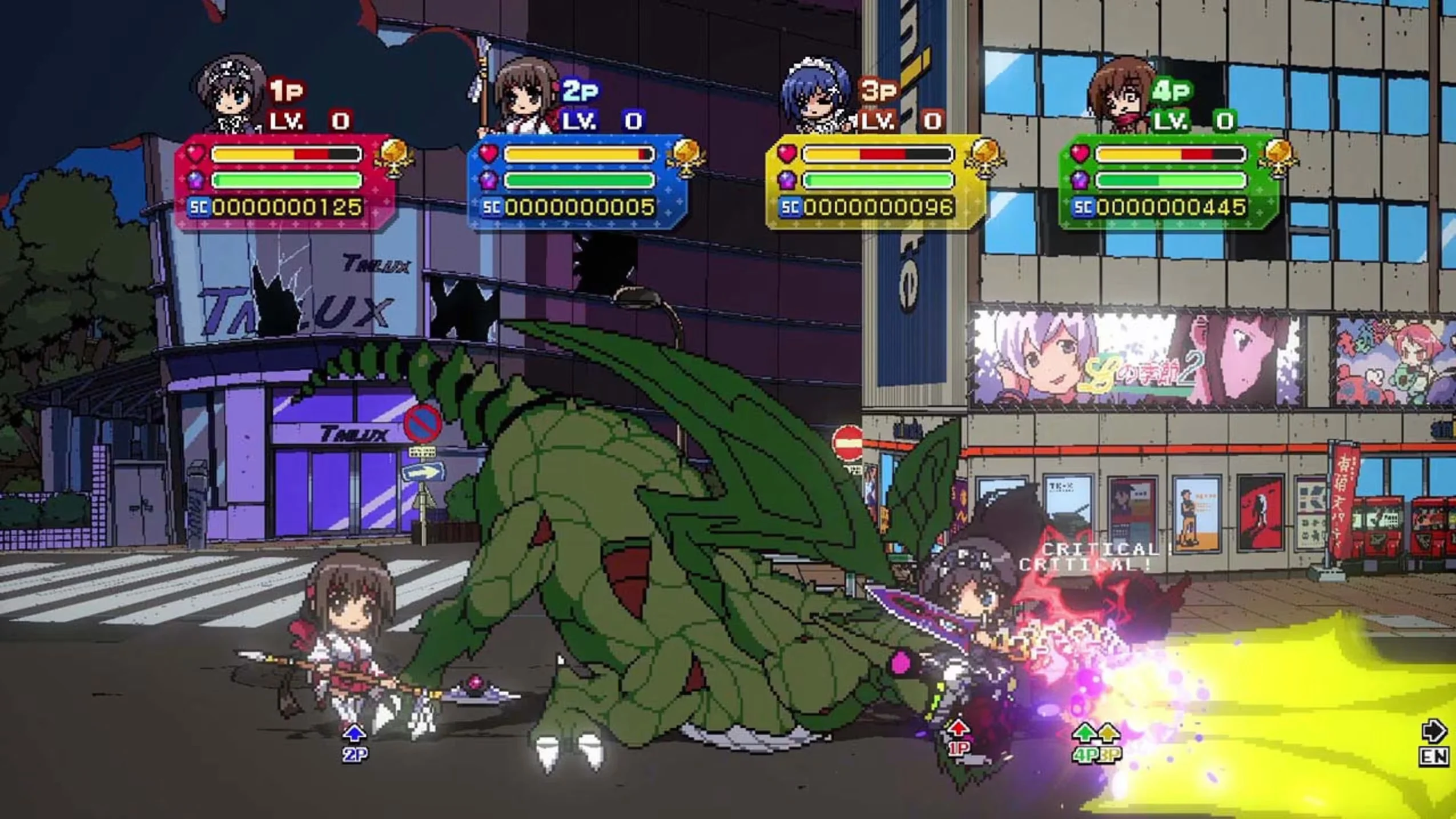
The core of Phantom Breaker: Battle Grounds Ultimate gameplay is a classic side-scrolling beat ’em up structure. Players advance through stages, meet groups of enemies, clear the path, and continue toward tougher encounters. Tokyo locations provide the backdrop, while the pace stays focused on quick exchanges rather than slow exploration.
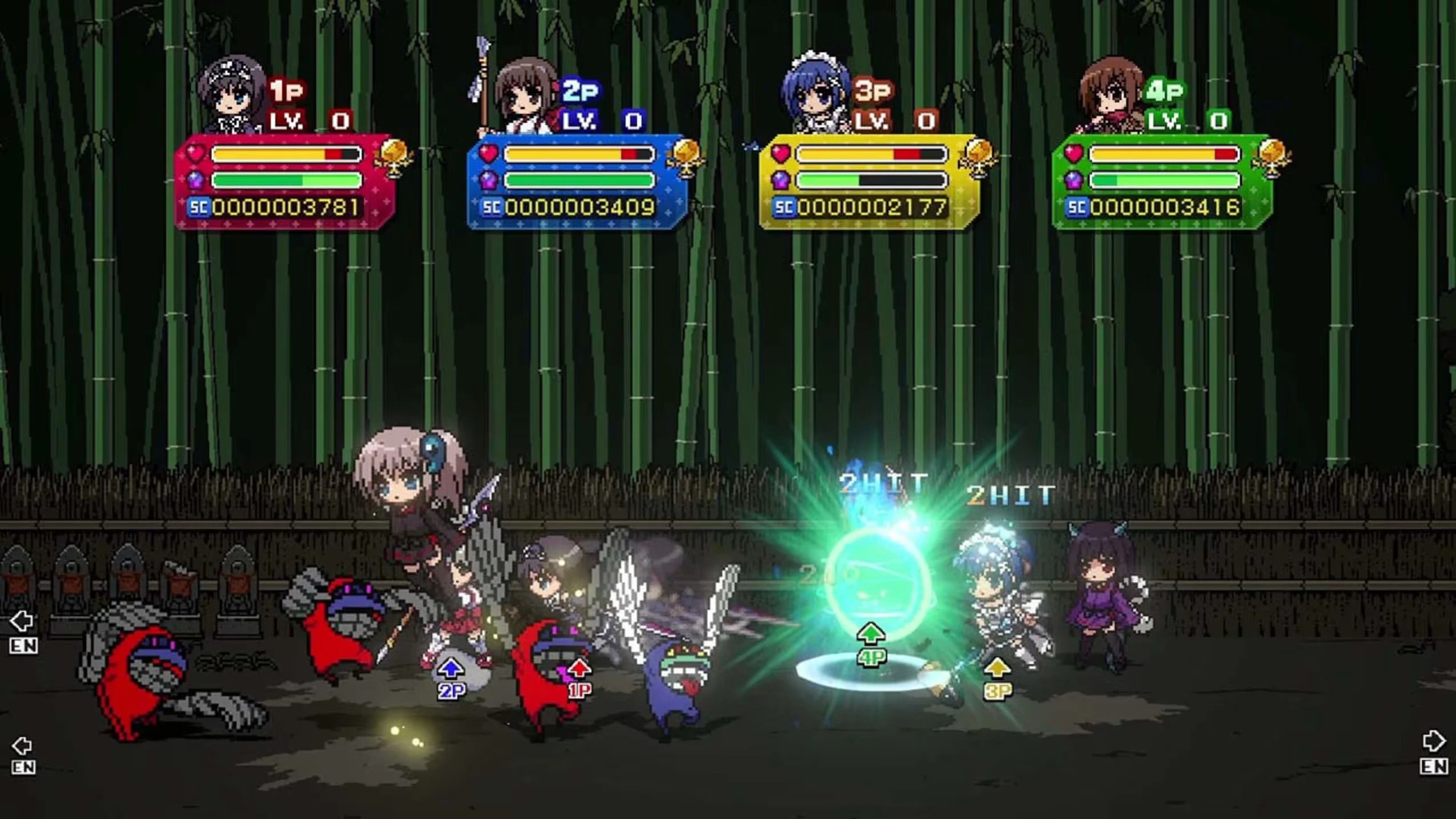
Its combat leans into arcade action: enemies arrive in groups, attacks are designed to be chained together, and momentum matters. A well-timed sequence can keep opponents under pressure, while an untidy approach can leave a fighter surrounded. The format is easy to understand from the first fight, but it leaves room for more deliberate play as enemy types and bosses demand different responses.
Cooperative multiplayer supports up to four players locally and online, adding another layer to the battlefield. With more fighters active, the screen can become more chaotic, but teamwork also creates opportunities to control crowds and keep attacks moving. The game is suited to players who enjoy brisk brawlers, score-chasing, and learning the rhythms of a combat system through replay.
Character Playstyles, Combos, and Special Moves
The roster is designed around distinct attack patterns and abilities rather than a single shared approach. Some characters favor forceful attacks, while others emphasize agility. That difference encourages experimentation: a player can choose a fighter whose movement and attack timing feel natural, then work toward a stronger understanding of that character’s options.
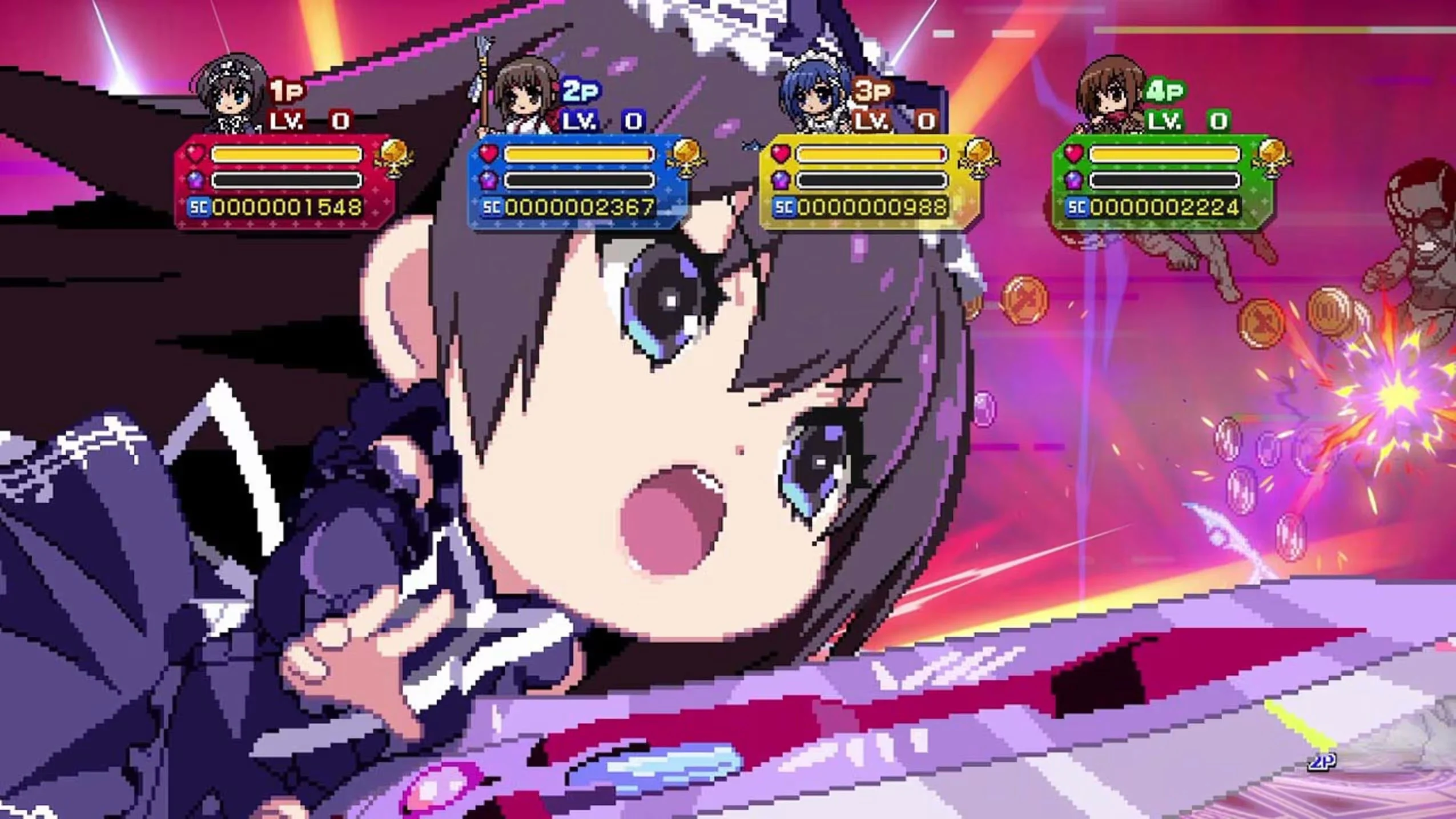
Combos provide the main route to sustained damage. Chained attacks can push through groups, while launches create opportunities to extend pressure or separate an opponent from a crowd. Special moves add another tool for difficult moments, particularly when a wave of enemies closes in or a stronger foe needs a more decisive response.
Phantom Breaker: Battle Grounds Ultimate Switch NSP therefore rewards more than repeated button presses. Its fastest moments still benefit from observation: recognize an enemy’s behavior, use the right range of attack, and choose when to commit to a longer combo. The result is a brawler where individual character familiarity can make a visible difference.
Building Stronger Fighters Through Experience and Upgrades
Progression continues beyond individual stages. Experience points earned during play can be used to unlock or improve character skills and stats, allowing fighters to develop over time. This system gives repeat sessions a practical purpose beyond simply reaching the next encounter.
Upgrades also support the roster’s varied playstyles. A player who has settled on a favorite character can strengthen that fighter’s capabilities, while those who prefer variety can spend time learning how different skill sets alter combat. The process makes improvement feel connected to both performance and experimentation.
Because stages can be replayed, progression and mastery naturally overlap. Returning to an earlier area may provide another chance to earn experience, practice a difficult sequence, pursue a higher score, or search for hidden items. That structure gives the game value for players who like refining a run instead of treating each stage as a one-time challenge.
Pixel Art, Soundtrack, and the Game’s Arcade Energy
Vibrant pixel art gives the action a deliberately classic arcade character. The small-scale visual style suits a game built around readable enemy groups, exaggerated attacks, and rapid movement across the screen. Rather than aiming for realism, the presentation supports the lively tone of the battles and the unusual cast of characters.
The soundtrack accompanies that energy with music intended to match the frantic pace. Together, the visuals and audio reinforce a game that is direct, colorful, and combat-first. The atmosphere is particularly fitting for players who enjoy retro-inspired brawlers but still want progression systems, multiple playable characters, and local or online cooperative play.
7 Combat Tips for Taking Control of the Battlefield
- Learn the basics first. Spend time with one character’s attack patterns before switching constantly between the roster. Knowing a fighter’s range and timing makes crowded battles easier to read.
- Practice your combos. Chain attacks deliberately instead of relying only on isolated strikes. Consistent combos help maintain pressure and improve damage against larger groups.
- Use launches wisely. Launching enemies can extend a sequence and create breathing room when opponents gather around your character.
- Save special moves for pressure. Special moves are useful when standard attacks are not enough, particularly against dense enemy waves or tougher targets.
- Invest in growth. Earn experience points and use upgrades to improve skills and stats. A stronger character can make later encounters more manageable.
- Adapt to the opposition. Standard enemies and bosses do not necessarily require the same tactics. Watch how each type behaves, then adjust spacing, combos, and special-move use.
- Replay with a purpose. Return to stages to improve scores, look for hidden items, earn more experience, and sharpen your preferred character’s moveset.